REVIEW · LUXOR
Full-Day Tour to Luxor West Bank includes 5 Sightseeings
Book on Viator →Operated by Hello Egypt Tours · Bookable on Viator
One West Bank day hits the classics and the backstory.
This private Luxor tour strings together five major West Bank sites with an Egyptologist guide, plus hotel pickup, air-conditioning, and tickets already handled. I like that it’s built for real understanding, not just photos.
My second favorite part is the range: you go from royal tombs to the workmen’s village, then end at Ramesses III’s temple scenes and the Colossi of Memnon. One thing to consider: it’s a full day (about 8.5 hours), so plan for heat, walking, and a schedule that doesn’t leave much room for wandering off on your own.
In This Review
- Key things I’d watch before you book
- A Luxor West Bank day that actually makes sense
- Valley of the Kings: tomb art you can finally interpret
- Temple of Hatshepsut at Deir el-Bahari: terraces and a queen’s message
- Valley of the Queens: serenity that shouldn’t be underestimated
- Deir el-Medina (Valley of the Artisans): the people behind the walls
- Medinet Habu: Ramesses III and the battle scenes you can track
- Colossi of Memnon: a quick stop that still earns its spot
- Price and value: what $130 covers (and why it matters)
- The guides: English help that turns monuments into stories
- Tips to make your day smoother (no heroics required)
- Who this Luxor West Bank tour fits best
- Should you book this West Bank day?
- FAQ
- What sites are included on this Luxor West Bank tour?
- How long is the full-day tour?
- Is hotel pickup and drop-off included?
- Are entry tickets included?
- Is the tour private?
- What transportation is provided?
- Is bottled water included?
- Do I need to tip?
- What’s the cancellation policy?
- Do I need to choose a ticket format?
Key things I’d watch before you book
- Egyptologist-led clarity at every stop, including how the afterlife scenes connect across the West Bank
- Admissions included for the ticketed sites, so you’re not scrambling for entry rules at each gate
- Five major sights in one run, plus a short Colossi of Memnon finale that keeps the day moving
- Hotel pickup and A/C transport, a big deal when Luxor temperatures rise
- Stops beyond the royal elite, like Deir el-Medina, which adds context you won’t get on a rushed circuit
A Luxor West Bank day that actually makes sense
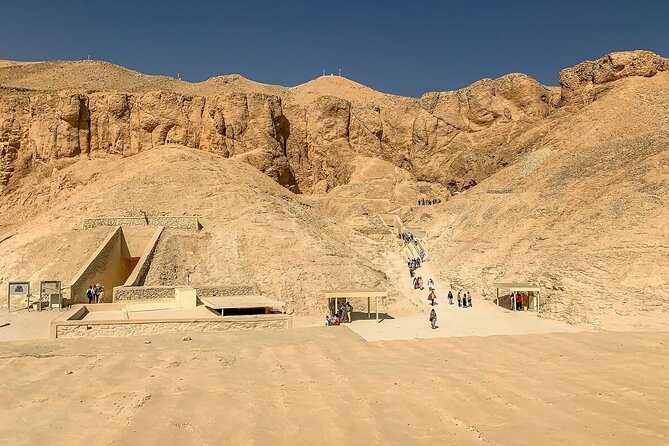
Luxor’s West Bank can feel like one long archaeology pile-up: tombs here, temples there, and a lot of names that blur together. The value of this tour is that it brings order. You start with where kings were buried, then you move to Hatshepsut’s grand mortuary temple, then you shift to queens’ burials and the village that supplied the labor behind the tombs. By the time you reach Medinet Habu, the whole story of New Kingdom power, belief, and craft starts clicking.
You’ll be in a private setup with your group, handled in an air-conditioned vehicle with bottled water. That matters because you’re not just sightseeing—you’re transferring between sites while the sun does its thing. And with hotel pickup, you avoid the morning scramble.
If you’re coming for “the big names” (Valley of the Kings, Hatshepsut, Memnon), you get them. If you care about how people lived, worked, and built these places, you get more than the usual postcard loop.
A few more Luxor tours and experiences worth a look
Valley of the Kings: tomb art you can finally interpret
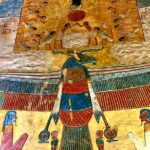
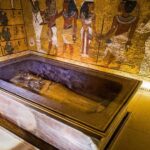
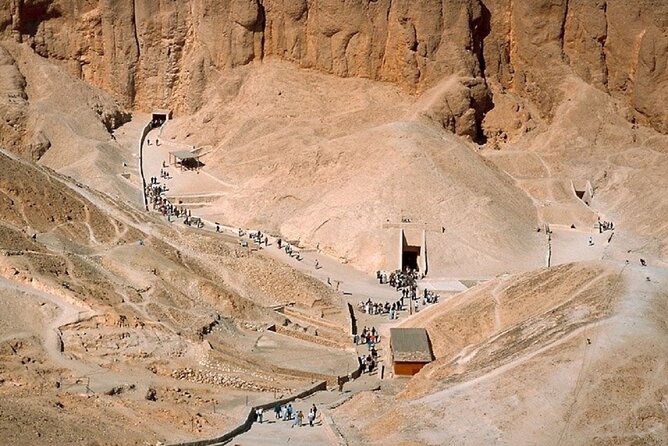
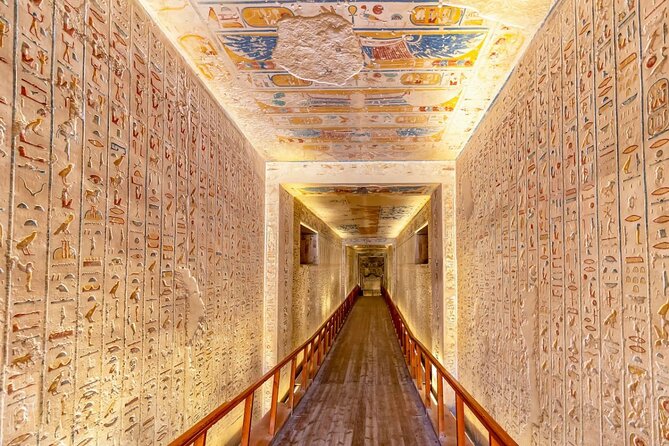
This is the start that sets the tone. The Valley of the Kings is where many New Kingdom pharaohs were laid to rest, and the tomb walls are covered with hieroglyphs and paintings tied to the afterlife. Standing in front of that artwork with an Egyptologist guide changes everything. It’s not just decoration—you start noticing themes: journeys, protection, transformation, and the logic of the scenes.
What I like here is that you’re given time to do more than just orbit the entrance. Your visit is scheduled for about 2 hours, which is usually enough to see multiple tomb interiors (depending on what’s open and what your guide prioritizes). You’ll want to listen closely, because the best details are often the ones that only make sense after someone explains the story the scenes are trying to tell.
Possible drawback: tomb interiors can feel crowded or tight, and light inside can be tricky. If you’re sensitive to enclosed spaces, keep that in mind. Also, this stop is one of the most popular, so you’ll enjoy the day more if you’re ready to focus instead of trying to treat it like a photo safari.
Temple of Hatshepsut at Deir el-Bahari: terraces and a queen’s message
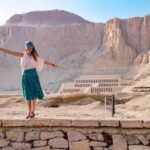
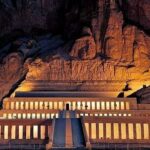
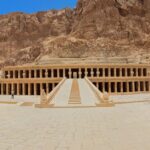
Next comes Deir el-Bahari and the Temple of Hatshepsut. Hatshepsut is one of Egypt’s rare female pharaohs, and her temple is designed to broadcast authority without apology. The site features a striking terraced structure—sloping levels that guide your eye upward—and it’s one of those places where architecture is part of the storytelling.
You’ll have about 2 hours here, which is the right amount of time for both the visual wow and the historical context. This is where your guide’s Egyptology really earns its keep. Once you understand why the temple was built the way it was, you start seeing choices: where the viewer is meant to stand, how the terraces frame the space, and how the mortuary setting connects to ideas of kingship and legitimacy.
The possible drawback is simple: this temple is dramatic, but it’s also exposed to the sun in places. Wear sun protection and go slow on the walkways. If you rush, you miss the geometry that makes the whole design work.
Valley of the Queens: serenity that shouldn’t be underestimated
After the grand scale of Hatshepsut, the Valley of the Queens feels calmer. This burial area—known as Ta-Set-Neferu, meaning place of beauty—was used for the wives and other royal women connected to New Kingdom rulers. It may not have the same fame as the Valley of the Kings, but it gives you a different angle on the same beliefs.
Your time here is about 1.5 hours. That’s enough to appreciate the setting and see how queens’ burials relate to royal power and status. I also like how this stop balances the day. Without it, you’d leave Luxor West Bank thinking it was only about pharaohs. With it, you get a fuller picture of who held roles in the royal world.
Possible consideration: because this is a shorter stop, you’ll want to stay present. If you spend time drifting or waiting for a perfect photo, you’ll feel rushed later in the day.
Deir el-Medina (Valley of the Artisans): the people behind the walls
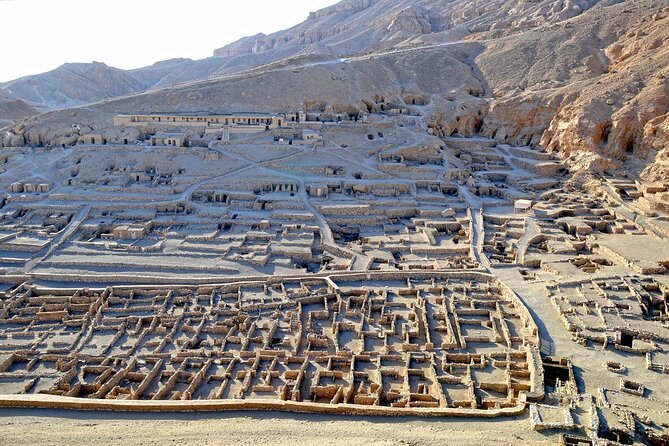
One of the best values in this tour is the inclusion of Deir el-Medina, the workmen’s village tied to the artisans who built and decorated the tombs. This is where the West Bank stops being only royal legends and starts including the working reality behind the art.
You’ll get about 1.5 hours here, and the site helps you imagine the daily routine of the people who supported royal burials—craftsmen, technicians, and others responsible for the details that make tombs feel alive. If you’ve ever looked at tomb paintings and wondered how so many scenes got made so carefully, this is the answer in human form.
Practical note: village remnants can be uneven underfoot and weather exposure is common. Wear shoes you trust. Also, don’t treat this as a quick add-on. The guide’s explanations are what turn it into the “aha” moment of the day.


Medinet Habu: Ramesses III and the battle scenes you can track
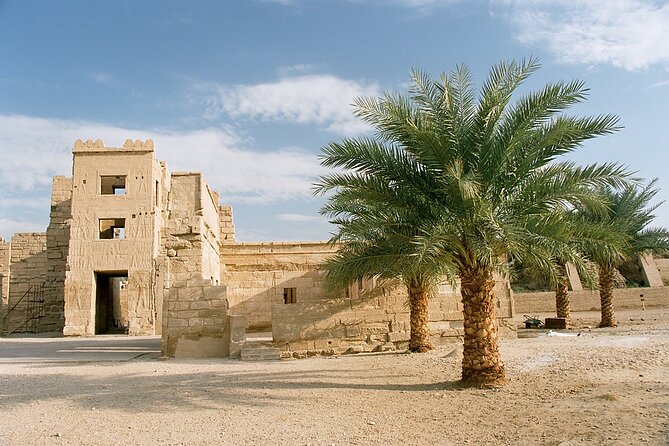
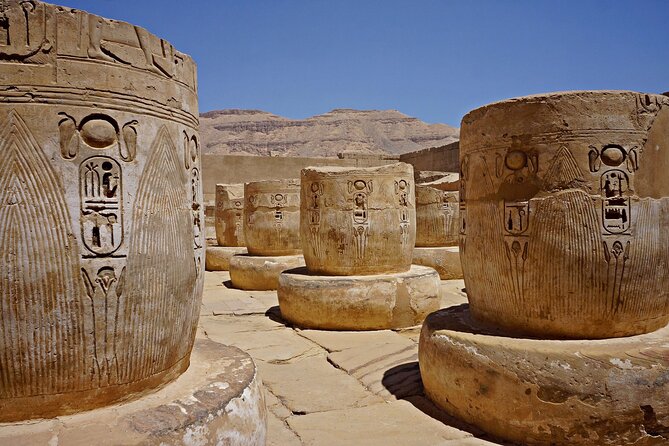
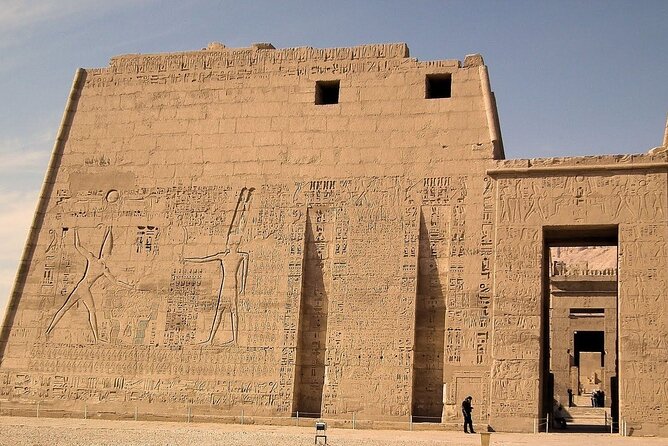
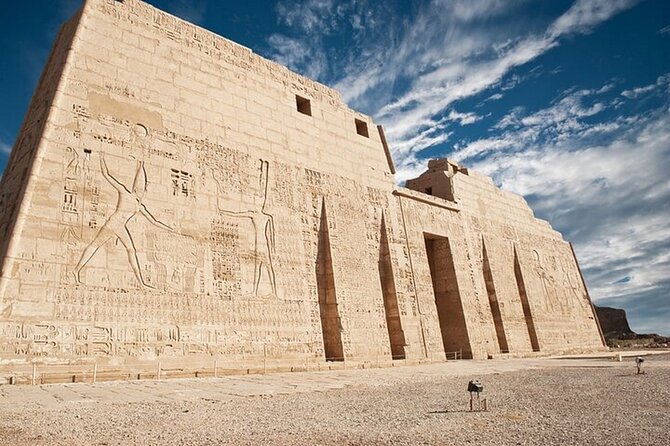
Next is Medinet Habu and the Temple of Ramesses III. This stop is especially good if you like narrative scenes—because you can learn how the temple’s carvings connect to royal campaigns and state power.
You’ll have about 1 hour here. That can feel short if you’re a slow reader of carvings, but with an Egyptologist guide it’s often just right. You can focus on the main areas and learn what to look for: how scenes are arranged, what the inscriptions are trying to communicate, and why a temple could function as both sacred space and political messaging.
The possible drawback: since it’s shorter, you’ll want to ask your guide questions while you’re there. If you wait until you’re leaving, you’ll lose the chance to clarify what you just saw.
Colossi of Memnon: a quick stop that still earns its spot
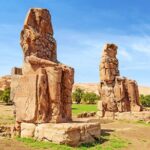
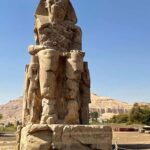
You’ll finish with the Colossi of Memnon, two massive stone statues of Pharaoh Amenhotep III. This stop is only about 30 minutes, and it’s listed as free admission, but don’t let the time fool you. These statues are iconic for a reason: scale alone makes them feel like guardians at the edge of an ancient temple.
I like ending here because it’s a breather. After hours of tombs and carvings, you get to step back and see monumental ruins in a more open setting. It’s a straightforward photo and perspective stop, and it helps you reset before the ride back toward Luxor.
Possible consideration: it’s brief, so if you want deeper temple exploration or extended photo time, you may feel it ends too fast.
Price and value: what $130 covers (and why it matters)
At $130 per person for an 8.5-hour private tour, you’re paying for a full package: hotel pickup and return, an air-conditioned vehicle, bottled water, an Egyptologist guide, and admission to all the ticketed stops. Taxes are included, and you get a mobile ticket. Tipping isn’t included.
Here’s why that pricing can be fair: the West Bank isn’t just one site. You’re getting multiple locations across several different kinds of places—royal burial areas, a queen’s temple, a queens’ valley, a worker village, and a major Ramesses III temple. The admissions plus guide time add up fast if you were booking everything separately.
Private matters too. Sharing with strangers can be a pain when sites are crowded and explanations get cut short. With a private setup, your guide can move at a pace that fits your interests, and you can ask more questions without guessing when you’ll get another chance.
If you’re traveling solo, the price might feel like a lot compared to a group bus tour. But if your priority is understanding and smooth logistics, this package tends to make more sense than doing the same sites piecemeal.
The guides: English help that turns monuments into stories
The strongest theme from guide experiences is clear communication and strong Egyptology. Names that come up often include Ahmed Emam and Ahmed Imam, and they’re described as easy to understand and expert in Egyptology, history, and reading ancient Egyptian.
What you should care about is this: at the Valley of the Kings and in places like Deir el-Medina, the guide’s explanations are what transform walls from images into meaning. You’ll start spotting recurring ideas across sites instead of treating each stop as a separate attraction.
You may also meet specific drivers mentioned with care and professionalism, like Sherif and Yusuf. A cautious driver and a clean, newer minivan can make a long day feel less stressful.
Tips to make your day smoother (no heroics required)
- Wear sun protection and bring a hat. West Bank sun can be relentless.
- Use comfortable shoes. Some paths and ruins areas aren’t perfectly even.
- Bring a small water plan. You get bottled water, but you’ll still want to pace your drinking.
- When you’re at a tomb or temple, ask one question right away. If you wait, the best answer will be behind you.
- Keep your phone storage ready for Colossi of Memnon. The open-sky scale makes it worth the extra photos.
And one small tactic: treat this day like a story with chapters. Start with kings, add queens, meet the workers, then end with Ramesses III’s narrative power. If you do that, the day feels less like walking between dots.
Who this Luxor West Bank tour fits best
This tour is a great match if you want:
- A structured West Bank day without figuring out transport between sites
- Egyptology explanations tied to what you see in front of you
- A mix of royal tombs and the artisan village that built them
- A private group experience with hotel pickup and A/C
It might be less ideal if you want lots of free time to roam without an agenda. The schedule moves, and each stop’s time is designed to keep momentum.
Should you book this West Bank day?
If your goal is to see the main monuments and also understand what you’re looking at, I’d say yes. The value is in the combination: multiple ticketed sites, a guide who can explain the meaning behind the art, and comfortable transport that respects the reality of a long day.
Book it if you like learning on your feet and you want a clean, logical route across the West Bank. Pass or consider a different format if you want a slow, open-ended day with lots of independent exploring time. For most people planning a first West Bank visit, this one-day structure hits the sweet spot.
FAQ
What sites are included on this Luxor West Bank tour?
The tour includes the Valley of the Kings, Temple of Hatshepsut at Deir el Bahari, Valley of the Queens, Valley of the Artisans (Deir el-Medina), and Temple of Medinat Habu, with a free stop at the Colossi of Memnon.
How long is the full-day tour?
It runs about 8 hours 30 minutes.
Is hotel pickup and drop-off included?
Yes. Pickup is offered from your hotel in Luxor and the tour returns you there.
Are entry tickets included?
Yes. Admission is included for the Valley of the Kings, Temple of Hatshepsut, Valley of the Queens, Valley of the Artisans (Deir el-Medina), and Temple of Medinat Habu. Colossi of Memnon is listed as free.
Is the tour private?
Yes. It’s a private tour/activity, and only your group will participate.
What transportation is provided?
You travel in an air-conditioned vehicle.
Is bottled water included?
Yes, bottled water is included.
Do I need to tip?
Tipping is not included.
What’s the cancellation policy?
Free cancellation is available up to 24 hours in advance for a full refund.
Do I need to choose a ticket format?
You get a mobile ticket. Confirmation is received at the time of booking.