REVIEW · LUXOR
4 Days Luxor, Edfu, Kom Ombo, Aswan,Abu Simbel Temples
Book on Viator →Operated by LuxorPrivateTour · Bookable on Viator
Four days in Upper Egypt can feel like sprinting—yet this route is built for clarity. You’ll see Luxor Temple, Karnak’s power, and the West Bank’s big hitters, then end at Abu Simbel for the early-morning Ramses II spectacle.
I like that this trip leans on a private, qualified Egyptologist guide (not just a driver) who can answer your questions as you go. I also like the practical value: 3 nights of hotel with breakfast, plus entrance fees and door-to-door air-conditioned transfers.
One thing to consider: Abu Simbel runs on a tough schedule, with an early 3:30 AM start. Add in the tight day-to-day pacing, and you’ll want comfortable shoes and a little patience for long transits.
In This Review
- Key highlights to know before you go
- How this Luxor to Abu Simbel route makes sense
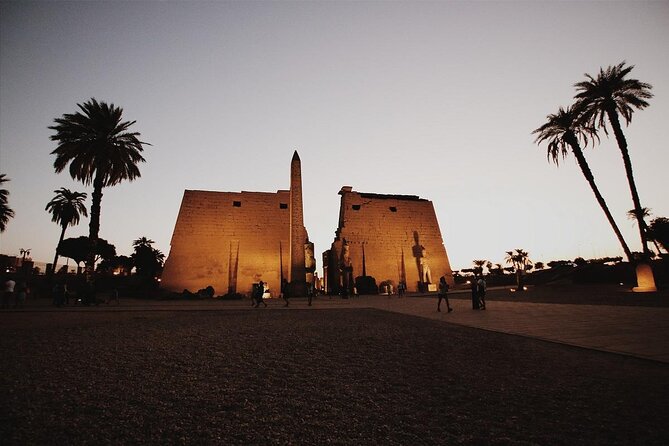
- Day 1 in Luxor Temple: a gentle start with real orientation
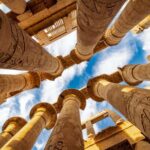
- Karnak and the West Bank: Valley of the Kings, Hatshepsut, Memnon
- Edfu and Kom Ombo: temple stops that feel different
- Abu Simbel at 3:30 AM: Ramses II and Nefertari in the same view
- Price and logistics: what $900 buys you (and where costs can sneak in)
- Who this Luxor–Edfu–Kom Ombo–Aswan–Abu Simbel tour fits best
- Should you book this 4-day Luxor to Abu Simbel tour?
- FAQ
- How long is the tour?
- Where do you get picked up and where do you end?
- What’s included in the price?
- What’s not included?
- What time do you leave for Abu Simbel?
- Are entrance tickets included?
- Is there a weather or cancellation rule?
Key highlights to know before you go
- Egyptology-trained guidance with time to ask questions (based on the way guides like Mohammed in Luxor and Asmaa in Aswan are described)
- Private A/C transfers for airport/train/hotel pickup and drop-off in Luxor and Aswan
- Entrance fees handled for the full 4 days, so you spend less time queuing and worrying
- West Bank day with major stops: Valley of the Kings, Hatshepsut’s temple, and the Colossi of Memnon
- Edfu + Kom Ombo in one smooth day: Horus’s temple and Kom Ombo’s unusual double focus
- Abu Simbel at dawn: you’ll be up early for Ramses II and Nefertari’s temples
How this Luxor to Abu Simbel route makes sense
This tour is designed around one simple goal: get you from Luxor’s temple cluster to Aswan’s skyline—then finish with Abu Simbel before the day fully wakes up. You’re not doing “Egypt in theory.” You’re doing the recognizable sites that most people don’t get to see unless they commit time and energy.
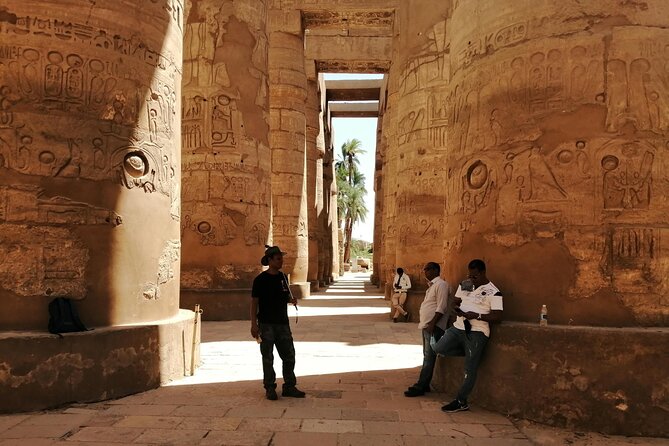
The big win is the rhythm. You start with Luxor Temple, then go for Karnak and the West Bank (where tombs and temples feel like two halves of the same story). After that, you head to Edfu and Kom Ombo, two temple stops that work well back-to-back because they sit along the Nile corridor. Finally, you take the early run to Abu Simbel, which is where timing matters most.
You’ll also notice the tour is built around private logistics: pickup, drops, and transfers are handled. That matters in Egypt, where being on the wrong schedule can turn a fun day into a stressful one. Here, you’re given a set structure and a coordinator to help keep things aligned.
A few more Luxor tours and experiences worth a look


Day 1 in Luxor Temple: a gentle start with real orientation
Your first day is all about settling in and getting your bearings. You’re met for pickup from Luxor airport and taken to your hotel in a private vehicle. Once you check in, a tour administrator handles the schedule and confirms your pick-up and drop timing for the next days—small thing, huge payoff when jet lag hits.
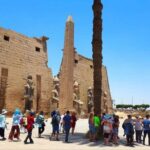
Then you head out for Luxor Temple, included with admission. Even if you’ve read about it before, seeing it in person gives you a sense of how Luxor functioned as a living religious center, not just a pile of carved stone. It’s a good “first temple” because it helps you connect what you’ll see later in Karnak and the West Bank.
You finish the day with a little comfort built in. There’s a free dinner at your lodge in Luxor, and the rest of the night is yours to relax. For a four-day itinerary, that matters. You need at least one evening where you’re not rushing to squeeze in one more stop before sleep.
Possible drawback: the pace is still forward-moving. Even with the easy first day, tomorrow is long and includes multiple major sites, so you’ll want to plan an early night.
Karnak and the West Bank: Valley of the Kings, Hatshepsut, Memnon
Day 2 is the heavy-hitter day. You start after breakfast, and you’re picked up to explore the West Bank around Luxor. This is where Egypt shifts from “wow architecture” to “how did they build this and why does it still feel powerful?”
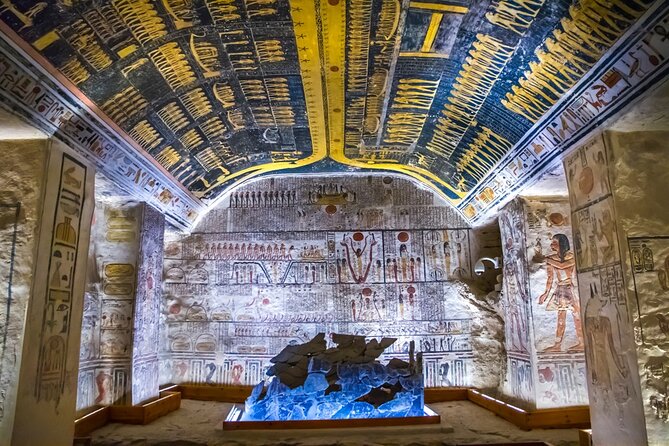
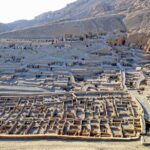
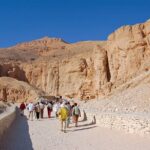
First comes the Valley of the Kings—home to New Kingdom royal tombs. You’ll see historical tombs of the kings, which is exactly why this stop is worth prioritizing. The valley layout helps you understand what the Egyptians wanted: permanence, protection, and a religious link to the afterlife.
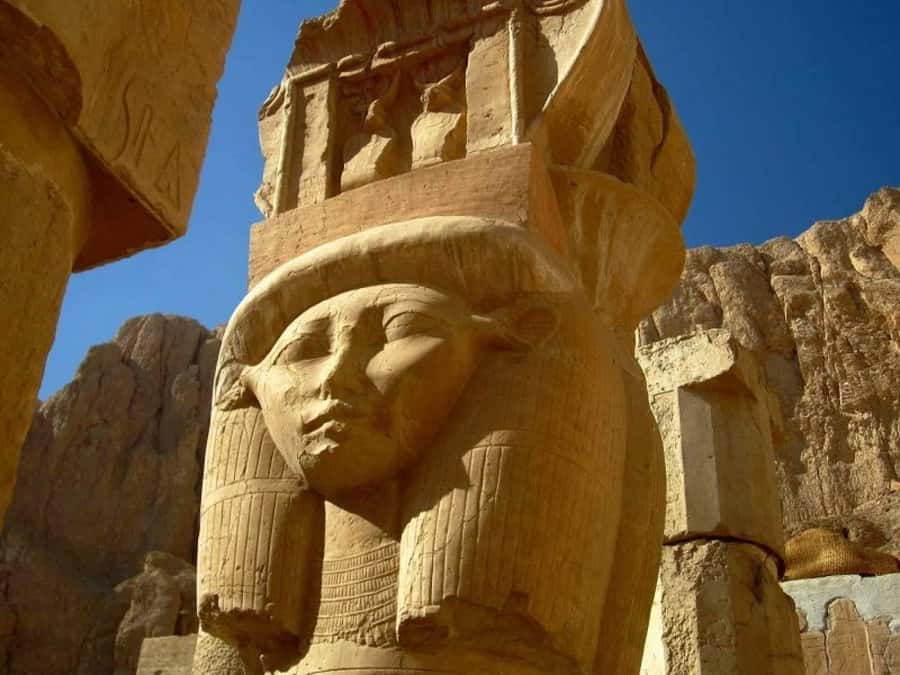
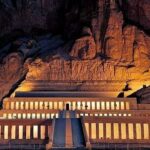
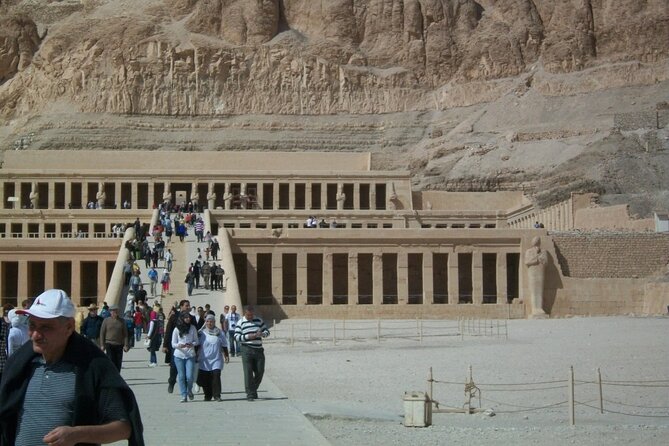
Next is Hatshepsut’s temple, highlighted as the only female temple in Egypt. In the tour description, you’re told it was built by Hatshepsut, daughter of Thutmosis I, during the 18th Dynasty. What I like about this stop is how it reframes the usual male-centered idea of ancient rulers. If you’ve always wondered where women fit into Egypt’s story, this is one of the most direct answers you can see in stone.
After that, you end with the Colossi of Memnon, described as the mortuary tomb of Amenhotep III. They’re recognizable from photos, but on-site you get a better sense of scale—huge figures that look like they belong to a different time unit than you do.
Logistically, this is a long day—about 7 hours on the schedule. You’ll want to wear comfortable footwear and carry water. There’s also time for lunch at a local Egyptian food spot, but the text doesn’t confirm it as included, so I’d treat it as your opportunity to eat rather than a guaranteed meal in the tour package.
Edfu and Kom Ombo: temple stops that feel different
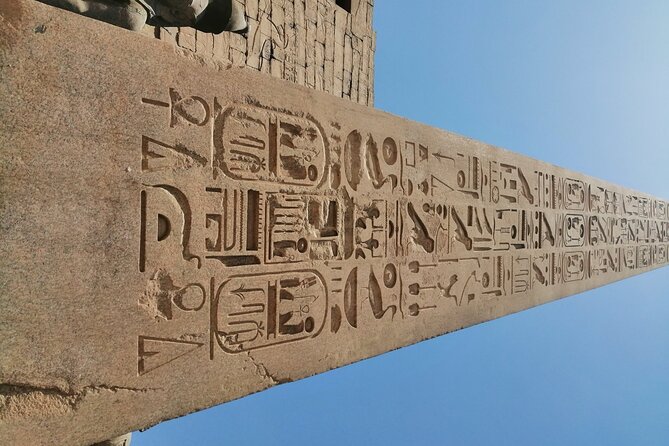
Day 3 shifts from the West Bank to the Nile corridor. You check out of your Luxor hotel after breakfast and then head out early for the first major temple: the Temple of Edfu.
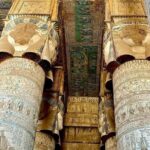
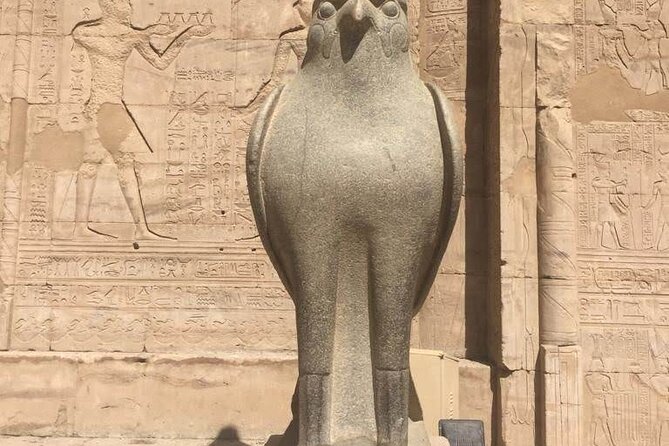
Edfu is described as one of the best-preserved cult temples in Egypt and the one dedicated to Horus. The tour frames it through the myth of Horus avenging Osiris by killing Seth. Whether you’re a myth person or a carvings person, this matters because it gives context for the symbols you’re looking at.
Then you drive to Koum Ombo (Kom Ombo), where you visit the Temple of Kom Ombo on higher ground overlooking the Nile. One of the standout details here is the temple’s difference from others: it has a double entrance, with each side dedicated to different divinities. You’re told one focus is Haroeris with his falcon head. It’s the kind of design choice that’s easy to miss if you’re rushing—so the presence of an Egyptologist guide pays off again.
This day runs about 10 hours. The plus is that you’re seeing two famous temples with distinct identities, not repeating the same style of stop twice. The potential downside is simple: it’s still a full day. If you like slow mornings, plan to treat this as your active day.
Abu Simbel at 3:30 AM: Ramses II and Nefertari in the same view
Day 4 is the reason people build their Egypt trip around this region. You’ll have breakfast, then check out in Aswan. The tour starts very early—transfer by private A/C van at 3:30 AM—to reach Abu Simbel.
Why so early? Because the site is one of those “timing is everything” places, and the tour is clearly structured for an efficient visit window. In the description, you’re also given origin context: the original site was known as Meha in ancient times, with rock-cut chapels documented in the 18th Dynasty by Ay and Horemheb.
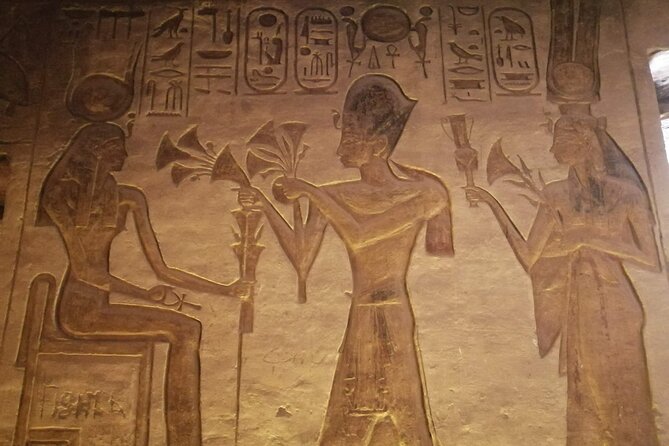
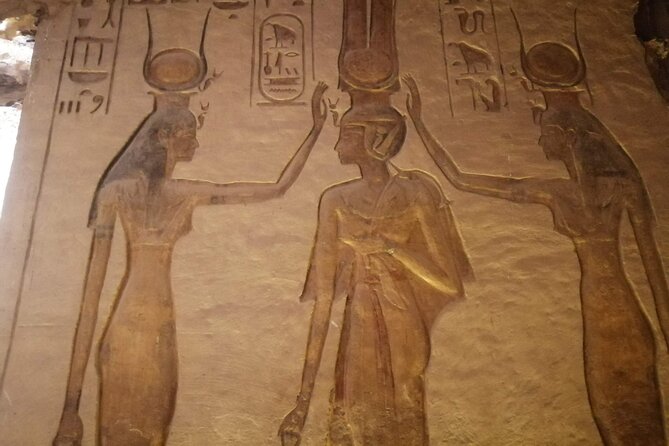
When you arrive, you tour Abu Simbel Temples, built by King Ramses II. You visit the first temple, the bigger one, dedicated to Rahorakhty, and the second temple, the smaller one, dedicated to Ramses II and his wife Queen Nefertari. Seeing the two together gives you a clearer sense of how power and devotion were paired in royal projects.
After your tour, you drive to Aswan airport to travel back to Cairo. That means you’re not lingering in Abu Simbel for extra sightseeing days. You’re getting the essential experience and then moving on.
Practical consideration: Abu Simbel days test your energy more than your walking speed. Plan for an early night and pack for cool-to-warm morning conditions. Even if you don’t know Egypt’s weather for that time of year, dawn departures can feel chilly before they feel hot.


Price and logistics: what $900 buys you (and where costs can sneak in)
At $900 per person, this is not the cheapest way to do Egypt’s “big names.” But it also isn’t the kind of bargain that leaves you holding the paperwork.
Here’s what the package explicitly covers:
- Accommodation for 3 nights at a hotel, with breakfast included daily (listed as 3 breakfasts)
- An escorted guide with an Egyptology degree
- Entrance fees for the sights across the 4 days
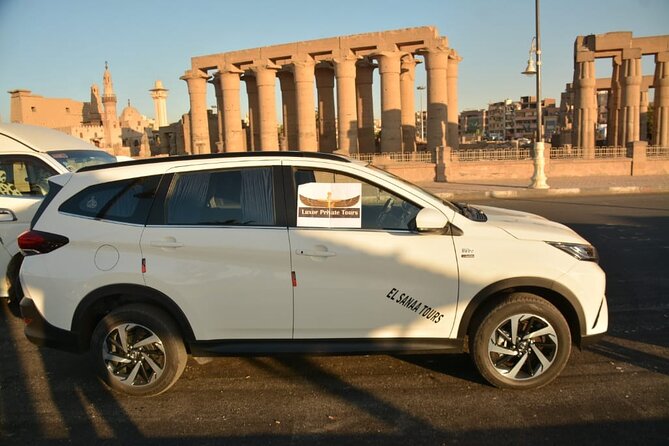
- Airport arrival and departure private A/C vehicles
- Pickup/drop-off from Luxor or Aswan airport, train station, or hotel (as applicable)
For me, the value of those inclusions is the stress reduction. Private transport plus confirmed ticket coverage typically means less time negotiating, less waiting, and fewer surprises mid-day. And because the tour is described as private with only your group participating, you’re less likely to feel like you’re being managed around strangers.
What’s not included is also clear:
- Tipping
- Extra service
So if you’re budgeting, treat tipping as an expected add-on. Also, because lunch isn’t spelled out as included, I’d plan for at least one or two meals that come from your own budget (even though Day 2 mentions lunch at a local Egyptian food place).
One more detail that can matter for couples or solo travelers: the tour offers pickup and drop-off support not just from one place, but from key points like hotels, airports, and train stations. That’s handy if your travel day is messy.
Who this Luxor–Edfu–Kom Ombo–Aswan–Abu Simbel tour fits best
This is a strong match if you want a guided route that hits the headline sites without needing to piece together logistics yourself. It also fits travelers who don’t want to treat Egypt like a series of stand-alone attractions.
I’d especially recommend it if any of these sound like you:
- You like having an expert guide who can explain what you’re seeing (Egyptology background is part of the deal)
- You want private transfers and don’t want to time-travel between stations and meeting points
- You want the full sweep: Luxor Temple, Karnak, West Bank tombs and temples, then Edfu and Kom Ombo, then Abu Simbel
- You’re short on time and still want the major Upper Egypt experiences
The trip also seems popular for first-timers who appreciate structure. In the feedback attached to this provider, there’s repeated praise for the organizer’s responsiveness and the guides’ professionalism, including names like Ashraf, Ahmed, Mohammed (Luxor), and Asmaa (Aswan). Even when you’re not in a group of “regulars,” that kind of consistency is what you want.
If you’re the type who prefers long unstructured days, be aware this is a schedule-first tour. You’ll be moving a lot, and you’ll want to work with it rather than against it.
Should you book this 4-day Luxor to Abu Simbel tour?
Yes—if you want an organized, guided Upper Egypt route that ends with Abu Simbel and you don’t want to micromanage the details. The combination of hotel stay, breakfast, entrance fees, and private A/C transfers makes the $900 feel more reasonable than it might at first glance.
I’d skip it if early mornings wreck your mood or if you hate fixed schedules. Abu Simbel’s 3:30 AM start is the big “make-or-break” factor. If you can handle that, you’re set up for one of the most dramatic finishes Egypt has to offer.
FAQ
How long is the tour?
The tour is listed as 4 days (approx.).
Where do you get picked up and where do you end?
You start in Luxor (pickup from Luxor airport is mentioned) and end with a drive to Aswan airport after visiting Abu Simbel, for travel back to Cairo. Pickup/drop-off from airport, train station, or hotel in Luxor or Aswan is included.
What’s included in the price?
Included items are 3 nights hotel accommodation with breakfast (3), a degree-qualified Egyptology guide, entrance fees for the sights, and private modern air-conditioned vehicles for arrival and departure.
What’s not included?
Tipping and extra service are not included.
What time do you leave for Abu Simbel?
The tour starts at 3:30 AM from Aswan by private A/C van to reach Abu Simbel.
Are entrance tickets included?
Yes. The included section states entrance fees for all sight seen for the 4 days. The daily descriptions also list admissions as included/free for specific days.
Is there a weather or cancellation rule?
The experience requires good weather. If it’s canceled due to poor weather, you’ll be offered a different date or a full refund. Free cancellation is available up to 24 hours in advance for a full refund.