REVIEW · LUXOR
Luxor Day Tour Visit Dendara And Abydos Temples
Book on Viator →Operated by Egypt Tours Online · Bookable on Viator
Temple day, but not a slow one.
This Luxor trip works because it squeezes two of Egypt’s big temple experiences into one efficient outing: the more religiously intense Abydos sites (Seti I, Ramses II, and the Osireion area), plus the color-preserved Temple of Hathor at Dendara, famous for keeping its original painted feel. Two things I like a lot: the plan includes a guide with history commentary, and the day is organized with private A/C transportation plus entry fees so you’re not stuck negotiating tickets between stops. One thing to watch: it’s an early, packed day, and the quality of the experience can hinge on whether you get a guide with strong Egyptology knowledge and clear English.
If you’re coming from Cairo, the overall concept is round-trip by plane with airport transfers arranged; once you’re in Luxor, the driving leg is handled for you. It’s built for people who want major ancient sites in one shot, not for those who want long breaks and zero rushing.
In This Review
- Key highlights worth prioritizing
- How this Luxor day works: private temples, timed tightly
- Pickup, transfers, and the “easy button” factor
- Stop by stop: what you’re really seeing
- Abydos: Osiris, Seti I, and why the walls feel different
- Ramses II: preserved scenes and a “builder’s signature”
- Dendara: the Temple of Hathor and those colors
- The guide can make or break your day
- Price and value: is $75 a fair deal?
- Logistics you should plan for: what to bring and how to stay sane
- Should you book this Luxor Abydos and Dendara temple day?
- FAQ
- FAQ
- What is the duration of the Luxor day tour to Dendara and Abydos?
- How much does the tour cost per person?
- What stops are included on this day trip?
- Is hotel pickup and drop-off included?
- Are guide services included?
- Are entry fees included?
- Is lunch included?
- Does the tour include flights from Cairo?
- Is this a private tour?
- What documentation is needed at booking?
- What happens if I cancel?
Key highlights worth prioritizing
- Dendara’s painted Temple of Hathor is a top reason to come, with color still visible on reliefs
- Abydos temples connected to Osiris focus on the underworld mythos and show some of Egypt’s best-preserved wall scenes
- Seti I + the Osireion area gives you a strong sense of how old worship landscapes were layered
- Private, air-conditioned transport keeps the long temple day more comfortable (and easier to manage)
- Entry fees are covered for key areas, but it’s noted as basic area only, depending on the option
How this Luxor day works: private temples, timed tightly
This is a structured, single-day plan centered on temples—Abydos first, then Dendara—so you can cover serious ground without doing logistics yourself. The day runs about 10 hours, and you’ll have hotel or Nile cruise pickup, then private transport between sites in Luxor and out toward Abydos.
Timing matters here. The start time in the details says 6:00am, while the trip flow you’re given mentions pickup around 7:00am. That mismatch is common with multi-part operators, so I’d treat this as a “heads-up” to confirm the exact pickup time once you book. Either way, you should plan for an early start and a day that keeps moving.
It’s also described as a private tour/activity, meaning it’s for your group only. That matters because temple visits go smoother when you’re not trying to herd ten different attention spans through tight areas.
You can also read our reviews of more tours and experiences in Luxor.
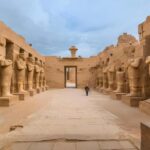

Pickup, transfers, and the “easy button” factor
One of the most practical strengths of this experience is how it tries to reduce decision fatigue. You get hotel pickup and drop-off, and the transport within Luxor is handled by a private A/C vehicle (latest model is stated). That’s not glamorous, but it’s the kind of comfort that makes a temple day feel less like homework.
You’ll also be given snacks and bottled water during the day, plus lunch is listed as optional (not automatically included). For long temple days, this is worth paying attention to. Temple tours can run warm, and your motivation drops fast if you’re hungry or dehydrated.
Where the “from Cairo” part comes in: the tour overview is written as a one-day plan that can include getting to Luxor and back by plane, with airport transfers handled. Since the inclusions you’re shown emphasize Luxor pickup/drop-off and private A/C transfers, I’d treat the flight component as part of the package concept that depends on the option you select at booking.
Stop by stop: what you’re really seeing
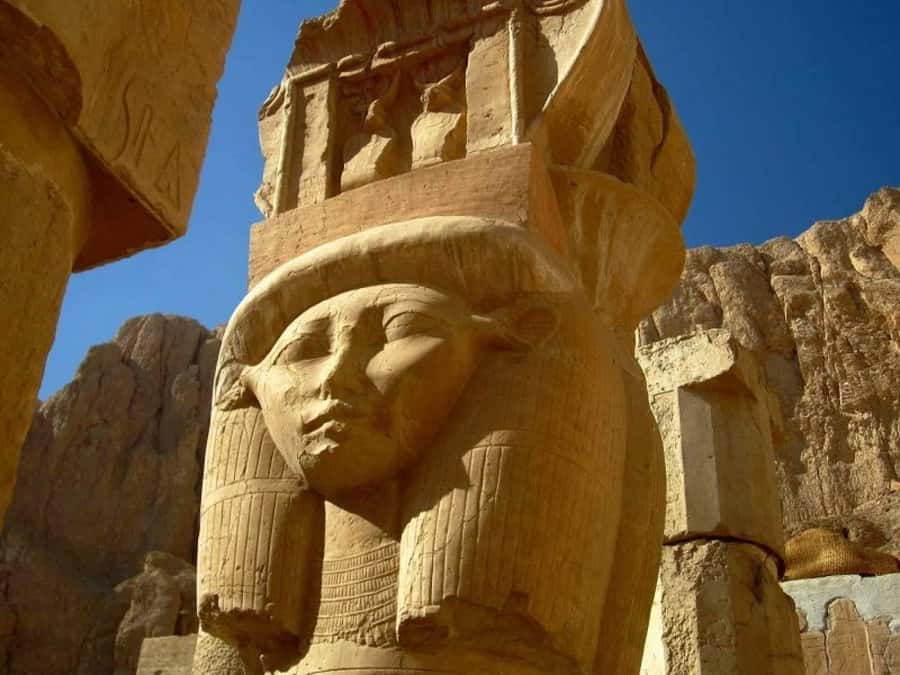
Abydos: Osiris, Seti I, and why the walls feel different
Abydos is where the day turns from “pretty temple photos” into something more myth-and-meaning heavy. The temple focus here is tied to the Ancient Egyptian underworld belief system. You’re starting with Abydos Temple, then moving through key areas associated with major pharaoh builders and the Osiris-linked story.
At Abydos Temple, the day is framed around the god connected to the underworld, and you’ll spend about 2 hours there. The time allocation is helpful because you don’t just rush through doorways—you get a chance to read the space. Even if you don’t read hieroglyphs, a good guide helps you notice how the scenes repeat the same worldview over and over: gods, kings, offerings, and the promise of continuity.
A key name you’ll hear is Seti I, followed by Ramses II. The day includes a specific stop for Ramses II’s associated temple area (about 1 hour), and another for the Great Temple of Seti I (also about 1 hour).
The most interesting detail here is what’s at the rear area of the Seti I temple complex: the Osireion is mentioned directly. That’s the kind of site that makes you slow down, because you can feel how the Egyptians turned a “myth” into a physical sacred place.
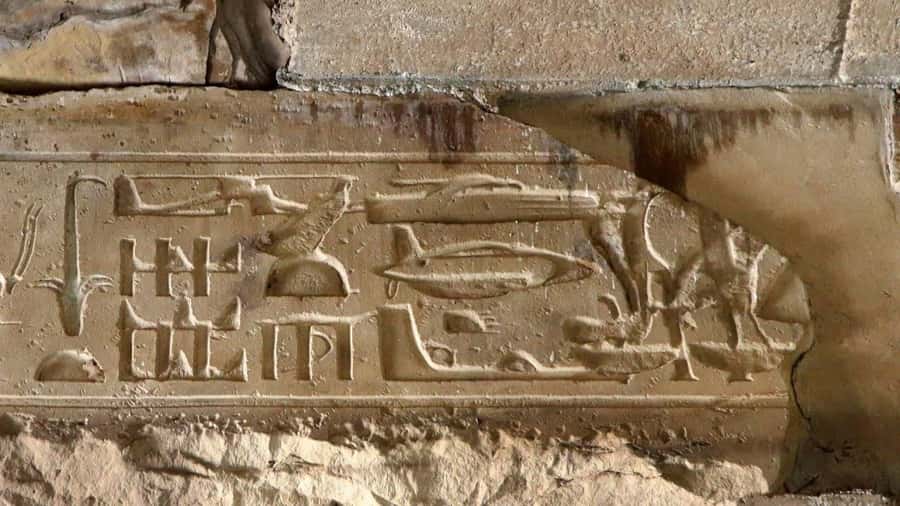
Also, the Seti I stop includes the famous Abydos graffiti—ancient Phoenician and Aramaic graffiti found on the temple walls. This is a reminder that these temples were not sealed museum pieces; they lived on in later eras through visitors and prayers, leaving traces.
Ramses II: preserved scenes and a “builder’s signature”
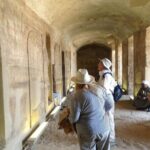
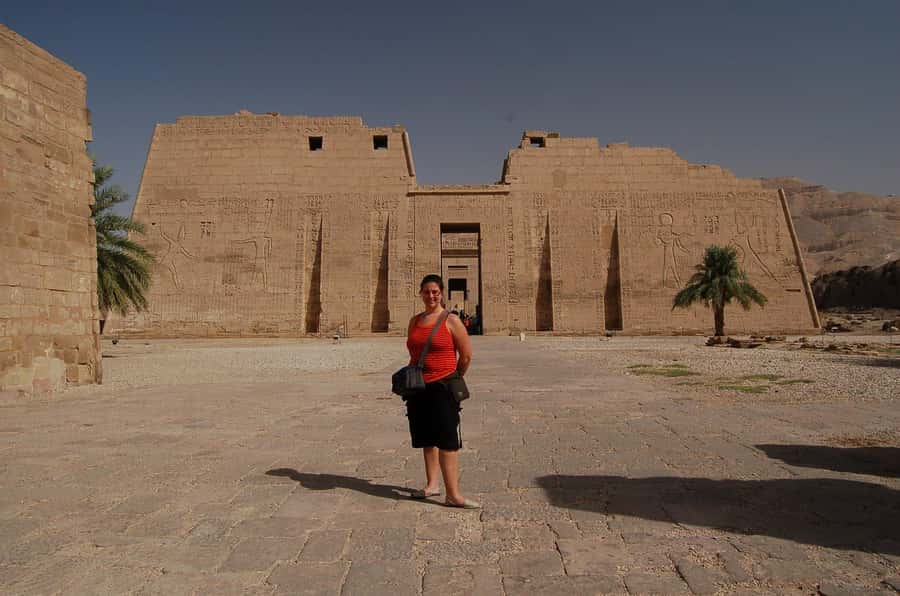
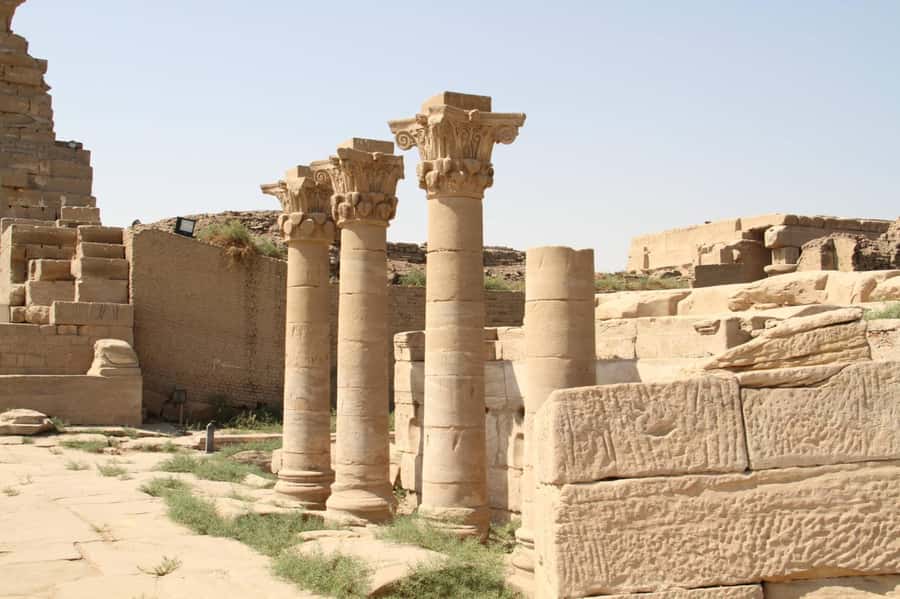
The Ramses II temple stop is focused on the wall paintings of gods and pharaohs at Abydos, described as among the most beautifully preserved in Egypt. In practical terms, that means you get a strong chance to see how art style and royal propaganda worked together.
You’ll likely get about 1 hour here, with entry fees included for that stop. With a good guide, this is where you’ll understand why the carvings matter beyond aesthetics—how the king is linked to divine order, and how myth becomes political authority.
The downside of a tight schedule is that one hour can feel short if you love architecture or want to linger. But the overall plan compensates by giving the Seti I areas additional time.
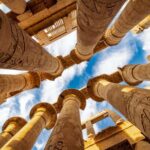

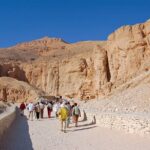
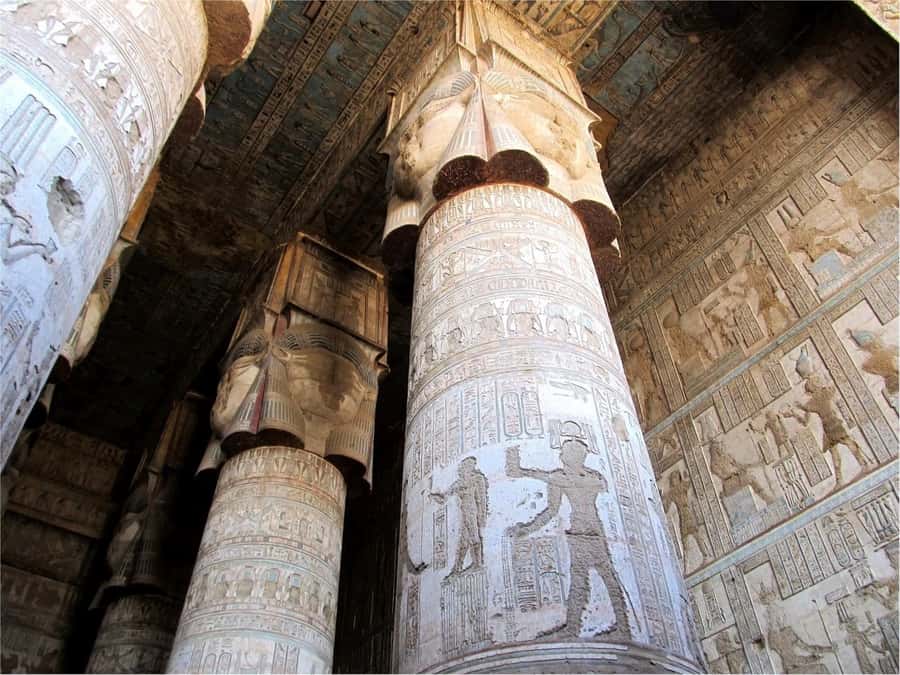
Dendara: the Temple of Hathor and those colors
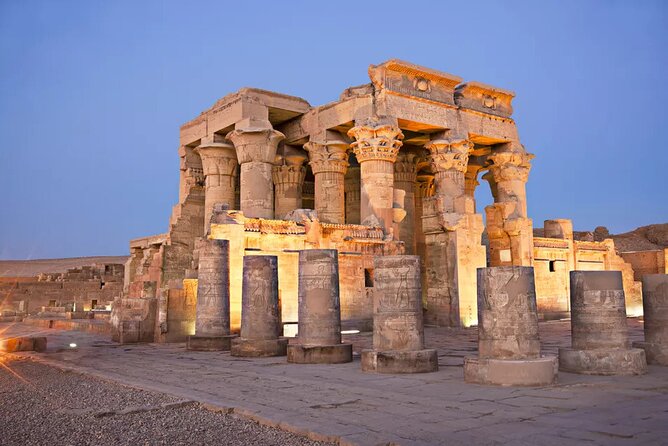
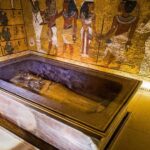
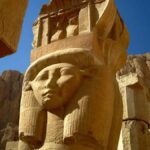
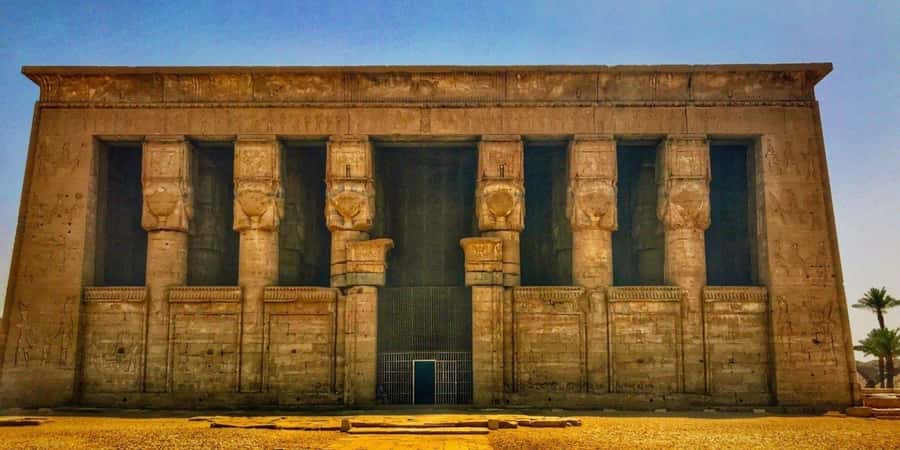
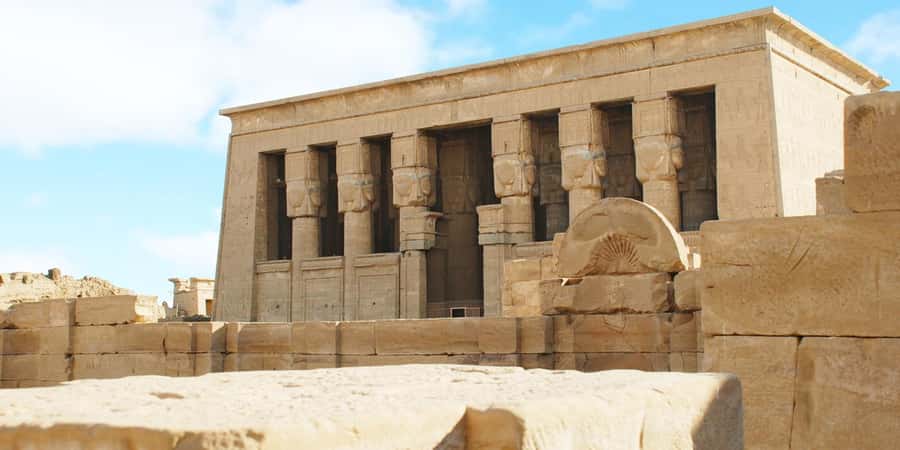
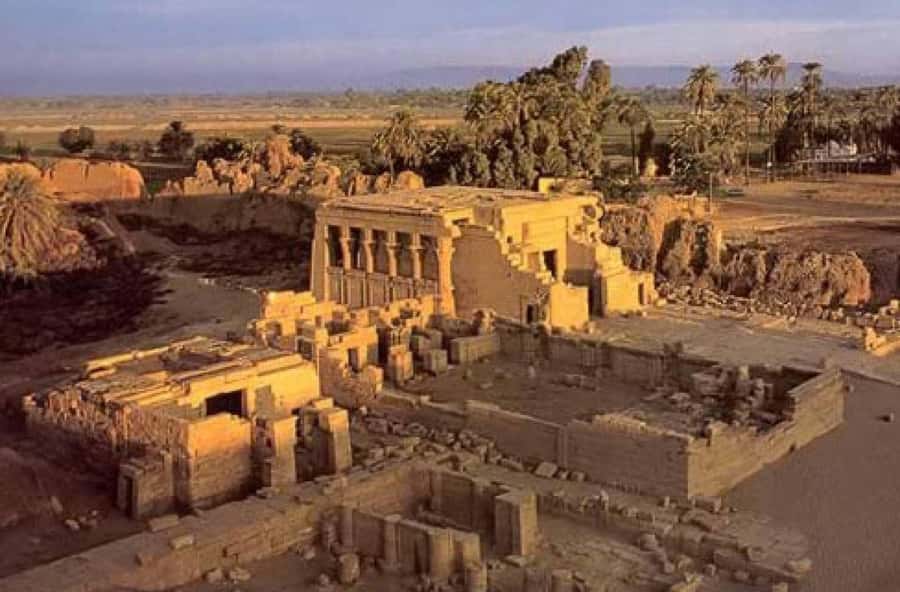
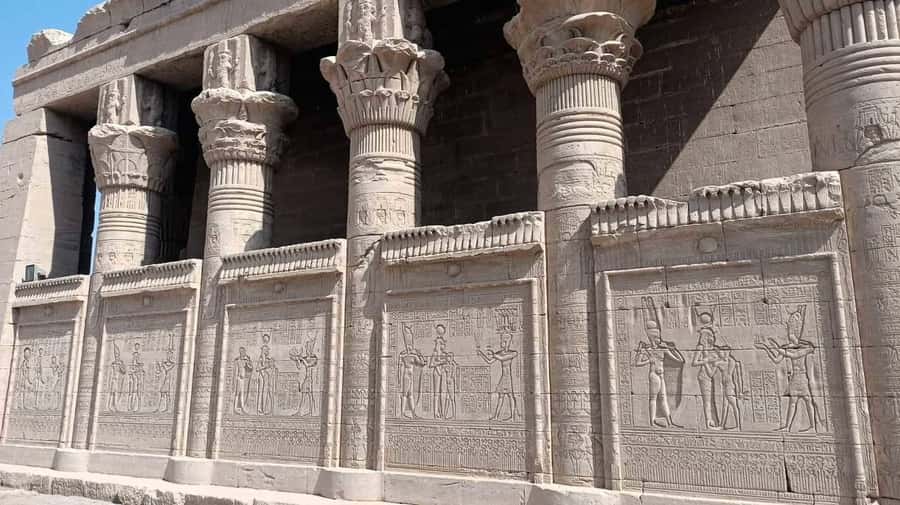
If Abydos is the spiritual “story engine,” Dendara is the visual reward. The day includes stops linked to Temple of Hathor at Dendara, described as one of the best-preserved temples in Egypt, with full color still visible on walls and reliefs.
You’ll hear Dendera positioned as north of Luxor, and the schedule frames Dendara as a key ending portion of the trip (with the day’s return to Luxor happening around 17:00). That matters because it keeps your best “wow” sights closer to the end—less time for fatigue to fully drain the magic.
The tour flow includes two Dendara-related entries: a Dandarah stop (about 1 hour) and then Dendera Temple of Hathor (about 1 hour). One of them is marked as admission ticket free, and the other is listed with admission included, but either way, you’re spending time at the Temple of Hathor complex.
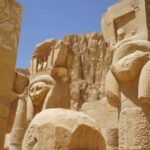
The religious framing is clear: Hathor is the goddess of love and joy, and the temple is tied to her cult. If you like places where symbolism is carved as much for meaning as for decoration, Dendara is the kind of temple that keeps giving you details—columns, painted reliefs, and scenes that make you feel like you’re reading a story in stone.
One more practical note: Dendara’s “looks so well kept” reputation is exactly why this stop can feel unusually satisfying compared to temples where the colors have faded. Even without a degree in Egyptology, you’ll likely catch the difference.
The guide can make or break your day
This tour leans heavily on the quality of the guide. The concept promises commentary from an Egyptologist guide, and that’s what turns a list of temples into a narrative you can actually follow.
In feedback tied to this experience, guide names like Sam and Ahmed show up, and the standout praise is about explanations that are easy to understand. When the guide can explain the logic of sacred spaces—how a temple relates to Osiris, or why specific scenes appear where they do—the day feels coherent.
On the flip side, there’s also negative feedback around guides with limited English or limited knowledge, including one complaint that the guide was not an Egyptologist. Another negative note claims unsafe driving and misleading behavior.
I can’t control which guide you’ll get. But you can control how you prepare: go in with curiosity, and if your guide is struggling, ask simpler questions. For example: What is the site’s main purpose? Who built it? What do the scenes represent? A strong guide can answer fast. If you’re not getting clear answers, that’s your cue to adjust expectations and focus more on what you can see.
Price and value: is $75 a fair deal?
At $75 per person, the value here depends on what’s actually included in your exact booking option—but the stated inclusions are strong on the fundamentals: tour guide, hotel pickup/drop-off, private transport in an A/C vehicle, and entry fees.
You’re also getting bottled water and snacks, and lunch is optional rather than included. That’s a trade-off. If lunch is on you, budget a bit extra so you don’t end up buying snacks twice: once from your tour and again because you’re still hungry.
For the temples involved, the value improves if:
- you’re saving time by not arranging your own transport and tickets
- you actually use the guide commentary (because it’s the “multiplier” that turns entry fees into understanding)
- you appreciate being moved efficiently between Abydos and Dendara
If your priority is flexibility and unhurried wandering, you may feel the schedule is tight. But if you want maximum temple coverage with minimal logistics, this price level can make sense.
Logistics you should plan for: what to bring and how to stay sane
This is a long day with early pickup and multiple temple stops. You’ll enjoy it more if you treat it like a temple day workout.
Bring:
- comfortable shoes for uneven stone and lots of walking
- a light layer (temples can be cooler in shade, and mornings can be chilly)
- sun protection (the exterior parts of the day are sun-prone)
- water and snacks are provided, but having a little extra can save you
Also note the practical rule about documentation: you’ll need a copy photo from your passport during booking, and you should update it through the process when requested. That’s not glamorous, but it prevents last-minute delays.
Finally, there’s a detail that matters for expectations: entry fees are described as basic area only, and it can vary depending on tour options. So if you’re planning around very specific sections of a complex, confirm what areas are covered for your chosen option.
Should you book this Luxor Abydos and Dendara temple day?
Book it if:
- you want a private, guided temple day with transport handled
- you care about the big names and big ideas: Seti I, Ramses II, Osiris-linked spaces, and Dendara’s Hathor temple
- you’re happy with an early start and a packed schedule
Skip it or think twice if:
- you prefer slower travel with lots of downtime
- you’re worried about guide quality and want ultra-detailed, question-friendly Egyptology explanations on every stop
- you’re especially sensitive to driving comfort and want a guaranteed-safe, low-stress route (because there are negative notes about this aspect)
FAQ
FAQ
What is the duration of the Luxor day tour to Dendara and Abydos?
The tour lasts about 10 hours (approx.).
How much does the tour cost per person?
The price is $75.00 per person.
What stops are included on this day trip?
It includes Abydos Temple and additional Abydos temple stops (including areas linked to Ramses II and Seti I), plus Temple of Hathor at Dendara.
Is hotel pickup and drop-off included?
Yes. Pickup is offered from your hotel or Nile cruise area, and the tour includes drop-off back in Luxor.
Are guide services included?
Yes, a tour guide is included.
Are entry fees included?
Entry fees are included, but the details note that entry fees include the basic area only and can depend on the tour options chosen.
Is lunch included?
Lunch is listed as optional, while snacks and bottled water are provided to keep you energized.
Does the tour include flights from Cairo?
The overview states the trip is arranged from Cairo with round-trip transportation by plane and airport transfers, depending on your booking option.
Is this a private tour?
Yes. It is described as a private tour/activity, with only your group participating.
What documentation is needed at booking?
You need to provide a copy photo from your passport during the booking process.
What happens if I cancel?
Free cancellation is available up to 24 hours in advance for a full refund.