REVIEW · GIZA
Giza pyramids and the Egyptian museum
Book on Viator →Operated by Ankhtours · Bookable on Viator
Pyramids plus King Tut, no taxi circus. This Egyptologist-led Giza day turns two of Egypt’s biggest hits into one smooth route: three pyramids on the plateau, the Great Sphinx, and then King Tut’s famous treasures inside the Egyptian Museum. I like the way guides bring the stones to life, and the track record here is strong—Catherine and Katy (plus drivers like Moustefa/Mustafa) show up praised for being punctual, kind, and able to answer real questions.
The main thing to watch is practical budgeting: the price covers transportation and a guide, but entrance fees and lunch aren’t included. If you’re the type who likes to keep spending totally predictable, set aside extra time and cash for sites and a meal stop.
In This Review
- Key Highlights at a Glance
- The Value: Why This Giza + Museum Day Is Worth It
- Door-to-Door Pickup Means You Can Travel Lighter
- Giza Plateau Stops: Three Pyramids, Sphinx, and the Valley Temple
- Seeing Three Pyramids Instead of One
- The Great Sphinx: More Than a Famous Face
- Valley Temple: The Mummification Connection
- Egyptian Museum Time: King Tut’s Golden Treasures and Real Artifacts
- How an Egyptologist Changes Museum Viewing
- Museum Pace: Where You Might Feel the Time Crunch
- What’s Included vs. What You’ll Need to Pay
- Lunch: Plan for a Meal Break
- Guide Quality Is the Real Differentiator Here
- Price and Logistics: How to Judge This Deal Like a Local
- Timing, Weather, and Staying Comfortable
- Who This Tour Suits Best
- A Helpful Booking Checklist Before You Go
- Should You Book This Giza Pyramids + Egyptian Museum Tour?
Key Highlights at a Glance
- Egyptologist explanations that help you understand what you’re actually looking at
- Hotel transfers + chauffeured vehicle, so you don’t juggle taxis or carry bags all day
- Three pyramids + Great Sphinx + Valley Temple, packed into one organized day
- Egyptian Museum time focused on major artifacts, including King Tut’s treasures
- Mobile ticket for less hassle once you arrive
- Highly rated guides (Catherine, Katy, Katharina, and Kathryn come up often) plus standout drivers like Moustefa/Mustafa
The Value: Why This Giza + Museum Day Is Worth It
At first glance, “pyramids and museum in one day” can sound like a crowded bundle of must-dos. Here’s the difference: you’re not doing it by yourself through a chain of taxi rides and repeated “where are we going next?” moments. You get a chauffeured setup plus an Egyptologist guide, which is where the real value lives.
Let’s talk money for a second. The tour is priced at $86.42 per person for about 5 to 8 hours, with transportation and the guide included. Entrance fees and lunch are not included, so you should budget extra for those. Even so, you’re likely saving time and stress—especially if you’re staying in Cairo or Giza and don’t want to manage logistics across multiple locations.
What you’re really buying is time efficiency. Giza is spread out. The museum is a different vibe entirely. This tour stitches it together so you can move with purpose rather than randomly.
You can also read our reviews of more museum experiences in Giza
Door-to-Door Pickup Means You Can Travel Lighter
This is one of those “small detail, big payoff” arrangements. The tour includes pickup (from Cairo or Giza hotels) and uses your own vehicle for the day. That matters because Giza is a long day under the sun, and you don’t want to haul water, hats, phones, and bags from stop to stop.
The pitch is clear: you can keep your stuff in the car instead of dealing with it at every checkpoint. That alone can make the day feel calmer and more enjoyable, especially if you’re doing photos and quick walks.
Also, because the tour is guided, you spend less time negotiating with drivers or trying to interpret what entrance or path goes where. You still need to be alert—this is a famous site with crowds—but you’re not starting from zero.
Giza Plateau Stops: Three Pyramids, Sphinx, and the Valley Temple
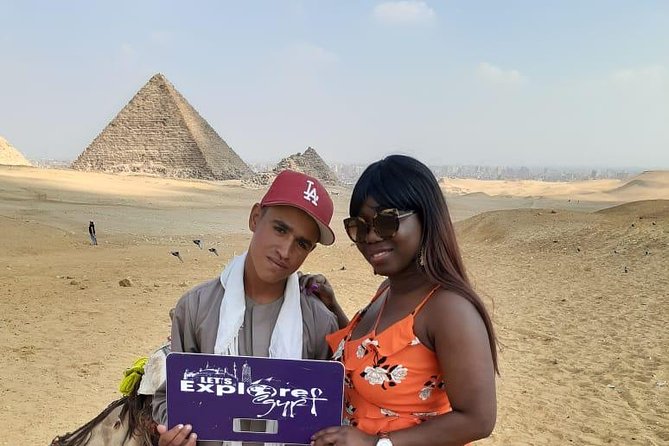
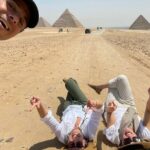
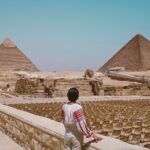
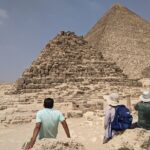
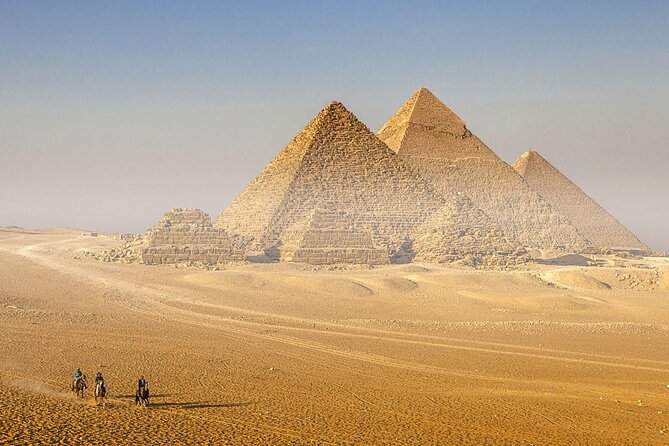
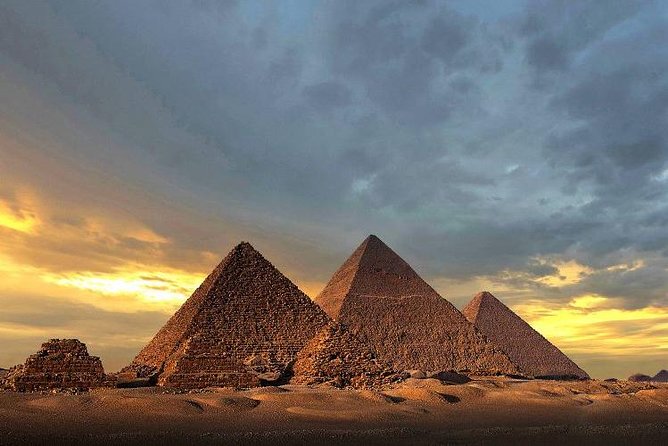
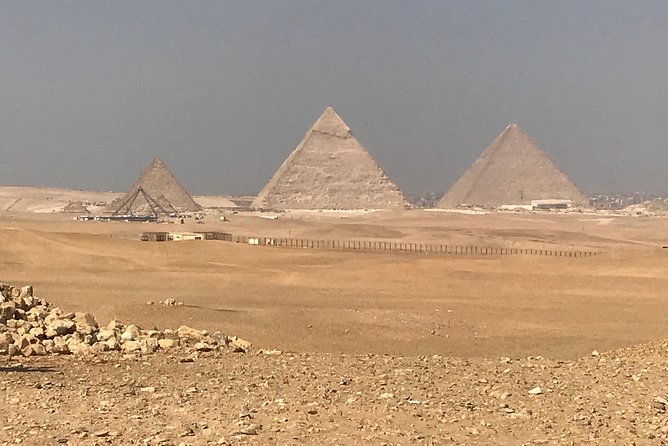
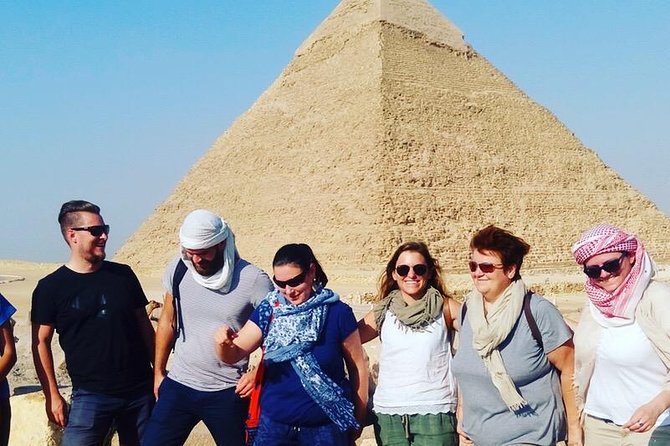
Your Giza time is designed around a classic sweep of the plateau. You’ll visit three pyramids on the Giza Plateau, then continue to meet the Great Sphinx and the Valley Temple (the temple connected with mummification activities).
Seeing Three Pyramids Instead of One
If you’ve only ever seen one pyramid from a postcard angle, the shift is instant. Each pyramid has a different silhouette, scale, and “feel” when you’re standing close enough to sense the construction effort. With three stops, your brain starts comparing form and layout instead of just staring.
A good guide makes this matter. An Egyptologist won’t just point and say pyramid. They’ll help you understand why these structures were placed where they were and what you’re looking at from different vantage points. That’s the kind of context you remember long after the photos.
The Great Sphinx: More Than a Famous Face
The Sphinx can feel oddly personal in person. It’s huge, weathered, and it sits there like it’s been waiting for you forever. Your guide’s job is to give you the “why it matters” layer, not just the “it’s old” layer.
The best part is that you’re not rushing past it. You have time in the route to stop, look, and ask questions—something repeatedly praised in the reviews for guides like Catherine and Katy.


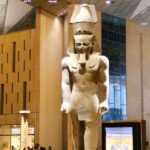
Valley Temple: The Mummification Connection
The Valley Temple is easy to overlook if you’re doing a casual self-walk. In this tour, it’s part of the route, which means it gets the explanation it deserves.
Even if you’re not a museum-nerd, this stop helps you connect the pyramids to the broader story: the site wasn’t just a monument. It was part of a whole ritual system. That makes the plateau feel less like random giant shapes and more like a designed complex.
Egyptian Museum Time: King Tut’s Golden Treasures and Real Artifacts
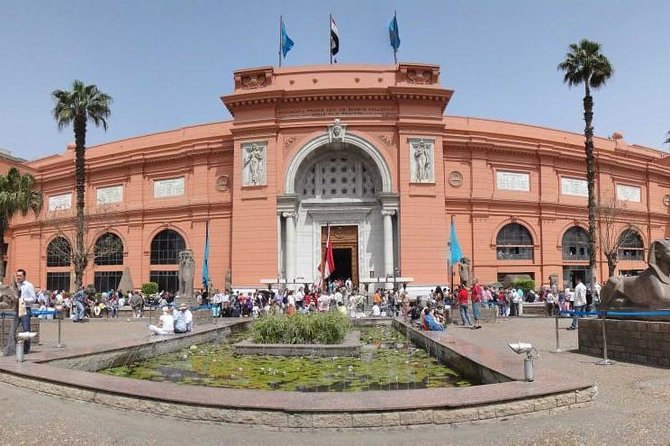
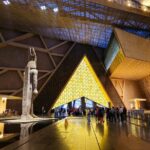
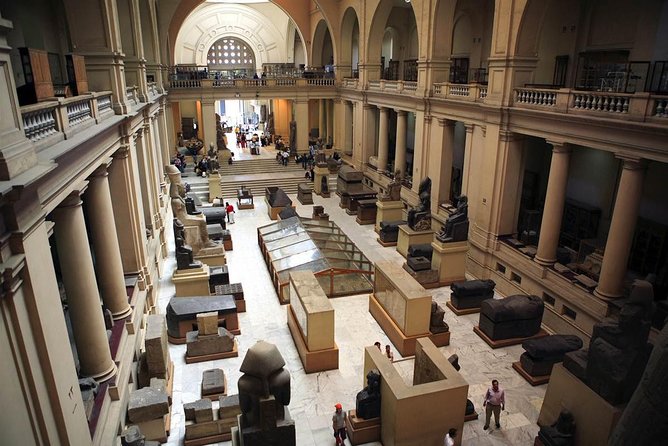
After the plateau, you shift from outdoor monuments to the Egyptian Museum. This is where the day can either feel like “second location, same story,” or it can feel like a big payoff. Done right, it becomes the moment where the pyramids stop being just scenery.
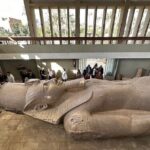
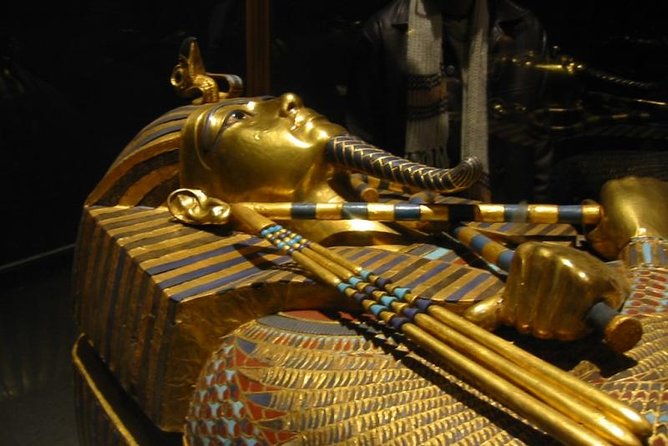
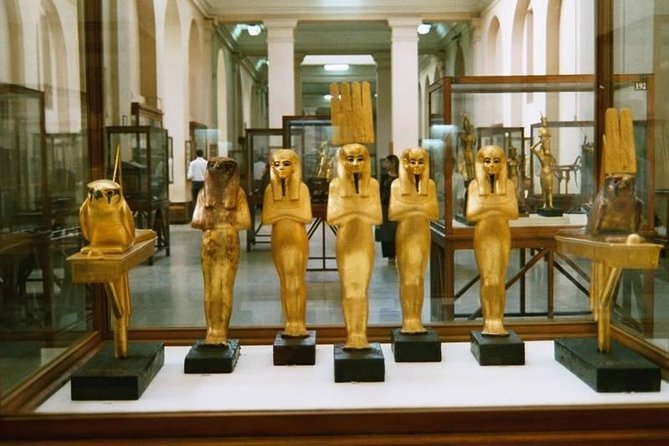
You’ll see key artifacts, including King Tut’s golden mask and other treasures. That “mask moment” is famous for a reason. Standing in front of it changes the tempo of the whole trip—you go from scale and architecture to craftsmanship and cultural detail.
How an Egyptologist Changes Museum Viewing
Most people walk a museum like they’re collecting receipts. A good guide changes that. They help you focus on what’s important, why something was made, and what details you might miss if you’re just scanning labels.
In the reviews, Catherine and Kathryn (and others) are repeatedly praised for answering questions and giving detailed explanations in strong English or French. That matters a lot in a museum, where you can otherwise lose the thread in a sea of objects.
Museum Pace: Where You Might Feel the Time Crunch
This is the only caution I’d give. The tour runs 5 to 8 hours, which includes both Giza and the museum. If you fall into the category that loves slow, long museum wandering, you might find you want more time inside. The route is designed to hit major highlights, not to let you lose an afternoon in every gallery.
That doesn’t make it bad. It just means you should be clear about your style: do you want the “best of” version, or the “I’ll read every label” version?
What’s Included vs. What You’ll Need to Pay
Included in the tour:
- Transportation
- Guide
Not included:
- Entrance fees
- Lunch (with help on where to grab it, but you pay)
So you should treat the $86.42 price as the cost of the logistics and expertise, not a fully loaded day package. That’s still solid value when you compare it to the time and effort of doing the same day on your own with taxis and navigation.
Lunch: Plan for a Meal Break
Lunch is on your own. The tour does offer recommendations for where to eat, so you’re not stuck figuring it out midstream. Still, go in ready to pay for your meal.
Also think about timing. If you eat too late, you’ll feel rushed at the museum. If you eat too early, you’ll feel snacky at Giza. A guided schedule helps, but your preferences matter.
Guide Quality Is the Real Differentiator Here
With a tour like this, the guide quality is everything. The reviews are heavy on a few themes: punctuality, kindness, and real knowledge, plus guides who will answer questions without making you feel rushed.
Names come up again and again—Catherine and Katy (and Katharina, Kathy, Kathryn in some entries). Drivers like Moustefa/Mustafa also get credit for making the ride comfortable and the day run smoothly.
There’s one practical bonus mentioned in the reviews too: you can ask about a professional photographer setup if you want. If you care about photos but don’t want to spend the day playing “take my picture,” that can be worth asking early.
Price and Logistics: How to Judge This Deal Like a Local
Let’s put it in plain terms. You’re paying for:
- someone to handle the route
- a trained Egyptologist guide
- door-to-door transportation
- a streamlined day that hits top sights
You’re not paying for:
- museum and site entrances
- lunch
So the value question becomes: will you benefit from that structure? If you’re comfortable navigating and don’t mind taxi hopping, you can cobble together something cheaper. But if you’d rather spend your energy looking at pyramids instead of solving transportation, this is a fair price.
Also, check timing. The tour runs Monday–Sunday from 8:30 AM to 3:30 PM (for the operating window listed), which fits a classic daylight plan. Morning helps at Giza. Afternoon helps you see the museum with less pressure than a late-day scramble.
Timing, Weather, and Staying Comfortable
This experience depends on good weather. If conditions are poor, the tour may be canceled and you’ll be offered another date or a full refund. That’s a big deal at Giza because outdoor visibility and walking comfort can change quickly.
In practical terms, pack like you’re doing a long sunny walk:
- hat and sunscreen
- water
- comfortable shoes
Also, since the day includes both plateau walking and museum time, avoid outfit choices that look great but make you miserable. You’ll stand, look up, and move around.
Who This Tour Suits Best
This tour fits best if you want the highlights, not an endless self-guided marathon.
You’ll likely enjoy it if:
- you’re short on time and want pyramids + King Tut in one day
- you prefer a guide who explains, not just a driver who drops you off
- you don’t want to manage taxi logistics or carry bags around all day
- you like asking questions and getting clear answers
Most travelers can participate, so it’s a good option for a wide range of ages and experience levels. If you’re someone who hates group structure entirely, you might find any guided format constraining. But overall, the emphasis here is on organized flow, not rigid, unpleasant pacing.
A Helpful Booking Checklist Before You Go
Before you book, do three quick checks:
- Budget for entrance fees and lunch, since those aren’t included.
- If you want student discounts, bring your student ID if you have one. It came up as a useful tip.
- Have your energy for a full day with both outdoor monuments and indoor museum viewing.
Also, the tour uses a mobile ticket, which usually means less fuss when you arrive.
If you’re the type who needs a lot of time in one place, consider that this is a “two top attractions in one day” format. You’ll see major highlights, but it won’t replace a full day dedicated solely to Giza or solely to the museum.
Should You Book This Giza Pyramids + Egyptian Museum Tour?
If your goal is a well-run, guided day that hits the essentials—three pyramids, the Great Sphinx, Valley Temple, and major King Tut artifacts—then yes, I’d book it. The door-to-door transportation plus an Egyptologist-led explanation style is a strong combo for getting real value out of limited time.
Skip it only if you want ultra-slow pacing, want every museum gallery in depth, or you dislike paying extra for entrance fees and meals. For everyone else, this is a smart way to see Giza and the museum without turning your day into a logistics project.