REVIEW · CAIRO
8 Days,Cairo,Alexandria,Aswan,Luxor,Cruise, Abu Simbel,From Cairo By Plane
Book on Viator →Operated by Nile Prince Travel · Bookable on Viator
Eight days in Egypt can feel like a speed run.
This trip is interesting because it compresses the big names—Giza, Alexandria, Luxor, Aswan, and more—into a tight route without making you spend every minute behind a windshield. You also get a real Nile cruise break in the middle, plus round-trip domestic flights to cut down travel time.
What I like most is how much is bundled for your sanity: a hot air balloon is included, and the tour handles a lot of the moving parts with pickups and private transfers. I also appreciate the mix of temples and tombs across Luxor/West Bank plus Nubia stops that most short trips skip.
One consideration: entrance fees are mostly not included, and some days are packed. If you hate last-minute extras, budget for tickets at each site (and plan around weather since balloon rides depend on good conditions).
In This Review
- Key highlights worth circling
- Giza, Saqqara, and the Sphinx at Memphis: the pyramid day that actually makes sense
- Alexandria day: a Mediterranean contrast from the Nile
- Aswan and Nubia: Philae’s rescue story and the drama of Abu Simbel
- From Edfu to Luxor: why the Nile cruise fits a packed schedule
- Luxor West Bank: balloon ride plus Valley of Kings, Hatshepsut, Karnak
- Price and value: what $2,698.75 really buys you
- Practical tips for comfort (and keeping the day under control)
- Should you book this Nile cruise and balloon combo?
- FAQ
- Is the hot air balloon ride included?
- Are round-trip flights included?
- How long is the trip?
- Does the price include the Nile cruise?
- Are meals included?
- Is airport pickup and drop-off included?
- Are entrance tickets included for all attractions?
- Is Wi-Fi included?
- Is the tour private?
- Is there free cancellation?
Key highlights worth circling
- Hot air balloon over Luxor is included, with admission covered
- Alexandria gets its own full day (Roman sites, the waterfront fortress area, and the new library area)
- Flights replace long drives with Cairo-to-Luxor/Aswan round-trips included
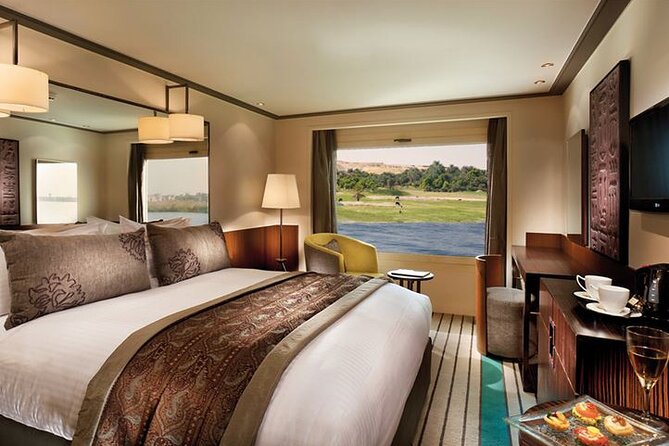
- Three-night Nile cruise on a luxury 5-star ship with full board meals
- Philae and Abu Simbel connect you to UNESCO rescue history
- Free Wi-Fi (4GB per person) helps you stay connected during the cruise and hotel stays
Giza, Saqqara, and the Sphinx at Memphis: the pyramid day that actually makes sense
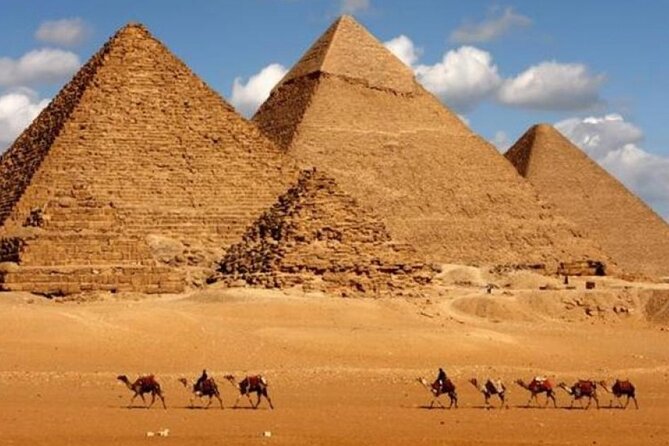
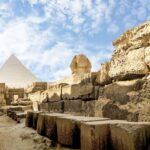
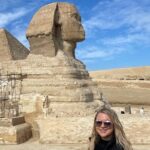
The tour starts with a classic Egypt hit: Giza Pyramids and the Sphinx. It’s iconic for a reason, but what matters for you is the practical payoff—this is one of those places where you want time just to look, not rush for photos. You’ll also get a clear visual reference point for everything else you see, from Old Kingdom tomb design to later temple building.
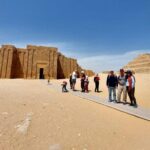
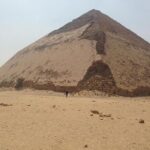
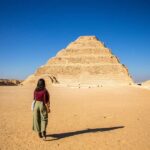
Then you move to Saqqara to see the Step Pyramid of Djoser (Zoser). This is the “how the pyramid idea evolved” stop, and it adds real perspective after Giza. The Step Pyramid is described as Egypt’s earliest major stone structure, and the six-step design shows gradual growth from earlier mud-brick mastabas. If you like structure and “first versions” of ideas, this is the more interesting companion visit.
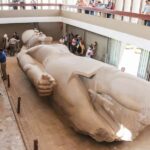
The day also includes the Sphinx of Memphis, which is easy to overlook on Egypt trips that go straight from Cairo to Luxor. Seeing it here reinforces how long Egyptian monumental art has been inspiring people—this is a colossal carving tied to the Giza plateau area and the role of guardian figures.
A heads-up: most of these stops note admission tickets not included, so you’ll want to bring extra cash/card for site entry.
You can also read our reviews of more boat tours in Cairo



Alexandria day: a Mediterranean contrast from the Nile
After Cairo’s intensity, Alexandria changes the mood. Instead of just ancient monuments, you get a city-layer experience: Roman-era remains in the Kom al-Dikka area, the revived cultural focus around the new Library of Alexandria, and a waterfront fortress stop linked to the old lighthouse site.
The tour time here is long—about 7 hours—so it’s not a quick photo stop. You’ll also see Qaitbay Castle in the Bahri region, placed at the ancient lighthouse area that suffered destruction after the 702 AH earthquake. That detail helps you understand Alexandria’s story as something built, broken, and rebuilt over centuries.
One of the nicest benefits of including Alexandria is that it breaks the “temples, temples, temples” rhythm. You get a different kind of historical texture—more urban, more coastal, more mixed-era—so by the time you return to the Nile corridor, the whole trip feels less repetitive.
As with other days, entrance fees for these city sites aren’t listed as included, so plan for tickets and quick on-the-ground payments if needed.
Aswan and Nubia: Philae’s rescue story and the drama of Abu Simbel
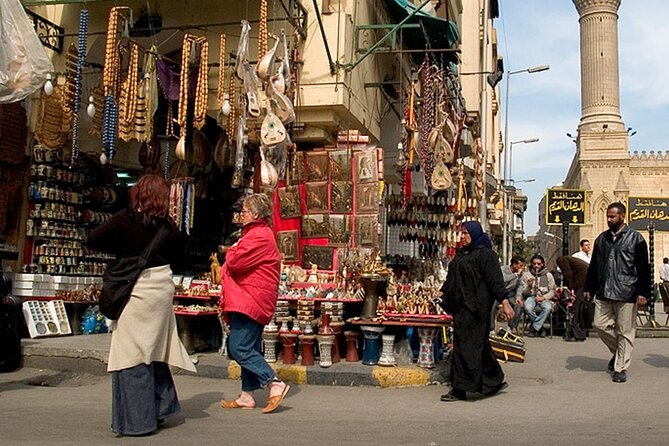
In Aswan, the pace slows in the best way. The tour visits the Temple of Philae, one of Nubia’s most important monument sites and a pilgrimage center for the cult of Isis. What makes this stop more than just pretty stones is the UNESCO rescue angle: the temples were saved from a watery grave by being transferred block by block from Philae Island to Agilika Island. That kind of history makes you look at the temple differently because you can feel the “saving” behind it.
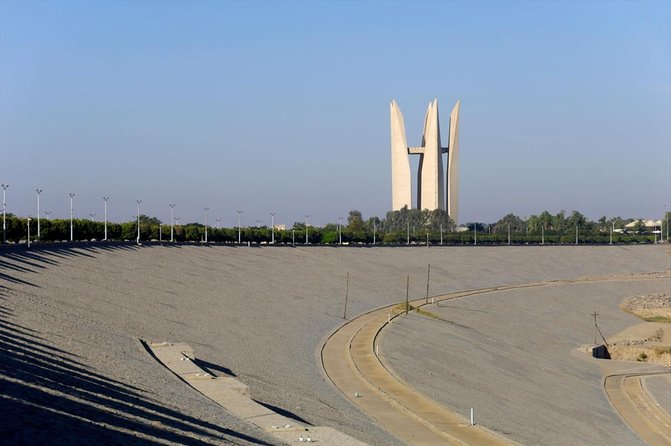
You’ll also see the Aswan High Dam, and even if you don’t get nerdy about engineering, it’s useful context. The dam helped control Nile floods and generate electricity, and in practical tour terms it explains why whole sites like Abu Simbel needed protection.
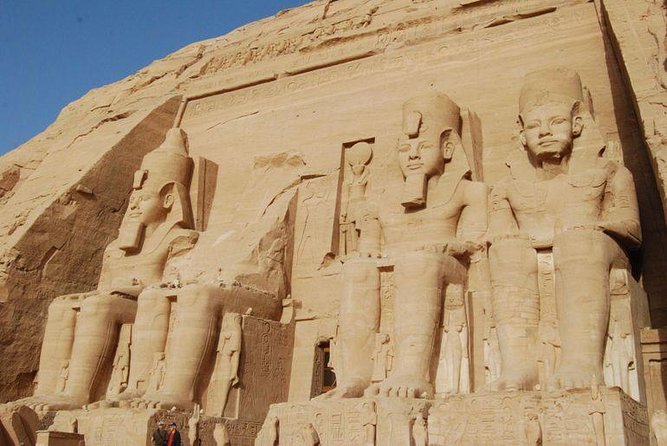
The big emotional payoff comes next with Abu Simbel Temple Complex. These twin temples were carved in the reign of Ramses II and dedicated to him and Queen Nefertari. Like Philae, Abu Simbel has a rescue story—this complex was moved in 1960 to a new location on an artificial hill. When you stand in front of carved rock monuments like this, the scale hits, but the relocation story makes it feel human: a 20th-century decision saved something from the 13th century BC.
You also stop at Temple of Kom Ombo, dedicated to gods Sobek and Horus. It’s shorter at about 2 hours, but it adds variety so the day doesn’t become only one style of temple.
Again, most admissions are not included, so budget for site entry.
From Edfu to Luxor: why the Nile cruise fits a packed schedule
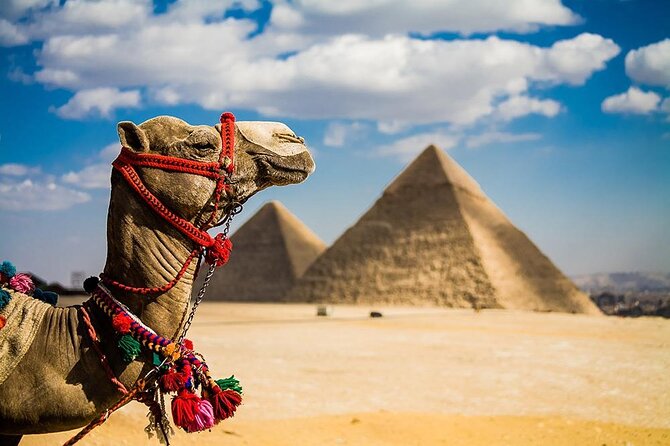
This trip is built around convenience. You don’t spend all day bouncing between sites. Instead, you get a three-night cruise (full board on a luxury 5-star ship, with meals included as listed). That matters because Luxor and Aswan are far enough apart that travel time can eat your energy.
On the river days, the cruise helps you manage the big Egyptian distances with less mental load. You can rest, reset, and still see important temples. And because the ship includes meals, you don’t have to keep hunting for food between checkpoints.
One of the best “cruise pairing” stops is Temple of Horus at Edfu. It’s described as the second-largest temple in ancient Egypt after Karnak, and also noted as one of the best preserved. The fact that it took about 180 years to build gives you a sense of why Ptolemaic-era architecture can feel so confident and finished compared to many other ruins. If you like the feeling of a temple that is still holding its form, this one delivers.
Then you continue to Luxor Temple on the eastern bank. It’s a large complex founded to worship Amun-Ra, Mut, and Khonsu (the Theban Triad). The tour keeps Luxor Temple as a shorter stop (about 1 hour), which is smart because the West Bank day later is where you’ll spend the most time.
Luxor West Bank: balloon ride plus Valley of Kings, Hatshepsut, Karnak
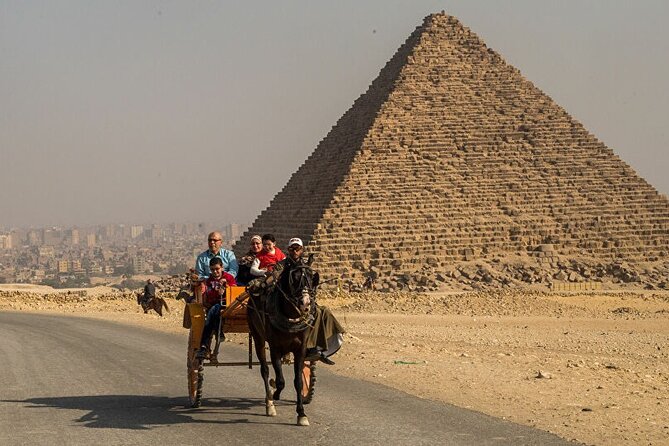
Day 7 is the one that most people will talk about after the trip. It begins with the included hot air balloon over Luxor. The ride is weather-dependent, so you’ll want to treat this as a priority—good weather is a requirement for the experience.
After the balloon comes the West Bank centerpiece: the Valley of the Kings (also called the Valley of the Gates of the Kings). It sits opposite Thebes in the Theban Necropolis, within two valleys (East and West). This stop is about tomb-land and timing—expect walking and the feeling that the site is built for scale, not comfort. If you like history but also hate overlong museum-style lectures, this is where Egypt’s “place” does the talking.
Then you visit Temple of Hatshepsut at Deir el Bahari. The tour frames Hatshepsut as a major figure of the 18th Dynasty, and the temple itself is part of why she’s remembered. The stepped setting is a strong visual break from the more tightly clustered tomb approaches.
The day continues with Karnak Temple, a huge complex dedicated to Amun (with Mut and Khonsu also represented within the broader site). Karnak spans construction from pharaonic eras through later periods, so it feels like Egypt thinking over generations instead of one building campaign. It’s listed at about 1.5 hours here, which is the right length if you want to see the scale without burning the entire day.
You wrap with the Colossi of Memnon, two massive statues from around 1350 BC that remain from a larger funerary complex of Amenhotep III. At only about 25 minutes, it’s a quick punch of monumentality—big faces, big proportions, and that “what’s left” feeling that makes ruins so compelling.



Price and value: what $2,698.75 really buys you
At $2,698.75 per person, the value is in what’s bundled rather than in the raw number.
This price includes:
- A three-night luxury 5-star Nile cruise with full board (listed as B-L-D)
- Round-trip domestic flights between Cairo and Luxor/Aswan
- Hotel/port pickup and drop-off, plus private vehicle transport
- A 5-star Cairo hotel with breakfast (accommodation is included for 7 nights)
- Hot air balloon entrance included
- Free Wi-Fi (4GB per person)
It also includes many meals: breakfasts are listed for 7 days, with lunches and dinners included as stated in the package.
The main cost gap: entrance fees are not included for most stops. Some entries are marked as included (notably the Philae temple and the balloon entrance), but you should assume you’ll pay site admissions throughout the week. So when comparing options, look beyond the headline price and ask what your day-by-day ticket totals might be.
If your priority is maximum Egypt in minimum hassle, this package makes sense. If your priority is the cheapest possible way to see ruins, this won’t be the lowest-cost route—because the flights and cruise are a big part of the price.
Practical tips for comfort (and keeping the day under control)
This is not a slow vacation. You’ll be moving between Cairo, Alexandria, Aswan, and Luxor with a lot of classic sights. The upside is you see major monuments across different regions without arranging everything yourself. The downside is you’ll want a “light and ready” routine.
First: pack for heat and walking. Many stops are exterior or involve long museum-style corridors and stone steps. Comfortable shoes matter more than your best outfit.
Second: bring a plan for entrances. Since many admission tickets aren’t included, keep payment options handy and don’t wait until you’re at the gates to figure out what you need.
Third: balloon day needs flexibility. The tour notes a good-weather requirement, so build your mindset around that. If balloon timing shifts, don’t get irritated—this part is tied to safety and conditions.
Finally: enjoy the cruise rhythm. When the schedule gets tight, the included meals and the downtime on the ship are what keep the whole trip from becoming exhausting.
Should you book this Nile cruise and balloon combo?
I’d book this if you want a high-coverage Egypt trip with flights, a real luxury cruise, and the major Luxor highlights handled for you. The standout value is how much logistics you don’t have to organize: pickups, private transfers, and a schedule that moves you between regions efficiently.
I’d think twice if you hate surprise costs, since entrance fees are mostly not included, or if you rely on super-structured daily communication. In that case, I’d ask the provider before departure how you’ll receive daily schedules on your device.
If you want flexibility too, note that the experience is described as allowing free cancellation up to 24 hours in advance and it requires good weather, so it’s worth tracking conditions when you’re near Luxor.
FAQ
Is the hot air balloon ride included?
Yes. The hot air balloon entrance is included, and the balloon trip is listed as ticket included.
Are round-trip flights included?
Yes. Round-trip domestic flights between Cairo and Luxor/Aswan are included.
How long is the trip?
It’s 8 days (approx.).
Does the price include the Nile cruise?
Yes. It includes 3 nights on a luxury 5-star Nile cruise (full board).
Are meals included?
Most meals are included. Breakfast is included for 7 days, and lunches/dinners are included as listed (lunch 6, dinner 3).
Is airport pickup and drop-off included?
Yes. Hotel/port pickup and drop-off are included, and airport pick or drop-off is provided around the clock based on arrival time.
Are entrance tickets included for all attractions?
No. Entrance fees are listed as not included for most stops. Some specific items are marked as included, such as the Philae temple ticket and the balloon entrance.
Is Wi-Fi included?
Yes. Free Wi-Fi up to 4GB per person is included.
Is the tour private?
Yes. The tour is private, meaning only your group participates.
Is there free cancellation?
Free cancellation is available up to 24 hours in advance for a full refund.