A trip into Egypt’s deserts changes your pace fast. This 3-day run from Cairo mixes Bahariya’s black desert jeep time, classic “crystal mountain” views, and the unforgettable white desert camping—then tops it off with Djara Cave and its prehistoric rock art.
Two things I really like: you get real on-the-ground time in the sand (not just photo stops), and your days include sunrise + starry night moments with guides who handle the details. One thing to consider: this is a long drive from Cairo and some outdoor portions are weather-sensitive, so you’ll want to pack for temperature swings.
You’ll leave Cairo early, ride 4×4 through desert terrain, and watch the light shift across limestone, chalk, quartzite, and sheer rock forms. You’ll also get structured breaks—lunch in the oasis area and full meals during the camping stretch—so you’re not just “surviving logistics” out there. If you’re the type who likes a calm rhythm with built-in stops and clear pacing, this fits well.
In This Review
- Key things that make this desert trip worth it
- Cairo to Bahariya: the long drive that actually sets the mood
- Bahariya black desert by 4×4: the start of the real adventure
- Crystal Mountain (Gebel al-Izzaz): a short stop with big light payoff
- Valley of Agabat into the white desert: why this camp moment matters
- Djara Cave: prehistoric rock art in a quiet, gravity-challenged space
- Day 2 and Day 3 mornings: sunrise rhythm + the chance to reset
- Bir Sigam hot spring near Bahariya: the comfort stop you’ll actually appreciate
- Price and value: what $420 covers and how to judge if it’s fair
- Who this trip suits best (and who should think twice)
- Should you book this Cairo-to-white desert and Djara Cave trip?
- FAQ
- What time is pickup from Cairo or Giza?
- What is included in the tour price?
- Are entrance tickets included for all stops?
- Do you camp overnight in the white desert?
- What happens at Djara Cave?
- Is this a private tour?
- What if the weather is bad?
Key things that make this desert trip worth it
- 2 nights of white desert camping with dinner and a simple, satisfying meal served in camp
- Sunrise timing built in (morning views from the desert on Day 2 and Day 3)
- Djara Cave rock art viewing, including gazelles and other animals with a dripstone ceiling
- Black desert + crystal mountain contrast: jeep routes, then the quartzite “Jewel” shine in the sun
- Guides who stay attentive: names seen in recent trips include Mostafa, Mohamed, Ahmed, Ashraf Ali, and Ashraf Goob
- Meals included (breakfast, lunch, dinner) plus mineral water and tea
Cairo to Bahariya: the long drive that actually sets the mood
Most desert trips fail because they rush. This one doesn’t feel rushed in the same way, even though you’re starting with a big journey: about 350 km east of Cairo to Bahariya Oasis, roughly 4 hours on the road. You’ll leave early, with pickup around 06:00 from your hotel in Giza or Cairo, and you’ll have stops for WC and coffee along the way.
Why this matters: timing in the desert is everything. Starting in the early hours helps you arrive while there’s still enough daylight to see how the desert changes once you leave the road and get into dune terrain. Also, the earlier you get out there, the easier it is to enjoy the quiet parts without feeling like you’re always late.
You’ll also be in an air-conditioned vehicle, which is a relief after the first stretch. And the tour is set up as a private experience, meaning it’s only your group. That reduces waiting and makes the day feel smoother, especially when the route is off-road.
Practical note: if you don’t love long car days, you should know this will feel like Day 1 is mostly getting into position. The payoff comes once you swap the car for the 4×4 jeep.
A few more Cairo tours and experiences worth a look

Bahariya black desert by 4×4: the start of the real adventure
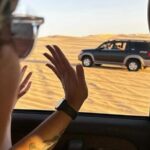
Once you reach Bahariya around 10:00, the day turns into desert travel in a more hands-on way. You’ll take a 4×4 jeep drive into the black desert, and you’ll stop for lunch in the oasis area at El Haize Oasis around 12:00.
The black desert is a great warm-up for the white desert because it feels harsher and more textured. You’ll notice it in the colors and the way the ground breaks up visually. Even without long explanations, that visual contrast makes the rest of the trip feel like a journey through distinct worlds.
What I like about including a jeep segment here is that it prevents the first half of the tour from becoming “just driving.” You get movement and changing views early, and that momentum helps when you later reach the calmer, more atmospheric sections.
Admission is listed as free for some stops, and this portion is part of the included flow—so you’re not constantly calculating extra ticket costs mid-day.
Crystal Mountain (Gebel al-Izzaz): a short stop with big light payoff
Around 13:00, you head to Crystal Mountain, locally known as Gebel al-Izzaz. It’s described as a crystal hill—more accurate than “mountain” once you’re there—with quartzite crystals that look striking in sunlight. The name “Jewel” fits because the effect is mostly visual: light hitting the rock makes it sparkle in a way that plain sand never can.
The stop is about 1 hour, and admission is listed as free. The short timing is smart. You get the payoff without turning it into a long detour. It’s also the kind of stop where you want clear sky or at least bright conditions. If clouds roll in, the crystal effect can soften, so keep your expectations tied to daylight.
If you’re someone who likes geology-lite (no lecture, just seeing what you came for), this works. You’ll come away with a concrete sense of why this area gets called a special desert zone.
Valley of Agabat into the white desert: why this camp moment matters
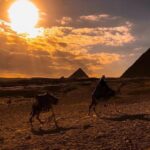
By 16:00, you drive to the Valley of Agabat, a deep white desert area where you can feel the scale. This is one of the best parts of the trip because it’s not just about seeing rocks—it’s about experiencing how the light fades. As the sky shifts to pink and then fiery orange, the rock shapes fade and the area feels almost silent.
This valley is described as having formed millions of years ago when it was under the sea. Over time, limestone and chalk (and maybe sand) developed into the formations you see now. That’s not just trivia; it helps you read the place. The white desert doesn’t look random when you imagine it as old seabeds and long-pressed chalk.
Then comes the camp setup. Bedouin staff arrange dinner, and you’ll settle in for desert camping during the sunset-to-night transition. The dinner described here is a simple chicken, rice, and vegetables meal, served around a small fire. One of the most praised aspects of this trip is the camp atmosphere—fire, stars, and guides who treat the night as part of the experience, not a break between drives.
In real recent trips, guides have added extra touches like building a campfire in a way that feels ceremonial, and even adding music (a flauta beduína moment came up in one review). Even if your group doesn’t get the same exact extra performance, the core idea is consistent: the evening is intentionally built, and the guides make sure you’re comfortable enough to enjoy it.
The potential drawback? You are in a desert camp for long stretches. Comfort depends on the group and conditions, and the white desert night can feel surprisingly cold depending on season. Bring layers you can wear at camp, not just during the day.
Djara Cave: prehistoric rock art in a quiet, gravity-challenged space
Day 2 shifts from camp to sightseeing with a sunrise start. Around 06:00, you’ll see sunrise from the desert, then breakfast in the desert at 07:00. After that, you drive to El Khor Mountain, about 70 km off-road from the Agabat area, arriving at around 10:00. This section is about sand dunes and desert terrain, giving you another “read the ground” moment before you reach the cave.
At 11:00, you head toward Sahel Baraka, then take the highway portion to Djara Cave, about 110 km from Sahel Baraka. The day is long again, but the reward is very specific.
Djara Cave is described as a quiet, mystical desert interruption—bedrock formations seeming to fight gravity—followed by one of the most beautiful prehistoric sites in the western desert. The headline attraction is the cave’s rock art, said to be the only rock-art depictions in a 250 km range, with preserved scenes of gazelles and other wild animals.
You’ll also spend time with the cave’s natural details. The roof is formed by dripstone crystal deposits over millions of years. That matters because it makes the cave feel more alive than a simple dug-out shelter. The ceiling isn’t just background—it’s part of the atmosphere.
Entrance is listed as free for the cave stop. That’s a rare win in a region where you’d expect ticket fees to pop up.
One practical consideration: caves are cool and dim compared to the open desert. Wear shoes you can trust. And bring something to cover up if you’re sensitive to temperature shifts. The tour includes meals and drinks, but what you pack still controls comfort.
A few more Cairo tours and experiences worth a look
Day 2 and Day 3 mornings: sunrise rhythm + the chance to reset
After Djara Cave, the itinerary brings you back toward Bahariya Oasis for rest and shower time. The plan specifically says you’ll drive to Bahariya to rest, take a shower, and then continue back toward Cairo.
This matters because it breaks the “all-out desert all day” pattern. You get a real reset after the cave and long drives. It’s also helpful for your energy. A desert trip feels best when you can sleep and recharge rather than just push through.
On Day 3, you get another morning shot of desert magic: 06:00 sunrise in the white desert, then breakfast in the desert at 07:00. After that, you head back toward Bahariya.
This repetition—sunrise on Day 2 and Day 3—signals what the trip values. It’s not just travel sightseeing. It’s light, stars, and the kind of calm that happens when you’re away from cities and schedules.
Bir Sigam hot spring near Bahariya: the comfort stop you’ll actually appreciate
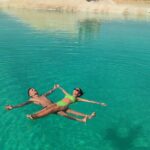
At 10:00 on Day 3, you go to Bir Sigam, a hot spring located about 7 km east of Bahariya on the Cairo road. It’s described as the best hot spring in temperature, and it’s presented as a relaxation stop.
Why this is a big deal: after two nights of camping (and at least one day of off-road driving), your body will be grateful for a warm reset. Even if you’re not a “soak person,” the hot spring stop is a smart way to make the trip end feeling better than it started.
If you want extra time in the oasis, the trip notes that you can extend an extra night in Bahariya to explore the oasis—handy if you don’t want to rush back to Cairo the same day.
Price and value: what $420 covers and how to judge if it’s fair
At $420 for about 3 days from Cairo, you’re paying for more than sightseeing tickets. The value is in the combination:
- Long-distance desert logistics (Cairo to Bahariya and back, plus desert driving)
- Air-conditioned transport
- Private group format
- 4×4 jeep time in the black desert
- 2 nights camping in the white desert
- Meals: breakfast (2), lunch (2), dinner (2), plus mineral water and tea
Tipping is listed as not included, so if you want to budget, plan for that.
What stands out from the recent guide-focused reviews is how much attention people felt from their leaders. Several trips praised guides by name—Mostafa, Mohamed, Ahmed, Ashraf Ali, and Ashraf Goob—for being kind, helpful, funny, and respectful, with an extra focus on communication. That matters because in remote areas, a good guide isn’t a luxury. They manage timing, comfort, and the overall flow.
Possible drawback on value: White Desert admission is specifically marked as not included for the long White Desert block. So even though many stops are free, you might still face that one additional cost. The listing doesn’t say the price, so it’s smart to ask your operator what you’ll pay for White Desert entry if it applies to your date.
Who this trip suits best (and who should think twice)
This fits best if you want:
- Real desert time, including camping for 2 nights
- Sunrise moments and night-sky quiet
- A mix of jeep driving and a guided “read the formations” style route
- A destination that feels more like another world than another city tour
It might be less ideal if you:
- Hate long drive days (Day 1 starts early, and Day 2 involves significant transit)
- Want a fully hotel-based comfort level every night (this includes camping)
- Are extremely sensitive to cold at night (desert nights can be chilly)
Overall, the trip feels built for people who want authenticity—simple camp meals, fireside time, and the feeling that you’re far from normal routines.
Should you book this Cairo-to-white desert and Djara Cave trip?
Yes, if you’re chasing a true desert experience with the right balance of structure and freedom. The strongest reasons to book are the combination of white desert camping, sunrise timing, and Djara Cave rock art—plus the fact that guides named in recent trips have been praised for warmth and attentiveness.
I’d book with a couple caveats in mind:
- Ask about the White Desert ticket since it’s listed as not included for that segment.
- Pack for temperature swings, since you’ll be outside during sunsets and night.
- Be ready for a full itinerary that includes early starts and long drives, especially on Day 2.
If weather is poor, the experience is noted as weather-dependent, with an option for a different date or a full refund. And cancellation is free up to 24 hours before the experience start time.
If your travel style likes off-road adventure, prehistoric art, and a camp night you’ll remember later, this is a strong choice.
FAQ
What time is pickup from Cairo or Giza?
Pickup is described as around 06:00 from your hotel in Giza or Cairo. The activity also lists a start time of 7:00 am, so confirm your exact pickup instructions after booking.
What is included in the tour price?
The tour includes an air-conditioned vehicle, pickup offered, and all meals: breakfast (2), lunch (2), and dinner (2). It also includes mineral water and tea.
Are entrance tickets included for all stops?
Admission is listed as free for several stops like Crystal Mountain and Djara Cave. The White Desert admission is marked as not included, so you may need to pay that part separately.
Do you camp overnight in the white desert?
Yes. The trip includes 2 nights of camping in the white desert, with dinner arranged by Bedouin staff.
What happens at Djara Cave?
You’ll drive to Djara Cave and spend time there. The cave is known for prehistoric rock art featuring preserved scenes of gazelles and other wild animals, plus a dripstone roof formed by crystal deposits over millions of years.
Is this a private tour?
Yes. The tour is listed as private, meaning only your group participates.
What if the weather is bad?
The experience requires good weather. If it’s canceled due to poor weather, you’ll be offered a different date or a full refund.