REVIEW · LUXOR
Luxor Day Tour From Luxor
Book on Viator →Operated by Marsa Alam Tours · Bookable on Viator
Luxor can feel huge, but this day tour makes it manageable. I like the tight hit list of Karnak Temple and the Valley of the Kings, plus the fact that you’re not figuring anything out alone with an Egyptologist leading the way. The tour also includes lunch at a local restaurant, and the vibe in the car is practical—air-conditioned transfers, then monuments on schedule. One thing to consider: it’s a full, fast-paced day, and time inside tomb areas can feel more rules-based than lecture-based.
What I’d call the best part is how many guides focus on both storytelling and real-world pacing. I’ve seen consistent praise for guides such as Naama, Hoda, Monsoor, and Samah Ahmed, especially for clear English and friendly, helpful attitudes. That matters in Luxor because you’ll get more meaning from what you see, not just a list of names.
If you want a slow, wandering day with lots of downtime, this may feel a bit packed. But if you like checking off the big monuments and learning enough to connect the dots, it’s a strong way to spend 6 hours in Luxor.
In This Review
- Key highlights you’ll notice right away
- Price and logistics: what you’re really paying for
- The real game plan: a smart monument order
- Karnak Temple: where the day starts strong
- Lunch in Luxor: fueling a long, hot day
- Felucca on the Nile (optional): a calmer beat
- Colossi of Memnon: huge remnants with a story
- Valley of the Kings: tombs that change your perspective
- Temple of Queen Hatshepsut: power with a plot twist
- Time, pacing, and comfort: how to enjoy the whole day
- Guides make the difference (and the evidence is strong)
- Optional craft stops: how to keep control of your time
- Who this tour is for
- Should you book this Luxor day tour?
- FAQ
- FAQ
- What monuments are included on the Luxor day tour?
- Is hotel pickup included?
- What time does the tour start, and how long is it?
- What’s included for meals?
- Are admission tickets included?
- Is the felucca ride included?
- Can I take the tour if I’m staying outside Luxor?
- What is the cancellation policy?
Key highlights you’ll notice right away
- Karnak Temple first, so the day starts with Luxor’s most dramatic scale.
- Valley of the Kings + Hatshepsut gives you both tombs and a powerfully specific story about Ancient Egypt’s only female ruler.
- Colossi of Memnon anchors the day with massive remnants and clear context for what’s gone.
- Optional felucca ride to cross the Nile toward the City of the Dead area.
- Private tour setup, so your group sets the pace more than on shared tours.
- Guides with strong English (names like Naama, Hoda, Monsoor, and Houda show up again and again), plus extra practical help like how not to get pushed around.
Price and logistics: what you’re really paying for
At about $102.21 per person for a roughly 6-hour outing, the value hinges on what’s included. You’re getting round-trip air-conditioned car transfers, an Egyptologist/guide, lunch, and admission tickets—the big cost buckets that add up fast when you try to DIY.
This is one of those Luxor arrangements where the cost isn’t just for transportation. It’s for having someone who can keep the sequence clear while you move between sites that feel related but are easy to mix up without help. That guide layer tends to be what turns a sightseeing checklist into something you remember.
You start at 8:00am with pickup offered. If you’re staying in Luxor, this is usually straightforward: you’ll collect your group, drive to the first sites, then return you to your hotel.
One practical note: if you’re coming from El Gouna, Hurghada, Sahl Hasheesh, Makadi, or Safaga, the tour is possible for extra transfer fees. That’s helpful if you’re not in central Luxor, but it also means the day can feel more stretched because drive time eats into site time.
You can also read our reviews of more tours and experiences in Luxor.

The real game plan: a smart monument order
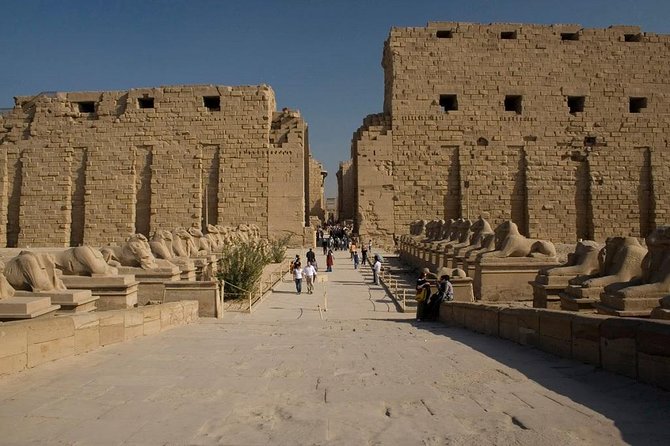
This day tour is built around a logical flow through Luxor’s most famous areas. I like this order because it reduces backtracking and helps your brain build a timeline: grand temple, then the funerary world, then the royal story of Hatshepsut, with Colossi of Memnon acting like a dramatic “bridge” between ancient reigns and what remains today.
You’ll be moving between big names, but the day isn’t just about stopping for photos. A good guide will connect each site to the next so you understand why each monument exists and what it was meant to do.
Because the schedule is tight, you’ll want to keep your expectations realistic. You’ll get substantial time at each place, but you won’t have hours and hours to wander every corner. Instead, you get the essentials with explanations that help you read the carvings and layouts.
Karnak Temple: where the day starts strong
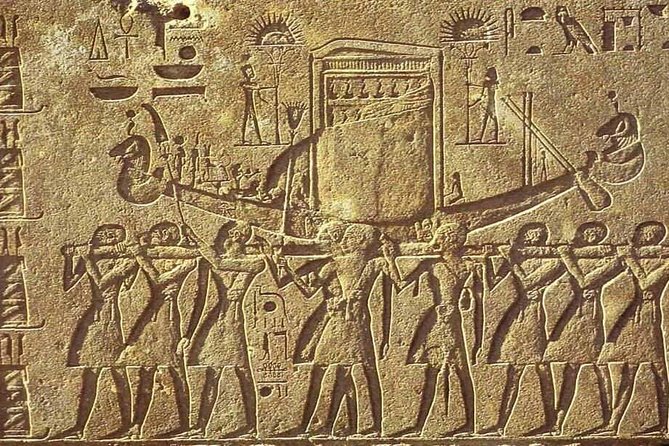
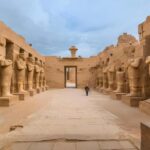
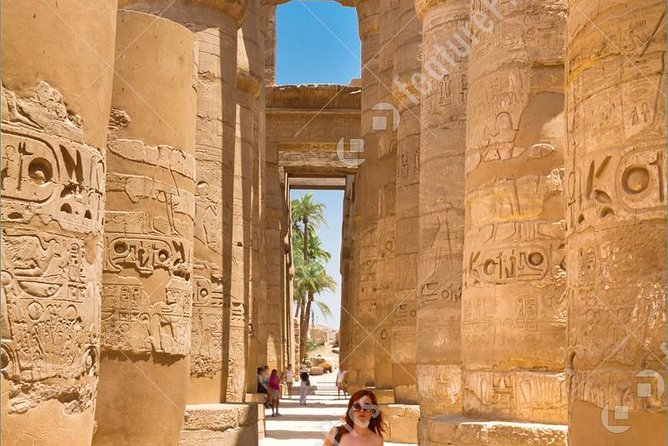
Karnak Temple is where Luxor shows its scale. Even before you get deep into details, the sense of space and the sheer number of structures hit you fast. Starting here makes sense because Karnak is like the anchor of everything else in the area.
What I’d focus on during your visit:
- Look for how different buildings and courts relate to each other.
- Pay attention to how the temple connects to the idea of worship and power, not just “ancient rocks.”
A guide with strong English helps a lot here—especially if they can explain why Karnak mattered and how kings used temple building to project authority. Based on what I’ve seen praised from guides like Naama and Hoda, the explanations can be clear enough that you’ll feel oriented while you walk.
If you’re the type who likes asking questions, this is a good stop to do it. Early in the day, your energy is higher, and the context will make your questions easier to answer.
Lunch in Luxor: fueling a long, hot day
After Karnak, you’ll head to lunch at a local restaurant in Luxor. Drinks are not included, so if you want bottled water, soft drinks, or something else, plan for that extra cost.
I like this lunch break because it’s not just a random pit stop. It’s your buffer time to reset before the next wave of tomb-adjacent stops and the Hatshepsut visit, where the walking and sun exposure can feel heavier.
Also, lunch timing matters. With a morning start at 8:00am, having a built-in meal helps you avoid the common mistake of powering through too long and then feeling cranky before the best parts of the day.
If you have dietary restrictions, the tour data doesn’t spell them out. So it’s worth messaging ahead when you book, and then be ready to communicate your needs at the restaurant.
Felucca on the Nile (optional): a calmer beat
At one point, you’ll have the chance to take an optional felucca—a traditional sailing boat—to cross the Nile toward the City of the Dead area.
Even if you’re not a “boat person,” I’d consider this an easy win because it breaks up the day visually and physically. After temple time and monument time, it gives you a different angle on the river setting that defines Luxor.
Because it’s optional, you can skip if you’re tired, dealing with mobility issues, or simply not into boat rides. Still, if you can manage it, you’ll probably appreciate the slower pace.

Colossi of Memnon: huge remnants with a story
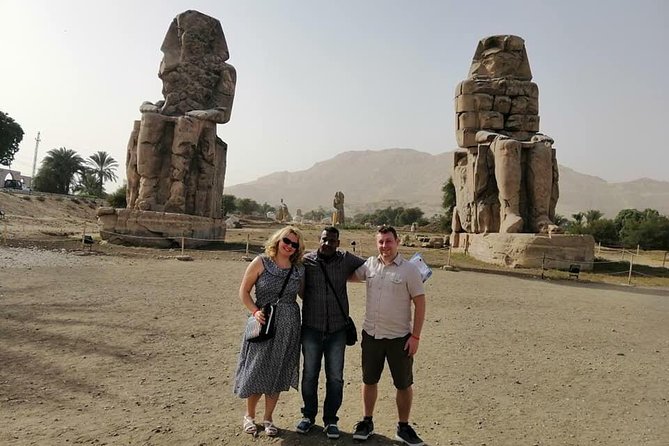
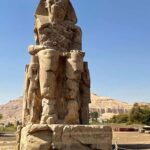
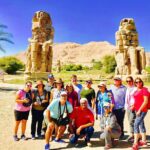
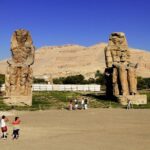
Then the tour brings you to the Colossi of Memnon—the “greeting” remnants tied to the Temple of Amenophis III. These statues are famous for a reason: they’re massive, and they immediately feel like something you’re not supposed to fully grasp in one glance.
This stop is useful even if you don’t know much Egyptian archaeology. Your guide can place it in context so you understand what you’re looking at—remains of a bigger royal complex—and why the survivors of time matter.
When you’re there, take a minute to slow down and really look:
- Notice how weather and time shaped the stone surfaces.
- Think about what the original temple area must have looked like when the statues were part of a living religious landscape.
Valley of the Kings: tombs that change your perspective
Valley of the Kings is the emotional center of many Luxor trips, and it’s usually where people either light up… or get overwhelmed. A good guide helps you stay in the sweet spot: curious, not confused.
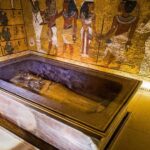
The key here is context. You’re not just walking between tombs; you’re seeing how the ancient Egyptians imagined the afterlife and how rulers positioned themselves for eternity.
One consideration: a guide may not be allowed to provide explanations inside tombs in some situations. That can make the experience feel more self-guided once you’re inside. Still, you can get the value from the setup outside—then you get to read what you can see in the tomb spaces.
If you’re sensitive to heat and crowds, build in moments where you stop, breathe, and take photos only when the light looks decent. This is one of those places where rushing can make everything blend together.
Temple of Queen Hatshepsut: power with a plot twist
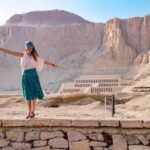
The day’s royal story continues at the Temple of Queen Hatshepsut. This matters because Hatshepsut isn’t just another pharaoh name on a wall—she’s the only female ruler of Ancient Egypt, and the site is tied directly to her reign.
This stop often lands well for people who like leadership history, not just architecture. If your guide explains how Hatshepsut used monument-building to establish legitimacy, you’ll probably feel the site’s message more than you would with a quick walk-through.
I also like this stop because it can feel different from tomb-focused segments. It’s a temple environment where you can connect artistic details to the larger political story of the era.
Time, pacing, and comfort: how to enjoy the whole day
Even though the tour is about “highlights,” you still need to manage the practical side. You’ll be in a car with air conditioning between sites, but you’ll still have sun exposure and walking.
Here are the most helpful ways to make it smoother:
- Wear shoes with decent grip; stone and stairs can be slippery.
- Bring sun protection for the Valley of the Kings area.
- Keep a small day bag for water and your essentials, since drinks aren’t included with lunch.
Also remember: this is a private tour for your group. That means you’ll get less “herding” and more flexibility than in shared experiences. In practice, it can also mean your guide is more willing to adjust the flow if someone needs a slower pace or breaks.
Guides make the difference (and the evidence is strong)
One of the most consistently praised elements is the guides themselves. Names like Naama, Hoda, Monsoor, Samah Ahmed, Hamey, Khalid, and Houda show up with a repeated pattern: clear English, friendly warmth, and a knack for explaining what you’re looking at without making it feel like a textbook.
That kind of guiding is valuable in Luxor because so many monuments can feel similar at first glance. When your guide can explain differences—why one temple layout matters, why a tomb is significant, how Hatshepsut’s story is reflected in what’s built—you’ll feel like you understood the trip, not just visited places.
If you want extra authenticity, ask questions. A good Egyptologist guide will happily connect details across stops, like how royal power shows up in different monument types.
Optional craft stops: how to keep control of your time
One thing that can come up on Luxor tours is a quick stop related to local crafts or workshop-style displays. In private settings, you can ask to skip factory-style stops if you want to protect time for the main sites.
The best approach is simple: let your guide know early in the day that your priority is the major monuments, and you’d rather spend time there than in sales-oriented stops. This way, you keep the experience focused on what you came for.
Who this tour is for
This day tour fits best if you:
- Want the big Luxor highlights in one organized outing.
- Like learning from an Egyptologist rather than only looking at ruins.
- Prefer a private setup so your group can set a realistic pace.
It’s also a solid pick if you’re traveling solo and want an easy, guided structure. Several guides are specifically praised for being warm, reliable, and helpful—traits that make a solo day feel less stressful.
If you’re the kind of traveler who likes half-day wandering and long museum-style pacing, you might feel rushed. In that case, you may want a slower itinerary with fewer stops.
Should you book this Luxor day tour?
Yes—if your goal is to see Luxor’s core monuments efficiently and come away with real context. The combination of Karnak, Valley of the Kings, Colossi of Memnon, and Hatshepsut gives you a spread of temple, royal power, and funerary storytelling that’s hard to replicate on your own without time-consuming planning.
I’d book this one especially if you value guides with strong English and a friendly, reliable feel—because that’s where most of the tour satisfaction shows up. Just go in knowing it’s a full day with limited time to linger, and inside tomb areas you may get fewer live explanations than you expect due to on-site rules.
FAQ
FAQ
What monuments are included on the Luxor day tour?
You’ll visit Karnak Temple, the Valley of the Kings, the Colossi of Memnon, and the Temple of Queen Hatshepsut.
Is hotel pickup included?
Yes. The tour offers pickup from your hotel.
What time does the tour start, and how long is it?
The start time is 8:00 am, and the duration is about 6 hours.
What’s included for meals?
Lunch at a restaurant in Luxor is included. Drinks are not included.
Are admission tickets included?
Yes. Admission tickets are included in the tour.
Is the felucca ride included?
The felucca ride is optional.
Can I take the tour if I’m staying outside Luxor?
Yes, the tour is possible from hotels in El Gouna, Hurghada, Sahl Hasheesh, Makadi, and Safaga for extra transfer fees.
What is the cancellation policy?
You can cancel up to 24 hours in advance for a full refund.