REVIEW · CAIRO
Cairo Tours Private for 3 Days
Book on Viator →Operated by Egypt Tours Club · Bookable on Viator
Three days in Cairo can feel like a time portal. I like the hotel pickup with A/C van and the way a qualified Egyptologist private guide keeps the day moving without turning it into a rush-fest. One watch-out: key extras like inside-pyramid entry and the mummies royal hall are not included, so you’ll want a bit of cash/credit ready.
This is the kind of itinerary that strings the big icons together, then slows down just enough for photos, questions, and small cultural stops. If you get a guide like Hussein, Ibrahim, Ali, Ahmed, or Mona, the best-case scenario is clear teaching, lots of patience, and a driver who actually helps keep logistics smooth. The other good side: it’s truly private, so your pace is your pace.
At $350 per person for three days, it can feel like good value if you want top sights covered with minimal planning. You do give up some flexibility for shopping stops (perfume and papyrus), and the walking in Cairo can add up—plan water, hats, and comfy shoes.
In This Review
- Key Highlights You’ll Notice Fast
- Why This 3-Day Cairo Plan Works (Even If Cairo Feels Big)
- Day 1 at Giza: Egyptian Museum First, Then Pyramids and Sphinx
- Egyptian Museum highlights: King Tut and the bigger picture
- Optional Nile boat ride: good for a break
- Pyramids of Giza and the Sphinx: free time means you choose your comfort
- The small culture stops: papyrus and perfume
- Inside the Pyramids Decision: What’s Included vs. What Costs Extra
- Day 2: Step Pyramid of Djoser, Memphis, and Dahshur’s Bent and Red Pyramids
- Step Pyramid of Djoser: the first big attempt that mattered
- Memphis: legends, setting, and a museum stop
- Dahshur: Red Pyramid and Bent Pyramid
- Day 3: Coptic Cairo and Islamic Cairo in One Big Day
- Hanging Church and Coptic Museum
- Citadel of Saladin, Mosque of Muhammad Ali, and Khan el-Khalili
- Transport, Pace, and Comfort: How to Get More From the Days
- Price and Value at $350 Per Person: Is It Fair?
- Practical Tips for Cairo Days You Don’t Want to Regret
- Should You Book Cairo Tours Private for 3 Days?
- FAQ
- What time does the tour start?
- Is hotel pickup and drop-off included?
- Are lunches and bottled water included?
- Are entrance fees inside the pyramids included?
- Is this a private tour?
- Can I get a full refund if I cancel?
Key Highlights You’ll Notice Fast

- A tight, sensible route from Giza to Saqqara/Memphis and then on to Dahshur and Coptic Cairo
- Qualified private Egyptologist guidance plus hotel pickup/drop-off in an A/C vehicle
- Lunch included all three days, with bottled water provided daily
- Real variety: ancient wonders, early pyramid history, and Christian/Islamic Cairo in one package
- Built-in choices like free time for a pyramid entry (extra cost) and an optional Nile boat ride
- Old-market energy at Khan el-Khalili, paired with major monuments like the Citadel of Saladin
Why This 3-Day Cairo Plan Works (Even If Cairo Feels Big)
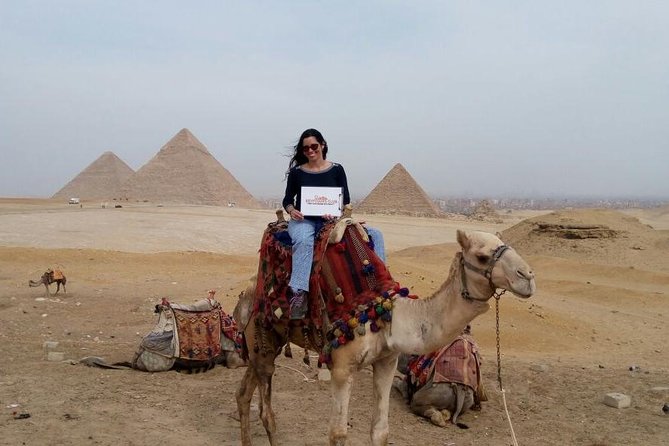
Cairo can overwhelm you fast: traffic, crowds, and the sheer number of things to see. This tour helps because it follows a logical storyline across three days: ancient “power” zones first, then early pyramid experiments and royal building sites, then the religious layers of Cairo.
You start at 8:00 am, which matters in Egypt. Earlier starts mean cooler temperatures and less day-glare at the major outdoor stops. The plan is also structured around private transport, so you’re not relying on multiple tickets, transfers, or public schedules when you’d rather be looking up at history.
The private setup is more than a comfort perk. When you’re paying for a private day, your guide can explain what you’re seeing in the right order—so the pyramids, temples, churches, and mosques start to feel connected instead of random.
You can also read our reviews of more private tours in Cairo


Day 1 at Giza: Egyptian Museum First, Then Pyramids and Sphinx
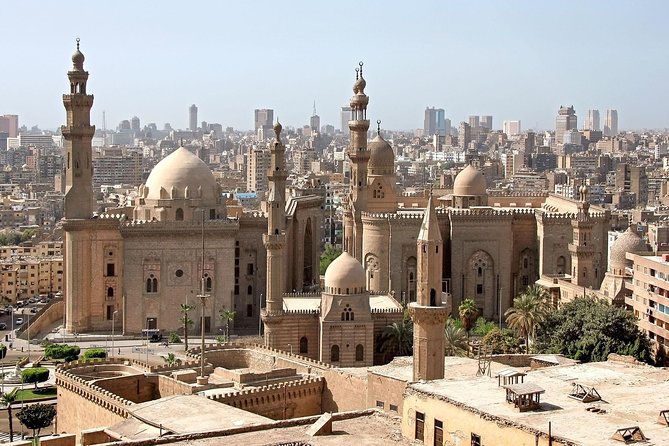
The first day is smartly designed. You begin with the Egyptian Museum, then shift to Giza for the iconic monuments. Starting indoors first gives you a controlled start to a busy day, and it’s where you get context before the pyramids hit you.
Egyptian Museum highlights: King Tut and the bigger picture
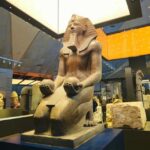
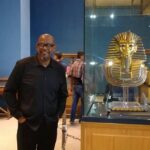
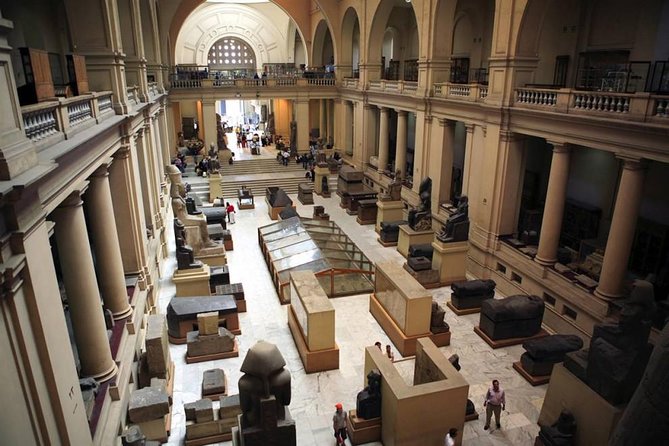
The museum stop is listed as 165,000 Egyptian artifacts with the treasures of King Tutankhamen as the headline. If you like your history with strong characters, Tut is a perfect anchor: you’ll see the six gilded coffins in the main hall and the death mask as a key draw.
There’s also the option to visit the Mummies Hall for an additional cost. In practice, I treat this as a personal choice: if you’re already museum’d out or you prefer outdoors, you can skip. If you want maximum variety, add it—this is one of those places where going deeper can change how you picture ancient Egypt.
Optional Nile boat ride: good for a break
After the museum and lunch, you have an optional small boat sailing along the Nile. Even if you skip it, the idea is useful: it gives you a breather between the intense Giza visuals and the evening energy.
If you do take it, think of it as a pacing tool. You’ll come off the water feeling less like you’re sprinting through “sight goals” and more like you actually experienced Cairo.
Pyramids of Giza and the Sphinx: free time means you choose your comfort
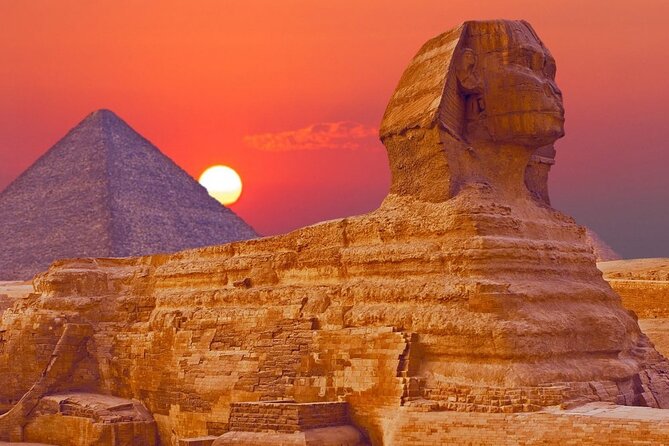
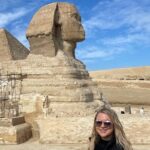
Then comes Giza: the Pyramids of Giza and the Sphinx, including time for the experience itself. You’re also given free time to enter one of the pyramids for an additional cost if you want.
Here’s a practical tip for planning your energy: pyramid entry is more time and more tight space than people expect. If you’re traveling with kids, older relatives, or you just want the best views without claustrophobia, you can still get a lot out of standing near the monuments, taking photos, and listening while you keep your schedule calm.
A few more Cairo tours and experiences worth a look



The small culture stops: papyrus and perfume
This day includes shopping time and two cultural stops: a perfume factory and a traditional papyrus institute. This is one of those “use it or skip it” parts of Cairo tourism. The value is in seeing how papyrus is made and how artisans talk about their materials. The trade-off is time spent in shopping-friendly environments, so set your expectations: you’re there to learn and browse, not to be upsold into something you don’t want.
Inside the Pyramids Decision: What’s Included vs. What Costs Extra
The tour includes entrance fees to the mentioned sights, and it specifically notes that inside-pyramid entry is not included. That distinction is worth understanding before you go, because it affects your budget and your timeline inside the complex.
Here’s what the plan clearly treats as extra:
- Entrance fees to inside Pyramids
- Entrance fees to the royal hall of Mummies
- Drinks (lunch is included, drinks aren’t)
So what should you do?
If you want the “wow” of seeing the interior scale up close, budget for at least one inside-pyramid visit. If you prefer photos, open-air views, and a less intense pace, you can skip the extra and still leave with the feeling of having “done Giza” the right way.
Day 2: Step Pyramid of Djoser, Memphis, and Dahshur’s Bent and Red Pyramids
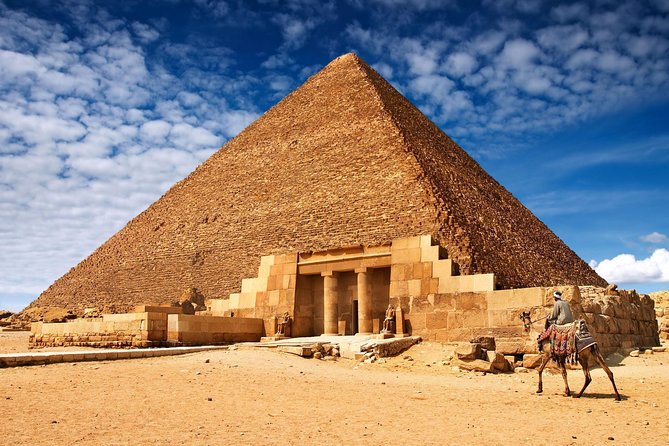
Day 2 shifts the focus from the famous “big three” pyramids to the early story of pyramid building. This is where your trip gets smarter, because it stops being only about the icons and starts being about how Egypt built toward them.
Step Pyramid of Djoser: the first big attempt that mattered
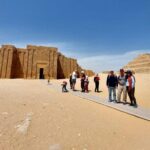
You’ll visit the Step Pyramid of Djoser, described as the first successful attempt at pyramid building in Egypt. This stop is powerful because it shows the evolution. Instead of thinking pyramids appeared fully formed, you see the step-by-step design concept.
Also, it’s a chance to let your guide do what a great guide does: explain the difference between visual myth and architectural reality. Even if you’ve seen pictures, being there in person helps you register the scale and intention.
Memphis: legends, setting, and a museum stop
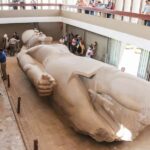
Next is Memphis city, tied to the ancient setting of the Nile delta and described through legend. The itinerary includes a Memphis museum time, which helps connect “place names” to actual objects and interpretations.
Memphis is a good day-two anchor because it’s not just another pyramid stop. It helps you understand how Egypt’s power centers worked beyond one monument.
Dahshur: Red Pyramid and Bent Pyramid
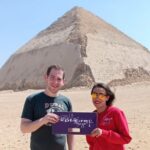
Then you drive to Dashur for the Bent Pyramid zone, visiting both the Red Pyramid and the Bent Pyramid. This part is worth extra attention because Dahshur is often less “tourist-samey” than the most famous spots. You get a change of angle, a different feel, and the chance to compare pyramid shapes and what people believe they represent.
The itinerary includes time to return to your hotel for a rest. That matters. Day 2 can feel like a history binge if you don’t take a real pause, especially with Cairo heat and sun.
Day 3: Coptic Cairo and Islamic Cairo in One Big Day
Day 3 is where Cairo stops feeling like a museum of monuments and starts feeling like a living city layered over time. You’ll explore Christian and Islamic Cairo with major stops that make the religious history visible on the streets.
Hanging Church and Coptic Museum
You begin with Coptic Cairo, walking in the oldest streets between ancient Islamic and Coptic monuments. The plan includes the Hanging Church, named for its location above a gatehouse of Babylon Fortress.
Then you go to the Coptic Museum, described as holding the largest collection of Egyptian Christian artifacts in the world. Nearby is the Ben Ezra Synagogue, linked here to the discovery of the geniza store room in the 19th century.
This day works well because it gives you a break from pyramid thinking. You’ll notice how the city’s identity changes when you shift from building monuments to preserving faith and everyday culture.
Citadel of Saladin, Mosque of Muhammad Ali, and Khan el-Khalili
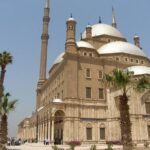
Next up is the Citadel of Saladin, then you’ll have lunch and a walk through Khan El Khalili Street. The itinerary also includes the Mosque of Muhammad Ali.
Khan el-Khalili is a great final-day activity because it’s not just “look at a building.” It’s a sensory stroll: old stalls, trade routes, and the kind of market energy that makes Cairo feel human-scale again after big-ticket monuments.
One practical thought: markets can encourage shopping pressure. Your best move is to browse with your guide, ask questions, and decide early if you want to buy. If you don’t, make that clear and keep walking.
Transport, Pace, and Comfort: How to Get More From the Days
This tour uses private vehicle transport with hotel pickup and drop-off. That’s a big deal in Cairo, where travel time can be unpredictable.
A few practical notes that help you enjoy it:
- Wear comfortable walking shoes. Day 3 especially includes street walking.
- Plan for heat and sun. You’ll be outdoors at Giza and Dahshur.
- Use the bottled water. Bottled water is provided for each day, which is nice when you’re moving nonstop.
- Expect optional extras. Nile boat is optional, and inside-pyramid entry has an additional cost.
- Bring a valid passport on travel day, since a current passport is required.
If you travel with kids or you want a calmer pace, this is one of the strengths that comes through in how the guides operate. You’re not stuck with a single “group herding” rhythm.
Price and Value at $350 Per Person: Is It Fair?
$350 per person for three days is a reasonable figure when you look at what’s included:
- Hotel pickup/drop-off and private vehicle transport
- Qualified private Egyptologist guide
- Entrance fees to the listed sights
- Bottled water daily
- Lunch (3)
- Mobile ticket
The main costs you should plan for are the clearly listed extras:
- Inside pyramids
- Royal mummies hall
- Drinks
So the value question becomes simple. If you’re the type who wants one inside-pyramid visit and maybe the mummies hall, you should budget a bit above the base price. If you’re happy with the major sights from the outside and you want a lighter schedule, the included pricing likely feels closer to “all set.”
Also remember this is private-only your group. Even if you travel as two people, you’re usually paying for the guide and driver time. If you want Cairo without planning headaches, this is one of those packages that can save more stress than money.
Practical Tips for Cairo Days You Don’t Want to Regret
A few things I’d do before walking out the door in Cairo:
- Bring cash for extras like inside-pyramid entry and any on-the-spot fees not covered.
- Decide your pyramid plan in advance. Once you’re at Giza, the choice is easier with your mind made up.
- Don’t treat papyrus and perfume stops as a must-buy. Think of them as a look-and-learn moment first.
- Use the lunch breaks strategically. Lunch is included, but you still want to hydrate and take it easy so you don’t crash later.
- Keep your expectations realistic for Day 1. Egyptian Museum plus Giza plus Sphinx plus cultural stops can feel full. That’s not a flaw; it’s how you cover the classics.
Should You Book Cairo Tours Private for 3 Days?
Book it if you want an efficient, private Cairo experience that covers the main pillars: Giza, Saqqara/Djoser + Memphis, Dahshur, and Coptic/Islamic Cairo. It’s a solid fit for first-timers who don’t want to stitch together multiple guides and tickets.
Skip or consider a different option if you’re trying to keep costs ultra-low, because inside-pyramid entry and certain museum add-ons are extra. Also, if you strongly dislike shopping stops, be aware that the day includes perfume and papyrus factory visits.
If you like structure but still want some choices—like pyramid entry and the Nile boat—this one works. And with hotel pickup, private transport, and lunches handled, you spend your time on what matters: the monuments, the stories, and the street-level Cairo moments.
FAQ
What time does the tour start?
The tour starts at 8:00 am.
Is hotel pickup and drop-off included?
Yes. Hotel pickup and drop-off are included, along with private transport by A/C vehicle.
Are lunches and bottled water included?
Yes. Bottled water is provided for each day, and lunch is included for all three days.
Are entrance fees inside the pyramids included?
No. Entrance fees to inside the pyramids are not included, though you may have free time to enter one of the pyramids for an additional cost. The royal mummies hall is also not included.
Is this a private tour?
Yes. It’s a private tour/activity, and only your group participates.
Can I get a full refund if I cancel?
Yes. Free cancellation is offered up to 24 hours in advance for a full refund.