REVIEW · CAIRO
Cairo Half Day Tours visit Islamic Cairo & ancient mosques
Book on Viator →Operated by EMO TOURS EGYPT · Bookable on Viator
Minarets, stone, and a market stop in one half-day. This Cairo tour strings together the Citadel area and some of Islamic Cairo’s best-known mosques with a local guide who helps you understand what you’re looking at, not just where it is. I especially like the practical door-to-door transfers and the built-in entry fees, so you spend your time sightseeing instead of bargaining at ticket booths.
One thing to consider: the schedule is tight, with several stops that are about 30 minutes each. If you want long, slow visits or you get bothered by crowds (Friday prayer can be busy), plan your expectations around short mosque stops and quick pacing.
In This Review
- Key highlights you’ll actually feel
- Islamic Cairo in a half day: why this route works
- Salah El-Din Castle and Mohamed Ali Mosque: the Alabaster Mosque moment
- Al-Rifa’i Mosque: the clean “before and after” feeling
- Al-Azhar Mosque: 30 minutes that actually counts
- Sultan Hassan area and El Hussein Mosque: two quick, important pauses
- Khan el-Khalili bazaar: where the day turns practical
- Price and what you get for $45
- Logistics that keep your day from turning into chaos
- What your guide quality can change (and how to work with it)
- Clothing, prayer days, and crowd control
- Should you book this Cairo Islamic Cairo half-day tour?
- FAQ
- Is hotel pickup and drop-off included?
- What’s the duration of the tour?
- Are entrance fees included?
- What mosques and sites are visited?
- Is lunch included?
- What’s included in the price?
- Is this tour private?
- Is there free cancellation?
Key highlights you’ll actually feel
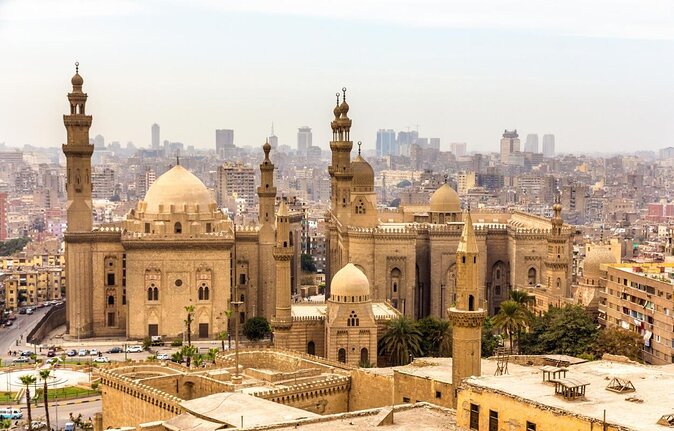
- Salah El-Din Castle and Mohamed Ali Mosque (Alabaster Mosque): the big wow-factor start, with iconic white-stone walls.
- Al-Rifa’i Mosque across from Sultan Hassan: two monumental buildings that make the timeline click in your head.
- Al-Azhar Mosque in a short window: see one of Cairo’s most important Fatimid-era sites without wasting time.
- El Hussein Mosque stop: quick visit to a revered hallowed site connected to Islamic tradition.
- Khan el-Khalili bazaar time: brass, copper, perfumes, leather, silver, gold, antiques, and yes, haggling.
- Hotel pickup and drop-off: saves effort in Cairo traffic, plus bottled water and a guide are included.
Islamic Cairo in a half day: why this route works
Islamic Cairo can feel like a maze when you’re doing it solo. Streets bunch together, mosques look similar from a distance, and it’s hard to tell what’s from which century. This tour’s value is that it gives you an order to follow, with just enough time at each place to understand the big ideas.
You’ll start at the Citadel area, then move through a classic cluster of landmarks in Islamic Cairo, and finish in Khan el-Khalili. That structure matters because these sites are close enough to connect them in one thought, but far enough that you still benefit from transportation and a local guide.
This is also a comfortable length. At about 3 to 5 hours, you get the sense of “I saw Cairo’s mosque city” without losing your whole day to logistics.
You can also read our reviews of more tours and experiences in Cairo.

Salah El-Din Castle and Mohamed Ali Mosque: the Alabaster Mosque moment
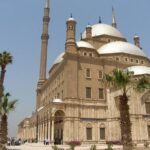
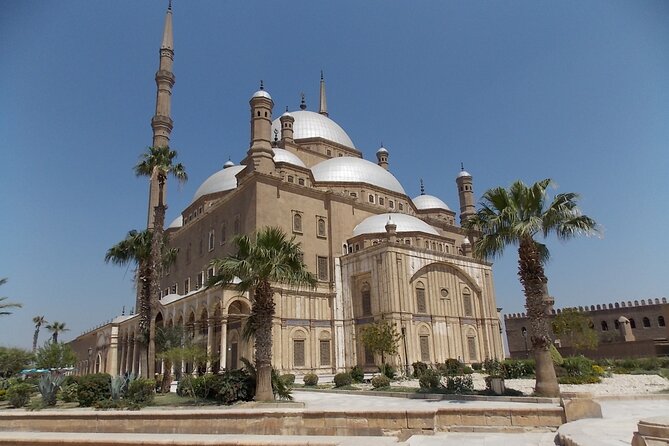
Your first major stop is the Citadel of Salah El Din, with time to visit the Mohamed Ali Mosque, often called the Alabaster Mosque because its outer walls are covered in pale stone. Even if you only have about an hour here, this is the kind of place that resets your expectations about Cairo’s architecture.
What I like about starting at the Citadel is the way it frames everything else. You get the scale, you notice the shape language, and then later mosques stop feeling random. They start feeling related.
Practical tip: dress matters. Mosques in Egypt typically require shoulders and knees covered. In at least one guide experience, the guide helped with appropriate clothing and headscarves before heading in, which tells you your guide will think about the details that keep visits smooth.
If you’re arriving for the first time, this first stop is also where you’ll be happiest if you take questions. Ask what makes this mosque different from the others you’ll see later, because your guide can tie the look to purpose and era.
Al-Rifa’i Mosque: the clean “before and after” feeling
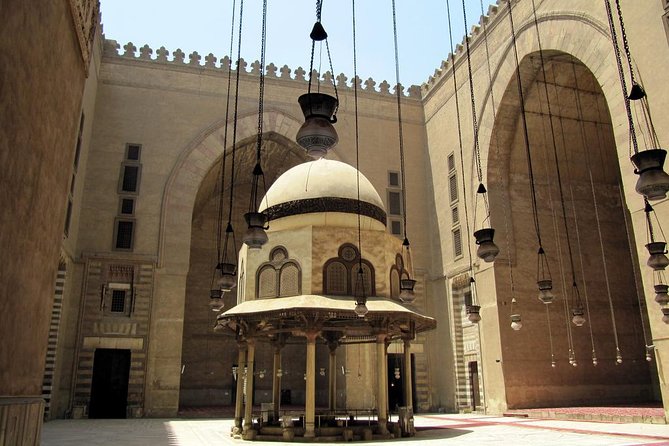
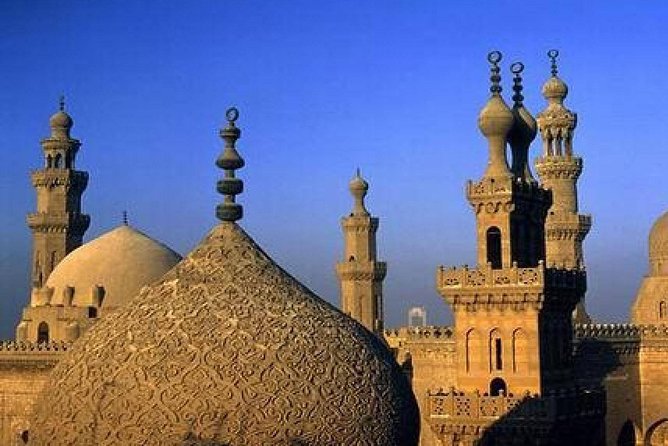
Next up is the Al-Rifa’i Mosque, positioned opposite the Mosque-Madrasa of Sultan Hassan (which you’ll see later). This pairing is smart. Seeing the buildings across from each other gives you a clearer sense of how Cairo’s rulers used architecture like a statement.
Time here is about an hour, with admission included. That’s long enough to notice the overall form, then get the meaning behind the name and the role of the complex in Islamic Cairo.
One useful thing to know: the Al-Rifa’i Mosque is tied to a 19th-century effort to connect to earlier Islamic glory in Egypt’s history and to modernize the city. You don’t need to memorize dates. You just need to understand the motive: buildings like this weren’t only about worship; they were also about political identity.
If you’re the kind of person who likes photos, this is a great stop—just remember that you’re in active sacred space. Move respectfully and don’t block pathways while you shoot.
Al-Azhar Mosque: 30 minutes that actually counts

Then you drive to Al-Azhar Mosque, one of Cairo’s most important sites. You’ll get about 30 minutes here, and admission is included. That short stop is deliberate: it gives you the highlight without blowing your schedule before Khan el-Khalili.
This mosque’s backstory matters for how it feels on the ground. It was commissioned for the Fatimid Caliphate when Cairo was being established as a capital city. Its commonly used name is linked to the word az-Zahrā, often described as shining or resplendent. If your guide explains this as you look around, you’ll feel how the architecture carries meaning even when you’re not reading a plaque.
Because your time is limited, focus on orientation:
- Look first for the main visual features.
- Then ask one or two questions about what you’re noticing.
- Don’t get stuck taking every photo angle.
Some guides also add cultural context that changes the experience—like how locals understand daily life around these religious sites. Even in a short stop, that kind of framing makes a difference.
Sultan Hassan area and El Hussein Mosque: two quick, important pauses
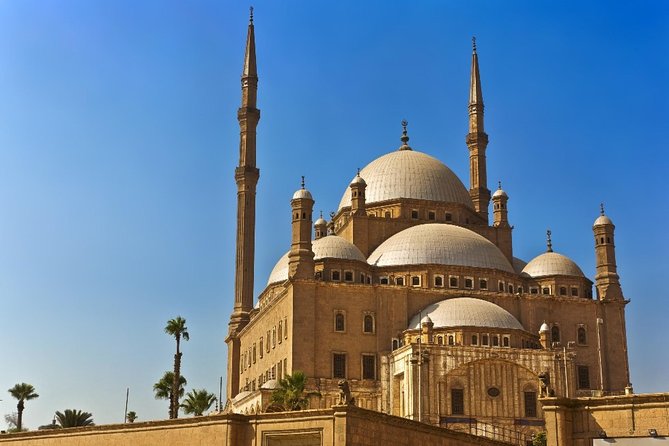
The tour includes the Mosque-Madrasa of Sultan Hassan area, plus a stop described as El Hussein Mosque. Your time here is about 30 minutes, with admission included.
El Hussein Mosque is hallowed in Islamic tradition and is believed to be connected to the burial site of the head of the Prophet Muhammad’s grandson. That religious importance is why this stop feels less like sightseeing and more like participating in a living faith space.
If you’re thinking ahead for comfort: expect people, noise, and movement. Even with good guiding, the actual environment can be the star. If crowds bother you, choose your day wisely. A Friday visit was described as extremely busy in one experience, with large numbers of people (especially children), so timing really matters.
Also: keep your expectations realistic. You’re not trying to “see everything.” You’re trying to understand the role of this space in Islamic Cairo, then move on to the market with fresh energy.


Khan el-Khalili bazaar: where the day turns practical
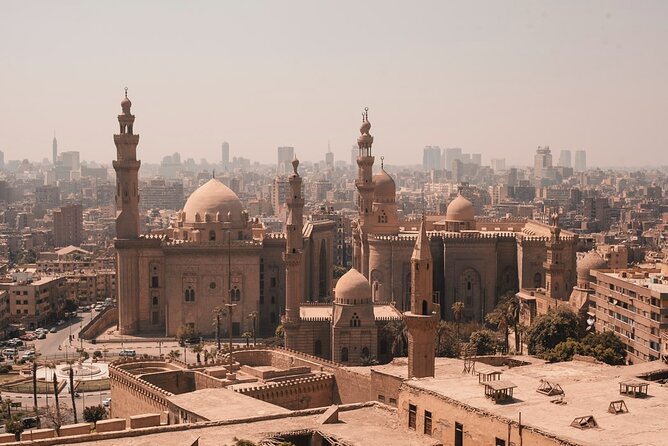
After the mosques, you’ll head to Khan el-Khalili. This is your chance to shift from monuments to everyday Cairo craft and commerce.
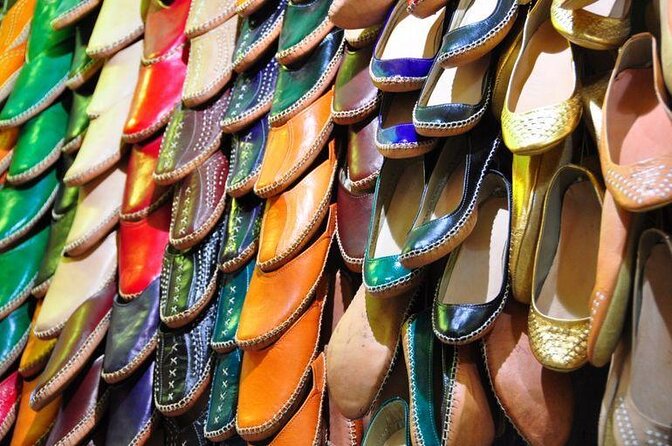
This bazaar area is known for trading fine brassware, copper, perfumes, leather, silver, gold, and antiques. The shopping part isn’t included as a fixed activity, but the tour gives you the time and proximity to browse and negotiate.
Here’s how I’d approach it:
- Decide what you want before you enter (a specific souvenir type helps).
- Expect haggling as normal behavior, not a personal contest.
- If a shopkeeper offers something with a story, ask basic questions about materials and what’s included.
One helpful detail: a guide can save you from wandering in circles. In one experience, the guide even helped find specific items tied to personal interests, which shows the flexibility of a good guide during free browsing time.
If you’re not a shopper, that’s fine. Khan el-Khalili is also a great place to just observe and photograph people and materials—respectfully, of course.
Price and what you get for $45
At $45 per person, the big question is value: do you get enough to justify the cost? In this case, you do.
Your ticket includes:
- A tour guide
- Hotel pickup and drop-off
- Entry fees
- Bottled water
On a half-day plan, entry fees matter. Mosques and major sites often have separate charges, and those can add up quickly when you’re booking individually. Here, the entrance fees are handled in the tour price, which makes budgeting easier.
You also get an option to include lunch, with local favorites like koshari mentioned as part of that optional add-on. If you’re trying to stay within a schedule and avoid hunting for food between stops, optional lunch can be a simple win.
One more value point: the tour is described as private, meaning it’s only your group. Even if you’re traveling with just a couple of people, that private setup usually makes the pacing and questions more flexible than a large group tour.
Logistics that keep your day from turning into chaos
Cairo traffic can be a stress test. The tour’s door-to-door transfers are one of the best parts for most visitors because it removes the hardest part of DIY planning: timing. You’re picked up, driven, guided, and dropped back.
It also helps that your day is built around close geographic clusters. You’re not sprinting across the city for every stop, and you’re not constantly asking yourself which direction the next mosque is.
Mobile tickets and group discounts are also included features, which can matter if you’re trying to avoid last-minute paperwork.
If you’re short on time in Cairo, this is the kind of tour that helps you get your bearings fast.
What your guide quality can change (and how to work with it)
This tour experience can be excellent when your guide is strong. I’m saying that because the guide experience in the provided stories varies: some guides were praised as exceptionally good at explaining history, customs, and culture in a way that makes the places click. Others had issues with pacing or explanation, so you end up seeing fewer key moments.
When your guide is doing it well, you’ll notice differences:
- You understand why each mosque matters, not just what to photograph.
- You get practical timing and respectful movement in and out of sites.
- You’re offered help with details like headscarves or fitting your visit into the day’s flow.
Specific guide names mentioned in experiences include Mirna (who helped with clothing and headscarves), Pierre, Deena, Essam, Tito, and Khaled. There are also references to drivers like Mena being part of what kept the trip smooth in busy Cairo driving.
If you want to maximize the odds of a great day, consider booking early and keeping your expectations realistic about time at each stop. Ask questions at the start, and if you have special interests, say so quickly. A flexible guide can adjust your focus during the same set route.
Clothing, prayer days, and crowd control
Mosques have rules, and Cairo has a rhythm. Your tour runs during the morning or midday depending on the day and schedule, and it may overlap with prayer activity.
A Friday experience was described as extremely crowded, with thousands of people and many children. That doesn’t mean the tour is worse. It means you should know what you’re walking into.
If you’re sensitive to crowds:
- Choose a weekday if you can.
- Keep your shoulders and knees covered.
- Bring a scarf if you have one, even if your guide may help you out.
Also, remember you’re visiting places of worship. Keep voices low, avoid blocking entrances, and treat photos as permission-based. A respectful pace helps you get both better photos and a better experience.
Should you book this Cairo Islamic Cairo half-day tour?
Book it if you want an efficient first taste of Islamic Cairo’s major mosques plus Khan el-Khalili without turning your day into transportation math. The price makes sense because entry fees and guide service are included, and the hotel pickup reduces stress.
Skip or reconsider if:
- You hate crowds and prayer-day chaos.
- You want long stays inside each mosque rather than a highlight circuit.
- You’re worried about guide variation. If you’re the type who needs very detailed explanations at every stop, plan to ask questions right away and stay engaged.
If you’re in Cairo for a limited time, this tour is a solid value: you come away with a clearer sense of how these monuments relate, plus a practical market stop to turn impressions into souvenirs (or at least into cool photos).
FAQ
Is hotel pickup and drop-off included?
Yes. The tour includes hotel pickup and hotel drop-off as part of the package.
What’s the duration of the tour?
It runs about 3 to 5 hours in total.
Are entrance fees included?
Yes. Entry fees are included (with the note that entrance fees can depend on the tour options chosen).
What mosques and sites are visited?
The tour includes the Mohamed Ali Mosque at the Citadel (Alabaster Mosque), Al-Rifa’i Mosque, Al-Azhar Mosque, Mosque-Madrasa of Sultan Hassan, El Hussein Mosque, and time at Khan el-Khalili.
Is lunch included?
Lunch is not included by default. There is an optional lunch at a local restaurant (koshari is mentioned).
What’s included in the price?
Included items are: tour guide, hotel pickup and drop-off, entry fees, and bottled water.
Is this tour private?
Yes. It’s listed as a private tour/activity, meaning only your group participates.
Is there free cancellation?
Yes. You can cancel for a full refund up to 24 hours before the experience starts.