REVIEW · SHARM EL SHEIKH
PADI Scuba Diver (PSD)
Book on Viator →Operated by Pyramids Diving Center · Bookable on Viator
Two days can still change how you see water. This PADI Scuba Diver program in Sharm el-Sheikh is a time-saver, built from the Open Water course steps, with PADI supervision and real Red Sea ocean time. I love how structured it is for a quick start, and I love the hands-on support that keeps things clear and controlled. One drawback: you’re not walking away with the full Open Water certification, and your training depth is limited to 12m.
Across the course, you’ll complete three confined-water sessions, three knowledge development sessions, and two open-water sessions in the Red Sea with an instructor. Hotel pickup and drop-off are included, plus equipment, beverages, snacks, and a buffet lunch on the boat. The group max is 35, and the start time is 8:00 am, so it’s very much a “show up ready, learn fast, then get in the water” kind of plan.
You’ll need a current valid passport on travel day and you’ll fill out a health questionnaire before any underwater activity. If you’re planning to fly, diving within 24 hours of flying isn’t recommended, and some medical conditions (like asthma or heart conditions) can stop you from participating. Also, bring a towel—small detail, big annoyance if you forget.
In This Review
- Key points before you commit
- What the PADI Scuba Diver credential gives you (and what it doesn’t)
- Your two-day rhythm: skills first, then two open-water sessions
- The Red Sea boat day: what’s included and why it matters
- Equipment and instruction: what to look for during your course
- Marine life and reef expectations near Sharm el-Sheikh
- Price and value: what you pay ($319.87) and what to budget
- Logistics that can trip you up: time, health checks, passport, towels
- Who should book this PSD in Sharm el-Sheikh (and who should skip)
- Should you book the PADI Scuba Diver program here?
- FAQ
- Is this a full PADI Open Water certification?
- How deep can I go during the course?
- What’s included in the price?
- Do I need my own scuba equipment?
- Are national park fees included?
- Do I need the PADI manual or e-certificate during the course?
- What paperwork do I need on the day of travel?
- Is hotel pickup included?
- What if the weather is bad?
- Is there a minimum age?
Key points before you commit
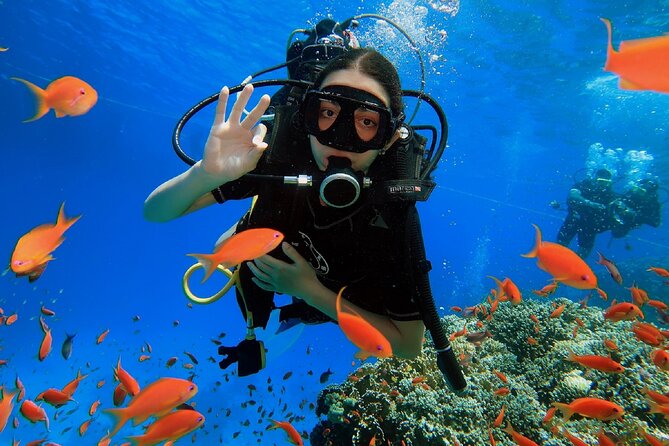
- PSD is course-structured: confined-water skills plus knowledge sessions, then two open-water sessions.
- Depth limit is real: training limits you to 12m, and later guided underwater plans may require a private guide.
- Transfers and gear are covered: hotel pickup/drop-off, return transfers, and equipment are included.
- Boat day comfort: you’ll have hot and cold beverages, snacks, and a buffet lunch with soft drinks.
- Good safety signals in guide feedback: strong praise for calm instruction and feeling safe with the center’s instructors (including Hani Hendy, Shams, Ahmed, Farid, Mena, Mustafa, and Amr Kandel).
- Not everything is included: national park fees, the PADI manual/e-certificate, and photo add-ons cost extra.
What the PADI Scuba Diver credential gives you (and what it doesn’t)
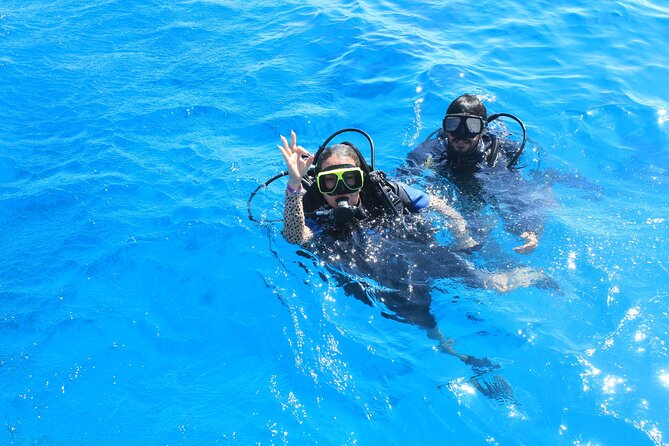
The PADI Scuba Diver (PSD) is part of the larger PADI Open Water Diver pathway. Practically, that means you get the key early steps: the basics of scuba equipment and techniques, plus supervised underwater experience in the Red Sea. If your calendar is tight and you want something more meaningful than a snorkel day, PSD is a sensible way to get your feet wet in scuba training.
What you shouldn’t assume is “full Open Water done.” PSD’s training depth is limited to 12m, and PSD is designed to be an intermediate step—not the end of the certification journey. After finishing, if you plan guided underwater trips that go beyond what your course limits allow, you’ll need a private scuba guide (the requirement is stated as a condition for guided dives after the course). That matters because it changes how you plan future scuba days.
The value here isn’t just the badge. It’s the structure: confined-water sessions teach you control, buoyancy fundamentals, and basic procedures in a controlled environment. Then the Red Sea open-water sessions apply those skills where it counts—under real conditions with real visibility, fish, and current you have to respect.
You can also read our reviews of more scuba diving tours in Sharm el Sheikh
Your two-day rhythm: skills first, then two open-water sessions
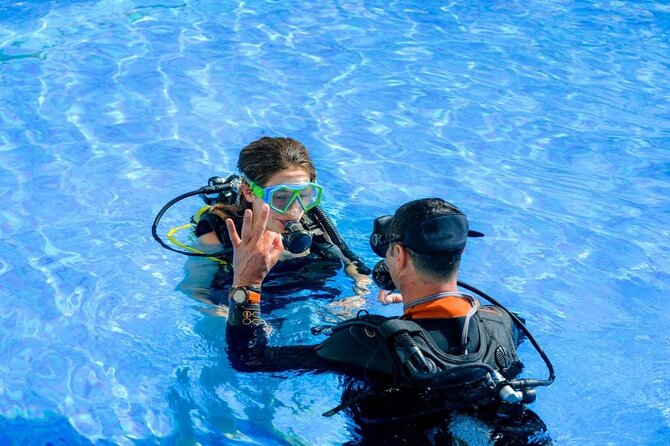
This program runs for about 2 days, and it’s built around three distinct blocks of learning:
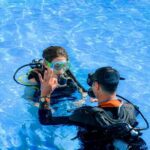
- Three confined water sessions: you’ll practice core scuba skills under instructor supervision in a more controlled space.
- Three knowledge development sessions: you’ll go through the theory that keeps you safe—equipment roles, procedures, and what to do when conditions change.
- Two open-water sessions in the Red Sea: you apply the skills for real-world underwater time, still under instructor guidance.
Because the schedule is split into learning + skills + application, you don’t just “try scuba.” You get a fast course that covers what you need to understand before you go deeper into the hobby later.
The start time is 8:00 am, so plan your morning like a serious activity day. Also note the maximum group size is 35. That’s not tiny, but it’s large enough that you’ll benefit from being attentive during briefings and quick to follow instructor directions.
The Red Sea boat day: what’s included and why it matters
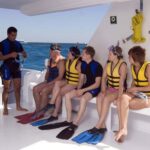
You’ll go out on a boat owned by the operator, and the idea is simple: get you to the water without turning your day into a logistics maze. On the ocean side of the program, you get a buffet lunch plus soft drinks, along with hot and cold beverages and snacks.
This matters more than it sounds. Scuba training days are tiring. Between gear, breathing work, and sun exposure around the water, you burn energy faster than you expect. Having food and drinks included helps you stay functional for the next session instead of hunting for lunch with wet hair and a puffy face.
One more practical note: towels are required. That’s the kind of “little” thing that can derail your morning if you forget. Pack one, keep one dry, and you’ll move through the day smoother.
Equipment and instruction: what to look for during your course
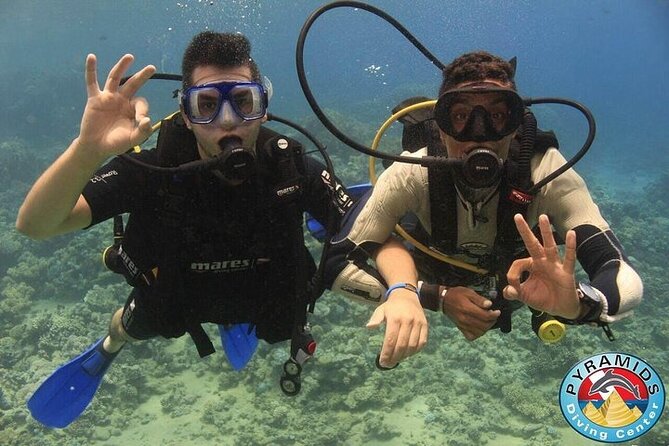
Equipment is included, and you’ll have a PADI instructor throughout the training. In plain terms: you’re not on your own figuring out how your gear works. You get coached while you wear it, test it, and learn what each part is supposed to do.
The best part is how the instruction is described in feedback from the center’s wider scuba programs. I’m using these signals to help you judge the vibe you’ll likely get. In multiple reviews, instructors and guides are praised for calm, clear explanations and for making people feel safe—names that come up include Hani Hendy, Shams, Ahmed, Farid, Mena, Mustafa, and Amr Kandel. People also mention timely pickup and well-maintained gear.
If you’re new to scuba, pay attention to how the instructor runs briefings. You want steps you can repeat, not information that flies by. In this kind of PSD course structure, that briefing style becomes your safety net. The center’s feedback repeatedly points to that same “clear and calm” approach, which is exactly what beginners need.
Marine life and reef expectations near Sharm el-Sheikh
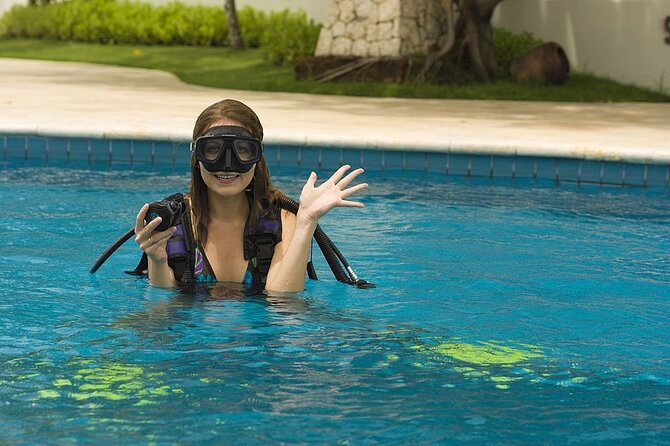
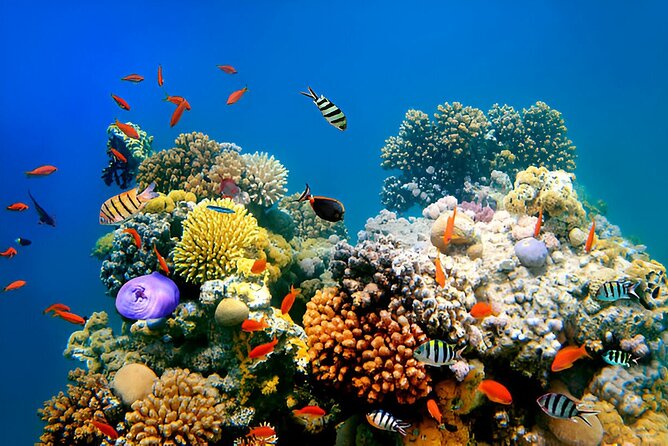
PSD’s training is about learning control and safety, so you shouldn’t expect the day to be only about sightseeing. Still, Sharm el-Sheikh is famous for a reason: you can see impressive reef life once you’re comfortable.
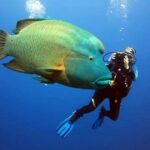
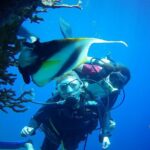
From the center’s other programs, you’ll often see mentions of a house reef, plus famous sites like White Knight and Ras Muhammad. People also report seeing big fish such as Napoleon fish, and they mention stingrays. Some trips are even described as including night underwater sessions, and one review mentions open cave passages.
Can you count on any single site or animal on your PSD days? No—conditions, training needs, and planning can change what’s best. But the consistent mentions of healthy reef areas and memorable wildlife are a good sign that the area offers more than boring water time.
If you want one practical strategy: treat the learning sessions as the ticket to better underwater viewing. The more stable your buoyancy and the more you follow the plan, the more time you’ll actually spend looking at fish instead of chasing your gear or correcting your position.


Price and value: what you pay ($319.87) and what to budget
At $319.87 per person, this PSD package is priced for people who want structured scuba training without going all-in on the full Open Water pathway right now. The value is strongest when you compare what’s included:
- Hotel pickup and drop-off / return transfers
- PADI instructor
- Scuba equipment
- Hot and cold beverages, snacks
- Buffet lunch and soft drinks (on the boat)
- Mobile ticket
What’s not included is where you should budget a little buffer:
- National park fees
- PADI manual and the e-certificate
- Underwater DVD (optional)
- Souvenir photo options (optional)
So the question isn’t just “is it cheap?” It’s “am I paying for a complete, supported day without scrambling for extras?” For most first-timers, the included transfers, gear, and instructor time are the biggest cost reducers. You’re buying convenience plus professional coaching, which is usually the hard part to DIY.
Logistics that can trip you up: time, health checks, passport, towels
A few details are worth planning around because they affect whether you can actually do the activity smoothly.
Health questionnaire: You’ll be required to complete one before any underwater activity. If you have asthma or heart conditions, you may be prevented from participating—so check with your doctor if there’s any doubt.
Flying timing: Diving within 24 hours of flying isn’t recommended. If your trip involves a long flight, consider adding a day buffer.
Passport: A current valid passport is required on the day of travel. Bring it.
Towels: Towels are required for the activity. Pack one.
Group size and start: Maximum 35 travelers, start time 8:00 am. That early start is great if you like mornings, but it means a late night before is not ideal.
Age: Minimum age is 10 years, so it’s an option for older kids who meet health requirements and can handle instruction.
Who should book this PSD in Sharm el-Sheikh (and who should skip)
This experience is a strong match if:
- You want a fast, structured introduction to scuba with PADI supervision.
- You’re short on time but still want real ocean underwater sessions, not just a casual snorkel day.
- You like the idea of learning skills in confined water first, then applying them in the Red Sea.
- You want hotel pickup, equipment, and food handled so you can focus on the learning.
It may not be the best choice if:
- You want full Open Water certification and unlimited depth right away (PSD doesn’t end there).
- You’re relying on guided underwater trips after the course where the depth limits would matter, because a private scuba guide may be required.
- You have medical conditions that could interfere with participation in scuba training.
If you’re deciding between PSD and something longer, here’s the practical mindset: PSD is for getting your basics and your first ocean sessions efficiently. If scuba becomes a serious long-term hobby for you, you’ll likely want the rest of the Open Water pathway later.
Should you book the PADI Scuba Diver program here?
I’d book this program if you want a well-paced start to scuba with clear instruction, included gear, and the support of pickup and boat-day comfort. The consistent theme in the center’s feedback is calm teaching, organization, and a safety-first approach—those are exactly the things that make a beginner course feel manageable.
I’d hesitate if your schedule is tight due to flying within 24 hours, or if you have health concerns that might complicate the health questionnaire. Also, if you know you’ll immediately want guided underwater experiences beyond your course’s training depth without arranging an additional private guide, plan that cost and planning ahead.
If you’re ready to learn fast, follow instructions, and treat PSD as step one in a bigger scuba journey, Sharm el-Sheikh is a great place to do it.
FAQ
Is this a full PADI Open Water certification?
No. PADI Scuba Diver (PSD) is part of the Open Water Diver course pathway. The course includes three confined water sessions, three knowledge development sessions, and two open water sessions.
How deep can I go during the course?
Your depth is limited to 12m during the PSD training.
What’s included in the price?
The price includes PADI instructor support, equipment, return transfers (hotel pickup and drop-off), snacks, hot and cold beverages, and the boat day includes lunch and soft drinks.
Do I need my own scuba equipment?
No. Equipment is included as part of the experience.
Are national park fees included?
No. National park fees are not included.
Do I need the PADI manual or e-certificate during the course?
The PADI manual and e-certificate are not included, so you should plan for those separately.
What paperwork do I need on the day of travel?
You’ll need a current valid passport on the day of travel. You’ll also complete a health questionnaire prior to diving/scuba activity.
Is hotel pickup included?
Yes. Return transfers are included, with pickup offered.
What if the weather is bad?
This experience requires good weather. If it’s canceled due to poor weather, you’ll be offered a different date or a full refund.
Is there a minimum age?
Yes, the minimum age is 10 years.