Dark desert skies start with one short drive. This Sharm el Sheikh stargazing trip mixes a camel ride and a camp-style dinner with a telescope-led look at the sky, in the Wadi Khroume Valley area. One consideration: the telescope experience is not the same for everyone, and some people find it underwhelming if they expect it to beat naked-eye viewing every time.
What I really like is how the evening is paced. You get a full Bedouin feast in tents, plus oriental shows that keep the energy up before the sky portion. If you’re expecting the trip to go super deep off-road for dramatic desert time, plan for a more straightforward drive-and-camp setup.
That makes it a solid value option for families, couples, and groups who want stars and entertainment without a full-day commitment.
In This Review
- Key highlights you’ll actually care about
- Why Wadi Khroume Valley makes this stargazing plan work
- Pickup, camel transfer, and how the desert timing feels
- Bedouin BBQ dinner: what you’ll eat and why it’s part of the magic
- The fire show and El Tannoura performance before the stars
- Star gazing with the astronomy guide and modern digital telescope
- What you should expect: realistic outcomes and small disappointments
- Price and value: is $49.99 a fair deal?
- Who should book this tour, and who might skip it
- Quick practical tips before you go
- So, should you book it?
- FAQ
- How long is the Sharm stargazing trip?
- What time does the tour start?
- Is hotel pickup and drop-off included?
- What’s included in the BBQ dinner?
- Is camel riding included?
- Do you get telescope time for stargazing?
- What’s the cancellation policy?
Key highlights you’ll actually care about
- Wadi Khroume Valley star conditions: you’re in a desert setting outside the city glare for the best chance at a clear sky show
- Hotel pickup and drop-off: less hassle, more time for dinner, shows, and stargazing
- Bedouin open-buffet BBQ: grilled chicken and kofta with rice, pasta, multiple salads, bread, plus tea
- Fire show and El Tannoura: folkloric performances that lead naturally into the night-sky segment
- Modern digital telescope: astronomy guide helps you locate constellations and planets like Saturn
- Small group feel: capped at 25 travelers, so the night doesn’t turn into chaos
Why Wadi Khroume Valley makes this stargazing plan work
Stargazing near Sharm el Sheikh is the kind of thing that can go either way: if you’re still close to lights, the stars look like they’re playing hide-and-seek. This tour’s big advantage is timing and setting. You head out in the late afternoon and evening, and you settle into the Wadi Khroume Valley desert area where the night sky stands a better chance of showing up the way it should.
The structure is simple: desert arrival, dinner and shows, then telescopes and a guided explanation of what you’re seeing. That order matters. You’re not freezing in the dark while you wait for the “real part” to start. You’re fed, warmed up (figuratively and literally, thanks to fire-candle camp vibes), and then the guide takes over for the sky session.
I also like that this isn’t sold as a one-trick pony. The evening includes Bedouin-style bread cooking and an open-buffet BBQ, so even if clouds roll in (they happen anywhere), you still have a complete experience.
A few more Sharm el Sheikh tours and experiences worth a look
Pickup, camel transfer, and how the desert timing feels
Pickup is part of the deal. You’re collected from your hotel and driven to the Khroume Valley area, which is about 20 minutes from Sharm el Sheikh city. Start time is listed as 4:00 pm, while the day-of timing often says pickup is usually around 3:00 pm. Either way, you’ll be leaving in the afternoon so you arrive before dinner and the performances.
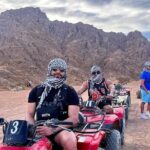
Once you’re at the camp area, the camel ride is included. A camel ride sounds “extra” on paper, but it’s actually useful here. It sets the tone fast, and it breaks up the waiting time before dinner. It also helps you feel like you’ve left the city behind without turning the trip into a hardcore desert safari.
One practical note from experience-style logic: because the drive to the valley is short, the “desert” part of this trip is more about the camp setting and night sky than about hours and hours of remote, deep desert driving. If you want that long, off-road journey vibe, you may find this feels closer to a desert evening with stargazing than a full desert expedition.
Bedouin BBQ dinner: what you’ll eat and why it’s part of the magic
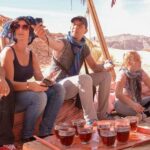
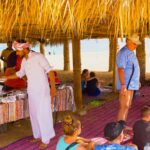
The dinner is served in Bedouin tents and is an open buffet. It’s built around a BBQ-style spread, with fresh grilled items like chicken and kofta, plus cooked potatoes, rice, pasta, and three kinds of oriental salads. You also get fresh bread, plus mineral water and soft drinks.
There’s a lot packed into that list, and for $49.99 per person, the value is in the “variety + quantity” combo. You’re not paying for a tiny sample plate. This is a proper meal, and it’s timed to keep you comfortable before the night-sky session.
What I like most is the authentic-feeling touch points: bread cooking in the camp atmosphere, and the whole dinner experience wrapped into the same desert setting where the shows happen. This isn’t dinner-and-a bus. It’s dinner that’s part of the event.
A quick reality check: this is an open buffet. That means quality can’t be perfect in every spoonful, but the overall structure is designed to satisfy a range of appetites quickly. If you’re picky or have strict dietary needs, you’ll want to double-check what’s available on-site when you arrive since the specifics aren’t described beyond the main items.
The fire show and El Tannoura performance before the stars
After dinner, you’ll shift into entertainment: oriental and folkloric shows, including a fire show and the El Tannoura performance. These are not random add-ons. They fill the gap between meal-time and the moment the telescopes come out.
The timing works for two reasons:
1) You’re already in “night mode” when the performances start, so the camp atmosphere feels intentional.
2) The show portion gives you something to watch even when the sky isn’t instantly cooperative.
El Tannoura is especially worth paying attention to because it’s a strong visual anchor. By the time you transition from performance to astronomy, you’re not mentally scrambling. You’re already settled into the night setting.
If you’re traveling with kids (or anyone who struggles with waiting quietly), this show segment is a big part of why the tour lands well. It keeps the energy up while the evening progresses at a human pace.
Star gazing with the astronomy guide and modern digital telescope
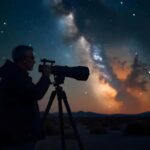
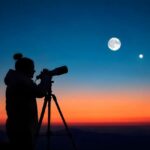
Now for the headline: star gazing. An astronomy guide brings you into the stargazing setup and explains what you’re looking at—constellations, planets, and how to locate them.
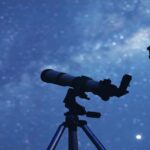
You’ll use a modern digital telescope. The goal isn’t only to point and shoot, but to help you understand the sky. That’s why the tour setup emphasizes guidance like how to find planets such as Saturn, and how binocular-style looking ties into what you can see in the sky.
Here’s the part I’d plan around realistically: telescopes can perform differently depending on sky conditions, alignment, and what’s available in the moment. One solid upside is that even if the telescope isn’t mind-blowing for you, you still get a guided explanation of where to look, which often makes a huge difference. Once you learn where constellations and planets sit, the sky feels less random.
If you’re hoping to see specific targets, the tour’s framing is direct about helping you locate them. And at least some people have reported seeing planets such as Saturn and Jupiter, along with the moon up close. Your night may vary, but the session is clearly designed to focus on real astronomy pointers rather than just letting you stare.
A few more Sharm el Sheikh tours and experiences worth a look
What you should expect: realistic outcomes and small disappointments
Let’s talk fairness. Stargazing tours have a trap: marketing can make you expect “wow” through a telescope every time. In practice, the sky can refuse to cooperate, and some telescopes are simply not high-end.
One possible drawback is that the telescope experience can be hit-or-miss. Some people have felt they could see more clearly with the naked eye than through the equipment provided. That doesn’t mean the astronomer’s explanations aren’t good—it means your personal expectation for the equipment level matters.
So what’s the best way to judge whether this tour fits your expectations?
- If you want a guided introduction to the night sky (and you also want dinner and shows), this is a strong match.
- If you’re a serious stargazer expecting observatory-grade views and equipment that replaces your own setup, you may feel under-delivered.
The “value” part here is that you’re paying for a full evening: meal, entertainment, camel ride, and a guided sky lesson. You’re not only paying for the telescope.
Price and value: is $49.99 a fair deal?
At $49.99 per person, this tour is priced like an evening entertainment package with a stargazing component, not like an exclusive private astronomy session. That’s exactly how it should be judged.
You get:
- Hotel pickup and drop-off
- Camel ride
- Bedouin open-buffet BBQ with water/soft drinks and tea
- Fire and folkloric shows, including El Tannoura
- Stargazing with an astronomy guide
- A modern digital telescope
- A group size that’s capped at 25
When you add up that combination, the value is mainly in the convenience and completeness. You’re not coordinating transport, meal reservations, and a show schedule yourself. The whole night is managed as one event.
If you’re traveling with family or a mixed-age group, the value gets even better because everyone has something to do: camel ride and shows for energy, telescopes and sky stories for the curious.
Who should book this tour, and who might skip it
This is ideal if you want a memorable night that feels local and fun, without a long day.
You’ll like it if you:
- Want a family-friendly evening with food, shows, and stargazing
- Prefer guided astronomy over staring at a sky without direction
- Like the Bedouin-camp atmosphere and performances
- Appreciate hotel pickup and a set schedule
You might skip it if you:
- Are an experienced stargazer expecting observatory-level equipment
- Want hours of deep desert driving beyond a short transfer to the camp area
- Plan to treat telescope time as the only reason for booking
Quick practical tips before you go
- Arrive ready for a later schedule. This runs about 5 hours total, starting in the late afternoon and ending after stargazing when you’re transferred back to your hotel.
- Bring a flexible mindset. The night sky isn’t guaranteed, and the tour works because it also includes dinner and shows.
- Use the guide. Ask questions during the stargazing portion. The guide’s job is to help you find planets like Saturn, not just to point vaguely at darkness.
- Plan around group energy. With a maximum of 25 travelers, it’s not huge, but you’re still in a shared experience.
So, should you book it?
If you want a well-packaged desert evening in Sharm el Sheikh with camel riding, a Bedouin BBQ dinner, fire and El Tannoura performances, and a guided stargazing session, this is a strong book. The price reflects that you’re paying for a complete experience, not a luxury astronomy workshop.
I’d book it especially if you’re traveling with family, couples, or a group that includes a mix of interests. It’s the kind of trip where even if the telescope doesn’t blow your socks off, you still leave with a full night of memories and a better understanding of what you’re seeing overhead.
FAQ
How long is the Sharm stargazing trip?
It lasts about 5 hours (approx.) from pickup through dinner, shows, stargazing, and the return transfer to your hotel.
What time does the tour start?
The start time is listed as 4:00 pm, and pickup is often described as usually around 3:00 pm.
Is hotel pickup and drop-off included?
Yes. Hotel pickup and drop-off are included.
What’s included in the BBQ dinner?
You’ll get an open buffet Bedouin BBQ dinner, including grilled chicken and kofta, cooked potatoes, rice and pasta, three kinds of oriental salads, fresh bread, mineral water, soft drinks, and Bedouin tea.
Is camel riding included?
Yes. A camel ride is included as part of the experience.
Do you get telescope time for stargazing?
Yes. The stargazing portion includes an astronomy guide and a modern digital telescope.
What’s the cancellation policy?
Free cancellation is offered up to 24 hours in advance for a full refund. If you cancel less than 24 hours before the start time, the amount paid is not refunded.