REVIEW · LUXOR
Luxor East & West Banks Full-Day Private Tour with Lunch
Book on Viator →Operated by Luxor and Aswan Travel · Bookable on Viator
Two banks, one unforgettable ancient city. This full-day private Luxor tour pulls together Karnak and the Valley of the Kings with an Egyptologist, so you’re not just looking at stones—you’re getting the story. I love how the day is organized end to end, with pickup, transport, and major sites covered in one go. I also love the lunch included in the middle of all that walking, because it keeps the day from turning into a hangry scavenger hunt. One thing to consider: it’s a long day (about 10 hours), and you’ll be out for extended temple time in heat and uneven ground.
What you’re buying here is low-stress access to Luxor’s UNESCO-listed Thebes sites on both banks. Entrance fees, lunch, snacks, and round-trip hotel transport are included, and your private guide handles the flow. If you want a clear plan and expert context, this hits the sweet spot for value.
In This Review
- Key highlights you’ll actually feel during the day
- A private Egyptologist day across Luxor’s East and West Banks
- Valley of the Kings: walking among royal tombs
- Hatshepsut at Deir el Bahari: power, gender, and stone
- The Colossi of Memnon: giant statues with a backstory
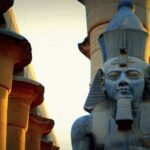
- Karnak Temple: where Thebes worshiped at full volume
- Luxor Temple: a classic finish with a different mood
- Lunch, snacks, and the small value that matters
- Who this tour suits best (and who should think twice)
- The guide matters: a name that came up for a reason
- Should you book this Luxor East & West Banks private tour?
- FAQ
- FAQ
- How long is the Luxor East & West Banks private tour?
- Is hotel pickup included?
- What’s included in the tour price?
- Are entrance fees covered?
- Do I need a mobile ticket?
- What should I know about lunch and food?
- Is tipping included?
- Is the tour private or shared?
- Is the tour suitable for children?
- What’s the cancellation policy?
Key highlights you’ll actually feel during the day
- Private Egyptologist guidance that keeps the meaning of each site clear, not random
- East Bank + West Bank in one full day, covering the big Luxor hits without piecing together logistics
- Lunch and snacks included, so you can stay focused on ruins instead of searching for food
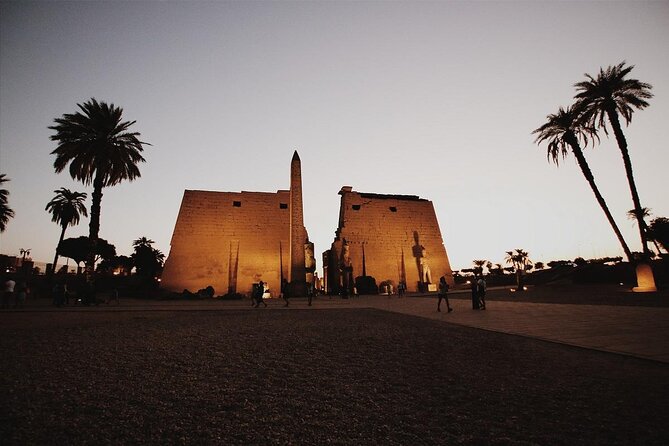
- Karnak and Luxor Temples with dedicated time (Karnak gets 3 hours, Luxor Temple 2)
- A professional guide is a standout, including praise for Egyptologist Sheema Esmail for professional, organized hosting
A private Egyptologist day across Luxor’s East and West Banks
Luxor is split in two by the Nile, and that split matters. The East Bank is where you’ll find grand temple complexes tied to daily worship and state power. The West Bank is where the ancient story leans more toward the afterlife—royal tombs, mortuary temples, and the architecture meant to last longer than a single lifetime.
This tour is built for that contrast. You’ll use a private vehicle for transport and you’ll have an Egyptologist with you for the main sites, so you’re not left trying to interpret wall carvings through a guidebook while the bus crowd moves on. The pace is also designed around real sightseeing time: Valley of the Kings clocks in at about 2 hours, Karnak at about 3 hours, and Luxor Temple at about 2 hours.
For me, the best part is the reduction in decision-making. When you book a private day like this, you don’t have to figure out where to start, what ticket line to use, or how to connect the East and West Bank efficiently. If you’re short on time in Luxor, this kind of structured day often saves more money than it costs—mostly in the form of time, energy, and fewer mistakes.
And yes, you’re going to be outdoors a lot. Even with a guide and a vehicle, you’ll still want to dress for sun and wear shoes that can handle stone paths.
You can also read our reviews of more private tours in Luxor
Valley of the Kings: walking among royal tombs
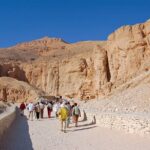
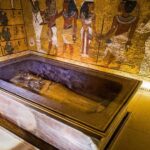
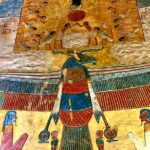
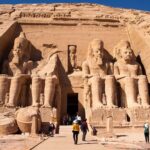
Your day starts on the West Bank at the Valley of the Kings, where many pharaohs were buried. The names tied to the tour include King Tutmosis I, Tutmosis III, Tut-Ankh-Amon, King Ramssess VI, King Mrenptah, and Amonhotep II.
Two hours here is a solid chunk. It’s long enough to slow down at the tomb entrances, understand what the Valley represents, and not feel rushed as soon as you step off the bus. Also, having an Egyptologist makes a difference because the Valley isn’t just about seeing a famous name. It’s about understanding why these royal burials were placed here and what the ancient burial plan was meant to accomplish.
Practical tips for this stop:
- Go in with comfortable shoes. The ground can be uneven, and you’ll move between areas on foot.
- Bring sun protection. You’ll likely spend time exposed while walking and photographing.
- Expect that some parts may feel tight or crowded depending on the day, even on private tours. You’ll still want to keep your pace steady.
One consideration: tomb space can feel dim, so plan for your eyes to adjust if you move between sunlit outside areas and darker interiors. If you’re sensitive to claustrophobic spaces, you’ll want to go at your own pace and focus on the overall context first.
Hatshepsut at Deir el Bahari: power, gender, and stone
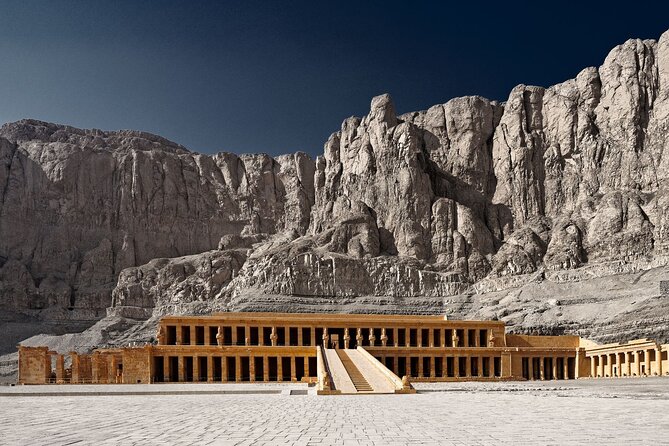
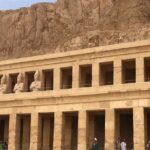
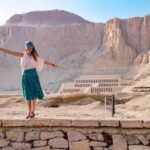
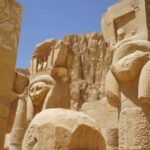
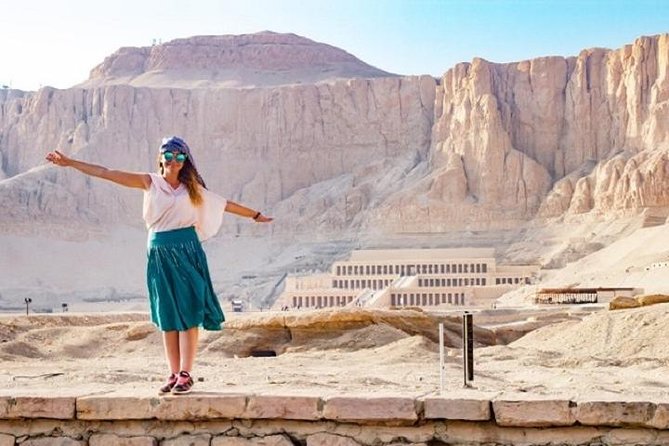
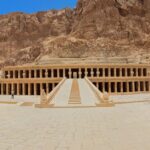
Next up is the Temple of Hatshepsut at Deir el Bahari. This stop gets you away from the tight tomb entrances and into a dramatic mortuary temple setting associated with Queen Hatshepsut, described in your tour details as the only pharaonic woman who reigned ancient Egypt.
You’ll have about 1 hour 30 minutes here, which is enough time to take in the architecture and still pause to understand what you’re looking at. Deir el Bahari is famous for its strong visual layout—something your guide can translate from “wow, that’s impressive” into “here’s why it was designed this way.”
Why I like this stop:
- It adds variety after the Valley of the Kings.
- The story behind Hatshepsut is big, and your Egyptologist can keep it grounded in what’s visible on site.
- It’s a chance to see temple design as a statement, not just a religious structure.
Drawback to plan for: this is another outdoor stop with walking on and around temple terraces. Heat and sun can hit fast. If you’re traveling in warmer months, pack water, pace yourself, and lean on the lunch and snacks built into the day rather than skipping the small breaks.
The Colossi of Memnon: giant statues with a backstory
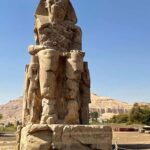
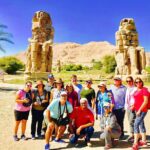
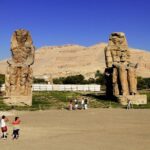
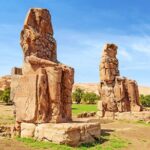
Then you’ll visit the Colossi of Memnon, which are the remains of the mortuary temple of Amenhotep III. Even without going into a long history lesson, these two huge figures are instantly memorable. They’re also useful for understanding how temples and mortuary complexes worked as an ensemble, not as isolated points on a map.
Since no exact time length is listed for this stop, plan to use your time efficiently: step around to get angles, take photos, and listen closely to the context your guide provides so you know what you’re seeing and what it used to belong to.
Best use of this stop:
- Treat it like a “pause and reset” moment between larger temple areas.
- Use it to connect names and eras you’ll see again later when you reach Karnak and Luxor Temple.
Karnak Temple: where Thebes worshiped at full volume
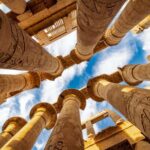
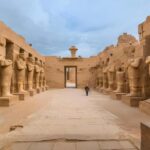
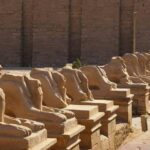
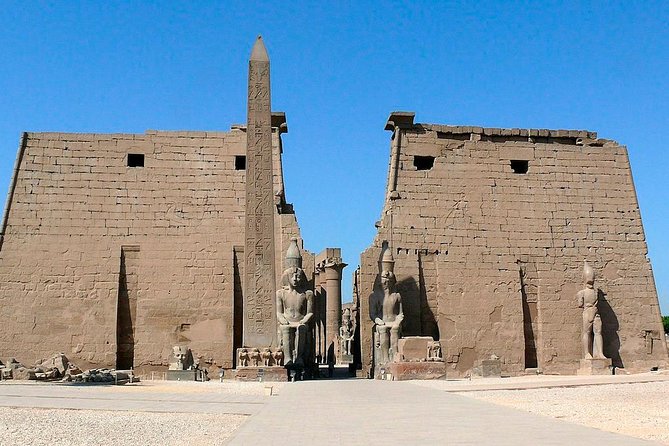
Karnak is the main event on the East Bank side of the day. You’ll spend about 3 hours here, and it’s easy to see why the tour frames it as the greatest example of worship in Luxor’s story.
Karnak isn’t one single building. It’s a temple complex, and the scale can overwhelm you if you show up expecting one tidy landmark. This is where an Egyptologist earns their place. With expert guidance, you can focus on key structures and themes instead of trying to interpret every column and wall carving at once.
I like Karnak because it feels like ancient power made visible. You’re looking at a place where generations built, modified, and expressed religious authority over time. If you only have one big temple complex on your itinerary, this is the one I’d protect with your full attention.
Practical considerations:
- Wear clothing that lets you move comfortably. You’ll be walking a lot.
- Bring patience. Karnak is about careful viewing, not a quick photo sprint.
- If you get sensory overload, ask your guide to point out the most important areas first, then return for photos at a calmer pace.
A few more Luxor tours and experiences worth a look


Luxor Temple: a classic finish with a different mood
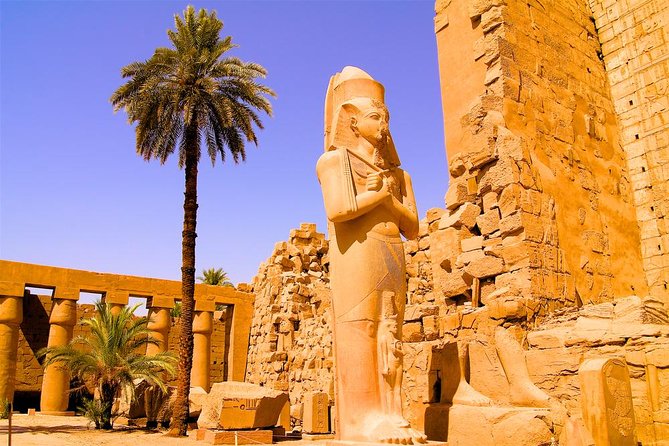
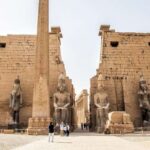
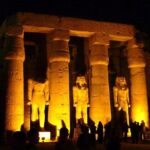
After Karnak, you’ll head to Luxor Temple, built by two pharaohs in different dynasties, with about 2 hours allotted. This temple has a different feel than Karnak—less maze-like and more approachable, while still carrying major symbolic weight.
Think of Luxor Temple as the bookend to Karnak: after hours in a giant complex, Luxor Temple gives you room to understand how these places connect to broader religious and civic life in Thebes.
Why this stop is worth your time:
- It helps you make sense of the whole day’s theme: worship, state authority, and monumental design.
- It’s a strong way to wrap up your East Bank portion before shifting back to the West Bank story you started with.
If you want the biggest payoff from Luxor Temple, don’t rush your photos. Use your guide’s explanation to connect what you saw at Karnak with what you’re seeing here.
Lunch, snacks, and the small value that matters
A full-day tour can be great on paper and painful in real life. This one helps with the basics: lunch during the tour and snacks included. That means you’re not stuck hunting for food between sites, and you’re less likely to waste energy on logistics.
You also get private transportation and entrance fees included, so you’re less likely to hit those annoying stop-and-start moments that happen when you’re piecing things together yourself.
Is the $208 per person price fair? For Luxor, it’s in the “serious but practical” range. You’re paying for:
- a private Egyptologist guide,
- private vehicle transport,
- entrance fees,
- lunch and snacks,
- and a full-day format (about 10 hours) that covers the major East and West Bank names.
If you were to buy entrance tickets and hire a guide on your own while also solving transport and routing, the cost can add up quickly. The real value here is that you’re buying time and clarity, not just access.
Who this tour suits best (and who should think twice)
This tour is a strong fit if:
- You want a private Egyptologist day, not a group bus shuffle
- You’re prioritizing Luxor’s top sites in a single day
- You like structure and hate guessing your way through ancient places
- You’re traveling with at least a moderate comfort level for walking and uneven stone paths
It may feel like a lot if:
- You prefer very slow, minimal walking days
- You’re easily drained by long outdoor temple time (the day is about 10 hours)
- You don’t want to commit to a full itinerary window
Good news: your tour data notes moderate physical fitness is required, and the day is designed around that level. Kids must be accompanied, which is also good if you’re traveling as a family and can manage a full-day schedule.
The guide matters: a name that came up for a reason
One review-highlighted strength is Egyptologist Sheema Esmail, described as professional, organized, knowledgeable in her subject, and empathetic. That combination matters more than people expect. In Luxor, you’re walking among sites that can look similar at first glance. A guide who can explain clearly and pace the day in a calm way makes the difference between a “cool tour” and a “I finally understand what I’m seeing” day.
Even if you don’t get the same guide, use that as a cue when choosing a private experience: ask about the Egyptologist role and what you’ll get in terms of site explanations. This tour is set up specifically around that kind of guiding.
Should you book this Luxor East & West Banks private tour?
I’d book it if you want one guided, no-stress day that hits the big East and West Bank priorities with entrance fees and lunch handled for you. The $208 price becomes easier to justify when you factor in the private Egyptologist, transport, and included admissions across multiple major sites.
I’d think twice if you’re traveling with very limited stamina or if you prefer to choose sites slowly on your own schedule. In that case, a shorter tour or a lighter East Bank/West Bank split might suit you better.
If you do book, do two things to make the day feel great: wear the right shoes for stone and uneven ground, and show up ready to spend full attention at Karnak and the Valley of the Kings. When you give those places your focus, the rest of the itinerary clicks into place.
FAQ
FAQ
How long is the Luxor East & West Banks private tour?
The tour runs for about 10 hours.
Is hotel pickup included?
Yes, pickup is offered from most centrally located Luxor hotels. You’ll arrange pickup from your hotel or a nearby location when confirming your reservation.
What’s included in the tour price?
The tour includes a private Egyptologist guide, private transportation, entrance fees, lunch, snacks, and all local taxes and services.
Are entrance fees covered?
Yes. Entrance fees are provided as part of the tour.
Do I need a mobile ticket?
Yes, the tour includes a mobile ticket.
What should I know about lunch and food?
Lunch during the tour and snacks are included, so you should be able to get through the day without needing to buy food between major stops.
Is tipping included?
No. Tipping to the tour guide and driver is not included.
Is the tour private or shared?
This is a private tour/activity, so only your group participates.
Is the tour suitable for children?
Children must be accompanied.
What’s the cancellation policy?
You can cancel for free up to 24 hours in advance for a full refund. If you cancel less than 24 hours before the experience start time, the amount paid is not refunded.