Luxor can feel like a whole other planet. This full-day East and West Banks tour strings together the big monuments with a guide, a private car, and hotel pickup so you spend less time figuring things out and more time looking up at ancient stone. I like that it packs Karnak and Luxor Temple on the East Bank with the Valley of the Kings and Hatshepsut on the West Bank, all in one efficient day.
Two things I especially appreciate: the way the day is organized with a small group limit (up to 15) and straightforward pacing, and the fact that the guide experience can be excellent. In the feedback I saw, Maria stood out as welcoming and kind, with temple-and-tomb explanations that help the sites make sense fast.
The main thing to watch is budgeting: entrance fees and lunch are not included, and tipping is expected (10 for the guide and 10 for the driver). Also, because the schedule is packed, you’ll want to plan for less wandering time than you might on a slow, DIY day.
In This Review
- Key highlights to know before you go
- Price and logistics: what your $12 actually buys
- Getting oriented in Luxor: East Bank meets West Bank
- Valley of the Kings: the royal burial ground (and a famous tomb)
- Temple of Hatshepsut at Deir el Bahari: a ruler in stone
- Colossi of Memnon: big statues, short stop, included ticket
- Karnak Temple: where the scale gets silly (in a good way)
- East Bank shops: papyrus, cotton, perfumes, spices
- Luxor Temple: a focused finale on the East Bank
- Transport comfort and the role of the guide (Maria is a standout)
- Timing realities: a packed day that rewards focus
- What’s included (and what isn’t) so you can plan calmly
- Who should book this Luxor East and West Banks tour?
- Should you book it?
- FAQ
- Is hotel pickup and drop-off included?
- How long is the full-day Luxor East and West Banks tour?
- Are entrance fees included?
- Do I need to arrange lunch?
- Is tipping included in the price?
- What is the group size limit?
Key highlights to know before you go
- East and West Banks in one day: Karnak and Luxor Temple plus Valley of the Kings, Hatshepsut, and the Colossi.
- Hotel pickup and drop-off included: No hunting for taxis across Luxor.
- Private air-conditioned vehicle: The “latest model” car matters when you’re transferring between sites.
- Small group size (max 15): Better than the chaos of huge buses.
- Shopping stops on the East Bank: Papyrus, cotton, perfumes, and spices shop visits are built into the day.
- Some entrance costs are separate: Entrance fees aren’t included, except the Colossi of Memnon admission is included.
Price and logistics: what your $12 actually buys
At $12 per person, this tour is priced like a value-first deal. The catch is that “cheap” in Luxor usually means certain costs are not bundled into the headline price. Here, what you do get is the part that usually saves time and stress: hotel pickup/drop-off, transport in an air-conditioned vehicle, and guide commentary at the sites. You also get mineral water and the tour includes visits to the major monuments plus the East Bank shop stops.
What you should budget separately:
- Entrance fees (not included for Valley of the Kings, Hatshepsut, Karnak, or Luxor Temple)
- Lunch
- Tipping: 10 for the guide and 10 for the driver
The upside is that those separate costs are the same costs you’d face if you DIY’d the day. The difference is you’re paying to compress the whole East-to-West planning headache into one organized route, with someone handling the timing and transfers.
You can also read our reviews of more guided tours in Luxor
Getting oriented in Luxor: East Bank meets West Bank
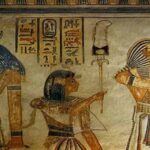
Luxor is basically split into two different “story worlds.” The East Bank is where you’ll find temple life centered on major religious complexes. The West Bank is tied to royal burials and funerary monuments. What makes this tour work is that it forces the contrast without making the day feel like two separate trips.
Even if you have limited time in town, you get the full arc: tombs and memorial architecture first, then the heavy temple complex energy on the East Bank. The day moves quickly, but the sequence helps. You’ll see monumental scale on both sides, and then your brain starts making connections between dynasties, rulers, and the themes carved into stone.
Valley of the Kings: the royal burial ground (and a famous tomb)
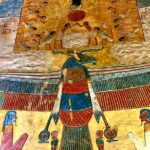
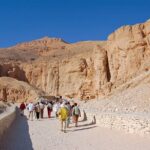
You start with the Valley of the Kings, a desert burial site that contains royal tombs. Over 60 tombs are mentioned here, including the famous Tomb of Tutankhamun, discovered in pristine condition. That detail matters because it’s part of why Tutankhamun’s name travels so far beyond Egypt.
Plan for about 2 hours at this stop, and note that the entrance ticket is not included. This is one of those places where you’ll get more out of it if you pay attention to what your guide points out—layout, funerary symbolism, and why the Valley became the burial choice for pharaohs.
Also, remember the practical bit: tomb visits can take time in short chunks. If you’re the type who wants to read every carved line like it’s a textbook, you might feel slightly rushed. If you’re more focused on big visual impressions and context, 2 hours is a workable window.
Temple of Hatshepsut at Deir el Bahari: a ruler in stone
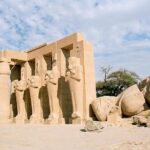
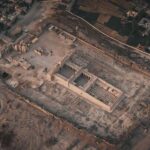
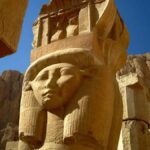
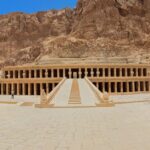
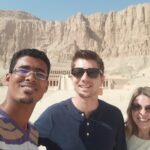
Next comes the Temple of Hatshepsut (Deir el Bahari). This stop is special because it isn’t just another “temple stop.” Hatshepsut is described here as the only woman to reign over Egypt as pharaoh, and the tour frames her as an ancestor of Tutankhamun and tied to the same dynasty.
You’ll have around 2 hours, and again entrance fees are not included. If you like architecture, this is a great pause in the schedule. The temple is built into the cliffs, which affects how you experience it—your views shift as you move, and the scale feels deliberate rather than random.
A practical note: this is one of the more “walk-and-look” stops in the day. Wear shoes you’re comfortable in, because you’ll want stable footing as you move between viewpoints.
Colossi of Memnon: big statues, short stop, included ticket
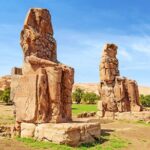
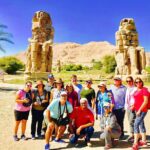
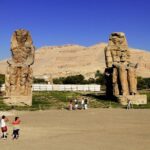
After Deir el Bahari, the tour heads to the Colossi of Memnon—two massive statues tied to King Amenhotep III. The tour also gives you the family tree context: Amenhotep III is the father of Akhenaten and the grandfather of Tut.
This is a shorter stop, about 30 minutes. The good news is that admission for the Colossi of Memnon is included. So you can treat this as a quick “wow break” without worrying about extra ticketing costs.
Because it’s brief, you’ll get best results by setting expectations: this isn’t where you’ll spend a long time. It’s where you catch the scale, take in the setting, and keep your energy for Karnak after you cross back toward the East Bank.
A few more Luxor tours and experiences worth a look

Karnak Temple: where the scale gets silly (in a good way)
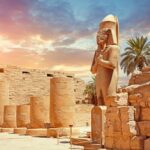
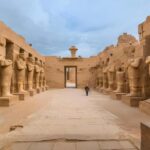
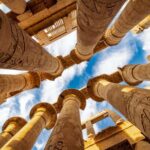
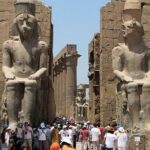
Then it’s Karnak Temple on the East Bank. If you only do one temple in Luxor besides Luxor Temple, Karnak is usually the one that leaves the biggest visual mark.
This tour highlights the key parts you’ll see:
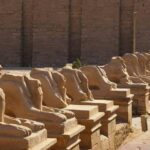
- The Avenue of Sphinxes
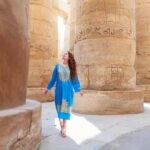
- The Hypostyle Hall with 134 gigantic columns
- Obelisks of Queen Hatshepsut and Thutmose I
- The Temple of Amon decorated with lotus and papyrus designs
- The Granite Scarbeus of Amenophis III
- The Sacred Lake
You’ll have about 1 hour, and entrance fees aren’t included. Here’s the reality: 1 hour at Karnak can feel short, but it can also be enough if you know where to focus. Ask your guide to point out the main structures early so you’re not spending the whole hour trying to figure out what you’re looking at.
Karnak is often crowded in peak times (like any famous temple), but the bigger issue is your own stamina. The guide context helps you move efficiently through the big highlights instead of drifting.
East Bank shops: papyrus, cotton, perfumes, spices
Between or around the temple time on the East Bank, the tour includes stops at shops: papyrus, cotton, perfumes, and spices. This is common for structured Luxor tours, and it can be either a pleasant cultural add-on or a time sink, depending on your interests.
If you like small purchases and want souvenirs with a story attached, these shop stops can be handy. If you’re strictly monument-focused, treat them as brief breaks. You’ll likely be able to browse without pressure, but it’s smart to keep a clear spending limit so you don’t end up with extra stuff that doesn’t fit in your suitcase.
Luxor Temple: a focused finale on the East Bank
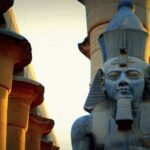
After Karnak, you’ll visit Luxor Temple, dedicated to the Theben Triad: Amun-Ra, Mut, and Khonsu. The tour notes you’ll also see the granite statues of Ramses the Great. This temple is often easier to absorb after Karnak, because it’s less of a “maze of monuments” and more of a legible sequence.
You’ll have about 1 hour, and entrance fees aren’t included here either. At each site, the tour includes free time to explore on your own, which is great. Use it to walk slower for 10–15 minutes and notice details you might otherwise miss: inscriptions, statue groupings, and the way the layout frames the space.
This is also where the guide helps you shift from “seeing things” to “understanding what you saw.” If Maria is your guide, the feedback I saw points to clear explanations that make the carvings and tomb themes feel less random.
Transport comfort and the role of the guide (Maria is a standout)
This tour is built around comfort and clarity: pickup and drop-off, air-conditioned transport, and mineral water. The private car also means less time waiting around for other pickup points. A cleaner, well-run vehicle matters because you’ll be moving between East and West Bank stops on a schedule that runs tight.
And then there’s the guide. Multiple notes emphasize friendly, organized service, with Maria specifically described as welcoming and kind and as doing a great job explaining temples and tombs. That kind of explanation isn’t just nice; it changes how the monuments land. Without context, you see stone. With context, you start seeing decisions—why a ruler built where they built, and what the monuments were meant to communicate.
Timing realities: a packed day that rewards focus
This is a 7-hour tour, and the stop lengths show the trade-off:
- Valley of the Kings: 2 hours
- Hatshepsut: 2 hours
- Colossi: 30 minutes
- Karnak: 1 hour
- Luxor Temple: 1 hour
That adds up fast. So if you’re the type who wants to linger forever at each site, you might feel a bit rushed. If you’re the type who wants the major hits with smart guidance, this schedule is a strong fit.
A practical approach: decide what matters most to you before the day starts. If you want maximum Tutankhamun focus, spend extra time in the Valley. If you’re more into monumental architecture, put more energy into Hatshepsut and Karnak. Let the guided parts “teach,” then use the free time for personal looking.
What’s included (and what isn’t) so you can plan calmly
Included:
- Transfer by air-conditioned vehicle
- Hotel accommodation pickup and drop-off
- All fees and taxes (for the tour service itself)
- Mineral water
- Visits to Karnak Temple, Luxor Temple, Valley of the Kings, Hatshepsut Temple, and Colossi of Memnon
- Colossi of Memnon admission ticket included
- Papyrus, cotton, perfumes, and spices shop visits on the East Bank
Not included:
- Egyptological English guide
- Entrance fees for several key stops (Valley of the Kings, Hatshepsut, Karnak, Luxor Temple)
- Tipping: 10 for the guide and 10 for the driver
- Lunch
- Any one-way airport pickup/drop-off
One more practical item: the tour uses a mobile ticket. That’s helpful for staying light with paperwork.
Who should book this Luxor East and West Banks tour?
This tour is a good match if you:
- Have limited time in Luxor and want both banks in one day
- Prefer hotel pickup and a private vehicle over DIY logistics
- Want guided context for Karnak and the royal West Bank sites
- Like the idea of a small group (max 15) rather than a huge bus crowd
You might want to think twice if you:
- Hate shopping stops and want pure monument time only
- Are hoping for long, unhurried hours inside every tomb and hall
- Don’t want to handle entrance fees and lunch budgeting on top of the tour price
Should you book it?
I’d book this if your goal is straightforward: see the major Luxor monuments efficiently with transportation handled and a guide who can explain what you’re looking at. The value comes from the whole package—pickup, air-conditioned private car, small group size, and a route that covers both the East Bank temple giants and the West Bank burial icons in one day.
If you’re comfortable planning for entrance fees, lunch, and tipping, this is one of those rare “pay a little, get a lot” Luxor days.
FAQ
Is hotel pickup and drop-off included?
Yes. The tour includes pickup from your hotel and drop-off at the end of the day.
How long is the full-day Luxor East and West Banks tour?
It’s listed at about 7 hours (approx.).
Are entrance fees included?
Not across the board. Entrance fees are not included for the Valley of the Kings, Temple of Hatshepsut, Karnak Temple, and Luxor Temple. The admission ticket for the Colossi of Memnon is included.
Do I need to arrange lunch?
Lunch is not included, so you’ll want to plan for a meal on your own during the day.
Is tipping included in the price?
No. Tipping is listed as 10 for the guide and 10 for the driver.
What is the group size limit?
The maximum group size is 15 travelers.