REVIEW · LUXOR
5Day Nile Cruise From Luxor To Aswan Including Balloon,Abu Simbel
Book on Viator →Operated by Egypt VIP Tours · Bookable on Viator
An early-morning balloon makes this Nile cruise special. This 5-day trip strings together Egypt’s biggest temple hits with a hot-air balloon over Luxor and a full-board, five-star cruise down the Nile to Aswan, with Abu Simbel added at the end. You’ll spend each day moving between world-famous monuments and calmer ship time on the water—exactly the mix many people want for a first big Egypt trip.
I especially like the way the day is paced around morning access to major sites. Karnak and Luxor Temple on Day 1, the balloon plus West Bank tombs on Day 2, and Edfu and Kom Ombo on Day 3 means you’re not wasting the best daylight stuck in transfers. The second thing I like is the practical comfort factor: you get meals onboard every day of the cruise (four lunches and four dinners listed), plus a guided program with pickup support so you’re not constantly figuring out what’s next.
My main caution is simple: the balloon is weather-dependent. If conditions force cancellation, you may still face the early schedule and the disappointment that comes with losing that included experience.
In This Review
- Key Highlights You’ll Actually Feel
- Luxor to Aswan, with Balloon and Abu Simbel as the Big Stakes
- Day 1: From Luxor Arrival to Karnak and Luxor Temple Nights Aboard
- Day 2: Balloon Over Luxor, Deir el Bahari, Colossi of Memnon, and the Valley of the Kings
- Day 3: Edfu Temple and Kom Ombo Temple on One Schedule, Then Aswan Fun
- Day 4: High Dam, Philae by Boat, and Folkloric Evening in Aswan
- Day 5: Abu Simbel Around 4:30 AM, Then Your Transfer Out
- Price and What You’ll Likely Spend on Top
- What the Schedule Feels Like: Heat, Timing, and How the Ship Helps
- The Risks: Balloon Weather, Communication Gaps, and Comfort Variability
- Should You Book This Luxor to Aswan Cruise With Balloon and Abu Simbel?
- FAQ
- What does the tour include for meals and time on the ship?
- Is the hot air balloon ride included in the price?
- Are entrance fees included for the temples and sites?
- How long is the overall trip?
- Do I get picked up from where I arrive?
- Which temples and sites are visited during the cruise?
- How do you reach Philae Temple?
- Is Abu Simbel included, and when does it happen?
- Is lunch included on the Abu Simbel day?
- Is this a private tour or a group tour?
Key Highlights You’ll Actually Feel

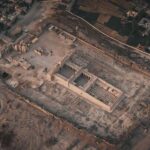
- Hot-air balloon over Luxor West Bank for a bird’s-eye look at the temples and royal necropolis area
- Karnak + Luxor Temple on Day 1, with a calmer evening back on the ship
- Valley of the Kings + Deir el Bahari on Day 2, packed with must-see New Kingdom and mortuary architecture
- Edfu Temple (Horus) + Kom Ombo Temple (Sobek and Horus the Elder) on Day 3, two temple styles in one day
- Philae Temple on Aglika Island by boat plus a High Dam visit that shows modern Egypt in the same frame as ancient monuments
- Abu Simbel with a very early start (around 4:30 AM) for the best chance to reach the site on time
Luxor to Aswan, with Balloon and Abu Simbel as the Big Stakes
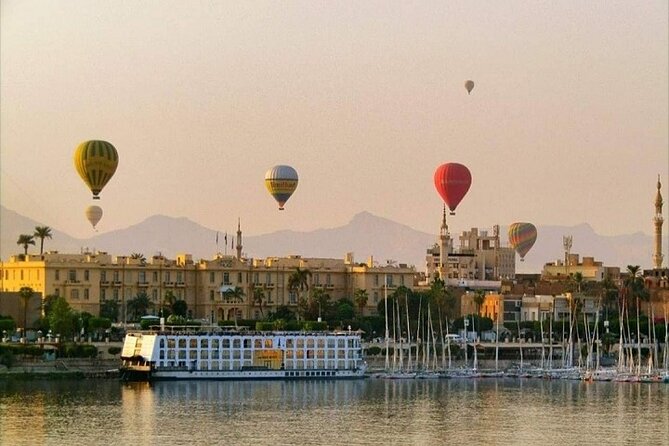
This is a classic route for a reason. Luxor to Aswan is the most story-dense stretch of the Nile, and the itinerary hits the heavyweights: Karnak, Luxor Temple, Edfu, Kom Ombo, Philae, and Abu Simbel. You also get a cruise rhythm that breaks up the long days—lunch and dinner onboard, plus time on deck while the ship sails.
The balloon inclusion changes the feeling of the whole trip. Most people arrive in Luxor expecting temples at ground level; this adds scale and perspective, especially over the West Bank where tombs and temples sit above the valley floor. It’s the one activity that can turn an already impressive itinerary into a memory you still talk about months later.
That said, you’re also stacking your schedule near the start of the day. Early pickups are built into the structure, particularly for Day 5’s Abu Simbel drive-time. If you’re the type who hates waking up early, plan for that reality now.
You can also read our reviews of more boat tours in Luxor
Day 1: From Luxor Arrival to Karnak and Luxor Temple Nights Aboard
Day 1 starts with an easy win: a representative greets you and transfers you to your Nile cruise ship. There’s also a smart tip built into the plan—if you arrive early, the tour begins right away rather than keeping you waiting for a strict 12:00 PM check-in. That helps you get moving before the midday heat ramps up.
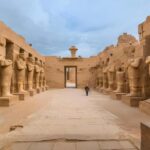
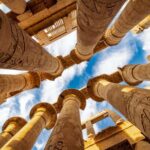
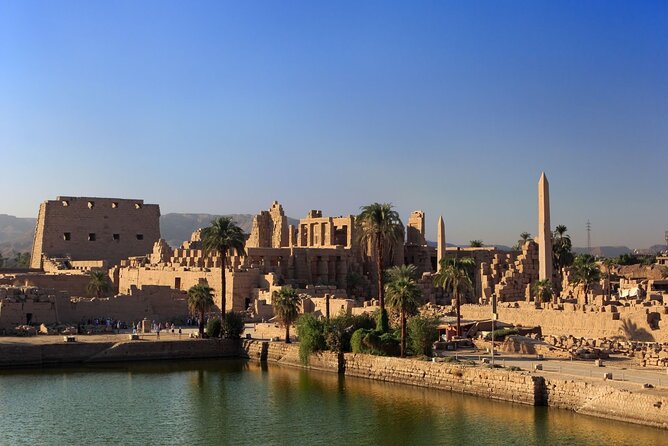
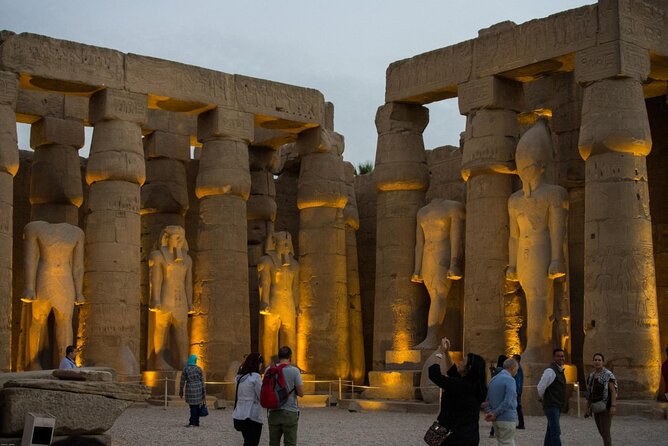
Then you go straight into Luxor’s power duo. At Karnak Temple, you’ll have about two hours to take in one of Egypt’s largest temple complexes, spread over roughly 247 acres. Karnak can feel like sensory overload in a good way: pylons, halls, columns, and layered construction by different pharaohs. Even if you don’t memorize dates, the scale makes the big ideas click.
After Karnak, you visit Luxor Temple, tied to Amenhotep III and Ramses II. This is a shorter stop, around 1.5 hours, but it’s often easier to absorb because it’s more focused and closer to the daily flow of Luxor. It’s also a great setting for understanding how royal authority and religion blended through monumental design.
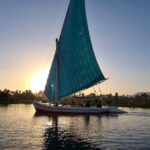
Finally, you’re back on the ship for dinner and you sleep in Luxor. That matters because it avoids the logistical headache of moving hotels mid-trip. You’ll start Day 2 already oriented to where you’re staying and how your day logistics work.
Day 2: Balloon Over Luxor, Deir el Bahari, Colossi of Memnon, and the Valley of the Kings
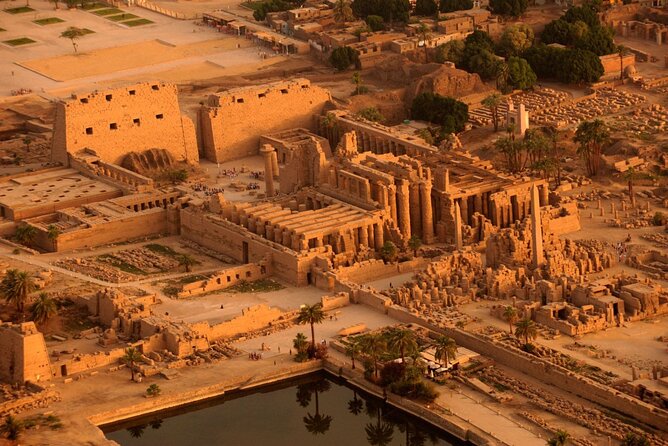
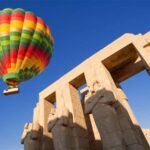
Day 2 is the long-day core of the program, and it earns its reputation. It begins with the included hot-air balloon ride over the Luxor West Bank. Expect around 40 to 60 minutes in the air. Even if you’re not a sunrise person, balloon time here tends to make the West Bank geography easier to understand.
This is also when you should be mentally ready for comfort tradeoffs. A balloon day is short, but it can come with very early pickup timing and a lot of waiting around pre-flight. If you want to maximize the experience, pack for early hours—warm layers are a good idea even in months when daytime is pleasant.
After the flight, you head to Temple of Hatshepsut at Deir el Bahari. The temple’s three levels and wide ramps make it one of the most visually striking monuments in the area. You’ll get about two hours here, enough time to walk the terraces and appreciate why it’s often called one of Egypt’s best-preserved temple settings.
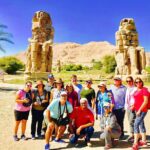
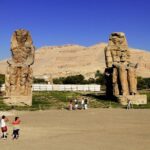
Next are the Colossi of Memnon. These are massive stone statues of Amenhotep III, remnants of an older mortuary temple. The stop is short—about 30 minutes—but it’s worth it. You get an instant sense of New Kingdom ambition without needing to spend the entire day in one site.
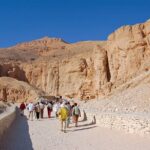
Then comes the Valley of the Kings, where you’ll have around two hours. This is the heart of royal tombs in the region, with the chance to see tombs and resting places of kings such as Merneptah, Ramesses III, and Ramesses VI. What I like about this stop is that it’s not only about the tombs themselves—it’s about place. The valley setting helps you understand why the Egyptians worked so hard to build immortality through stone.
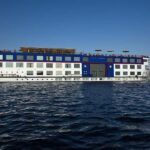
The afternoon shifts back to cruise life. You return to the ship, then sail toward Edfu through the Esna Lock. Lunch onboard and tea on the sundeck help you reset after a day of walking and sun. You’ll dock overnight in Edfu City.
Day 3: Edfu Temple and Kom Ombo Temple on One Schedule, Then Aswan Fun
Day 3 starts with Temple of Horus at Edfu, about two hours. Edfu is known as one of the best-preserved temple complexes in Egypt, and it’s dedicated to Horus. You’ll learn how Ptolemaic-era religion was layered onto older sacred ground, and the temple’s wall carvings connect to the myth of Horus and Seth.
This stop is usually where the trip clicks for people who like symbolism. You can feel the way temple design was meant to guide attention, from open courtyards toward increasingly sacred spaces. It’s not just architecture; it’s a built-in lesson.
After Edfu, you sail toward Kom Ombo and visit the Temple of Kom Ombo. Plan about two hours here too. This temple has a distinct twist: it’s dedicated to both the crocodile god Sobek and Horus the Elder. It was built in 180 B.C. during the Ptolemaic dynasty, with the temple’s riverbank location part of what makes it so convenient for Nile cruises.
On the boat, you’ll get lunch and afternoon tea again while you move along the river. That rhythm is valuable on a schedule like this. After two big temple visits, you still need downtime that doesn’t involve hunting for transport.
Then you reach Aswan, and dinner is served onboard with a Galabyia party in the evening. That’s a fun bonus if you want to end the day with something cultural and low-effort. You’ll spend the night docked in Aswan.
Day 4: High Dam, Philae by Boat, and Folkloric Evening in Aswan
Day 4 brings a balance of modern and ancient. First is the Aswan High Dam, a major engineering landmark completed in 1960. The visit is about two hours, and the key takeaway is scale: the dam stretches around 3600 meters, is roughly 980 meters thick at the base, and rises about 111 meters. It also links directly to Lake Nasser and Egypt’s irrigation and electricity.
If you like seeing how today’s Egypt shapes what you can experience, this stop does that. It’s also a helpful framing device before Philae—because the relocation story matters.
Next you go to Philae Temple, dedicated to Isis. You’ll take a short motorboat ride to Aglika Island. The visit runs about three hours, giving you time not just to see carvings, but to understand why the complex was moved after the old Aswan Dam threatened to submerge it.
Philae is Greco-Roman in style, but it remained important even as Egypt’s religious landscape changed over time. It later became tied to early Christianity, so the site’s layers tell you a lot about the long transition periods in Egyptian history.
Back on the ship, you’ll have lunch and dinner onboard. In the evening, there’s a folkloric show. There’s also an optional add-on to visit a Nubian Village, but the exact format isn’t laid out in the tour details you provided—so you’ll want to confirm what’s offered when you’re there. You’ll stay docked in Aswan again overnight.
A few more Luxor tours and experiences worth a look

Day 5: Abu Simbel Around 4:30 AM, Then Your Transfer Out
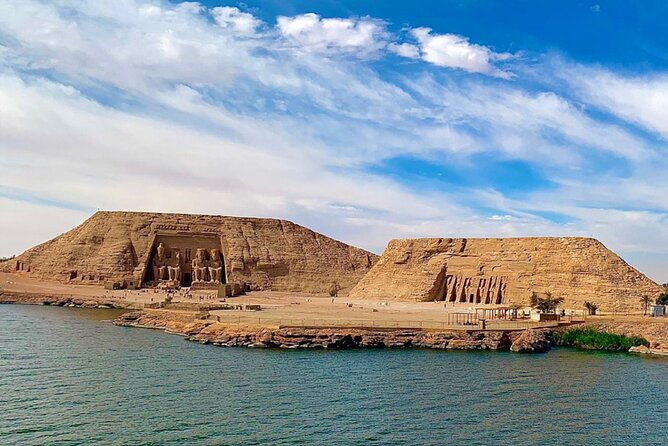
Day 5 is the big finale, and it starts with a very early check-out from the ship around 4:30 AM. You then get pickup for a shared small-group tour to Abu Simbel Temple Complex. Expect around eight hours total for the Abu Simbel visit window.
Abu Simbel is famous for the rock-cut temples commissioned by Ramesses II and dedicated also to his wife Nefertari. This site feels different from the Nile temples because it was built to project royal power at a distance, in a dramatic setting. You’re also going at the right time of day, which matters because lighting and timing can make the experience feel sharper.
One practical note: lunch is not included on Day 5, but you’ll receive a breakfast box. If you don’t normally do well with early mornings and missing lunch, bring a little snack for the ride. You’ll still want to keep your energy up because the day runs long.
After Abu Simbel, you return to Aswan and your transfer is arranged to Aswan Airport, railway station, or your hotel in Aswan. That gives you a clean end to the itinerary without forcing an extra round of planning.
Price and What You’ll Likely Spend on Top
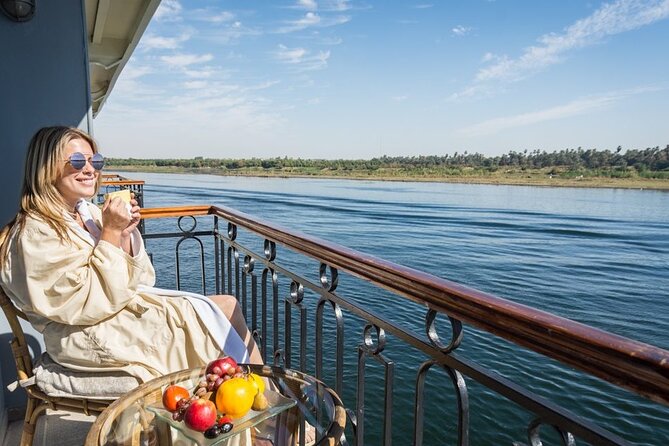
At $540 per person, this trip is priced like a value-first package for a Luxor to Aswan cruise that includes both a balloon flight and a day trip to Abu Simbel. The biggest reason this can feel like good value is that you’re getting the cruise portion covered with accommodation for 4 nights on a 5-star cruise, plus full-board basics listed as lunches (4) and dinners (4). You also have a professional guide and pickup support.
Where costs can creep up is entrance fees. The tour lists entrance fees as not included. That means Karnak, Luxor Temple, Edfu Temple, Kom Ombo Temple, Aswan High Dam, Philae Temple, and Abu Simbel likely each have separate ticket costs depending on what you’re allowed to enter on the day. Your best move is to set aside extra money for these before you arrive, so you’re not doing math on the spot.
Tipping is also not included. The exact amount isn’t specified, so I’d plan a modest budget for guides and drivers and adjust based on your comfort with service.
What the Schedule Feels Like: Heat, Timing, and How the Ship Helps

This itinerary is built to hit sites early, then shift into cruise time. You’ll see that pattern from Day 1’s advice about arriving early to avoid the lobby and midday heat, to Day 2’s morning balloon and tomb visits, to Day 3’s temple block and ship sailing.
Time on the ship isn’t filler here. Because you’re moving by water between Luxor, Edfu, and Aswan, you get repeated moments to reset: lunch onboard, tea on the sundeck, and nights docked so you can sleep without switching hotels.
Still, you should expect early days. Day 2 starts with the balloon; Day 5 has the 4:30 AM check-out. If you travel with a partner and one of you hates mornings, choose your strategy in advance—coffee plan, warm layers, and a calm mindset.
Also note that admission ticket details aren’t included in many stops. That means you’ll likely be paying more at the sites than your initial headline price suggests. The ship can be relaxing, but your walking days are real: Karnak, West Bank tomb areas, and multiple temple complexes in sequence.
The Risks: Balloon Weather, Communication Gaps, and Comfort Variability
Because the balloon ride is included, weather is the big variable. If conditions don’t cooperate, the balloon can be canceled. One key risk to know is that cancellation can happen late, and you may still face the early schedule even when the flight doesn’t run. If balloon time is the main reason you booked, I suggest you treat it as a bonus that’s worth celebrating, but don’t plan your whole trip timeline around guaranteed lift-off.
Communication is another practical factor. The tour details mention confirmation at booking, but you should still plan to get clear answers in advance: where to meet, what time the pickup is, and which ship you’ll be on. In past experience shared with me from similar departures, some people didn’t know the boat name until close to arrival, and instructions weren’t always clear until very near the start date.
Finally, cabin comfort can vary. One report tied to this style of cruise mentioned a cold room and limited hot water. That doesn’t mean it will happen to you, but it’s a reminder to pack smart: bring a light warm layer, and if you’re sensitive to temperature, note that you may be at the mercy of ship conditions.
If you plan to use Wi‑Fi onboard, treat it like an add-on. One piece of feedback included that Wi‑Fi had an extra cost and didn’t work fully for the full period purchased. So if you need reliable connectivity for work or constant messaging, plan an offline buffer.
Should You Book This Luxor to Aswan Cruise With Balloon and Abu Simbel?
I’d recommend this tour if you want a single, organized route that hits the essentials and still gives you ship comfort. The combination is strong: balloon over Luxor, a temple-heavy middle of the trip with Edfu and Kom Ombo, then Aswan’s modern anchor at the High Dam and the iconic Philae Temple island setting. And the Abu Simbel day trip adds real wow-factor, even though it demands an early wake-up.
Book it if:
- You like structured days with a guide and planned pickups
- You want a Luxor to Aswan cruise rhythm without extra hotel changes
- You can handle early mornings (balloon day and Abu Simbel day)
I’d think twice if:
- You’re booking mainly for guaranteed balloon time and would be unhappy if weather cancels it
- You need very precise communication and hate last-minute changes
- You’re very picky about cabin comfort and hot water
Given the strong overall satisfaction rating shown for this experience and the fact that it’s set up as a guided, full-board cruise with major site coverage, it’s a solid value choice—just go in ready for early mornings and possible balloon weather risk.
FAQ
What does the tour include for meals and time on the ship?
The package includes accommodation for 4 nights on a 5-star cruise on a full board basis, with lunch (4), breakfast (4), and dinner (4) listed.
Is the hot air balloon ride included in the price?
Yes. The itinerary includes a hot air balloon ride over the Luxor West Bank, with a ride time of about 40 to 60 minutes.
Are entrance fees included for the temples and sites?
No. Entrance fees are listed as not included, even though some stops show admission ticket status in the itinerary.
How long is the overall trip?
It runs about 5 days in total, from Luxor to Aswan, with the Abu Simbel day on the final day.
Do I get picked up from where I arrive?
Pickup is offered, including pickup from the airport mentioned in the included details.
Which temples and sites are visited during the cruise?
You’ll visit Karnak and Luxor Temple, then on the way down the river Edfu Temple and Kom Ombo Temple. In Aswan, you’ll also visit Aswan High Dam and Philae Temple.
How do you reach Philae Temple?
Philae Temple is reached via a short motorboat ride.
Is Abu Simbel included, and when does it happen?
Yes, Abu Simbel is included as a shared small group tour. You check out from the cruise around 4:30 AM for this stop.
Is lunch included on the Abu Simbel day?
Lunch is not included on the Abu Simbel day, but you are provided with a breakfast box.
Is this a private tour or a group tour?
It’s described as a private tour/activity where only your group participates. However, Abu Simbel is specifically described as a shared small group tour.