REVIEW · CAIRO
4 Days 3 Nights Egypt Travel Package To Cairo Luxor & Aswan
Book on Viator →Operated by Egyptian Felucca ride On the Nile · Bookable on Viator
Pyramids one day, Luxor the next.
What makes this package appealing is the pace: you move by private A/C car inside cities and use domestic flights to cut down the long overland stretches between Cairo and Luxor. I like the meet-and-assist handoff on arrival and at each main stop because it reduces stress when you’re juggling airports, timing, and tickets.
I also like that the big-ticket entry fees are built into the plan, including the Egyptian Museum, Giza sights, Valley of the Kings, and major temple complexes. The one drawback to plan for is how early the days start: you’re transferred around 4:00 am for the Cairo-to-Luxor flight on Day 3, and Day 4 starts with a 7:00 am pickup in Luxor before you head to Aswan.
In This Review
- Key things to know before you go
- Cairo in One Day: Egyptian Museum, Giza, Citadel, and Khan el-Khalili
- Egyptian Museum: Tutankhamen treasures and why the time helps
- Giza Pyramids and Sphinx: Cheops, Chephren, Mykerinos, plus close-up viewing
- Cairo Citadel and Alabaster Mosque: fortress views and Ottoman-era monuments
- Khan el-Khalili Bazaar: brass, copper, perfumes, leather, and a real wandering break
- Day 3 at 4:00 am: Cairo to Luxor flight and West Bank highlights before the heat
- Valley of the Kings and Deir el-Bahari: tomb stories and royal burial design
- Colossi of Memnon and the Luxor-to-temple shift
- Luxor Temple and Karnak: Ramses granite, Hypostyle Hall columns, and the Avenue of Sphinxes
- From Luxor to Aswan via Edfu and Kom Ombo: a temple corridor across the Nile
- Philae Temple in Aswan: the end-point for many Egypt itineraries
- Price and value: is $515 fair for flights, private cars, and included tickets?
- Who this tour suits best (and who should consider a slower pace)
- Should you book this Cairo–Luxor–Aswan package?
- FAQ
- What does the $515 per person price include?
- Are domestic flights included in this package?
- Is this a private tour or a group tour?
- Are entrance fees included for the main attractions?
- What meals are included during the trip?
- How early are the transfers on the schedule?
- What happens if the experience is canceled for poor weather?
Key things to know before you go
- Entrance tickets are included for the main sites on every day of the itinerary.
- Private transfers with the latest-model A/C vehicle, plus hotel pickup and drop-off.
- Domestic flights are part of the route, including the early-morning leg from Cairo to Luxor.
- Cairo is packed in one full day: Egyptian Museum, Giza Pyramids, Citadel, and Khan el-Khalili.
- Luxor West Bank plus Karnak gives you both tomb and temple scale in one swing.
- An Aswan temple day is handled in sequence, with Edfu and Kom Ombo stops en route.
Cairo in One Day: Egyptian Museum, Giza, Citadel, and Khan el-Khalili
This is the kind of schedule that works when you want Egypt’s headline sights without living out of a suitcase for a week. Day 2 is essentially four separate worlds in one day: world-class museum rooms, the Giza plateau, Ottoman-era fortress monuments, and a bazaar you can wander when you need a break from monuments.
The rhythm matters. You’re picked up around 8:00 am, then you’re moving from stop to stop with admission handled in the plan. That means less time arguing about tickets and more time focusing on the actual places: the artifacts in Cairo, the geometry of the pyramids, the views from the Citadel, and the smells and shopfronts around Khan el-Khalili.
One practical note: this day is long. Even if each stop is listed as about 1–2 hours, you should expect walking and transitions. Wear shoes that don’t punish your feet, and carry water if you can, because you’ll feel the pace even before the heat does.
A few more Cairo tours and experiences worth a look


Egyptian Museum: Tutankhamen treasures and why the time helps
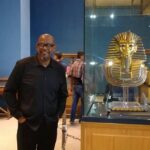
If you’ve only got one day in Cairo, the Egyptian Museum is the smart first anchor. You’ll see a large selection of antiquities, with the plan calling out a rare collection of 5,000 years of art and a Tutankhamen-focused exhibit including treasures, gold, and jewelry like you’d expect from the tomb story.
Why this matters for your visit: museum time gives context for the monuments you’ll see later. When you move from galleries to Giza and then back into temples in Luxor, the objects stop feeling random. You start seeing repeating themes—kingship, belief, burial practices—rather than isolated sights.
The plan includes about 2 hours for the museum. If you’re the type who wants to read every label, you might feel rushed. If you prefer a targeted look, you’ll do well with this timing. Either way, I’d treat it as your “set the framework” stop before the hands-on scale of pyramids and temples.
Giza Pyramids and Sphinx: Cheops, Chephren, Mykerinos, plus close-up viewing
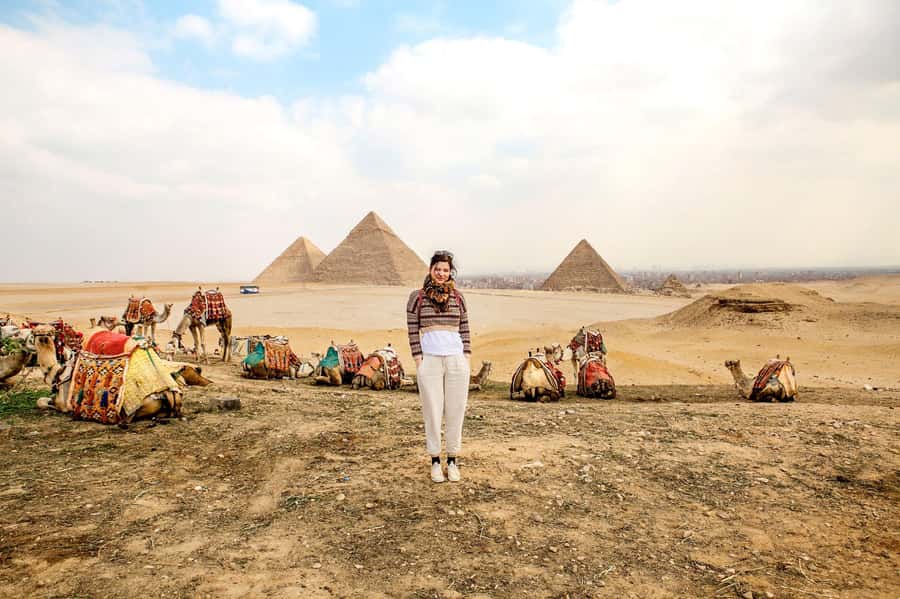
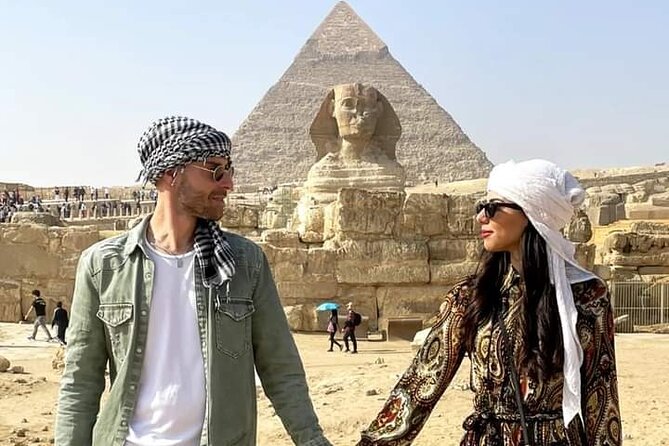
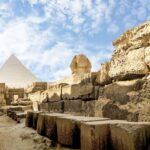
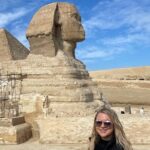
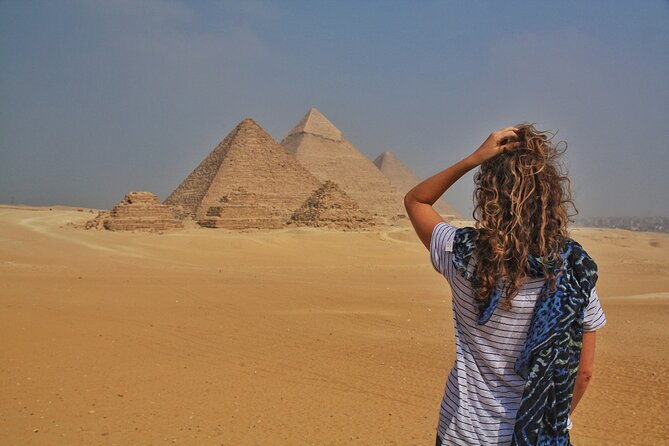
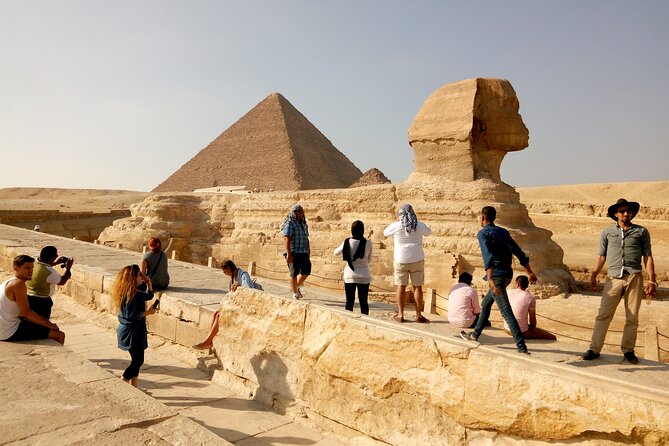
Giza is the big reason most people book a Cairo-first itinerary, and this package goes right at it. You visit the Great Pyramids of Cheops, Chephren, and Mykerinos, and you also get time at the Sphinx, described as part of a larger funeral complex connected to Chephren.
What I like about this setup is that you don’t just see one pyramid. You see multiple kings and their different proportions and placements. It helps you understand that this isn’t one monument—it’s a planned necropolis with distinct pieces.
The included stop time is about 2 hours. That’s enough to appreciate the scale from your feet and also to pause for viewpoints without feeling like you’re sprinting the entire site. Still, consider that the ground can be uneven and there’s a lot of exposure. If you’re sensitive to heat, you’ll want to plan your energy and hydrate.
Also, the Sphinx complex is a good moment to switch from “wow, it’s huge” to “wow, it’s ancient engineering.” Even with limited time, you’ll feel the difference between a landmark and a working burial landscape.
Cairo Citadel and Alabaster Mosque: fortress views and Ottoman-era monuments
After Giza, the Citadel adds a different layer of Egypt’s story. The plan includes the Mosque of Suleiman Pasha, the Alabaster Mosque, Joe’s Walls, and the Mohamed Ali Pasha Palace.
This is less about pharaohs and more about how Egypt’s power centers shifted through centuries. The Citadel area is where you get the sense of Cairo as a long-lived city, not just a backdrop for one dynasty.
Expect about 2 hours. That’s a good amount because you’ll want time to look around and also to catch views over the city. If you’re the kind of traveler who only likes “the main thing,” this might feel like filler compared with the pyramids. But if you like putting ancient sites into a bigger timeline, this stop makes the day feel more complete.
Khan el-Khalili Bazaar: brass, copper, perfumes, leather, and a real wandering break
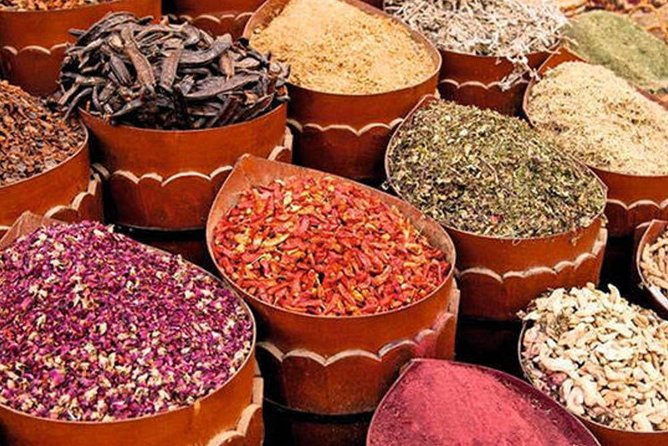
Khan el-Khalili is the built-in decompression stop. After a day of stone and history, you get a more human experience: a bazaar area where shops sell brassware, copper items, perfumes, leather goods, silver, gold, antiques, and other crafts.
The itinerary gives about 1 hour here, and that’s the right length for most people. You’ll get the vibe, you’ll see the kinds of goods, and you can still return to your hotel before the day drains you.
A quick consideration: bazaars can be busy and it’s easy to get carried away buying souvenirs. With only an hour, you might feel rushed if you try to do serious shopping. If you like browsing, that hour is perfect. If you’re buying, decide what you want before you get overwhelmed by options.



Day 3 at 4:00 am: Cairo to Luxor flight and West Bank highlights before the heat
Day 3 is where this package really earns its “value for time” reputation. You’re transferred to the domestic airport around 4:00 am, fly to Luxor, and arrive by about 6:00 am. Then the West Bank day starts fast with a guide and included entry tickets.
Why the early start matters: the Valley of the Kings and the surrounding tomb areas can feel brutal later in the day. Starting early means better light and more comfortable walking. You’ll also be able to focus on details inside the tombs rather than just surviving the sun outside.
On the West Bank, the package lists:
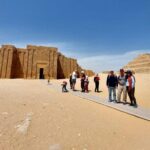
- Valley of the Kings (with tombs of different dynasties)
- Deir el-Bahari / Temple of Hatshepsut
- Colossi of Memnon
- Plus Luxor Temple and Karnak later in the day
Even if you’ve been to Egypt before, this is a classic “West Bank greatest hits” arc. You see tomb history, royal mortuary architecture, and then you pivot into giant temple complexes that stretch into the next era.
Valley of the Kings and Deir el-Bahari: tomb stories and royal burial design
The Valley of the Kings stop is framed around the period when rock-cut tombs were excavated for pharaohs and powerful nobles of the New Kingdom. The plan mentions that this valley saw tomb work for nearly 500 years from the 16th to 11th century BC.
What you’ll feel in this part of the tour is how different the scale is underground. Pyramids are external statements. Tombs are intimate, controlled, and designed for a belief system about the afterlife.
Then you move to Deir el-Bahari and the Temple of Queen Hatshepsut. The itinerary calls it a mortuary temple built for Hatshepsut, located beneath cliffs at Deir el-Bahari on the west bank near the Valley of the Kings.
This pairing works because it connects the “final resting” idea to the “temple for remembrance” idea. Even if you only spend limited time inside specific tombs, you still get a coherent story arc: royal power, burial, then ongoing devotion through architecture.
Colossi of Memnon and the Luxor-to-temple shift
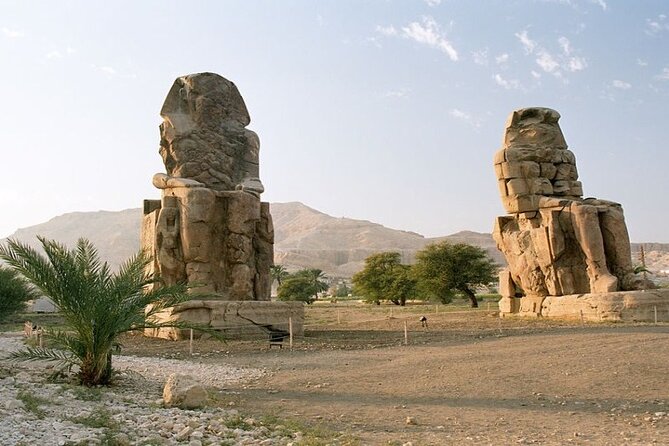
The Colossi of Memnon are two gigantic sitting statues representing Amenophis III, described as facing the Nile and standing since around 1350 BCE in the Theban Necropolis.
This stop is short on purpose. It gives you a giant outside landmark after tomb time, so your brain gets a break from confined spaces. It’s also a great moment to look out over the Nile direction, because the west bank sights only fully click when you can orient yourself to the river’s role in the city.
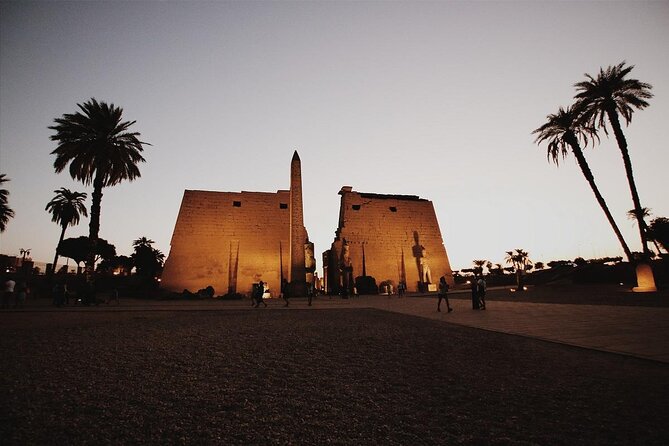
Then you shift into Luxor Temple. The plan describes seeing its courtyard and the granite statues of Ramses the Great, and it includes time that flows into Karnak right after.
If you like the feel of a “temple day” with big-scale visuals, this schedule is built for you. If you’re tired of stone by lunchtime, consider that this part requires attention, not just sightseeing.
Luxor Temple and Karnak: Ramses granite, Hypostyle Hall columns, and the Avenue of Sphinxes
Luxor Temple and Karnak are the heavy hitters on the east bank. Luxor Temple is described with its courtyard and granite statues of Ramses the Great. Then Karnak pulls you through a series of highlights: the Avenue of Sphinxes, the Unfinished Propylon, the Hypostyle Hall with 134 gigantic columns, the Obelisks of Queen Hatshepsut and Tutmosis III, and the temple of Amon with lotus and papyrus designs.
The plan even calls out the Granite Scarabs of Amenophis III and the Sacred Lake. These aren’t just random extras. Karnak is huge, and naming specific pieces helps you avoid the common problem: walking through a massive site and leaving with only vague impressions.
You’ll likely feel the size most at the Hypostyle Hall. If you’ve never stood under a forest of columns like that, this is the moment. The included time listed is about 1 hour for Luxor Temple and another portion for Karnak, so you’re moving, but the route includes the iconic sections.
After the day tour, you transfer to your hotel for check-in and overnight in Luxor.
From Luxor to Aswan via Edfu and Kom Ombo: a temple corridor across the Nile
Day 4 shifts gears into travel plus temples, and it’s arranged as a route from Luxor to Aswan with two major stops along the way. You check out around 7:00 am and depart Luxor. The itinerary says you’ll have “2 different Stop to Visit Edfu and Kom Ombo Temple” before arriving in Aswan by about 12:00 noon.
This structure is practical. It prevents you from losing the morning to pure transit, and it gives you a “temple corridor” day instead of a long drive with no payoff.
Kom Ombo is on the route with included entry. (The itinerary labels it as Temple of Kom Ombo.) Edfu is also listed as a visit on the way, though the specific temple details for Edfu aren’t spelled out in the text you provided.
By noon in Aswan, you get a built-in break before the Philae Temple part of the day. If you’re someone who likes a paced sequence rather than one long slog, this Day 4 flow can feel manageable.
Philae Temple in Aswan: the end-point for many Egypt itineraries
After breakfast at the hotel, your Aswan day includes Temple of Philae. The plan simply lists it as a temple visit, but Philae is widely known as one of the key temple complexes tied to the Nile’s religious geography. Even in a short format, you can expect it to feel different from Karnak and Valley of the Kings because it’s more about sacred river-era identity.
The schedule lists you continuing later to Aswan airport for your return flight to Cairo. It also notes a connection: you arrive Cairo by 10 pm and take a connection flight that takes off at 2 am.
That last part is important. Even if the sites are great, you’ll be dealing with late-night travel. If you dislike airport time, it may be worth planning a strategy for the ride home so the day doesn’t feel like punishment.
Price and value: is $515 fair for flights, private cars, and included tickets?
At $515 per person for 4 days and 3 nights, this price has one clear value driver: domestic flights plus private A/C transfers, with entry fees included for the major sites you hit.
Many Egypt trips cost more once you add all the “hidden” costs: museum tickets, temple entries, internal flights, and the extra vehicle time between cities. Here, a lot of that is bundled. You also get a tour guide and hotel pickup/drop-off.
What you should watch is what’s not included: Egypt visa entry and tipping. Those are the two big exclusions listed. Also, the itinerary notes lunch is included, while Day 1 has no meals listed and Days 3–4 do include breakfast at the hotel.
The other value question is organization. This is where reviews can be useful. You’ve got some positive notes about professionalism and punctuality (including a guide named Ai Man), and you’ve also got reports that tour operator handoffs at airports can go sideways. So I’d treat this like any high-contrast itinerary: keep the provider contact info handy, double-check pickup points, and don’t assume the representative will look obvious in a crowded airport.
If you do that, $515 can feel like a sensible way to see Cairo, Luxor, and Aswan without stretching your time too thin.
Who this tour suits best (and who should consider a slower pace)
This plan fits you if:
- You want the headline sights: Egyptian Museum, Giza, Valley of the Kings, Karnak, and Philae.
- You like having transportation handled by someone else.
- You prefer private guided time over hopping around alone.
It might not be ideal if:
- You hate early mornings. Day 3 is built around that 4:00 am airport transfer.
- You want a slower, deeper feel at each site. This schedule packs a lot into a limited number of hours.
Also, you’ll likely enjoy it more if you like structure. The included tickets and guided routes reduce decision fatigue.
Should you book this Cairo–Luxor–Aswan package?
I’d book it if you want a clear route with private transfers, included admissions, and domestic flights that keep you from spending half your trip in transit. For many first-timers, it’s a smart trade: fewer days, more iconic sites, and a guided story that stitches everything together.
I’d pause and ask a couple of questions before paying if you’re sensitive to late travel. Day 4 includes a return connection after arriving Cairo around 10 pm. I’d also confirm how the meet-and-assist works for your specific dates and which guide you’ll have, since Egypt packages can vary in execution depending on the operator.
If you’re the kind of traveler who likes a fast, focused itinerary with the logistics handled, this one is worth your attention.
FAQ
What does the $515 per person price include?
The package includes all transfers by private A/C latest model vehicle, a private tour, tour guide, hotel pickup and drop-off, lunch, and entrance fees for the sites listed in the itinerary. It also includes domestic flights within Egypt and meet-and-assist service at destinations. Visa entry for Egypt and tipping are not included.
Are domestic flights included in this package?
Yes. The plan includes a domestic flight from Cairo to Luxor on Day 3, with a transfer to the airport around 4:00 am and arrival in Luxor around 6:00 am. On the way back, you fly from Aswan to Cairo after the Philae Temple visit, with an additional connection flight mentioned later.
Is this a private tour or a group tour?
It’s private. The information states it’s a private tour/activity where only your group will participate.
Are entrance fees included for the main attractions?
Yes. The itinerary lists admission tickets as included for the Egyptian Museum, Pyramids of Giza, Cairo Citadel, Khan el-Khalili, Valley of the Kings, Colossi of Memnon, Deir el-Bahari, Luxor Temple, Karnak, Temple of Kom Ombo, and Temple of Philae.
What meals are included during the trip?
Lunch is included. Breakfast is included at the hotel on Day 3 and Day 4. No meals are listed for Day 1.
How early are the transfers on the schedule?
On Day 3, you’re transferred to the domestic airport around 4:00 am for the flight to Luxor. On Day 4, you check out at 7:00 am and you’re picked up around 7:00 am for the transfer to Aswan via Edfu and Kom Ombo.
What happens if the experience is canceled for poor weather?
The information says the experience requires good weather. If it’s canceled due to poor weather, you’ll be offered a different date or a full refund.