REVIEW · LUXOR
5 days Nile Cruise from Luxor to Aswan (F.B), Guided Tours
Book on Viator →Operated by Al Sahel Travel · Bookable on Viator
A Nile cruise between Luxor and Aswan hits the sweet spot of easy travel. You get the comforts of a ship, plus guided, in-person tours of the most famous sites on the river. This route also moves at a pace that leaves room for the big moments, not just photos.
I especially like that the package bundles the essentials: English tour guide time, meals, transfers, and entrance fees. And instead of bouncing around on your own, you’re met, moved, and shown around with private-car logistics.
One thing to think about: the guide set-up can vary day to day, which may affect how consistent the storytelling feels across the whole trip.
In This Review
- Key things to know before you go
- Luxor to Aswan: what 5 days on the Nile really does for your trip
- Day 1: Luxor Temple and Karnak without the “rush from hell” feeling
- Day 2: Valley of the Kings, Deir el Bahari, and Colossi of Memnon
- Day 3: Edfu’s Horus temple, then Kom Ombo’s Sobek temple
- Day 4: Philae, the High Dam area, and an Elephantine felucca ride
- Day 5: checkout after breakfast and leaving from Aswan
- Food, entrances, and transfers: where this package really earns its price
- Private cars and guided tours: comfortable logistics, but one watch-out
- Price check: is $769 per person good value?
- Who this Nile cruise is best for
- Practical tips for making the days easier
- Should you book this Luxor to Aswan Nile cruise?
- FAQ
- What’s the duration of the Nile cruise?
- Where does the tour start and where do you end?
- Is pickup included?
- Is the tour private?
- What meals are included?
- Are entrance tickets included?
- Do I get an English guide?
- What stops are included on the route?
- What kind of ticket do I receive?
- What’s the cancellation policy?
Key things to know before you go
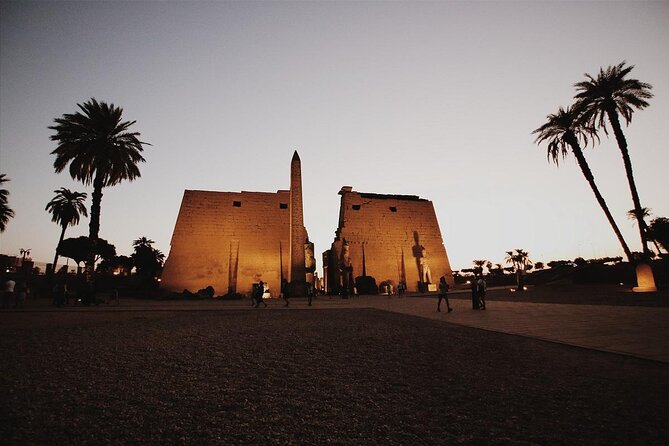
- Luxor Temple + Karnak on Day 1 means you start with the big East Bank icons.
- Valley of the Kings + Hatshepsut’s Deir el Bahari gives you both royal tombs and one of Egypt’s standout temple designs.
- Edfu and Kom Ombo together packs Horus and Sobek into a single day, saving you a travel day.
- Philae + High Dam area + Unfinished Obelisk rounds out Aswan with landmarks beyond the usual temple photos.
- Meals and entrance fees are included in the package price, so you’re not hunting for ticket counters all week.
Luxor to Aswan: what 5 days on the Nile really does for your trip
This is a classic Egypt “big hits” Nile route. You’re traveling from Luxor down to Aswan across Luxor, Edfu, Kom Ombo, and Aswan. The key value here is the balance: you’re not just sitting on the deck all day, and you’re not doing an exhausting temple sprint either.
You’ll have 4 breakfasts, 4 lunches, and 4 dinners included. That matters more than it sounds. Meals on the Nile are a huge part of the experience, and having them built in removes a lot of decision fatigue.
You’ll also have a lot of guided time across multiple days. Most of the sights on this route are spread out. A private-car setup keeps your days from feeling like a scavenger hunt.
You can also read our reviews of more boat tours in Luxor

Day 1: Luxor Temple and Karnak without the “rush from hell” feeling
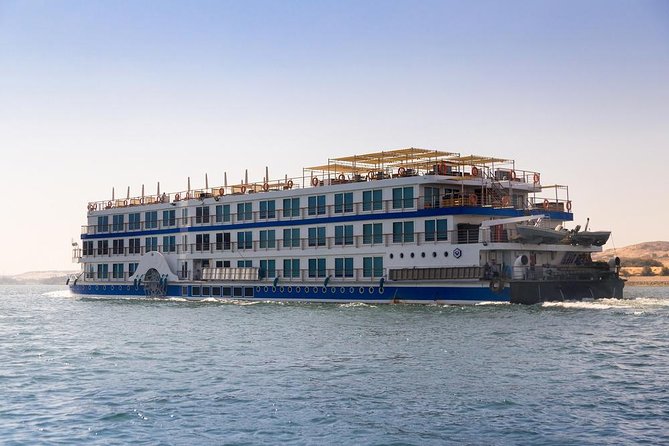
Your Day 1 starts with the practical stuff: you’re met and assisted by Al Sahel Travel at your hotel, the airport, or the train station, then transferred to the Nile cruise. After you’re settled, the itinerary shifts to the best first impression: Luxor’s East Bank.
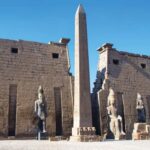
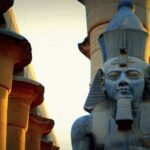
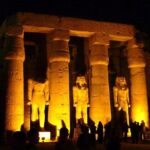
First stop is Luxor Temple. It’s tied to the Karnak complex story, but it has its own mood—chapels built by Amenhotep III and a setting that feels like it was designed for slow walking. The time on site is listed at about an hour, which is enough to get the layout and key sections without feeling drained.
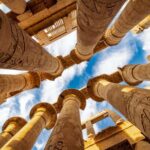
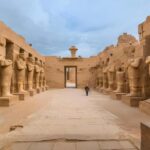
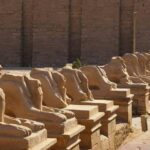
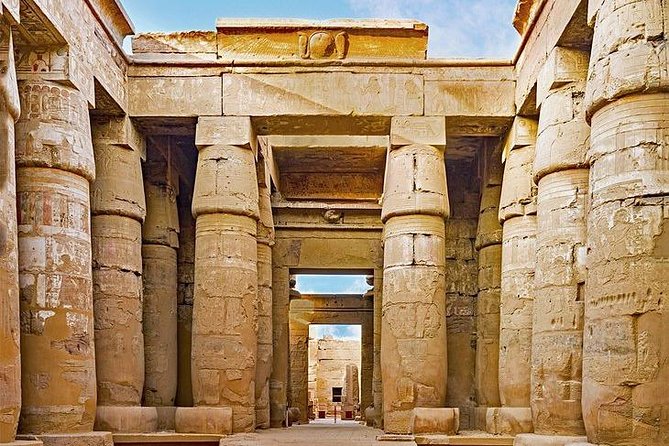
Then you head to Karnak Temple Complex, the huge religious center that once powered the Theban world. The highlights are the scale and the details: towering columns and massive halls, including the Great Hypostyle Hall with its 134 columns. It’s the kind of place where you can keep learning even after you think you’ve seen everything.
A small point to watch: the itinerary text you’ll receive may mention entry tickets for some stops. The package pricing also says entrance fees are included. In real life, that usually means the operator is covering site entry—but I’d still check your final confirmation so there’s no surprise at the gate.
Day 2: Valley of the Kings, Deir el Bahari, and Colossi of Memnon
Day 2 is built around Thebes’ most famous “royal” sites.
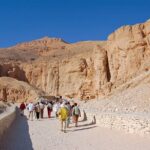
You start with the Valley of the Kings, described as the sacred royal cemetery where pharaohs were buried. The experience here is all about context: you’re not just looking at ruins, you’re walking through the idea of how power and afterlife shaped Egyptian planning. The tour time is set at around five hours, so you get enough hours for the key stops without feeling like you’re being herded.
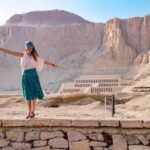
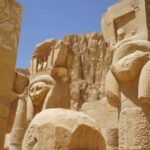
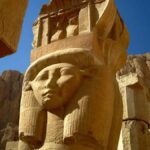
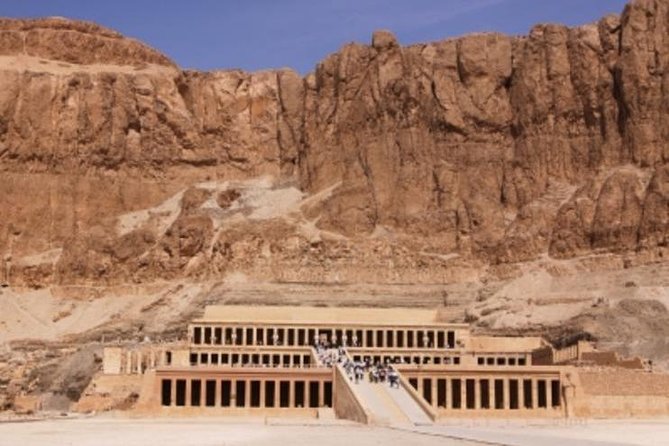
After that you visit Temple of Queen Hatshepsut at Deir el Bahari. This one stands out for the way it’s carved into the mountainside. Hatshepsut is a fascinating ruler in Egyptian history, and the temple design helps explain why her reign mattered. If you like architecture, this is a highlight day.
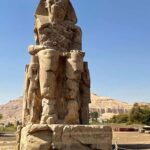
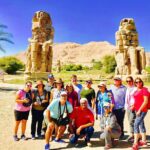
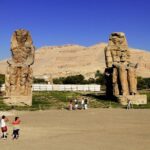
You end with the Colossi of Memnon—two giant statues tied to Amenhotep III. They’re short on time, but memorable. Think of them as the quick, visual punctuation mark after a longer day of walking through temple spaces.
Day 3: Edfu’s Horus temple, then Kom Ombo’s Sobek temple
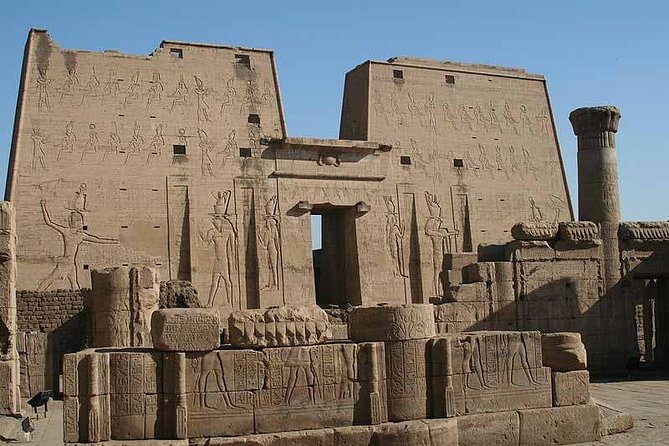
Day 3 moves out of Luxor’s core sites and into the river-temple rhythm that makes this cruise feel special.
First is the Temple of Horus in Edfu. You’re looking at the center of the falcon god Horus’s world. The time on site is about two hours, which is just right for getting beyond the postcard view and understanding the temple’s role in the local religion.
Then you head to Kom Ombo, for the temple connected with the crocodile god Sobek. Kom Ombo is often easier to remember because it feels different from the typical single-deity layout. It’s described as one of the unusual temples of Ancient Egypt and associated with the Ptolemaic Dynasty, so you’re also getting a sense of Egypt under later rule.
If you want one practical tip for days like this: wear shoes you can handle on uneven stone. You’ll be moving more than you think, and comfort beats style when you’re on temple surfaces all day.
Day 4: Philae, the High Dam area, and an Elephantine felucca ride
Day 4 is an Aswan-focused day, and it blends sacred sites with modern-era landmarks.
First is Temple of Philae, one of the big Aswan-area temple names. The itinerary also includes the High Dam and the Unfinished Obelisk. That combination is useful because it gives you more than ancient Egypt. You see how later projects shaped the region—something you might not get if you only focus on temples.
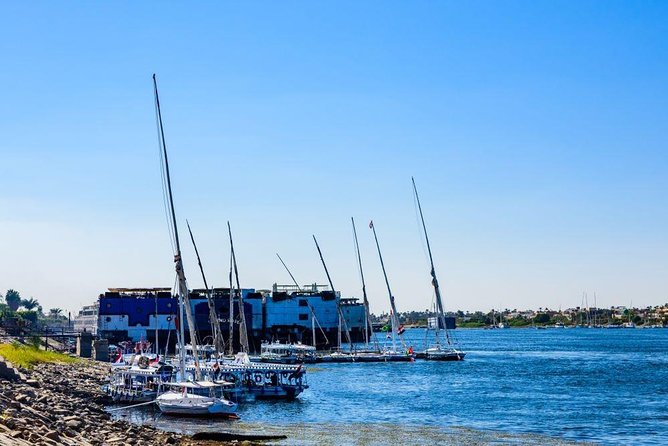
Lunch is included onboard, which is a smart built-in break after a morning of walking. And then you add the Nile at its most “slow travel” moment: a felucca ride on the Nile from Elephantine Island. You get movement, wind, river light, and that signature calm that makes the whole cruise feel like more than a series of tours.
This is also the day where I’d set expectations realistically. The felucca portion is short compared with a full-day boat outing, but it’s still the moment where you feel the river—not just the monuments.
You can also read our reviews of more guided tours in Luxor

Day 5: checkout after breakfast and leaving from Aswan
On your final day, you check out after breakfast. Then your representative accompanies you to Aswan airport or the train station.
This wrap-up is simple on purpose. It means you’re not dealing with a long transfer while tired, and you’re not forced into extra sightseeing on the last morning. If your flight or train timing is fixed, this kind of direct ending is a relief.
Food, entrances, and transfers: where this package really earns its price
The pricing includes several items that usually add up fast on Egypt trips:
- Meals: 4 breakfasts, 4 dinners, and 4 lunches.
- Entrance fees: the inclusions list says entrance fees are included.
- Transfers: all transfers are by A-C vehicles with qualified drivers.
- Guided sightseeing: an English tour guide is included.
So what’s the real value? It’s not just convenience. It’s predictability. When meals and entries are covered, you stop budgeting mid-trip and you stop worrying about carrying extra cash just to keep moving.
Also, the itinerary is structured around guided time, not guesswork. That matters on temple days. Egyptian sites are old enough that signage can be uneven, and a guide helps you understand what you’re looking at instead of just reading hieroglyphs as decoration.
Private cars and guided tours: comfortable logistics, but one watch-out
This is described as a private tour/activity, so it’s not a shuffle with strangers crammed into a schedule that doesn’t fit anyone. The transfer approach is also more comfortable than typical public transport hopping, especially for families or anyone who gets tired from constant walking.
One caution: in a review note tied to the overall experience, the guidance quality was reported as variable, with guides potentially changing daily. That doesn’t automatically mean the trip is worse—it can still be excellent—but it does mean you might get different styles of explanation day to day. If you’re the type who loves one consistent guide voice throughout, ask the operator how they manage guide continuity before you pay.
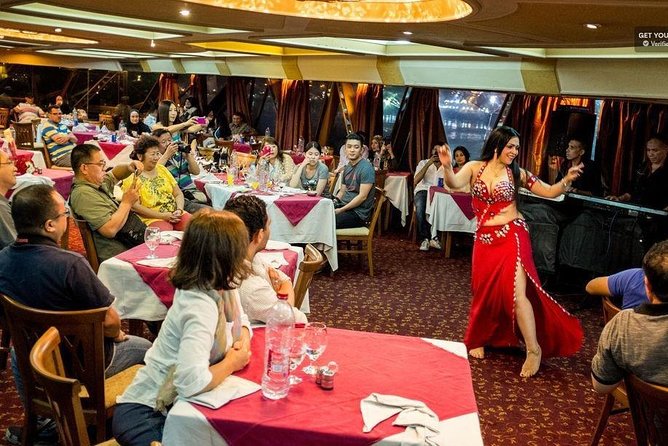
On the positive side, the same feedback also highlights friendly crew service onboard and a buffet style that changes over time. That’s exactly the kind of detail that can make the onboard experience feel less repetitive.
Price check: is $769 per person good value?
At $769 per person for about 5 days / 4 nights with meals, transfers, a guided program, and entrance fees included, the price can be good value—especially when you compare it to the cost of trying to assemble all pieces separately.
Here’s how I’d judge it:
- If you expect to pay for guides + entrances + most meals on your own, this package structure is doing real work.
- You also get the effort handled: meeting, transfers, and the guided temple plan.
- The private-car element reduces time wasted and makes the long days more manageable.
The main reason value could feel lower for some people is if you have specific expectations about guide consistency or if, in your case, certain sites turn out not to be covered as you expected. That’s why it’s smart to confirm what’s included in the entrance fees and how the schedule handles guide assignments.
Who this Nile cruise is best for
This itinerary is ideal if you want:
- A Luxor-to-Aswan cruise that targets the big names: Karnak, Valley of the Kings, Hatshepsut, Edfu, Kom Ombo, and Philae.
- A balance of guided tours plus onboard downtime.
- A trip with meals included, so your days feel smoother.
- Comfortable logistics via A-C private vehicles.
It may be less ideal if you’re very picky about one consistent guide throughout every day, because the program can involve different guide coverage.
Practical tips for making the days easier
You’ll be moving through temples, courtyards, and uneven stone. A few practical moves help:
- Pack light layers. Temples can be cool-ish, while afternoons can feel warm.
- Bring a hat and sunglasses. Even with guides and ships doing their part, you’re exposed while walking.
- Use supportive shoes. You’ll do more walking than the “site time” numbers suggest.
And don’t underestimate how emotionally satisfying this route can be. Even if you’ve seen photos, the scale hits differently in person—especially at Karnak and on the royal-temple days.
Should you book this Luxor to Aswan Nile cruise?
I’d book it if you want a structured, guided Nile experience with meals and transfers handled, and you’re excited about hitting the major Luxor and Aswan sights without planning every step. The itinerary has a clean flow: East Bank first, then royal tombs and Deir el Bahari, then Edfu and Kom Ombo, finishing with Aswan’s temple area plus a Nile felucca ride.
I’d pause and ask a couple of direct questions before paying if guide consistency matters to you or if you want clarity on entrance coverage for every single stop. Get the written confirmation in hand, then you’ll know exactly what to expect at each monument.
If you want a smoother Egypt plan with less friction, this kind of package is the way to go.
FAQ
What’s the duration of the Nile cruise?
It runs for about 5 days and 4 nights, from Luxor to Aswan.
Where does the tour start and where do you end?
You start in Luxor, and on the last day the representative accompanies you to Aswan airport or the train station.
Is pickup included?
Yes. Pickup is offered, including meeting at your hotel, Luxor airport, or Luxor train station.
Is the tour private?
Yes. It’s listed as a private tour/activity, so only your group participates.
What meals are included?
The package includes breakfast (4), lunch (4), and dinner (4) based on the FB basis.
Are entrance tickets included?
The inclusions list says entrance fees are included. Still, double-check your confirmation for each specific site ticket wording.
Do I get an English guide?
Yes. An English tour guide is included (other languages are available for extra cost).
What stops are included on the route?
Key stops include Luxor Temple, Karnak Temple Complex, Valley of the Kings, Temple of Queen Hatshepsut at Deir el Bahari, Colossi of Memnon, Temple of Horus in Edfu, Temple of Kom Ombo, Temple of Philae, the High Dam, Unfinished Obelisk, plus a felucca ride on the Nile from Elephantine island.
What kind of ticket do I receive?
You receive a mobile ticket.
What’s the cancellation policy?
You can cancel for free up to 24 hours in advance for a full refund. If you cancel less than 24 hours before the start time, you won’t get a refund. The experience also requires a minimum number of travelers, and if it’s canceled due to that, you’ll be offered another date/experience or a full refund.