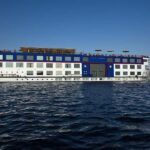
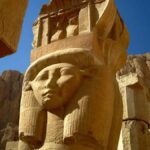
That first view of the Nile never gets old.
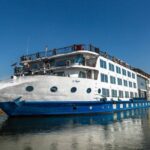
This Luxor-to-Aswan Dahabiya cruise pairs classic temple highlights with a slower, more intimate way of seeing Upper Egypt. I especially like the included Egyptologist-guided excursions at major sites, and the full-board boat life that makes long days feel manageable. One drawback to watch: there can be occasional communication gaps about whether the ship/cabin matches what you expected, so I’d confirm your exact Dahabiya details before you go.
You’ll move through Luxor’s west bank, sail toward Edfu and Kom Ombo, then finish in Aswan with stops like the High Dam, the Unfinished Obelisk, and Philae Temple. It’s built for people who want both the big names and a real change of pace from the usual hotel-hopping trip.
A final practical note: this is a private experience, but it still means a lot of walking and sun exposure at the temples. Bring good shoes, plan for heat, and keep water handy.
In This Review
- Key highlights
- Luxor to Aswan on a Dahabiya: the point of doing it this way
- Price and what you’re really paying for ($2,083.33 per person)
- Day 1 in Luxor: Valley of the Kings, Hatshepsut at Deir el Bahari, Karnak
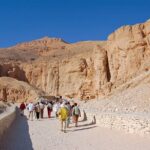
- Valley of the Kings (about 2 hours)
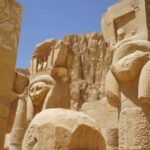
- Temple of Hatshepsut at Deir el Bahari (about 2 hours)
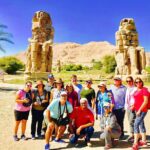
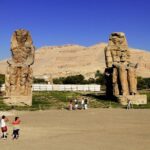
- Colossi of Memnon (30 minutes)
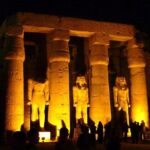
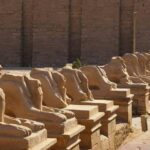
- Karnak Temple Complex (about 2 hours)
- Day 2: Edfu’s Horus Temple and the Golden Chain at Gebel el Silsila
- Temple of Horus at Edfu (about 3 hours)
- Gebel el Silsila (about 3 hours)
- Day 3: Kom Ombo’s double temple and a longer guided stop
- Temple of Kom Ombo (about 6 hours)
- Day 4 in Aswan: High Dam, Unfinished Obelisk, and Philae Temple
- Aswan High Dam (about 1 hour 30 minutes)
- Unfinished Obelisk (about 1 hour 30 minutes)
- Philae Temple (about 2 hours)
- The Dahabiya experience: cabins, calm pace, and full-board meals
- Included transfers and how to avoid day-of stress
- A key caution: confirm the exact Dahabiya ship and cabin match
- Who should book this Luxor to Aswan Dahabiya cruise?
- Should you book this Dahabiya cruise?
- FAQ
- How long is the cruise?
- Where does the cruise start and end?
- What’s included in the price?
- Are admission tickets included?
- Is this tour private?
- Is pickup offered?
- Can the tour handle dietary restrictions?
- Do I need to tip?
- Can I cancel for a full refund?
- Is it suitable for most travelers?
Key highlights
- Temple focus with real guide time at Valley of the Kings, Karnak, Edfu, Kom Ombo, and Philae
- Four nights on a 5-star Dahabiya with breakfast, lunch, and dinner included while aboard
- Aswan add-ons that most day trips skip, like the Unfinished Obelisk and High Dam
- Slow river rhythm that makes sunrise and night scenery part of the trip, not a side note
- Private charter feel: only your group, with modern A/C vehicle transfers
Luxor to Aswan on a Dahabiya: the point of doing it this way
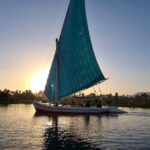
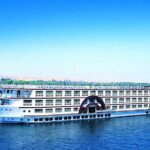
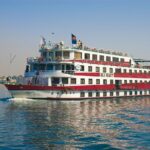
A Nile cruise sounds simple on paper. In real life, the difference is the tempo. On this kind of Dahabiya sailing—smaller and more “you’re living on the river” than “you’re just touring on a ship”—you get time to breathe between sightseeing stops.
What I like most is how the cruise structure supports the sights. You’re not rushing from one monument to another and back to a hotel that evening. Instead, the days are organized around temple visits, and the nights are calm. Even the little routines—watching the river shift in the early hours and settling in on board—become part of the memory.
Another win is how much is handled for you. You get meet-and-assist, A/C vehicle transfers, an Egyptologist guide, and listed admission tickets as part of the excursions. That matters because Egypt’s best sites reward time and context. When someone can explain what you’re looking at, you tend to remember it later.
You can also read our reviews of more boat tours in Luxor
Price and what you’re really paying for ($2,083.33 per person)
At $2,083.33 per person, this isn’t a budget trip. But if you compare it to what you’d pay for similar coverage—private guided temple days plus four nights on a 5-star boat with full-board meals—it starts to look more like a “package that buys you time” than a single attraction.
Here’s what’s value-heavy in the price:
- 4 nights on board (full board): breakfast (4), lunch (4), dinner (4)
- Egyptologist guide during excursions
- All excursions listed in the itinerary
- Transfers by modern A/C vehicle plus meet-and-assist on arrival and departure
- Admission tickets included for the sites named in the plan (with the Colossi of Memnon specifically listed as free)
What’s not included is tipping, and that’s standard. The big thing to scrutinize before you pay fully is the exact match between your booking and the ship/cabin. There’s at least one cautionary note in the provided feedback about a mismatch between expected rooms and what was delivered and a lack of prior communication. You can avoid turning that into a headache by confirming ship and cabin details in writing.
Day 1 in Luxor: Valley of the Kings, Hatshepsut at Deir el Bahari, Karnak
Luxor is the place where Egypt archaeology feels concentrated, almost unfairly so. Day 1 is a strong mix of royal burials and temple drama.
Valley of the Kings (about 2 hours)
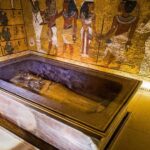
This is where you start to understand the New Kingdom mindset: power, legacy, and belief carved into rock. You’ll have about 2 hours here with the admission ticket included. The time allotment is enough to see a few tomb areas and not just collect tickets and photos.
Temple of Hatshepsut at Deir el Bahari (about 2 hours)
Hatshepsut’s temple is one of those sites that makes you look twice. It’s visually commanding, but it’s also historically significant because it was built during her reign in the Eighteenth Dynasty. Expect around 2 hours with the admission included.
Practical tip: this is the kind of stop where it helps to slow down. Don’t rush to the best view spot first. Take a moment to understand how the terraces and layout work, then go back for photos once you have the “map in your head.”
A few more Luxor tours and experiences worth a look

Colossi of Memnon (30 minutes)
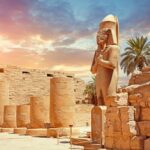
These massive statues are a quick hit—about 30 minutes—and admission is listed as free. It’s worth doing even if you feel temple fatigue at that point, because they’re so striking and they set the stage for what comes next.
Karnak Temple Complex (about 2 hours)
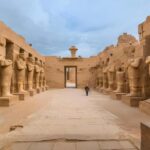
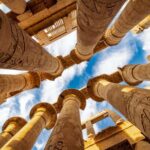
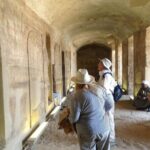
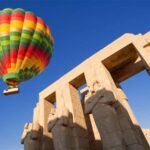
Karnak can overwhelm you if you treat it like a checklist. Here you get about 2 hours with admission included. That’s enough time to get oriented and understand how the temple complex functioned as more than one building. You’re there long enough to start seeing patterns in the columns, pylons, and sanctuaries.
Day 2: Edfu’s Horus Temple and the Golden Chain at Gebel el Silsila
This is a day that balances a major showpiece with a more rugged, geology-and-history stop.
Temple of Horus at Edfu (about 3 hours)
Edfu is one of Egypt’s most satisfying temple visits because the structure is so readable. You’ll spend roughly 3 hours with admission included at the Temple of Horus.
If you want the “wow” factor without chaos, this is a good fit. Plan for heat and take breaks when you can. Temple walls can be beautiful, but they don’t move, so you’ll want your own rhythm.
Gebel el Silsila (about 3 hours)
This is where the story gets physical. Gebel el Silsila is tied to stone quarrying, and the provided description also notes it as the location for materials used in major ancient works. You’re looking at about 3 hours with admission included, between the Edfu Temple and near the Kom Ombo area.
Why I like this stop: it connects monuments to real-world labor. It’s not only about what people built. It’s about how they got the stone in the first place.
Day 3: Kom Ombo’s double temple and a longer guided stop
Day 3 gives you the longest temple window of the middle segment.
Temple of Kom Ombo (about 6 hours)
Kom Ombo is described as a double temple, originally from the Ptolemaic period and expanded later under the Romans. You’ll have about 6 hours with admission included.
That length is important. Double temples take longer to interpret because you’re basically reading two religious storylines in one place. If you rush, you miss the point of why it’s built this way.
I’d use the time like this: first, get the overall layout. Then, let your guide connect the symbols and functions. Only after that should you go looking for your favorite details.
Day 4 in Aswan: High Dam, Unfinished Obelisk, and Philae Temple
Aswan can feel different from Luxor because the Nile widens and the story shifts to water management, river edges, and island temples.
Aswan High Dam (about 1 hour 30 minutes)
This stop is practical and modern, and it’s listed as 1 hour 30 minutes with admission included. The description notes it as the largest embankment dam globally, built between 1960 and 1970.
Even if you don’t care about dams, this matters because it changes the scenery and the fate of places downstream. You get context for why certain ancient sites ended up being altered or relocated later.
Unfinished Obelisk (about 1 hour 30 minutes)
Next comes the unfinished obelisk, described as the largest known ancient unfinished obelisk found in the northern stone quarries of Aswan. You’ll have about 1 hour 30 minutes with admission included.
This is one of those stops that makes you appreciate craft. You’re not only seeing what survived, you’re seeing what stopped and why. It turns ancient engineering into something you can actually picture.
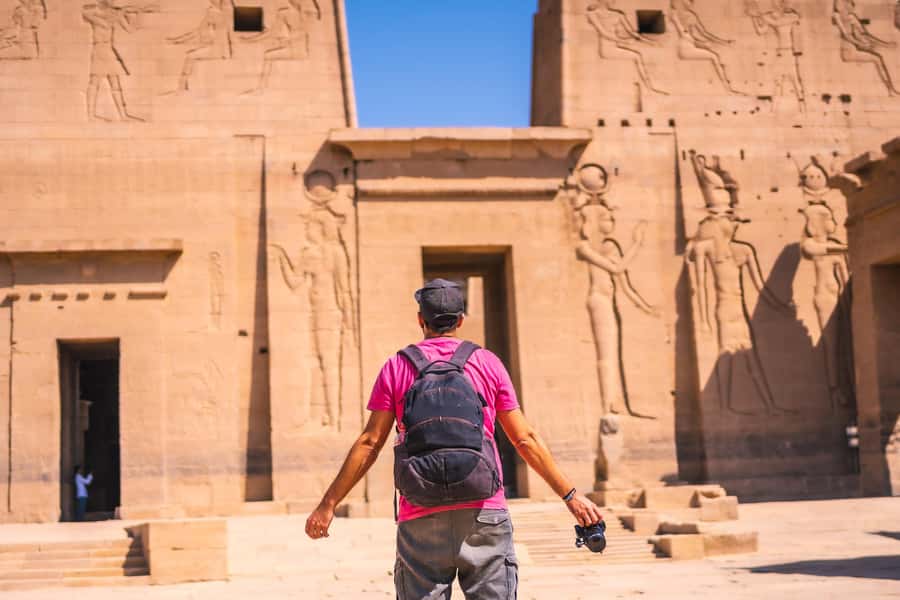
Philae Temple (about 2 hours)
Philae Temple is described as being within the reservoir area downstream of Aswan Low Dam and Lake Nasser. You’ll spend about 2 hours with admission included.
This is a strong finale because Philae feels like a temple made for the water around it. The setting helps you understand the role of the Nile in religion, transport, and daily life.
The Dahabiya experience: cabins, calm pace, and full-board meals
The “trip” isn’t only the temples. It’s what happens between them.
This cruise includes 4 nights on board and meals: breakfast (4), lunch (4), dinner (4). So your days are planned with real food breaks, not the scramble of hunting meals between tours.
On the boat side, the feedback you shared leans strongly toward comfort and service:
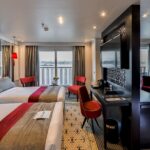
- Cabins described as spacious and comfortable
- Staff/crew praised as attentive
- A quiet ride effect described as lightweight and whisper-quiet
- Personal touches like mint tea while watching sunrise
I also like the idea that the cruise can include extras beyond the scheduled temple blocks. The trip description mentions opportunities such as a donkey ride through sugarcane fields, a pop-up picnic on an island, and lively local music shows. Those extras aren’t listed day-by-day in the itinerary, so I’d ask the operator what’s guaranteed on your departure.
A note about downtime: Dahabiya cruising is slower by design. If you love constant action, you might find the “river time” calming rather than thrilling. If you like the idea of sitting, reading, taking in views, and letting your guide handle the interpretation, this kind of schedule fits well.
Included transfers and how to avoid day-of stress
You’ll get meet and assist upon arrival and departure, plus transfers by modern air-conditioned deluxe vehicle. That reduces two big hassles in Egypt: figuring out logistics, and dealing with long taxi bargaining while you’re tired.
Since pickup is offered, confirm where and when you’ll be collected. When you know the plan, you can pack better and avoid delays that throw off your temple timing.
One more practical item: the tour includes a mobile ticket. Keep it accessible on your phone (and bring a backup screenshot). Egypt is an easy place to visit, but it’s still a place where paper helps if phones misbehave.
A key caution: confirm the exact Dahabiya ship and cabin match
This is the most important “do this before you go” point.
The provided feedback includes a case where the ship/cabin delivered didn’t match expectations from the website pictures, and there wasn’t clear prior communication. You can’t control every operator workflow, but you can reduce risk:
- Ask for confirmation of the exact Dahabiya model and cabin category you’re booked into
- Request any change details in writing before departure
- If you’re traveling at a special time (honeymoon, milestone birthday), note it when confirming
It’s not meant to scare you. Most cruises run smoothly. I just think this is the one area where a little admin upfront prevents a lot of frustration later.
Who should book this Luxor to Aswan Dahabiya cruise?
This itinerary suits a few clear traveler types.
Book it if you want:
- Private, guided sightseeing across Luxor, Edfu, Kom Ombo, and Aswan without piecing it together yourself
- A comfortable 5-star Dahabiya base for four nights
- Temple visits where time with an Egyptologist guide is part of the value
- Full-board meals so you don’t spend vacation time hunting food
Skip it (or consider a different style of cruise) if:
- You prefer ultra-flexible plans with no set temple blocks
- You hate long days of walking in sun and heat
- You want something more modern-city focused rather than archaeology focused
If you’re traveling with kids, this can work well because the boat time adds downtime, and the temple schedule is straightforward. Just remember that ancient sites still involve steps, uneven ground, and bright glare.
Should you book this Dahabiya cruise?
I think you should book if you’re aiming for the sweet spot: guided temple depth plus real boat relaxation, with the main sights already planned in a logical order from Luxor to Aswan.
Before you hit confirm, do two things. First, verify the exact Dahabiya ship and cabin you’ll get. Second, ask what optional on-river extras (like the picnic, donkey ride, or music) are actually included on your departure date, since those aren’t listed in the stop-by-stop itinerary.
If you do that, this is a strong pick for anyone who wants Upper Egypt at a human pace, with the Nile doing the “wow” work every day.
FAQ
How long is the cruise?
The experience is 5 days (approximately), with 4 nights on board the Dahabiya.
Where does the cruise start and end?
It starts in Luxor and ends in Aswan, with a transfer after breakfast on the final day.
What’s included in the price?
It includes meet and assist service, transfers by modern air-conditioned deluxe vehicle, accommodation for 4 nights on board a 5-star Dahabiya on a full board basis, an Egyptologist guide for excursions, and the cruise excursions mentioned in the itinerary. Breakfast (4), lunch (4), and dinner (4) are included.
Are admission tickets included?
Admission tickets are included for the sites listed with admission in the itinerary. The Colossi of Memnon is listed as free.
Is this tour private?
Yes. It’s a private tour/activity, and only your group participates.
Is pickup offered?
Pickup is offered, and transfers are provided by modern air-conditioned deluxe vehicle.
Can the tour handle dietary restrictions?
Yes. Dietary restrictions such as vegetarian, vegan, and gluten-free can be accommodated.
Do I need to tip?
Tipping is not included.
Can I cancel for a full refund?
Yes. You can cancel up to 24 hours in advance for a full refund.
Is it suitable for most travelers?
The information provided says that most travelers can participate.