REVIEW · LUXOR
5-Day Nile Journey on a Dahabiya Cruise from Luxor to Aswan
Book on Viator →Operated by Luxor Cultural Tours & Package - Egypt 24 Travel · Bookable on Viator
The Nile feels different on a Dahabiya. On this 5-day Luxor to Aswan cruise, you get the slow-boat pace with an on-the-ground Egyptologist who turns big stone sites into clear stories, plus a boat-and-river rhythm that’s easier on your legs than nonstop sightseeing.
I really like that you’re traveling in a small group setting (max 25) with full-board meals included, so most days feel planned but not rushed. One thing to consider: this is a tightly scheduled, early-to-late circuit of major temples and tombs, so if you hate long days in the sun, plan your stamina (and your sunscreen) accordingly.
In This Review
- Key highlights I’d circle before you book
- Why a Dahabiya cruise makes the Nile feel calmer
- Price and what you’re really paying for ($3,475.75 per person)
- Day 1 in Luxor: tombs, temples, and Karnak’s huge scale
- Valley of the Kings (about 2 hours, admission included)
- Temple of Hatshepsut at Deir el Bahari (about 2 hours, admission included)
- Colossi of Memnon (about 20 minutes, free admission)
- Karnak Temple Complex (about 2 hours, admission included)
- Day 2: Edfu’s Horus temple and the quarry story of Gebel el Silsila
- Temple of Horus at Edfu (about 2 hours, admission included)
- Gebel el Silsila (about 2 hours, admission included)
- Day 3: the double temple at Kom Ombo
- Temple of Kom Ombo (about 2 hours, admission included)
- Day 4 in Aswan: High Dam, unfinished obelisk, then Philae
- Aswan High Dam (about 30 minutes, admission included)
- Unfinished Obelisk (about 1 hour, admission included)
- Temple of Philae (about 2 hours, admission included)
- Day 5: disembarkation after breakfast and your onward transfer in Aswan
- What the included meals and onboard cabin mean for your comfort
- Who this Luxor-to-Aswan Dahabiya cruise is best for
- Should you book this Dahabiya Nile journey?
- FAQ
- Where does the tour start and what time?
- What languages are the Egyptologist guides available in?
- What meals and drinks are included?
- Are entrance tickets included for the main sites?
- Does the price include flights?
- How many people are in the group?
- Can I cancel for a full refund?
Key highlights I’d circle before you book
- Dahabiya-style sailing: a traditional Egyptian sailboat feel with an included cabin and day-to-day river pacing
- Egyptologist-led visits: guided explanations tied directly to what you’re seeing on-site
- Big-name Upper Egypt hits: Valley of the Kings, Karnak, Edfu, Kom Ombo, Aswan’s Philae area
- Full-board service: meals include water, tea, coffee, and soft drinks during dining
- Frequent admission coverage: most stops list admission tickets as included, so you’re not constantly paying extra
- Guide continuity matters: names like Ahmed and Omar show up in the guide story people share, which is a good sign for consistent guiding
Why a Dahabiya cruise makes the Nile feel calmer
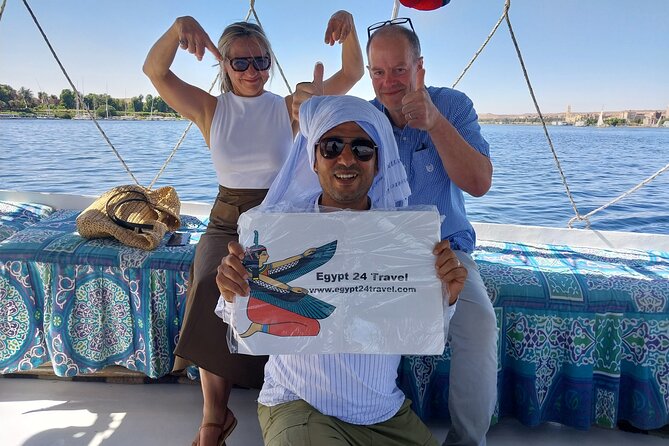
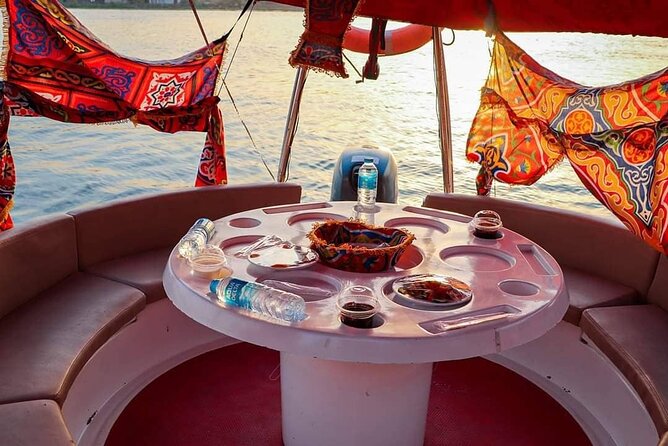
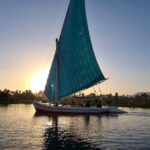
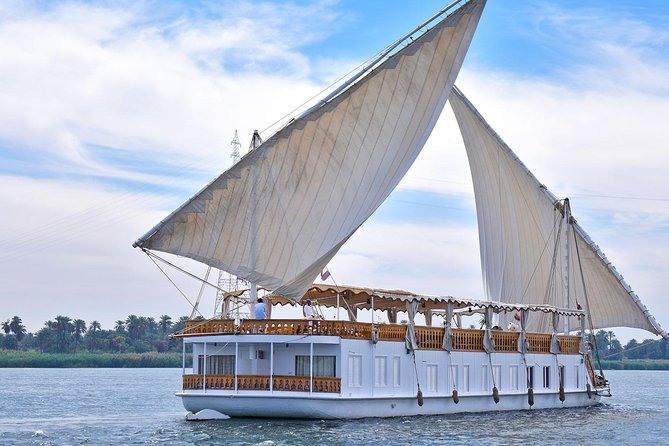
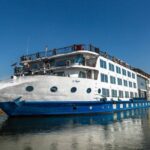
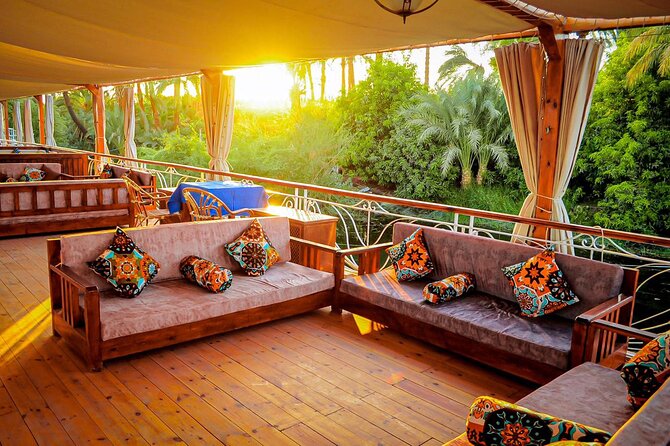
A dahabiya isn’t about luxury in a modern-hotel sense. It’s about pace. You’re living on the Nile while you move between Luxor and Aswan, so the “travel day” becomes part of the experience instead of a chore.
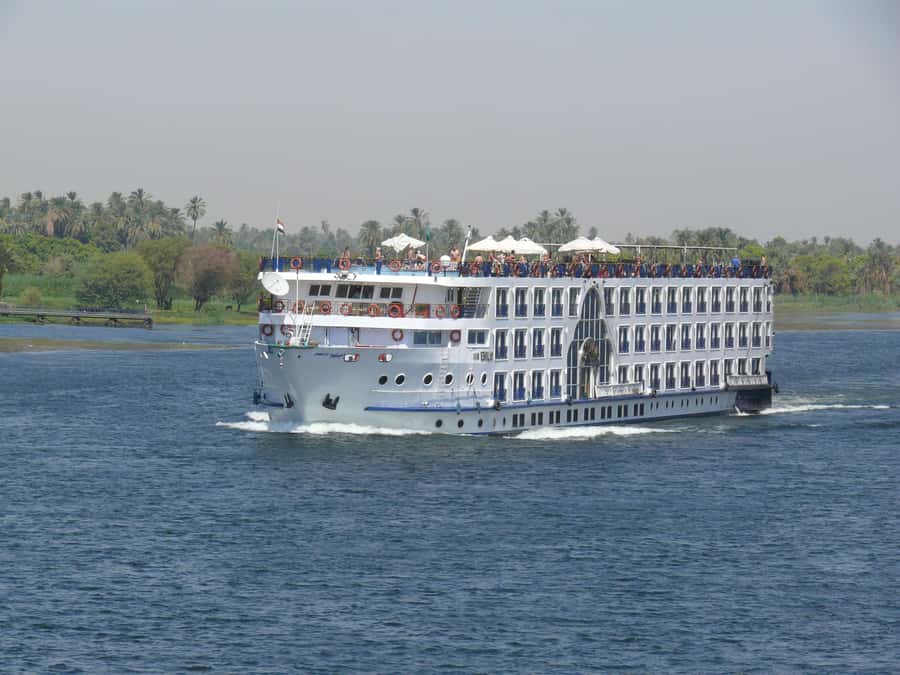
On this trip, you’re in a private cabin and the touring is organized with a driver for excursions. That’s a smart mix: you get local logistics handled, but you’re still on a traditional boat for the long stretches of sailing and river downtime. Several people also highlight the boat’s cleanliness, friendliness from the crew, and a warm atmosphere. That combo matters more than people expect when you’re spending multiple days in one setting.
You can also read our reviews of more boat tours in Luxor

Price and what you’re really paying for ($3,475.75 per person)
At $3,475.75 per person for about five days, this isn’t a budget cruise. But it’s not just you buying a cabin and a view.
Here’s what your money covers, based on the included items:
- Private dahabiya accommodation (not shared cabin style listed)
- Egyptologist guide during visits (English or Spanish)
- Full-board meals with water, tea, coffee, and soft drinks during meals
- Driver support for excursions/visits plus internal transportation by dahabiya
- A route packed with major, iconic stops that otherwise cost time and entry planning
So the value equation is less about “cheap tickets” and more about removing hassle: meals are handled, guides are handled, transfers are handled, and many admissions are already included. If you’ve ever tried to stitch Luxor and Aswan sights together on your own, you know how quickly time and logistics can eat up a trip.
The main “cost” you’re paying in this package is your schedule. This itinerary is packed with classic sites each day, so you’ll want to arrive ready to go.
Day 1 in Luxor: tombs, temples, and Karnak’s huge scale
Day 1 is a full Luxor day on the west bank side, with four major stops that stack up meaning fast.
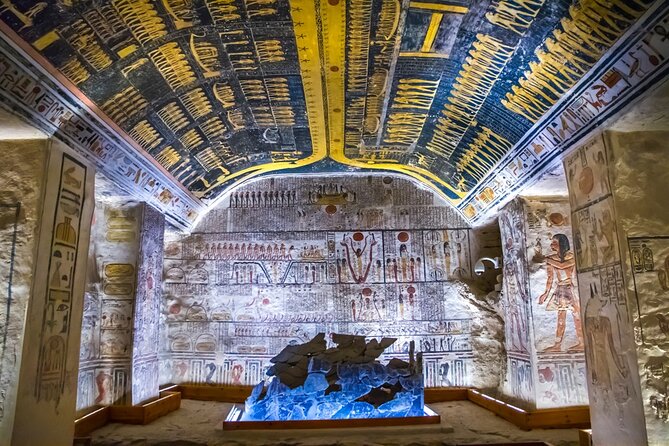
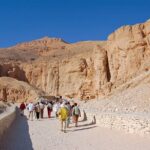
Valley of the Kings (about 2 hours, admission included)
This valley is where New Kingdom power left its mark: rock-cut tombs carved from roughly the 16th to the 11th century BC for pharaohs and influential nobles. It’s not just “a cemetery.” It’s a statement of belief, wealth, and political gravity—made in stone, hidden in a valley, and meant to last.
Practical tip: wear comfortable shoes and plan for sun and dust. Even if the time on-site is listed as about two hours, you’ll still feel it. And if you want the best photo angles, go early in your time window, not late.
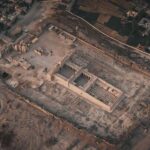
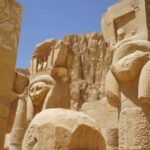
Temple of Hatshepsut at Deir el Bahari (about 2 hours, admission included)
Next is one of Egypt’s standout stories: the mortuary temple of Hatshepsut, built during her reign in the 18th Dynasty. The site is famous for its architectural composition—terraces and symmetry—and for what it signals historically: a ruler who mattered enough to construct a lasting monument.
If Karnak later overwhelms you with scale, Deir el Bahari often steadies you. It feels like a designed experience—meant to be walked, viewed, and understood.
A few more Luxor tours and experiences worth a look



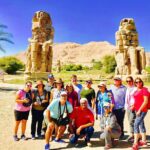
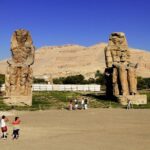
Colossi of Memnon (about 20 minutes, free admission)
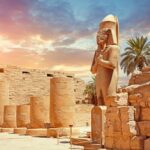
Then you get a breather stop: two massive stone statues of Amenhotep III, standing in front of the ruined mortuary temple. It’s quick, and that’s the point—these statues are dramatic even without spending half a day.
Because the time here is short, don’t rush it. Look first at the sheer size, then at the placement. Even in ruins, these monuments are built to read from a distance.
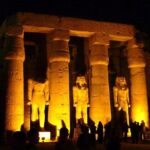
Karnak Temple Complex (about 2 hours, admission included)
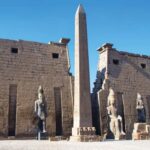
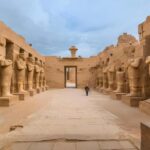
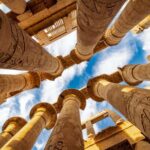
Karnak is the big one. The complex is described as a vast mix of temples, pylons, chapels, and other structures near Luxor—essentially a whole sacred district, not one single building. It can feel like you’re walking through centuries of construction choices.
This is exactly where an Egyptologist guide earns their keep. With interpretation, you stop seeing “random stone blocks” and start seeing meaning: how sacred space evolved, and how rulers used temples to advertise legitimacy.
Day 2: Edfu’s Horus temple and the quarry story of Gebel el Silsila
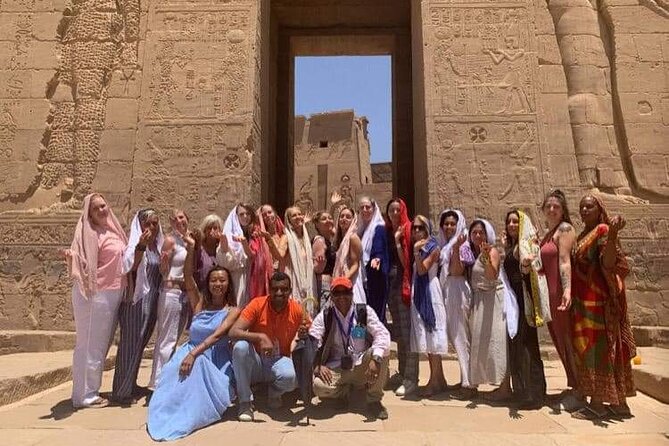
Day 2 follows the river north, but the sightseeing isn’t “light.” It’s two strong stops, both tied to the ancient Nile economy and religion.
Temple of Horus at Edfu (about 2 hours, admission included)
Edfu’s main temple is dedicated to Horus, and it’s an important landmark on the Nile’s west bank. The site’s history also stretches into the Hellenistic period, when it gained Greek identity tied to Apollo through interpretatio graeca.
That matters for your understanding. You’re not just seeing Egyptian religion in isolation—you’re seeing how cultures labeled the sacred and adapted places over time.
Gebel el Silsila (about 2 hours, admission included)
Gebel el Silsila is a quarry area between Edfu and near the Kom Ombo side (listed as about 65 km north of Aswan). The ancient quarrying here supplied stone for major projects from the 18th Dynasty onward, including construction linked to the Karnak Temple Complex, Luxor Temple, Medinet Habu, and Kom Ombo.
So you’re not only visiting monuments; you’re also visiting the supply chain behind them. When you stand in a quarry context, you start imagining the logistics: how stone was cut, shaped, and moved. It turns archaeology from “pretty ruins” into “how they built the empire.”
Day 3: the double temple at Kom Ombo
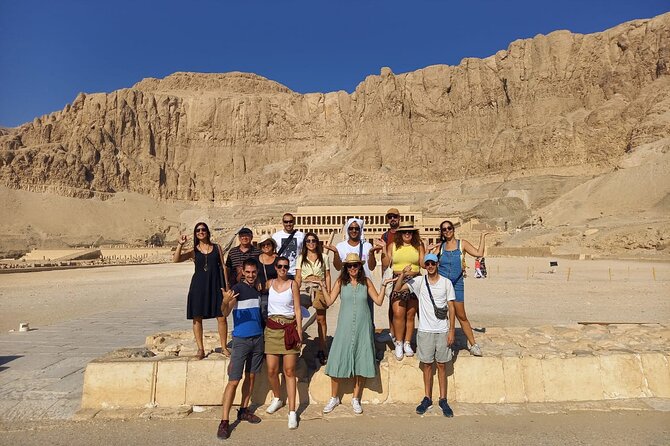
Day 3 concentrates on one major site, the kind of stop that feels satisfying after two busy days.
Temple of Kom Ombo (about 2 hours, admission included)
Kom Ombo is known for its unusual double-temple setup, constructed during the Ptolemaic dynasty (180–47 BC), with later Roman additions. That mix of eras is part of what makes it interesting. You’re seeing a site evolve as power and patronage changed.
Practical note: because you’ll focus on a single stop, you’ll likely have a smoother pacing day. If you prefer less “commute and repeat,” Day 3 is a good one to lean into.
Day 4 in Aswan: High Dam, unfinished obelisk, then Philae
Day 4 balances modern Egypt with deep ancient Egypt. That contrast is one of the strongest “two worlds” days on the route.
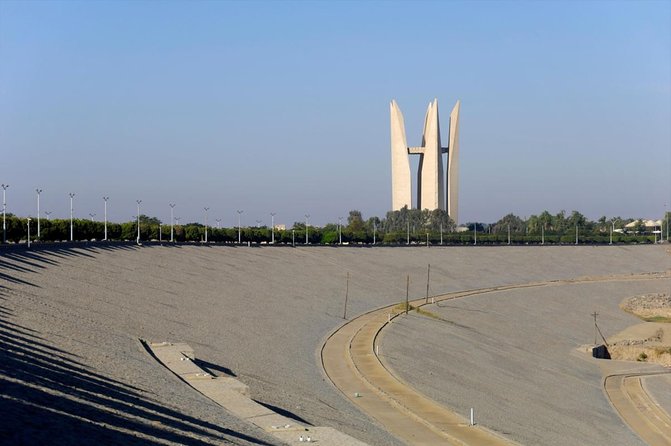
Aswan High Dam (about 30 minutes, admission included)
This stop is short, but it gives critical context. The Aswan High Dam (built 1960–1970) is described as the world’s largest embankment dam, and it’s presented as the major project that overshadowed the older Aswan Low Dam completed in 1902 downstream.
Even in half an hour, this visit helps you understand why sites like Philae ended up needing to be protected and reshaped around water control. The Nile isn’t just myth. It’s infrastructure.
Unfinished Obelisk (about 1 hour, admission included)
The unfinished obelisk is the largest known ancient obelisk, located in the stone quarries of ancient Egypt in Aswan. It was studied in detail by Reginald Engelbach in 1922.
An unfinished monument is powerful because it shows the process, not only the result. You’re getting a rare look at stonework intentions—and the realities that stop projects short.
Temple of Philae (about 2 hours, admission included)
Philae is an island in the reservoir of the Aswan Low Dam, downstream of the High Dam and Lake Nasser. The key point is location: Philae was originally near the First Cataract area and hosted a temple complex there.
This stop tends to stick because you’re seeing a sacred place shaped by geography and modern engineering. It can also feel atmospheric, because the day’s theme becomes “how water defines meaning.”
Day 5: disembarkation after breakfast and your onward transfer in Aswan
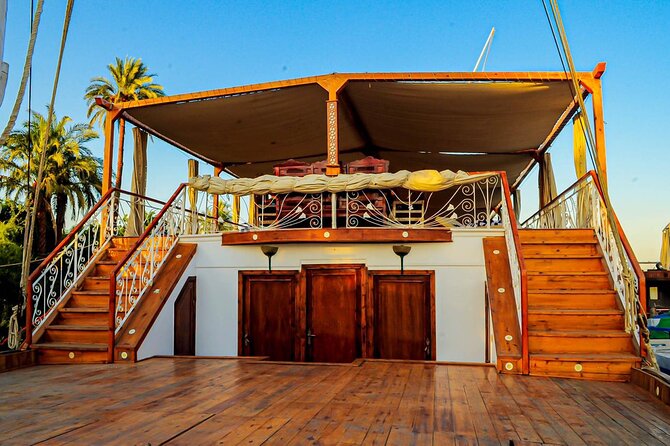
On the final day, you disembark after breakfast. Then you’ll transfer to any place in Aswan for your final departure and the end of the cruise.
This is a practical finish. It means you’re not hunting for transport immediately after a sightseeing-heavy sequence. Since the stop list ends in Aswan, plan your final plans with enough time buffer for getting settled.
What the included meals and onboard cabin mean for your comfort
The trip is listed as full-board, including breakfast (4), lunch (4), dinner (4), plus water, tea, coffee, and soft drinks during meals. That’s a big deal in Egypt because it keeps your daily budgeting and daily decision-making simpler.
The cabin setup is also important. You’re not booking a “floating museum” experience; you’re sleeping and living aboard. When people talk about comfort and cleanliness, that’s usually what they mean: fewer headaches and a calmer base each day.
If you’re someone who likes to recharge between major sights, the onboard rhythm helps. You can treat afternoons as a reset, not just a second round of walking.
Who this Luxor-to-Aswan Dahabiya cruise is best for
This cruise fits best if you want:
- The classic Upper Egypt route without having to plan every transfer
- Guided interpretation during major sites (Valley of the Kings, Karnak, Edfu, Kom Ombo, Philae)
- A smaller-group feel (max 25) with consistent tour leadership
- A traditional Nile experience that isn’t about constant big-ship crowds
It may not fit as well if you prefer slow travel where you pick a few sites and linger for hours. This schedule keeps moving. You’ll want to be okay with structured days and a steady stream of monuments.
It also helps if you like a knowledgeable guide style that turns each stop into a story you can connect. Egypt is more fun when someone helps you connect the symbols to the people who made them.
Should you book this Dahabiya Nile journey?
If you’re aiming to see Luxor and Aswan’s greatest hits with fewer planning headaches, I think this is a strong choice. The value doesn’t come from bargain pricing. It comes from guided time, full-board convenience, and many admissions included so the trip stays smooth once you arrive.
Before you book, consider two things:
- You’ll be doing major sites back-to-back. If you get heat fatigue easily, bring gear and plan your pace.
- This cruise depends on good weather and has a minimum traveler requirement, so flexibility helps.
If your ideal Nile trip sounds like: history on land, calm time on the river, and a guide handling the in-between details, then this Luxor-to-Aswan Dahabiya route is worth serious consideration.
FAQ
Where does the tour start and what time?
The start point is Luxor Airport, with a start time of 7:30 am.
What languages are the Egyptologist guides available in?
The guide is listed as English-speaking or Spanish.
What meals and drinks are included?
Full board is included: breakfast, lunch, and dinner, plus water, tea, coffee, and soft drinks during meals.
Are entrance tickets included for the main sites?
Admission tickets are listed as included for many stops (Valley of the Kings, Temple of Hatshepsut, Karnak, Temple of Horus, Gebel el Silsila, Kom Ombo, Aswan High Dam, Unfinished Obelisk, and Temple of Philae). The Colossi of Memnon stop is listed as free.
Does the price include flights?
No. Flights are not included.
How many people are in the group?
The tour has a maximum of 25 travelers.
Can I cancel for a full refund?
Yes. You can cancel up to 24 hours in advance for a full refund. The experience also notes it requires good weather, and if it’s canceled due to poor weather, you’ll be offered a different date or a full refund.