West Bank days are unforgettable—and this one is well paced. I love the private setup with a guide talking in real time as you walk through Luxor’s key monuments, not just standing in front of them. I also like the Egyptian breakfast you get early, then the air-conditioned vehicle keeps you comfortable; the main thing to plan for is that site entrance tickets are not included.
On the days this tour runs, the guide quality really matters. I’ve seen examples like Ali and Khalil doing clear, organized explanations in strong English, and that’s what turns these places from photos into understanding—especially at Hatshepsut and Habu.
In This Review
- Key Things That Make This West Bank Tour Work
- Price and What’s Actually Included (So You Don’t Get Surprised)
- Getting the West Bank Flow Right: Pickup, Vehicle Comfort, and a Private Pace
- Valley of the Kings: 64 Rulers, 3 Open Free Tombs, and Smart Ticket Choices
- Alabaster Workshop Stop: Why Seeing the Stone Matters
- Hatshepsut at Deir el Bahari: Three Terraces That Make You Look Twice
- Medinat Habu (Temple of Ramses III): Size, Beauty, and a Crowd-Comfortable Time Window
- Colossi of Memnon: A Quick Stop That Still Teaches You Where You Are
- Lunch at the End: Real Food Choices Without Making You Stop the Day Too Long
- Why the Private Guide Makes the Difference Here
- What to Bring (So the Day Feels Easy, Not Tough)
- Who This Tour Fits Best
- Should You Book This Luxor West Bank Private Tour?
- FAQ
- How long is the Valley of the Kings, Hatshepsut, Habu & Lunch tour?
- Is pickup included?
- Does this tour include entrance tickets?
- What sites are included on the West Bank?
- How many Valley of the Kings tombs are included?
- Can I buy extra tomb tickets at the Valley of the Kings?
- Is breakfast included?
- Is lunch included, and is there a vegetarian option?
- Is the tour private?
- What happens if weather is poor?
Key Things That Make This West Bank Tour Work
- Private guide time on the West Bank, so you can ask questions as you go
- Breakfast included: beans, bread, falafel, and eggs, a solid start before tombs and temples
- Valley of the Kings access to 3 open free tombs plus optional extra-tomb tickets
- Alabaster workshop stop to see how the stones industry and tools connect to what you’re seeing
- Lunch at a local restaurant with grilled meat options and a vegetarian choice
Price and What’s Actually Included (So You Don’t Get Surprised)
At $75 per person for a 5 to 6 hour private outing, you’re paying mainly for transportation, a guide, and the structure that keeps the West Bank from feeling like a messy checklist. The tour also includes pickup (when offered), a mobile ticket, an early Egyptian breakfast, and lunch at the end.
The catch: entrance tickets to the sites are not included. Your basic tickets are listed as 540 L.E for all sites. On top of that, the Valley of the Kings has optional extra tomb tickets if you want more than what’s covered.
Here’s the practical way to budget:
- Start with 540 L.E for the basic site tickets
- Add extra tomb tickets only if there’s a specific pharaoh’s tomb you want
- Tutankhamun: 300 L.E
- Ramses 5: 100 L.E
- Seti 1st: 1000 L.E
If you’re watching your budget, the included options in the Valley of the Kings can be enough. If you’re a tomb-nerd (in the best way) and you know which names you want, then those extra tickets can be worth it.
You can also read our reviews of more private tours in Luxor
Getting the West Bank Flow Right: Pickup, Vehicle Comfort, and a Private Pace
The West Bank of Luxor can feel like it’s moving too fast when you’re trying to manage everything yourself. This tour solves that with a private guide and travel in an air-conditioned vehicle, plus pickup offered and drop-off back to your accommodation.
That “door-to-door” comfort isn’t just convenience. It matters because the West Bank includes dark tomb passages and bright temple courtyards. You’ll want energy for both, and the car ride helps you keep a steady pace instead of burning time in heat and logistics.
This is also set up so the guide can customize things if you want changes. If you care more about temple architecture than tomb interiors, or the other way around, a private format gives you more room to steer the day.
Valley of the Kings: 64 Rulers, 3 Open Free Tombs, and Smart Ticket Choices
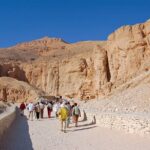
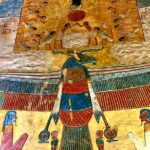
The Valley of the Kings is where the West Bank mythology becomes physical. The site is famous for the mountain-cut tombs of 64 ancient Egyptian rulers. Walking through this landscape, you start to understand why the Egyptians built tombs into rock instead of trying to hide them in plain view.
On this tour, your ticket provides time inside 3 open free tombs. That’s a good amount for most people, because tomb viewing is not just sightseeing—it’s a “read the room” experience. Lighting, ceilings, wall scenes, and the feeling of stone around you all add up.
After that, you can choose optional extra tombs. The listed add-on prices let you target the tombs you actually care about:
- Tutankhamun (300 L.E)
- Ramses 5 (100 L.E)
- Seti 1st (1000 L.E)
My practical advice: decide before you arrive. It’s easy to get tempted by big names while you’re standing there sweating in the sun. If you already know your priorities, you can move through the valley with less second-guessing and more focus.
Alabaster Workshop Stop: Why Seeing the Stone Matters
Between tombs and temples, there’s an alabaster craft stop that’s easy to overlook—until you’re standing there and realizing it connects directly to what you’re seeing. You visit one of the alabaster (stone) workshops for about 2 hours (admission ticket not included).
This is valuable because it gives context for the materials and tools behind the monuments. You’ll get a chance to recognize how the stone industry worked and how the ancient Egyptians’ stonecraft connects to the finished look of statues and interior details you’ll see later in the day.
The biggest drawback is time: 2 hours is long if you’re mainly here for tombs and temples. But if you like understanding how things were made—not only what remains—this stop turns the day from sightseeing into a more complete story.
Hatshepsut at Deir el Bahari: Three Terraces That Make You Look Twice
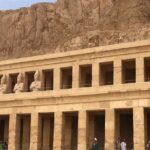
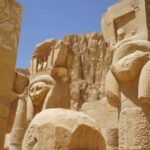
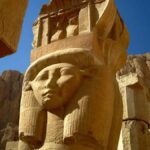
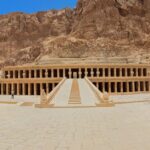
Next you head to Deir el Bahari and the mortuary temple of Queen Hatshepsut. You’ll spend about 1 hour here, and this is the kind of site where the setting does half the talking.
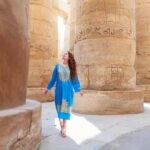
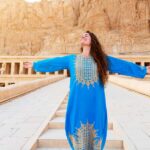
Hatshepsut’s temple is known for its three terraces, and seeing it in person is different from seeing it on a poster. The terraces create a strong rhythm as you move, and your guide can help you connect the architecture to what the space was meant to communicate.
This stop is usually where the day shifts from “tombs and survival” to “monument and message.” After the Valley of the Kings, you’ll feel the change immediately: more open space, brighter surfaces, and a sense of deliberate design.
A few more Luxor tours and experiences worth a look

Medinat Habu (Temple of Ramses III): Size, Beauty, and a Crowd-Comfortable Time Window
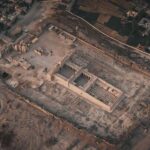
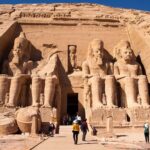
Then comes the mortuary temple at Medinat Habu, associated with King Ramses III. You’ll have about 1 hour here.
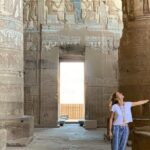
This temple gets praised a lot because it feels both large and specific. The information you’re given beforehand helps: it’s described as the largest and one of the most beautiful temples in Western Thebes. In practice, that means you’re not just passing through a courtyard—you’re seeing a full temple complex with enough time to take it in.
One smart thing about including Habu here is that it balances the day. After Hatshepsut’s famous terraces, you get a different kind of grandeur. It also tends to land well for people who want the “main temple” moment without staying too long.
Colossi of Memnon: A Quick Stop That Still Teaches You Where You Are
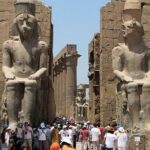
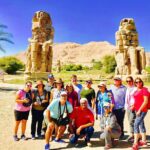
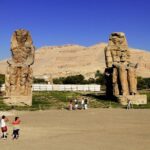
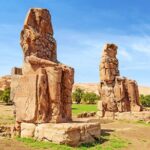
You also stop at the Colossi of Memnon. These are the towering stone figures that act like a landmark for the West Bank—big enough to orient you even if you’re arriving with foggy mental maps.
In the tour flow, this is a shorter part of the day. The listed time is short and the admission is marked as free in the tour details. Even so, it helps you mentally connect the whole route: where you started, where the temples sit, and how the monuments relate across the West Bank.
Lunch at the End: Real Food Choices Without Making You Stop the Day Too Long
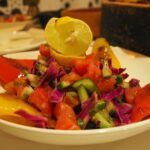
After the last sight, the tour drops you off at your accommodation in Luxor, then includes lunch at a local restaurant.
You have specific lunch options listed, which is great because it means you’re not guessing:
- Beef kabab halla
- Kofta
- Beef shawerma
- Chicken shawerma
- Chicken or mix grilled
A vegetarian option is available, too. That makes lunch easier to handle even if you’re not eating meat that day.
For timing, lunch is slotted at the end, which works. Your brain has already been through tomb scenes and temple facades; you’ll want something familiar and filling before you head back.
Why the Private Guide Makes the Difference Here
This tour lives or dies by guide quality. The strong theme you’ll notice is how guides explain what you’re looking at in clear English and keep the flow organized.
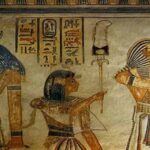
When the guide knows how to connect the carvings, the placement, and the purpose of each site, the day starts feeling like a real story. You don’t just see a wall—you understand why the wall looks the way it does, and what the Egyptians were trying to communicate.
If you care about learning, this is where you’ll get it. If you don’t, you’ll still benefit because a good guide keeps the day moving without wasting time.
What to Bring (So the Day Feels Easy, Not Tough)
You’re moving between tomb interiors and bright outdoor temples in a few hours, so plan like it’s a mix of sun and shade. Bring:
- Sun protection (hat/sunglasses) for outdoor walking
- Comfortable shoes for uneven ground near monuments
- Some cash for any optional Valley of the Kings tomb upgrades (since ticket add-ons are separate)
- Water, because you’ll be out long enough to get thirsty
Also, since lunch is included, you can travel lighter on food—but don’t skip hydration before the breakfast and sites. The day starts early with breakfast, then you’ll be walking.
Who This Tour Fits Best
This is a great match if:
- You want West Bank highlights in one 5 to 6 hour window
- You prefer a guide who explains as you walk, not a self-paced rush
- You like a blend of tombs, temples, and a materials/craft stop (alabaster)
- You want private attention and a comfortable ride in an air-conditioned vehicle
It might be less ideal if you’re trying to do this ultra-budget style. The tour price is reasonable, but entrance tickets plus optional tomb upgrades add up. In that case, you’ll want to stick to the included tombs and skip the extra-ticket pharaoh choices unless one name really matters to you.
Should You Book This Luxor West Bank Private Tour?
I’d book it if you want the West Bank done intelligently: private guide time, air-conditioned comfort, breakfast and lunch handled, and a route that hits the big monuments without dragging.
I’d think twice only if you’re budget-tight and you don’t want to pay for entrance tickets on top of the tour price. Also, if you strongly dislike craft/workshop stops, the alabaster segment might feel like the longest “non-monument” block of your day.
Overall, this is a solid way to see Luxor’s core West Bank landmarks while learning what you’re looking at—especially if your guide is one of the strong communicators like Ali or Khalil, who are known for making the explanations clear and the day feel organized.
FAQ
How long is the Valley of the Kings, Hatshepsut, Habu & Lunch tour?
The tour is listed as about 5 to 6 hours.
Is pickup included?
Pickup is offered.
Does this tour include entrance tickets?
No. Entrance tickets are not included in the tour price. Basic tickets are listed as 540 L.E.
What sites are included on the West Bank?
You’ll visit the Valley of the Kings, the Temple of Hatshepsut at Deir el Bahari, Medinat Habu (mortuary temple of Ramses III), and the Colossi of Memnon.
How many Valley of the Kings tombs are included?
Your ticket provides access to 3 open free tombs in the Valley of the Kings.
Can I buy extra tomb tickets at the Valley of the Kings?
Yes. Extra tickets are listed for Tutankhamun (300 L.E), Ramses 5 (100 L.E), and Seti 1st (1000 L.E).
Is breakfast included?
Yes. Breakfast is included and is listed as beans, bread, falafel, and eggs.
Is lunch included, and is there a vegetarian option?
Lunch is included at a local restaurant. Vegetarian options are available, and meat options are also listed (including grilled chicken, mix grilled, kofta, and shawerma varieties).
Is the tour private?
Yes. It’s a private tour, meaning only your group participates.
What happens if weather is poor?
The experience requires good weather. If it’s canceled due to poor weather, you’ll be offered a different date or a full refund.