REVIEW · CAIRO
Egypt Best Holidays to Cairo, Abu Simbel, Aswan & Luxor
Book on Viator →Operated by Your Egypt Tours · Bookable on Viator
Ancient Egypt, packed into 8 days. This tour strings together the big-name sights you want to see—Giza, Luxor, Aswan, Abu Simbel, and Alexandria—with an Egyptologist guide helping it all make sense. You also get the practical stuff: hotel pickup and drop-off, daily breakfast, and private air-conditioned transport.
I especially like two things. First, you’re not just walking through monuments; your guide explains what you’re seeing at places like Karnak and Luxor Temple, so the day feels earned, not rushed. Second, the logistics are handled—airport meet-and-greet, private vehicle transfers, and site timing that keeps you moving without turning the trip into a daily scavenger hunt.
One possible drawback: some add-on entrances cost extra. In particular, pyramid chamber entry (and certain tomb visits) aren’t included, so plan for a few optional ticket upgrades depending on your interests.
In This Review
- Key highlights worth knowing
- What you’re actually buying with this Cairo to Abu Simbel tour
- Day 1: Cairo airport meet-and-assist and your first hotel transfer
- Day 2: Giza pyramids, Sphinx area, and the Egyptian Museum highlights
- Day 3: Luxor West Bank tombs and the Karnak + Luxor Temple doubleheader
- Day 4: Philae Temple after the dam, Aswan High Dam, and the Unfinished Obelisk
- Day 5: Abu Simbel Ramses II temples (the long drive you’ll be glad you did)
- Day 6: Saqqara Step Pyramid, noble tomb murals, and Memphis’s alabaster Sphinx
- Day 7: Alexandria’s Roman catacombs, Fort Qaitbay views, and the Bibliotheca Alexandrina
- Day 8: Breakfast, transfer, and departure from Cairo
- Price and extras: what’s covered in the $2,800 per person
- Guide quality, pace, and comfort choices that affect your day
- Should you book this tour?
- FAQ
- Where does the tour start?
- How do hotel pickup and drop-off work?
- What’s included in the tour price besides guides and transport?
- Are pyramid chambers included?
- Does the itinerary include Abu Simbel?
- Which Alexandria sights are included?
- Can I visit Tut Ankh Amun’s tomb in Luxor?
- What is the cancellation timeline for a full refund?
Key highlights worth knowing
- Door-to-door pickup: Cairo airport assistance plus hotel pickup and drop-off by private vehicle
- Real guide focus: highlighted stops like Tut Ankh Amun Wing in the Egyptian Museum are guided, not just self-tour time
- West Bank day in Luxor: Valley of the Kings + Hatshepsut’s temple + Karnak and Luxor Temple in one sequence
- Abu Simbel as a full-day event: a long drive for Ramses II’s mountain temples and free time inside
- Alexandria adds contrast: Roman catacombs, Fort Qaitbay views, and the modern Bibliotheca Alexandrina
What you’re actually buying with this Cairo to Abu Simbel tour
This 8-day route is built around Egypt’s A-list ancient sites, but the day structure matters. You start in Cairo, move through Upper Egypt (Luxor and Aswan), do the big long-drive hit to Abu Simbel, then finish by heading north for Alexandria. It’s a lot of moving parts, but the point is clear: you get guided time at the main monuments without you having to coordinate between cities.
The value angle is strong if you like a guided, “show me what to look at” style. The price is $2,800 per person, and the package covers bottled water, a qualified Egyptologist guide, private vehicle transport, and entrance fees to the listed sites. That means fewer surprise costs for the big tickets—just be aware that some optional entrances are not included.
This tour also fits well if you travel with a group (group discounts are listed) and you want everything organized around pickup times. Past clients also singled out the guides and drivers by name—people like Eman in Cairo and Abdul on the Abu Simbel to Luxor side—so you’re not rolling the dice on generic commentary.
You can also read our reviews of more tours and experiences in Cairo.

Day 1: Cairo airport meet-and-assist and your first hotel transfer
Day 1 is all about reducing stress. You’re met at Cairo International Airport, then assisted through passport control and customs formalities. After that, you’re transferred to your hotel by a private air-conditioned vehicle.
Why this matters: Cairo can be chaotic, and your first hour in a new country sets the tone. Having a representative handle the early hurdles means you can focus on settling in rather than hunting for signs, lines, and the right desk.
You’ll also get a clear start for the rest of the week. Once you’re squared away with hotel check-in, you can hit the next day’s big sights (Giza and the Egyptian Museum) without burning time trying to figure out where you are or how to get around.
Day 2: Giza pyramids, Sphinx area, and the Egyptian Museum highlights
Day 2 is your classic Cairo-and-Giza hit, and it’s a good use of time because it gives you both scale and context.
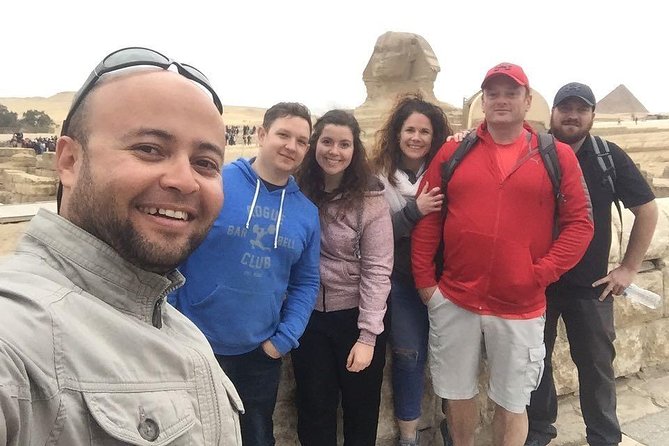
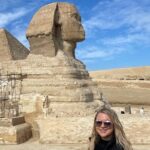
You begin at the Pyramids of Giza, visiting the Great Pyramid of Cheops (Khufu). You’ll spend a bit over two hours in the Giza area, and that includes time to enter one of the pyramid’s chambers. (Important: chamber entry is included for this structured visit, but see the price/extras section for what’s not covered.)
Your guide explains the area and connects it to the other pyramids—Chephren and Mycerinus—so the visit doesn’t feel like a single-photo moment. You also have a choice for pictures and the chance to ride a camel around the area, though the camel ride isn’t included in the package.
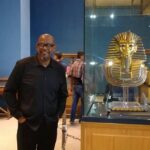
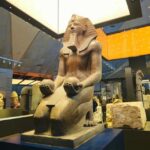
Then you move on to The Museum of Egyptian Antiquities (the Egyptian Museum). The tour is guided and designed to focus on the highlights. You’ll have time in the Tut Ankh Amun Wing on the first floor, plus free time to browse after the guided portion. This structure helps if you’re overwhelmed by artifact rooms—your guide points you to what matters first.
Day 3: Luxor West Bank tombs and the Karnak + Luxor Temple doubleheader
Day 3 is where the trip really turns into ancient Egypt in full size.
You cross to the West Bank to visit the Valley of the Kings. The setting is desert and stark, which makes the contrast with the decorated tomb interiors more dramatic. You can visit three tombs, giving you time to see colored murals and wall art. If you want extra, there’s an option to visit additional royal tombs, but the Tut Ankh Amun tomb in Luxor is specifically listed as not included.
Next comes the Temple of Hatshepsut at Deir el Bahari. This is one of the “wow” stops because you get a sense of her power and storytelling. It’s described as limestone with terraces, and you’ll hear the guided explanation tied to her divine birth theme.
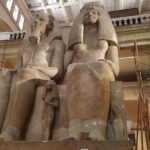
Then you head to the Colossi of Memnon—two huge statues of Amenhotep III—plus you’ll see the symbolism carved into their sandstone blocks.
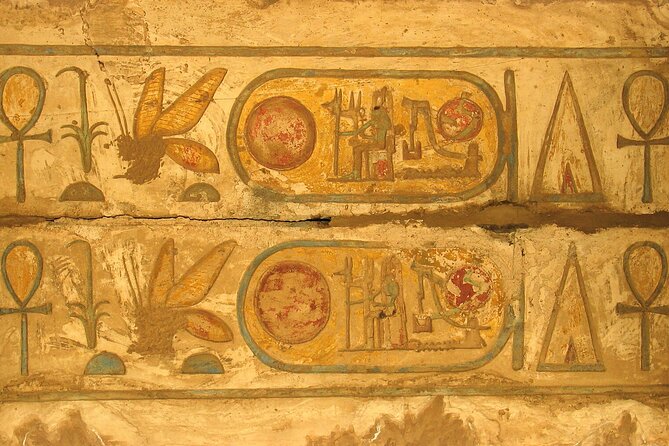
The day doesn’t stop on the West Bank. You continue into Karnak Temple, where the guide points out the Great Hypostyle court, reliefs and obelisks (including the tall granite obelisks), and the papyrus and lotus column capitals with hieroglyphics. After that, you finish at Luxor Temple, including its layered additions through Greek, Roman, Islamic, and Coptic influences. You’ll also notice Ramses II statues and obelisk references—one obelisk is mentioned as having been sent to Paris.
It’s a full day. The upside is you get both halves of the Luxor story: tombs and living-to-dead symbolism on one side, then Karnak and Luxor Temple’s religious center energy on the other.
Day 4: Philae Temple after the dam, Aswan High Dam, and the Unfinished Obelisk
Day 4 is an Aswan day with three different angles: religion, modern engineering, and ancient craft.
You start with Temple of Philae, dedicated to Isis. Here’s the key context you’ll hear: after the first Aswan dam was built, the temple became submerged, and later it was moved to Agilika Island. Your guide walks through the reliefs, courts, and pylons before you ride a motorboat to the next stop. That combination—story + movement—makes the site feel less like a static ruin.
Next is Aswan High Dam. This is a rare chance on an “ancient Egypt” trip to talk about modern Egypt’s turning points. You’ll learn the dam’s goals, like hydroelectric power and flood control, and your guide will explain both advantages and disadvantages.
Then you visit the Unfinished Obelisk. It’s lying in the quarry, not erected, with an estimated original size and weight discussed. The idea of a 42-meter-class obelisk that never made it to completion is a strong reminder that ancient monument-making wasn’t magic—it was work, planning, and sometimes stops.
This day is excellent if you like contrasts. It shows how Egypt’s past survived, and how the modern era changed what could remain visible.

Day 5: Abu Simbel Ramses II temples (the long drive you’ll be glad you did)
Day 5 is the “big distance” day. You drive about 145 miles from Aswan to Abu Simbel, guided the whole way.
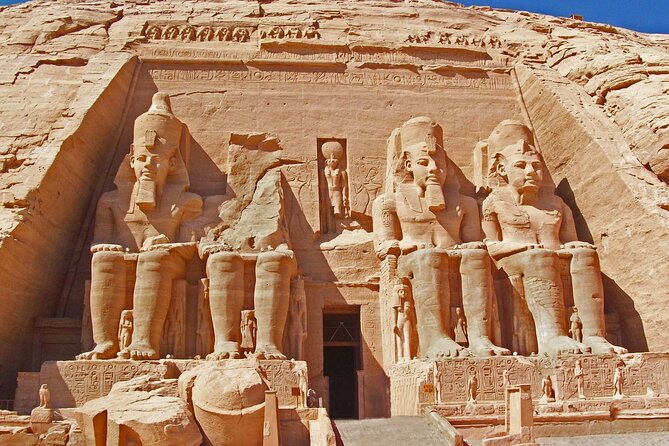
At the Abu Simbel Temple Complex, you get two temples carved into the mountain by Ramses II around 1240 B.C. The larger temple features four enormous seated statues of Ramses II, and the smaller temple honors his wife, Nefertari. Your guide explains the temples and Ramses’ role, then you have enough free time to explore the interior.
Why this is worth the drive: Abu Simbel is one of those sites where the outside already hits you with scale, and the interior keeps the story going. The package also gives you guided context before free time, so you’re not left staring at walls wondering what the carvings mean.
One practical point: the day can feel tiring because it’s focused on one major destination. If you’re the type who gets cranky after long road time, bring water, take your breaks, and lean into the fact that this is your main payoff of the day.
Day 6: Saqqara Step Pyramid, noble tomb murals, and Memphis’s alabaster Sphinx
Day 6 shifts your attention to an earlier era and a different kind of Egypt.
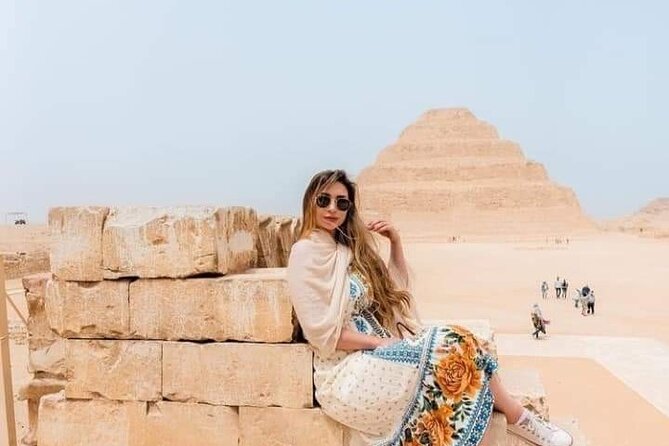
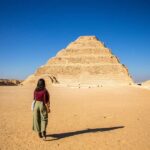
You start at Saqqara (Sakkara) Pyramids, described as the main necropolis of the Old Kingdom. You’ll see the Step Pyramid associated with Imhotep, mentioned here as the architect linked to the oldest pyramid in Egypt. The tour explains the development of royal tomb structures, which helps if you’re comparing pyramids across time rather than treating them as one-off monuments.
Inside, you can visit a noble tomb—specifically the tomb of Kagmini is mentioned—so you get murals showing daily life in ancient Egypt. If you want the older “pyramid text” layer, you also have the chance to enter the pyramid of Titi, with a chamber text age referenced.
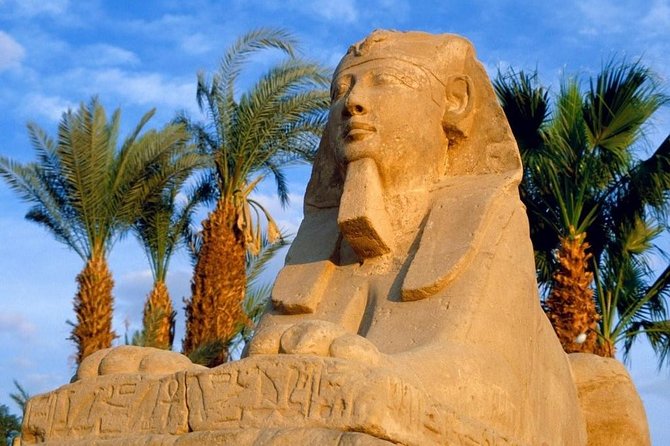
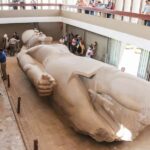
Then you move to Mit Rahina Museum, tied to Memphis. You’ll see the alabaster Sphinx (described as the second-largest Sphinx in Egypt) and the lying colossus of Ramses II. There’s also the open museum context, including other monuments in the display area, plus the historical note that Memphis was a capital after the unity of Upper and Lower Egypt.
This is a strong day for people who like learning beyond the headline pyramid names. Saqqara gives you an “Egypt beyond Giza” angle without leaving the classics behind.
Day 7: Alexandria’s Roman catacombs, Fort Qaitbay views, and the Bibliotheca Alexandrina
On Day 7, you get a change of pace—more maritime city energy, less temple-and-tomb repetition.
You visit the Catacombs of Kom el Shoqafa, a Roman subterranean tomb complex where cremated and mummified bodies were preserved. The pitch here is the mix between Egyptian burial tradition and Roman influences, and the visit time is about an hour.
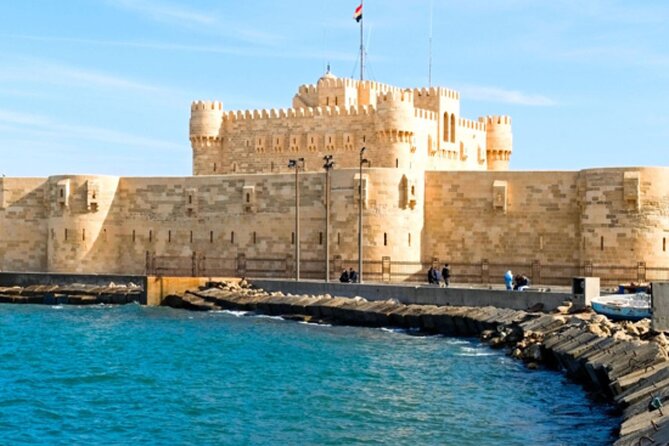
Next is Fort Qaitbay, built in the 15th century on the original location of the lighthouse that’s gone. The main value is the views over the city and the sea.
Then you wrap with Bibliotheca Alexandrina, the modern library built as a revival of the ancient one. This time includes touring the library and some free time. You’ll also get guidance on the city’s seafood and café culture during that free period.
If you’re wondering why Alexandria is included on a mostly ancient Egypt-focused itinerary, that’s the point: it gives you a “time machine with a coastline” ending. You leave Egypt with more than only the Nile’s temples in your head.
Day 8: Breakfast, transfer, and departure from Cairo
Day 8 is straightforward. You eat breakfast, then you’re transferred to Cairo International Airport for departure.
This end matters because it reduces the chance you’ll be stuck trying to find transport on your own at the last minute. After eight days of monuments and road time, a clean departure flow is a gift.
Price and extras: what’s covered in the $2,800 per person
The headline price is $2,800 per person for about 8 days. What helps the value: the package lists major “baseline costs” as included.
Included:
- Bottled water
- Qualified Egyptologist guide
- Hotel pickup and drop-off
- Transport by private vehicle
- Entrance fees to the mentioned sites
Not included (the main ones to plan for):
- Entrance fees to the chambers of the pyramids
- Entrance to the tomb of Tut Ankh Amun in Luxor
- Camel Ride
Here’s how I’d think about it. If you’re the type who wants to go inside pyramids (chamber entry) and you care about Tut-related tomb visits, your final trip cost will rise. If you’re more focused on seeing the big monuments from outside and letting the guide handle meaning, the included entrance fees may be enough to keep your spending predictable.
Guide quality, pace, and comfort choices that affect your day
This tour is only as good as its timing, and it’s built around guided site visits with set durations—often around 1 to 2 hours at major stops. That’s a practical pace for ancient sites, but it still means you should prepare for long days. You’ll also want moderate physical fitness, since you’ll be walking at multiple archaeological areas.
Comfort is handled with air-conditioned private transport and bottled water. You also get daily breakfast, which helps because you can keep your day going without hunting for food between sites.
The guide factor is huge. Past clients specifically named guides like Mamdouh, Omar, and Abraham, along with drivers and guides such as Mahmoud and Beko, and also Ashraf for Luxor/Aswan segments. When guides take time to explain what you’re seeing and answer questions, it changes the trip from sightseeing to learning you can remember.
A quick practical tip: bring clothing that handles sun and dust, plus a small day bag for water and tickets. Even with bottled water provided, you’ll appreciate having your own essentials if you’re moving through multiple sites in one day.
Should you book this tour?
Book it if you want a high-coverage Egypt trip with guided time at the biggest monuments, plus private transport that keeps the days from turning into logistics problems. The itinerary hits the Cairo icons, the Luxor tomb-and-temple sequence, the Aswan core stops, the Abu Simbel temples, and the Alexandria contrast.
Don’t book if you’re on a strict budget for extras and you know you’ll want every optional inside-entrance—pyramid chambers and the Tut Ankh Amun tomb are not included. Also, accept that this is a full schedule, so it’s best if you don’t mind being on the move almost every day.
If you like clarity and a guide who helps you see the details, this one is a solid choice.
FAQ
Where does the tour start?
It starts at Cairo International Airport.
How do hotel pickup and drop-off work?
You get hotel pickup and drop-off included, and transport is by private vehicle.
What’s included in the tour price besides guides and transport?
Bottled water, a qualified Egyptologist guide, entrance fees to the mentioned sites, and daily breakfast are included.
Are pyramid chambers included?
Entrance fees to the chambers of the pyramids are not included.
Does the itinerary include Abu Simbel?
Yes. Abu Simbel Temple Complex is included, with a drive of about 145 miles from Aswan.
Which Alexandria sights are included?
You’ll visit the Catacombs of Kom el Shoqafa, Fort Qaitbay, and Bibliotheca Alexandrina.
Can I visit Tut Ankh Amun’s tomb in Luxor?
Entrance to the tomb of Tut Ankh Amun in Luxor is not included.
What is the cancellation timeline for a full refund?
You can cancel up to 6 days in advance of the experience for a full refund.