Luxor feels like it speeds up when you do it with a tight plan. This private VIP day hits both the West Bank and East Bank, threading together major tombs and the Karnak–Luxor temple complex with a dedicated guide and air-conditioned driving.
I love two things here: the Egyptology guide who can keep the stories straight site after site, and the comfort of moving as a group (no constant taxi wrangling). In the reviews, Ahmed is repeatedly praised for taking good care of people, speaking strong English, staying on time, and even offering extra help when someone had a health issue.
The only real downside to this style of day is time pressure. With multiple tomb stops running around 20–25 minutes each (plus a long 10-hour overall schedule), you’ll have to trade a bit of wandering for coverage.
In This Review
- Key highlights I’d plan around
- How the Private VIP Luxor Day Tour Fits a Full 10 Hours
- Valley of the Kings: Where the Tombs Actually Tell You a Story
- Tomb of Ramesses IX (about 20 minutes)
- Tomb of Ramses III (about 20 minutes)
- Tomb of Merneptah / Tomb number 8 (about 25 minutes)
- KV62, the Tomb of Tutankhamun
- Practical reality check: short visits, big coverage
- Deir el Bahari and the Colossi: Hatshepsut’s Power Shows Up in Stone
- Karnak Temple: The East Bank’s Main Engine (and How Not to Get Lost)
- Obelisks and follow-on temple stops
- Luxor Temple: Built-Over Worship Over 4,000 Years
- Price and Value: Getting More Than Just Transport for $19.99
- Logistics That Make This Long Day Feel Easier
- Who This Tour Suits (and Who Might Want Something Different)
- Should You Book This Private VIP Luxor East and West Bank Day?
- FAQ
- How long is the Private VIP Day Tour in Luxor?
- Is pickup included, and are there extra fees?
- What’s included in the tour price?
- Are entrance tickets included for all the listed sites?
- Is this a private tour?
- What is the cancellation policy?
Key highlights I’d plan around
- Private VIP guide time that helps you understand what you’re looking at, not just where it is
- Valley of the Kings tomb variety, including Ramesses IX, Ramses III, Merneptah, and KV62
- Deir el Bahari and Hatshepsut context that links directly to the Tutankhamun dynasty
- Karnak in sections (Hypostyle Hall, obelisks, Amun areas, and Ramesses III additions) so it’s easier to follow
- Luxor Temple’s layered history, built and reused across different religions over 4,000 years
How the Private VIP Luxor Day Tour Fits a Full 10 Hours
This is the kind of Luxor day you choose when you want a lot of the big names, but you still want the meaning behind them. You’re not just hopping from one “checklist photo” stop to the next. You’re moving through a structured route that connects themes: kings and burial power on the West Bank, then divine kingship and temple ritual on the East Bank.
Because it’s private, you should feel less friction. You’re traveling in an air-conditioned vehicle with private transportation, and you’re only dealing with your group and your guide. In the reviews, people mention feeling safe and well looked after, especially solo. That matters in Luxor, where it’s easy to lose time to back-and-forth with random vendors or unclear meeting points.
Also, the tour uses a mobile ticket. That’s a small detail, but on site it helps you get your bearings faster and reduces ticket handling stress.
You can also read our reviews of more private tours in Luxor
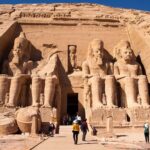
Valley of the Kings: Where the Tombs Actually Tell You a Story
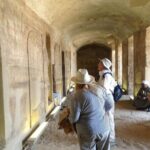
The heart of the West Bank day starts with the Valley of the Kings, scheduled for about 2 hours. This is one of those places where the tomb entrances look similar at a glance. What makes it worth your time is what the guide does: point out how the art, layout, and religious texts change from one royal burial to another.
From there, you’ll step into a sequence of tombs that are all about different aspects of royal power and protective theology:
Tomb of Ramesses IX (about 20 minutes)
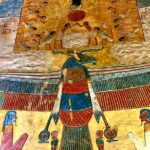
This is described as a colorful tomb with lots of detail, including ceiling artwork where the goddess Nut stretches across the space above the sarcophagi. Even if some paintings have deteriorated, the tour’s emphasis is on the overall visual density and the idea of protection and sky-goddess symbolism in a royal setting.
Tomb of Ramses III (about 20 minutes)
Ramses III’s tomb is framed as a complex burial system, known since antiquity, with painted sunken reliefs. The tour specifically calls out ritual texts such as the Litany of Ra and the Book of Gates, plus scenes of Ramses before the gods.
One of the more interesting details for your imagination is what’s in the smaller side rooms: foreign tributes like highly detailed pottery imported from the Aegean, royal boats and armor themes, and the blind harpists. That last element is tied to an alternate name, Tomb of the Harpers.
Tomb of Merneptah / Tomb number 8 (about 25 minutes)
Merneptah’s tomb is presented as a model of royal tombs, and the tour includes some very specific architectural context. It notes material changes like fewer lateral rooms and higher corridors and rooms, and it highlights a shift away from the jogged axis used since earlier times.
The guide also connects the tomb to the Memphis theology angle: Ptah as a demiurge and the protective role of deities placed in tombs for those traveling into the afterlife. Another concrete detail included is the discovery by Howard Carter in 1903, plus the idea that the entrance was made wider than earlier tombs.
A few more Luxor tours and experiences worth a look


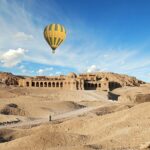



KV62, the Tomb of Tutankhamun
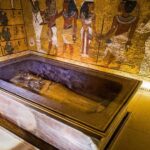
This stop is the one most people have circled before they even arrive: KV62, the burial place of Tutankhamun. The key structural description provided is that it has an entrance staircase and corridor, leading to four chambers. If you want maximum meaning from the limited time, treat this as your “listen closely” moment, not your “wander and guess” moment.
Practical reality check: short visits, big coverage
Several tomb visits are timed tightly at around 20–25 minutes. That’s not a defect; it’s the price of covering multiple royal burials in one day. If your priority is slow, personal exploration, you may find it helpful to focus your attention. Pick a couple of visual themes—ceiling goddess symbolism, ritual texts, protective theology—then look for them across each tomb.
Deir el Bahari and the Colossi: Hatshepsut’s Power Shows Up in Stone
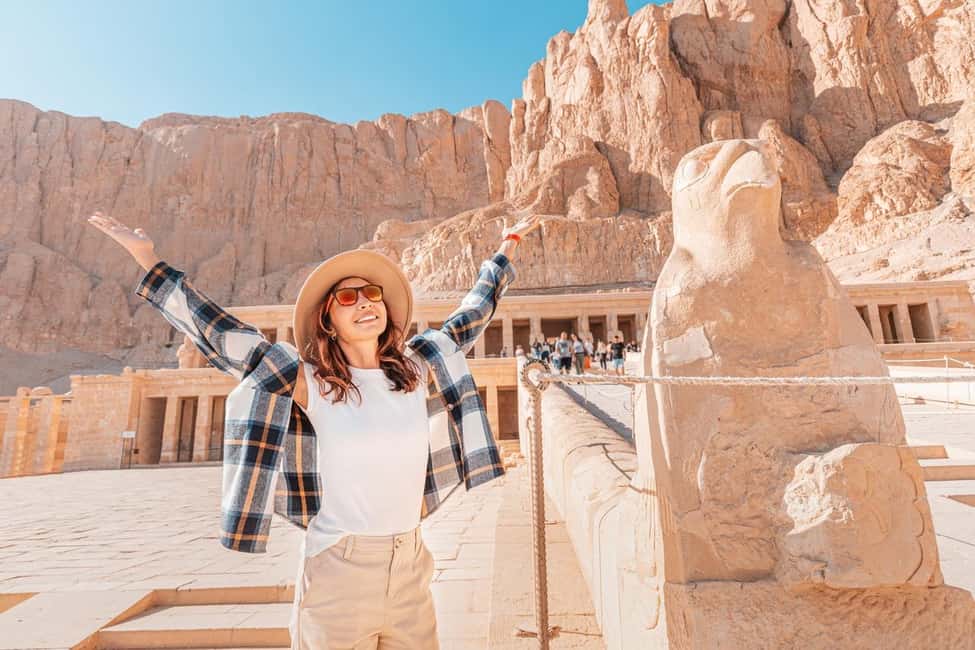
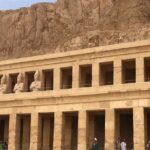
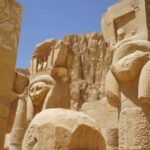
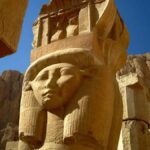
After the Valley of the Kings, you’ll head to Temple of Hatshepsut at Deir el Bahari for about 1 hour 30 minutes. This part is valuable because it links the West Bank story to the East Bank through a dynasty thread.
The tour frames Hatshepsut as the only woman to reign over Egypt as pharaoh, and it also points out that she’s an ancestor of Tutankhamun and belongs to the same dynasty. That connection helps you see why these sites feel like they’re talking to each other across centuries.
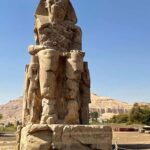
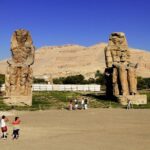
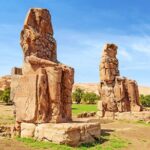
Then you’ll visit the Colossi of Memnon for about 20 minutes. The tour describes them as the two largest ancient statues in Egypt, dating back to King Amenhotep III. This is a good break in the schedule because it’s outdoor scale: your brain can reset after tight tomb interiors.
Karnak Temple: The East Bank’s Main Engine (and How Not to Get Lost)
Karnak takes center stage next, with about 2 hours at the Temple of Karnak complex. Here’s the thing: Karnak can overwhelm you fast if you treat it like one big walk. The tour approach helps because it breaks the complex into focused sections.
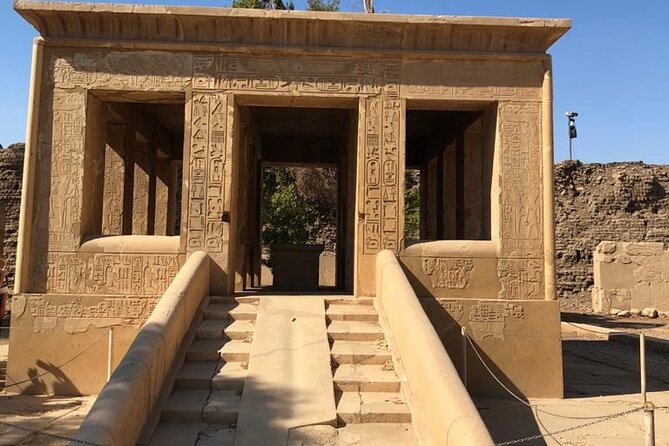
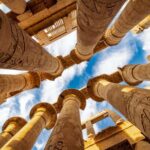
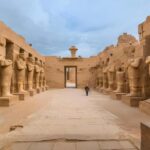
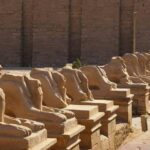
You’ll start with key features like the Avenue of Sphinxes and then move through highlight architecture such as the Hypostyle Hall, described as having 134 gigantic columns. The tour also includes the Obelisks of Queen Hatshepsut and Thutmose I, plus the Temple of Amon with its lotus and papyrus design language.
Other specific elements named in the tour description include the Granite Scarabeus of Amenophis III and the Sacred Lake. If you want to feel what makes Karnak special, treat these as anchor points. When you recognize them, you can navigate mentally even when the rest of the grounds feel like a maze.
Obelisks and follow-on temple stops
The schedule also includes shorter stops to keep you oriented:
- An obelisk stop for Queen Hatshepsut (about 10 minutes)
- Another obelisk stop for Thutmoses I (about 10 minutes), with the tour description speaking in vivid terms about the stone needle and the marks carved by ancient hands
- Temple of Amun (about 30 minutes)
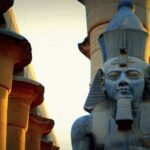
- Temple of Ramesses III, Karnak (about 30 minutes), where the tour highlights that he significantly expanded an already important site
Even if you’re not an architecture person, this sequencing helps. It turns Karnak from a blur into a set of readable blocks.
Luxor Temple: Built-Over Worship Over 4,000 Years
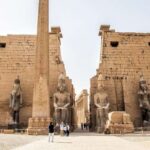
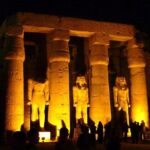
The final major stop is Luxor Temple, scheduled for about 1 hour 30 minutes. The tour describes it as one of the world’s oldest living monuments, used continuously for around 4,000 years.
What I like about this part is that the tour tells you to look for layers. The description includes a few standout historical threads: Alexander the Great’s priests carving hidden messages there, Roman soldiers living inside the complex, and a mosque being built directly on the temple complex.
In other words, Luxor Temple isn’t frozen in time. It’s more like a palimpsest: new beliefs built over older stone. If you pay attention, you’ll start seeing why the same space can feel both ancient and strangely human.
The tour also frames Luxor Temple as especially dramatic around sunset, when the stones can shift color. Your exact timing depends on the day’s traffic and pacing, but reaching it with the light changing usually makes it easier to understand why people remember this site longer than they expected.
Price and Value: Getting More Than Just Transport for $19.99
At $19.99 per person, this tour’s value depends on what’s included for your booking option. The listing data states you get:
- Air-conditioned vehicle and private transportation
- A private Egyptology guide
- Lunch and bottled water
- Tickets to the mentioned sightseeing if the option is selected
That mix is the real deal-maker. A private guide and admissions bundled with lunch often cost more separately than people expect. So if your goal is “one day, lots of real sites, less hassle,” this price can feel like a win.
Just don’t skip the fine print you can control: confirm tickets are included for the stops you care about. The tour also mentions extra pickup charges in certain cases—an additional $5 if pickup is from the airport, and an additional $10 if pickup is from the west bank—so factor that into the true per-person cost.
Logistics That Make This Long Day Feel Easier
A 10-hour tour is a full day. The only way it works well is if you respect the rhythm of Luxor: tombs need time for entry and slow looking, temples need time for orientation, and driving time is never zero.
A few details matter based on what’s stated:
- Some tombs are short timed visits (20–25 minutes), so plan to look with intention
- You’ll have lunch included, plus bottled water, which helps you avoid spending energy on food planning mid-day
- Pickup is offered, and the tour uses private transportation to cut down on waiting and reshuffling
From the reviews, a consistent theme is that Ahmed and the team are attentive and stay on time, which is exactly what you want for a schedule this packed.
Who This Tour Suits (and Who Might Want Something Different)
This fits best if you’re:
- A history-first traveler who wants a guide to explain the “why” behind each site
- Someone who wants both East and West Bank highlights in a single day
- Traveling solo and prioritizing safety and clear logistics
- A family group that prefers organization over DIY route planning
You might think twice if you:
- Want a slow travel day with lots of free time to drift
- Prefer fewer tomb entries and more time in fewer spaces (this itinerary is coverage-heavy)
Should You Book This Private VIP Luxor East and West Bank Day?
I’d book this if your goal is to see the major Luxor hits without spending your day negotiating rides, figuring out what to prioritize, or guessing what you’re looking at in the tombs. The biggest strength is the combination of private guiding plus admissions and lunch bundled into a single long but structured day.
If, however, you’re the type who wants long lingering sessions in one or two places, you may find the tomb timing a bit tight. In that case, consider splitting your West Bank and East Bank days into smaller chunks.
FAQ
How long is the Private VIP Day Tour in Luxor?
The tour duration is about 10 hours.
Is pickup included, and are there extra fees?
Pickup is offered. There is an extra charge of $5 if pickup is from the airport, and an extra charge of $10 if pickup is from the west bank.
What’s included in the tour price?
Included features are air-conditioned vehicle, private transportation, a private Egyptology guide, lunch, bottled water, and tickets to the mentioned sightseeing if the option is selected.
Are entrance tickets included for all the listed sites?
The tour data says tickets to the mentioned sightseeing are included if the option is selected.
Is this a private tour?
Yes. It’s a private tour/activity, and only your group will participate.
What is the cancellation policy?
Free cancellation is offered. You can cancel up to 24 hours in advance of the experience start time for a full refund. If you cancel less than 24 hours before the start time, there is no refund.