REVIEW · LUXOR
Private Tour: valley of the queens,Carter House,Temple of Seti, Ramesseum Temple
Book on Viator →Operated by Reflections Travel · Bookable on Viator
A quiet Luxor day can still feel big. You get an Egyptologist guide plus a focused hit list on the West Bank, including the Tomb of Queen Nefertari and the Howard Carter House museum. I also like that admissions and round-trip transfers are built in, so you’re not hunting tickets while the sun is already climbing. One thing to consider: if you’re strict about language, check that the tour language matches what you booked, since a mismatch can happen.
The private format matters here. It keeps you moving at a human pace through tomb corridors and temple halls, not a sprint with a stopwatch. And because the stops are less of a “rush-and-redirect” loop, you’ll have a better chance to actually read the walls and ask questions without feeling cut off.
That said, this is still a full day in heat and dust. If you’re sensitive to long stretches outdoors, plan for early timing, good shoes, and breaks at your own pace.
In This Review
- Key things to know
- A private, West Bank lineup that makes the day easier
- Valley of the Queens: Nefertari, royal tombs, and a calmer feel
- The Ramesseum: Ramses II’s funerary temple for Ra
- Howard Carter House: where the search for the boy king happened
- Temple of Seti I: intricate walls and dense sacred decoration
- The 8-hour pacing: early pickup, A/C comfort, and time to look
- Price and value: $100 with admissions, guide, and transfers
- Who this tour suits best (and who should look elsewhere)
- Should you book this private Luxor West Bank tour?
- FAQ
- What is included in the tour price?
- How long does the private tour take?
- Do I need to pay entrance fees separately?
- Is hotel or Nile Cruise pickup included?
- Is this a private tour?
- Is a mobile ticket provided?
- Can I cancel if my plans change?
Key things to know
- All admission fees included for the Valley of the Queens, Ramesseum, Howard Carter House, and Temple of Seti I
- Private, Egyptologist-led guiding with licensed expertise for tomb and temple context
- Round-trip hotel or Nile Cruise pickup in an A/C vehicle, plus bottled water
- A practical West Bank combo: royals’ tombs, Ramses II funerary space, Carter’s workplace, and Seti I’s temple artistry
- Early start possible (pickup can be around 7:00 am), which helps you beat heavier crowds
A private, West Bank lineup that makes the day easier
This tour is built for people who want a real Luxor day without turning it into a checklist marathon. You’re on the West Bank—where the tombs and mortuary temples live—and the route is intentionally tight: four major stops, guided throughout, with admission fees handled for you.
I like that it’s private. That sounds simple, but it changes everything once you’re standing in a tomb entrance or staring at carvings that you’d otherwise miss. You can pause longer where you care, move on faster when you’re done, and ask follow-up questions without your guide repeating the same story for the entire group.
Logistics are also handled in a sensible way. You get pick-up and drop-off from your Luxor hotel or Nile Cruise by A/C vehicle, and bottled water is included. If you’ve done Luxor “on your own,” you know how quickly time slips away to ticket lines and walking back and forth. Here, that friction is reduced.
The biggest practical consideration is the pace. The day runs about 8 hours, and three of the four stops involve outdoor walking in bright light. You’ll feel it most if you’re not used to warm-weather archaeology visits. The good news is you’ll be going before the day gets fully hot, and the private setup makes it easier to regulate your effort.
You can also read our reviews of more private tours in Luxor
Valley of the Queens: Nefertari, royal tombs, and a calmer feel
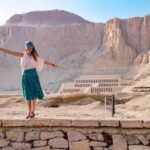
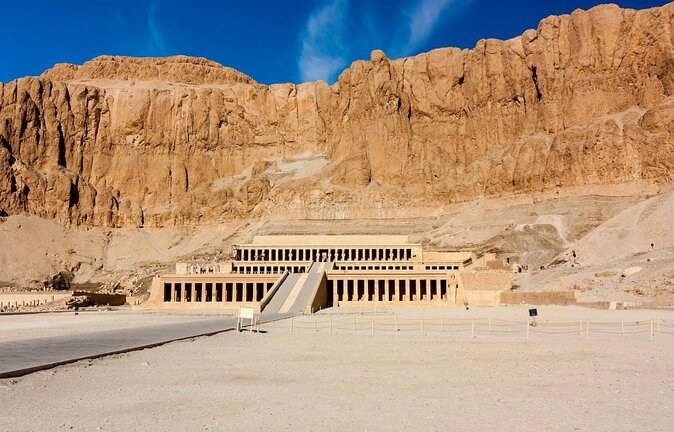
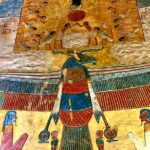
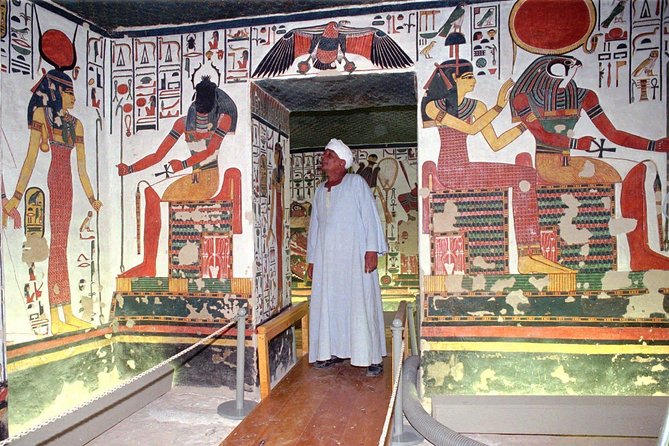
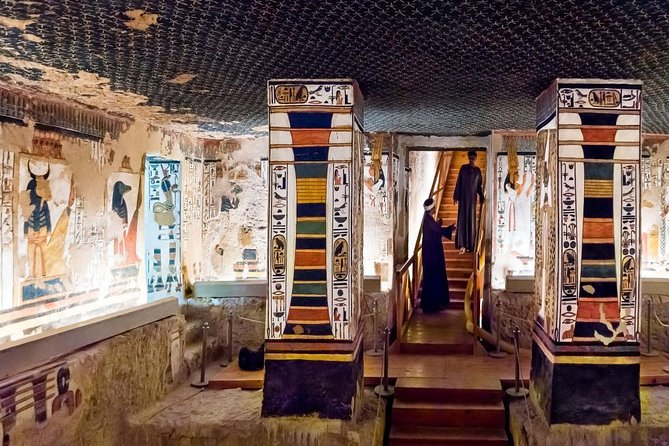
The day starts at the Valle Delle Regine, one of the West Bank’s most rewarding tomb areas. This valley is home to at least 75 tombs, and the highlight is the final resting place of Queen Nefertari. You’ll also see tombs connected to queens of the 19th and 20th dynasties, plus other royal family members.
What makes the Valley of the Queens especially worth your time is how much it rewards careful looking. Even when the tombs are partially worn by time, the layouts and decorative programs still help you understand how ancient Egyptians thought about status, afterlife, and memorial space. With an Egyptologist guide, you’re not just watching pretty rock caves—you’re getting the “why” behind what you’re seeing.
Another plus: this stop can feel less hectic than the most famous West Bank name on most first-timers’ lists. Because the tour is private and paced, you can spend real moments at the entrances, then step inside when it makes sense for your comfort and the site conditions.
A practical note: tomb visits are a mix of bright daylight and darker interiors. Bring a little patience for shifting light levels. I also recommend you wear shoes that work well on uneven rock surfaces, because West Bank pathways can be rugged and dusty.
If you care about royal women’s roles in the historical story, this is the part of the day that tends to stick in your memory. Nefertari’s presence anchors the valley emotionally, and the surrounding tombs widen the context into a fuller royal “who’s who.”
The Ramesseum: Ramses II’s funerary temple for Ra
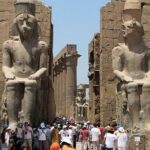
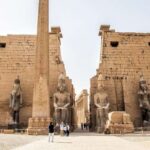
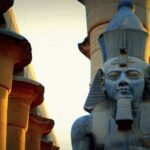
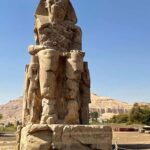
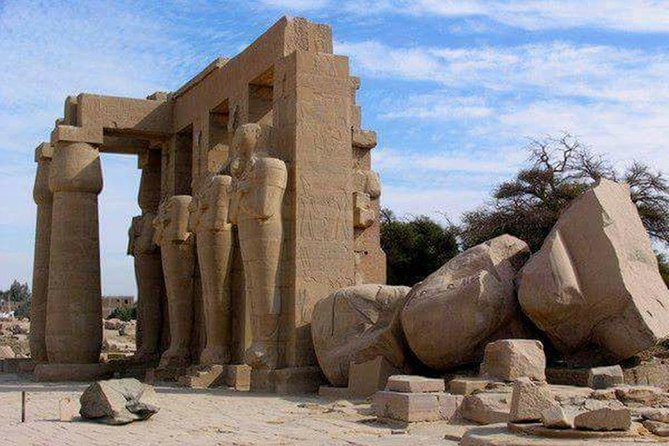
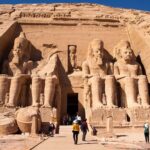
Next comes the Ramesseum, the mortuary temple of Ramses II. This temple complex was built around 1304–1207 B.C. and dedicated to the god Ra—which matters, because you’re not just touring an old structure. You’re walking through a piece of royal ideology tied to the sun god and the afterlife.
With a guide, you’ll get the kind of orientation that’s hard to do alone. For example, it helps to understand what mortuary temples were meant to do: act like a lasting sacred space connected to ongoing remembrance and ritual activity. That lens changes how you read the damage and erosion around you. Instead of thinking, “This is ruined,” you start thinking, “This was built to last in a specific religious framework.”
The time here is about 1 hour. That’s long enough to see the main layout points and learn how the temple functioned, but it also keeps you from cooking in the sun. If you’ve got legs that run out before your curiosity does, this is a good stopping point in the day’s rhythm.
One more practical angle: the Ramesseum can be a strong “breather” stop. Compared with tomb interiors, temples give you more space to look outward, notice columns and wall sections, and take in scale. If you’re traveling with someone who gets tired of confined spaces, this stop often works as an easy win.
Howard Carter House: where the search for the boy king happened
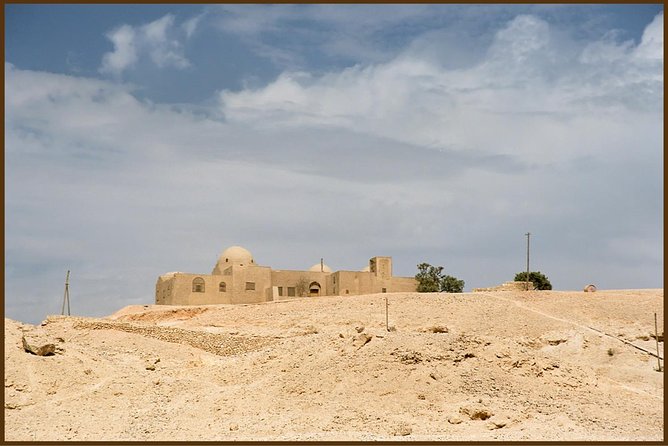
Then you shift from ancient Egypt to the modern story of discovery. Howard Carter House is the former home of the celebrated English Egyptologist, Howard Carter, now a museum.
This stop is one of the most interesting contrasts on the West Bank route because it connects three things in one place: Carter’s working life, the tools and documentation of excavation, and the public story of how “the boy king” was eventually found. You’ll see a mud-brick domed structure turned museum, with photographs of excavations and original surveying tools. The tour time also highlights the laboratory area where the archaeologist spent many years working on the search.
I like that the museum part doesn’t feel disconnected from the temple and tomb day you just had. It’s still part of the same bigger question: how we know what we know about ancient Egypt. Carter’s methods, his emphasis on careful observation, and the physical context of the house help you connect discovery to process.
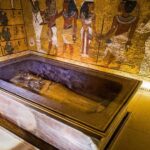
And the outdoor setting helps too. The surrounding garden includes a detailed replica of a burial chamber with a pharaoh’s sarcophagus. That’s a great visual bridge if you’re trying to mentally line up what you’ve seen underground with what was reconstructed later.
This is also the sort of stop that’s great for people who love details. Even if you’re not a strict museum person, the Carter House can feel like a time capsule of investigation rather than a dead-display room. Plan on a relaxed look; it’s only about 1 hour, but you’ll likely want to slow down and read.
Temple of Seti I: intricate walls and dense sacred decoration
You finish at Temple of Seti I, another West Bank highlight where the visuals and the wall coverage can do the talking.
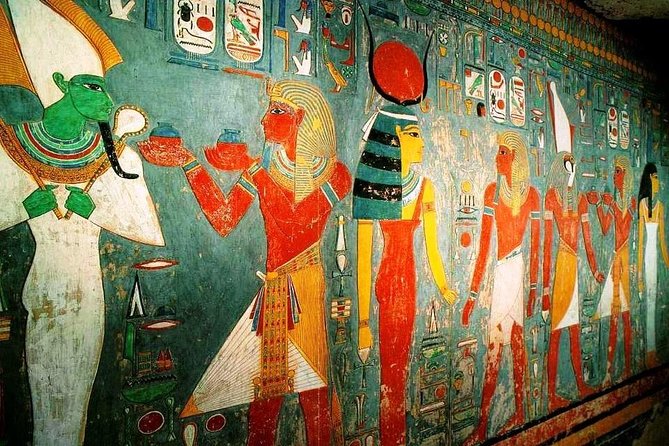
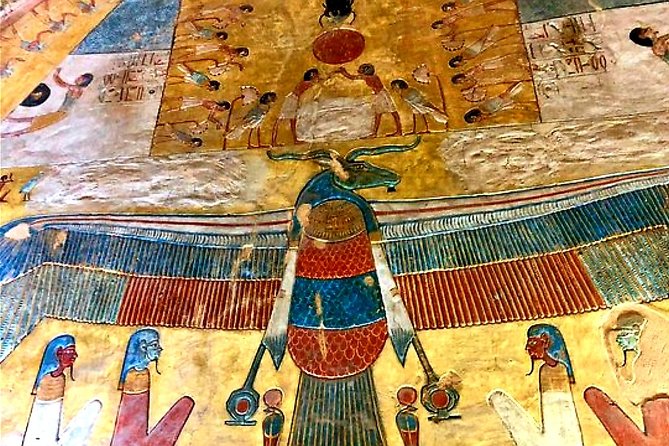
This temple is known for a sophisticated architectural style and lots of decoration. During your visit, you’ll focus on Egyptian deities shown throughout the space and hieroglyphs on the walls. The details matter here: Seti I’s temple work helps you understand how ancient Egyptian art functioned as both sacred imagery and written communication.
Time here is also about 1 hour, which is a good match for how the experience feels. Temples can sometimes “blend together” if you rush. A guided visit helps you pick out what’s most important: the layout, recurring themes, and what the imagery is likely communicating in its sacred setting.
If you’re the type who loves reading inscriptions (or even just recognizing patterns), Seti I’s walls are the kind of place where the guide’s explanations turn stone into a language. Even without trying to memorize symbols, you’ll start seeing how scenes repeat and how hieroglyphs are placed to support the religious meaning.
By the end of the day, you’ll also have a useful comparison in your head: tombs designed for the afterlife, a mortuary temple for divine connection, and then this temple space where decoration and writing are concentrated and structured. That mental map makes the whole West Bank day feel less like separate stops and more like one connected story.


The 8-hour pacing: early pickup, A/C comfort, and time to look
The schedule runs about 8 hours total, with each major site taking around 1–2 hours. Your day is not just walking from point to point. You’re being guided for context, so the time doesn’t feel wasted even if you’re not counting steps.
Pickup is offered from your Luxor hotel or Nile Cruise, and the ride is by A/C vehicle. That’s a real comfort upgrade if you’re visiting in warmer months or if your hotel day starts early. Bottled water is included, which helps you avoid the small daily stress of finding refreshments while managing heat.
Timing also matters. One common pattern is an early departure from the hotel (you might see pickup around 7:00 am). Going early typically improves your comfort and can help you experience the sites with fewer distractions.
What to bring (practical and simple):
- Comfortable, grippy shoes for uneven ground
- A hat and sunscreen for outdoor walking
- A light layer for shade and cooler spots inside
- Your camera and a willingness to pause—tombs and temples reward stillness
The private format also makes it easier to pace yourself if you want extra minutes at one stop or you’d rather keep the last leg lighter. That flexibility is often where private tours feel worth the money.
Price and value: $100 with admissions, guide, and transfers
At $100 per person, this is priced for a private format that includes more than the “guide only” version. You’re getting:
- A licensed Egyptologist guide
- Round-trip transfers (hotel or Nile Cruise pickup and return)
- All admission fees included for each site
- Bottled water
- A mobile ticket option
When you compare this to the cost of paying for guide time plus site tickets plus transport separately, the value usually lands in a sweet spot—especially if you want a smooth, low-stress day. The biggest cost you’d otherwise risk is time. In Luxor, time is expensive because the day can vanish between logistics.
For couples or solo travelers who want a tailored day, the private setup is the main value driver. For families, it can also be helpful because you can keep the group moving at an appropriate pace—without the pressure of syncing with strangers.
What you should weigh is how much you’ll use the private benefits. If you’re happy wandering with a self-guided plan and you don’t need Egyptologist context, a cheaper option might make sense. But if you want your day to feel meaningful—Nefertari’s tomb, Ramses II’s funerary intent, Carter’s discovery process, and Seti I’s inscriptions—this format fits well.
Who this tour suits best (and who should look elsewhere)
This tour is a strong match if you:
- Want a full West Bank day with a clear, organized route
- Care about context, not just sightseeing
- Like asking questions and moving at your own pace
- Prefer private guiding over joining larger groups
It’s less ideal if you:
- Need a very slow, heavily structured pace with lots of downtime (the tour is still built as a full day)
- Are highly sensitive to heat and long outdoor stretches
- Have a strict requirement for a specific language and want to avoid any chance of mismatch
Should you book this private Luxor West Bank tour?
If you’re doing Luxor for the first time, or you want one high-quality West Bank day without overthinking logistics, I’d say yes. The combination of Valley of the Queens, Ramesseum, Howard Carter House, and Temple of Seti I is a smart spread: royal tombs, a major funerary complex, the modern story of discovery, and a temple full of decorated wall scenes and hieroglyphs.
Book it if you want your visit to feel guided, not just watched. Consider it carefully if you’re very language-dependent or you dislike full-day outdoor touring—but with A/C transport and built-in admissions, the setup is already working in your favor.
FAQ
What is included in the tour price?
The tour includes bottled water, pickup and return transfers from your Luxor hotel or Nile Cruise, a qualified and fully licensed Egyptologist guide, and admission to the Valley of the Queens, Ramesseum Temple, Howard Carter House, and Temple of Seti I.
How long does the private tour take?
It runs about 8 hours (approx.) for the full day.
Do I need to pay entrance fees separately?
No. Admission fees for all four sites are included in the tour price.
Is hotel or Nile Cruise pickup included?
Yes, round-trip transfers are included, with pickup from your starting point in Luxor and return after the tour.
Is this a private tour?
Yes. It’s private, so only your group participates.
Is a mobile ticket provided?
Yes, the tour includes a mobile ticket. Confirmation is received at the time of booking.
Can I cancel if my plans change?
Free cancellation is available. You can cancel up to 24 hours in advance of the experience for a full refund.