REVIEW · LUXOR
Private Excursion to the West Bank of Luxor with Egyptologist
Book on Viator →Operated by GuideLouxor · Bookable on Viator
A few hours on Luxor’s West Bank can feel like stepping into the ancient desert. This private, customizable tour pairs you with an Egyptologist so you’re not just staring at ruins—you’re learning what you’re looking at, and why it mattered. I especially love the custom route (you pick up to three stops) and the air-conditioned vehicle that keeps you sane in the heat. The main drawback to plan for: entrance fees aren’t included, so your total depends on which tombs/temples you choose.
What makes this experience work well is the combination of private pacing and expert explanations. You get hotel or cruise pickup, then you can focus on the stops that genuinely interest you—whether that’s the Valley of the Kings, the Valley of the Queens, Hatshepsut’s temple, or the Colossi of Memnon. One thing I’d keep in mind is that the West Bank can be hot and busy, so going with a guide and a clear plan helps you spend your time well instead of waiting around.
At around 5 to 7 hours, it’s long enough to do real sightseeing, but not so long that you’ll feel wrecked at the end. The price—$38.13 per person—is solid for a private Egyptologist tour with an air-conditioned vehicle and all fees and taxes included on the provider side. Just budget for tickets on arrival and a tip, since those aren’t part of the package.
In This Review
- Key highlights you’ll actually feel on the day
- Luxor’s West Bank works best with an Egyptologist and a plan
- Picking up to three sights: your day, your priorities
- Valley of the Kings: rock-cut royal tombs in the Valley of the Gates
- Valley of the Queens: the wives and daughters of pharaohs
- Hatshepsut at Deir el-Bahari: the Djeser-Djeseru mortuary temple
- Colossi of Memnon: an easy, iconic finish with free admission
- How an Egyptologist guide turns monuments into meaning
- Comfort, pickup, and a private pace that avoids wasted time
- Price and value: what $38.13 covers (and what to budget)
- Who this West Bank private tour is best for
- Should you book this West Bank tour?
- FAQ
- How long is the West Bank tour?
- Is pickup included?
- Do I need to pay entrance fees?
- Is the tour private?
- What sights can I choose from?
- What if the weather is bad or I need to cancel?
Key highlights you’ll actually feel on the day
- Private, customizable route: choose up to three of the top West Bank sights you want most
- Egyptologist-led history: explanations that connect tombs, queens, and kings into one story
- Comfort first: pickup and travel in an air-conditioned vehicle
- Smart stop mix: go from major tomb valleys to Hatshepsut’s temple and finish at the Colossi
- Short, efficient photo stop: Colossi of Memnon is quick (about 15 minutes) and the admission is free
Luxor’s West Bank works best with an Egyptologist and a plan
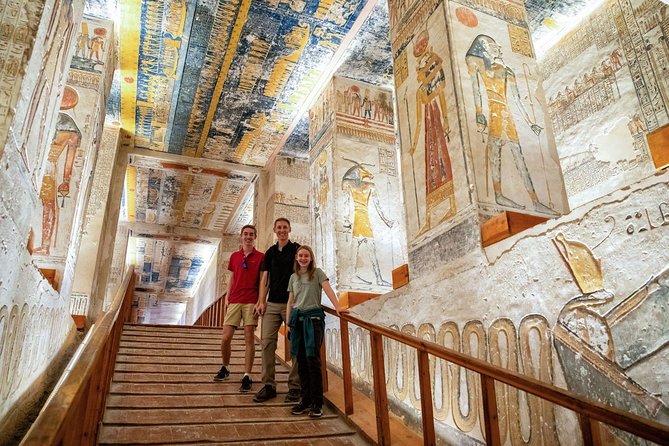
If you’ve ever wandered the West Bank without context, you know the feeling: great scenery, but it’s hard to tell what’s what. This is where an Egyptologist changes everything. I like tours like this because you’re not “collecting monuments.” You’re building understanding as you go—so a doorway, a carved wall, or a valley shape becomes meaningful instead of random.
Timing matters, too. These sites open early (the tour runs during 5:00 AM to 5:00 PM), and that’s a big deal on the West Bank. In practice, starting early helps you deal with less heat and often fewer headaches as you move between areas.
And yes, parts of Luxor’s West Bank can feel crowded. Having a private guide helps because you’re not stuck guessing where to stand, what matters most, or how long to allocate.
You can also read our reviews of more private tours in Luxor

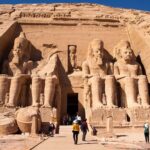
Picking up to three sights: your day, your priorities
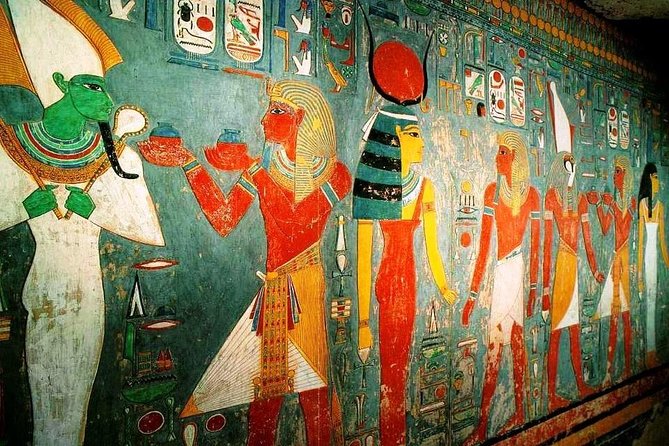
The best part for me is the flexibility: you can choose up to three sights from the West Bank options. That’s a smart setup for most people because the West Bank can’t be “done” casually. You’ll get more out of a focused route than a rushed checklist.
Here’s the kind of decision framework I’d use. If you love rulers and royal burial politics, put the Valley of the Kings at the top. If you want the quieter, more personal side of royal life—family and status—lean toward the Valley of the Queens. If architecture and ideology are your thing, Hatshepsut’s mortuary temple belongs on your list. If you want one iconic stop that’s easy to photograph and doesn’t eat your whole day, make the Colossi of Memnon your lighter final moment.
Also note the practical mix: one site might take around two hours, another might be an efficient add-on, and that balance is what keeps a 5 to 7 hour tour from turning into a slog.
Valley of the Kings: rock-cut royal tombs in the Valley of the Gates
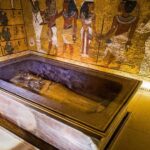
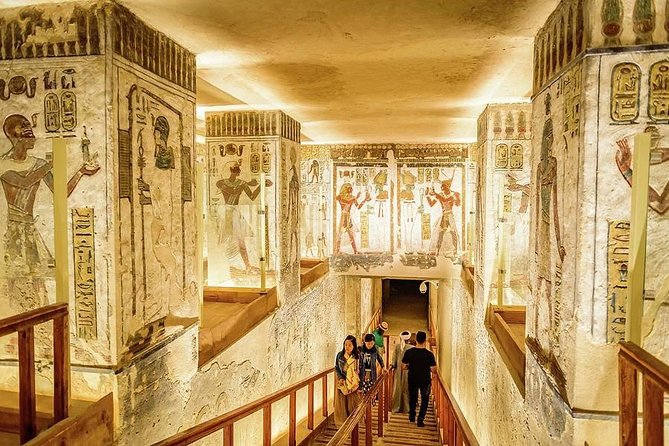
The Valley of the Kings is the big name on the West Bank for good reason. These are rock-cut tombs carved for pharaohs and powerful nobles over nearly 500 years, from the 16th to the 11th century BC—and the site is sometimes called the Valley of the Gates of the Kings.
In a guided setting, the valley stops becoming a maze. Instead, it turns into a timeline of status, power, and burial choices in the New Kingdom. You’ll spend about 2 hours here, and it’s long enough to see the scale and grasp the context—without feeling like you’re just marching in a single-file line.
One important drawback: admission tickets aren’t included. The tour itself covers the guide and vehicle, but you’ll still need to pay entrance fees for the sites you choose. If you already have a pass (one guest mentioned using a deluxe Luxor Pass to help with tomb access), that can make your entrance planning easier, but you’ll want to check what your pass covers before you go.
Also, plan for minimal comfort once you’re inside the tomb areas. Sun exposure and walking can add up, so wear breathable clothes and don’t underestimate how fast you can get thirsty in the heat.
Valley of the Queens: the wives and daughters of pharaohs
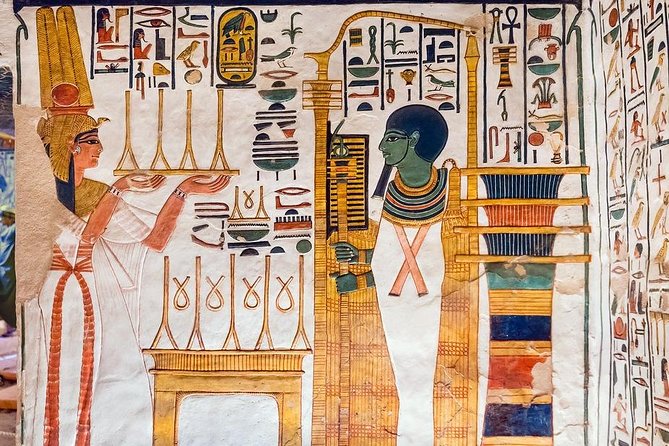
The Valley of the Queens is where the story becomes more intimate. This burial ground was known as Ta-Set-Neferu, meaning the place of beauty, and it’s associated with the wives and daughters of pharaohs.
This stop can be a great choice if you’re curious about who lived in the orbit of royal power, not just the pharaoh himself. With an Egyptologist explaining what the carvings and layout reflect, you get a sense of identity and rank—what it meant to be part of the royal household and to be honored in death.
If you’re comparing the mood of the valleys, I tend to think the Queens can feel less “overwhelming” than the Kings. That doesn’t make it less important—it just often feels more focused, like the guide can help you read the details instead of trying to keep up with a long crowd.
Like the Valley of the Kings, you’ll be responsible for the entrance fees, so decide in advance whether you want to use your time here for major tomb access or for broader exploration with context.
Hatshepsut at Deir el-Bahari: the Djeser-Djeseru mortuary temple
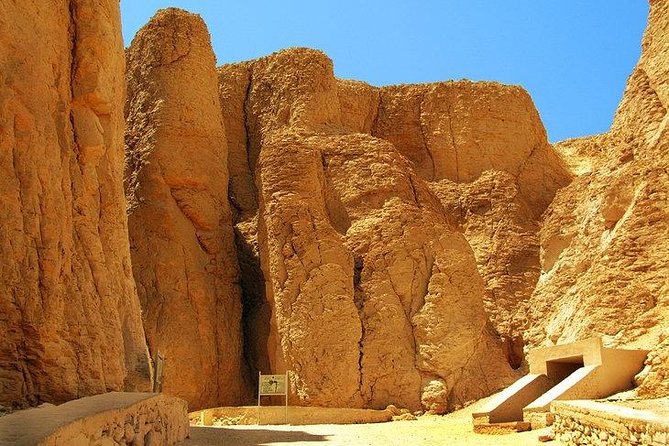
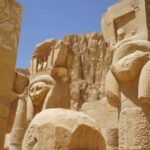
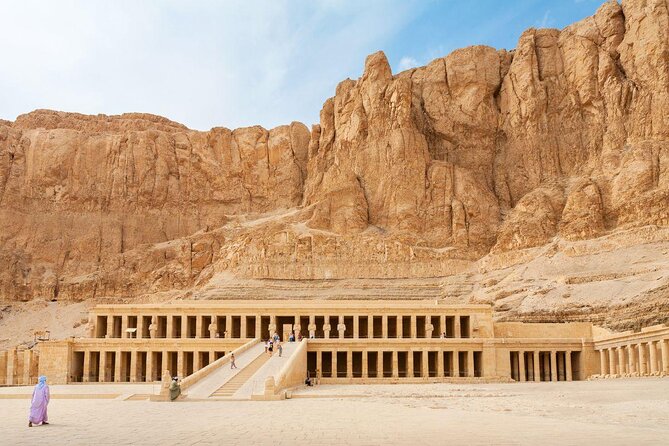
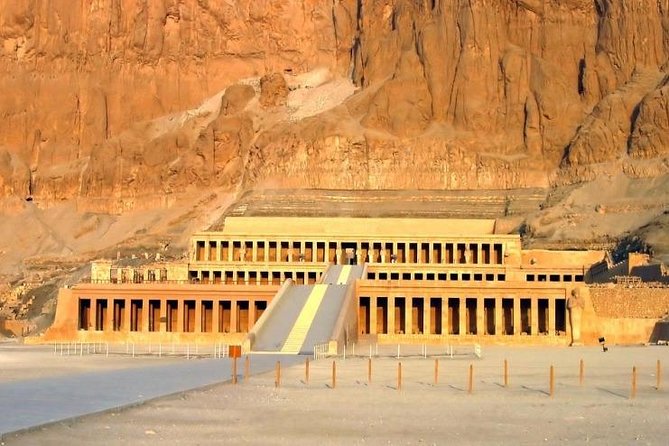
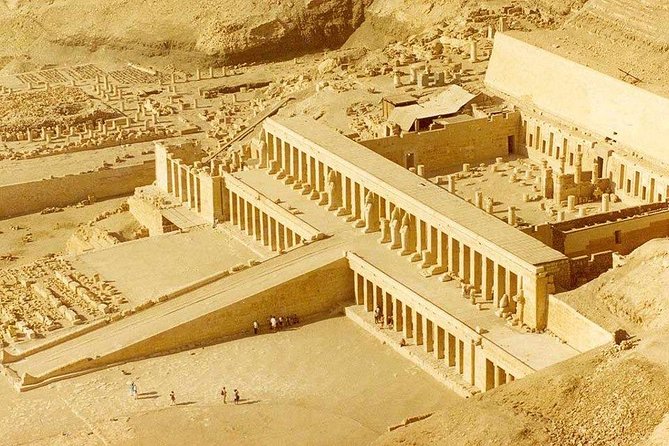
Hatshepsut’s temple at Deir el-Bahari is one of those places where you can’t help but look up. This mortuary temple—called Djeser-Djeseru, meaning holy of holies—is built for Hatshepsut, the 18th Dynasty pharaoh, and it sits beneath dramatic cliffs on the West Bank near the Valley of the Kings.
What I love about this stop is that it connects the dots between burial and belief. Tomb valleys are about where the dead were placed; mortuary temples are where remembrance and ritual were imagined. With the Egyptologist’s guidance, you’re more likely to notice how the setting supports the theme of power, legitimacy, and divine symbolism.
It’s also an architectural experience, not just a history lesson. Even without getting lost in every carved detail, the layout and setting give you immediate context: Hatshepsut wasn’t building something small and private. She was shaping a public religious space meant to last.
Since the tour is customizable, you’ll want to choose whether this is a “main stop” for you or a supporting act. Either way, it’s usually the moment of the day when the West Bank shifts from background ruins into something you can really feel.




Colossi of Memnon: an easy, iconic finish with free admission
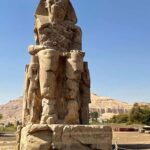
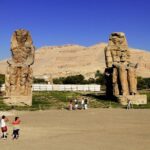
The Colossi of Memnon are two massive stone statues of Pharaoh Amenhotep III. They’ve stood in the Theban Necropolis west of the Nile for thousands of years, and they’re the kind of landmark you recognize instantly once you see them.
The practical bonus: this is a short stop—about 15 minutes—and the admission there is free. That makes it a great “wrap-up” choice when your brain is getting tired from valleys, stairs, and tomb-ticket logistics.
What to do during those 15 minutes? Stand back for scale first, then come in for the carvings and the sheer weight of the statues. A good guide will also help you place these statues in the wider story of the necropolis—so it doesn’t just become a quick photo and forget moment.
If you want one stop that’s efficient and still visually powerful, this is it.
How an Egyptologist guide turns monuments into meaning
The difference between seeing ruins and understanding them is explanation. With an Egyptologist, you’ll get the kinds of connections that make you pause and look again: why the tombs were built where they were, how the burial valleys relate to the era, and what the major sites meant beyond their physical beauty.
One name that came up in feedback is George, praised for making the experience work even when the area is hot and crowded. That kind of guidance matters because a good Egyptologist doesn’t just recite facts. They help you get your bearings fast: what you should notice, what questions to ask, and how to connect today’s view to the ancient purpose.
If you love history but don’t want a textbook vibe, this style tends to hit the sweet spot—clear, contextual, and focused on what you’re looking at right now.
Comfort, pickup, and a private pace that avoids wasted time
Let’s be honest: getting around Luxor’s West Bank at the right time can be half the battle. This tour includes pickup from your hotel or cruise ship and takes you around in an air-conditioned vehicle, which is a lifesaver when the sun ramps up.
Because it’s private, only your group participates. That means your pace is yours. If you want to linger for photos or spend extra moments at one stop, you’re not forced to follow a large-group timetable.
You’ll also have a mobile ticket, which can make entry planning simpler when you arrive at the sites. Just remember: mobile ticket doesn’t mean entrance fees are magically included. Tickets for the attractions still aren’t part of the package.
One more practical point: the tour runs during 5:00 AM to 5:00 PM, and confirmation is subject to availability. That makes early planning useful, especially in peak season.
Price and value: what $38.13 covers (and what to budget)
At $38.13 per person, this doesn’t look expensive for a private Egyptologist plus transportation in an air-conditioned vehicle. And importantly, all fees and taxes tied to the tour service are included.
But the big budgeting reality: entrance fees aren’t included, and tipping isn’t included either. That means your final cost depends on which of your three chosen stops require paid entry and how many tombs/areas you decide to access.
Here’s how to decide if it’s a good deal for you. If you’re the type who plans to visit at least two major sites—and you want an Egyptologist to make those entrances worth paying for—this price often feels like a practical upgrade. If you already plan to do only one paid site and you’re fine wandering without context, you might not maximize the value.
Still, even then, the private pickup and comfortable vehicle can be worth it. Luxor’s West Bank isn’t easy to optimize on your own, especially when you’re dealing with heat, walking, and choosing the right order.
Who this West Bank private tour is best for
This tour is ideal if you:
- Love Egypt’s New Kingdom story and want real context, not just labels
- Want a flexible route where you choose up to three sites based on your interests
- Prefer private comfort over racing through a group itinerary
- Appreciate an Egyptologist guide who can explain what a tomb valley or mortuary temple meant
It can also work well for first-time West Bank visitors who feel overwhelmed by the number of places to choose from. The customization takes decision fatigue off your shoulders.
If you’re traveling with limited tolerance for early starts or long walks, plan to pick fewer sites and prioritize comfort. The tour length is manageable, but the West Bank still asks you to walk.
Should you book this West Bank tour?
I’d book it if you want your West Bank day to feel understandable and intentional. The combination of private pacing, Egyptologist-led explanations, and air-conditioned transport is a strong value mix—especially for a history-focused trip to Luxor.
Book with extra focus on your choices. Pick three stops that match your curiosity, and treat entrance fees as part of the reality of visiting world-class sites. If you already have a pass, it may reduce your entrance headaches, and having that sorted can make the whole day smoother.
If you want a West Bank experience that’s more than photos—where you leave knowing what you saw—this is a good fit.
FAQ
How long is the West Bank tour?
The tour runs about 5 to 7 hours, depending on how your stops and timing work out.
Is pickup included?
Yes. Pickup is offered from your hotel or cruise ship.
Do I need to pay entrance fees?
Yes. Entrance fees are not included, so you’ll need to budget for tickets at the sites you choose.
Is the tour private?
Yes. It’s a private tour, and only your group will participate.
What sights can I choose from?
You can choose up to three sights from options that include major West Bank locations such as the Valley of the Kings, the Valley of the Queens, the Mortuary Temple of Hatshepsut, and the Colossi of Memnon (and other West Bank options like the Valley of the Nobles may be available based on your choices).
What if the weather is bad or I need to cancel?
The experience requires good weather. If it’s canceled due to poor weather, you’ll be offered a different date or a full refund. You can cancel for a full refund up to 24 hours in advance, but refunds aren’t available if you cancel less than 24 hours before the start time.