REVIEW · LUXOR
Private Tour: Dendara from Luxor
Book on Viator →Operated by South Sinai Travel · Bookable on Viator
A morning trip to Dendera can feel like time travel. This private tour from Luxor lets you choose how you travel—by air-conditioned minivan or private Nile boat—and then spend real guided time at the Dendera Temple Complex, especially the Temple of Hathor and its surrounding buildings.
I especially like the focused, Egyptologist-led explanations that help you read what you’re seeing, not just snap photos. You also get a full, guided circuit through the key structures, including the Coptic Basilica and the Temple of the Birth of Isis. The one main thing to think about is that parts of the temple may be under repair, which can affect atmosphere and photo angles.
In This Review
- Key things to know before you go
- The Luxor to Dendera choice that changes your whole day
- 7:00 am start and a 12-hour rhythm you should plan around
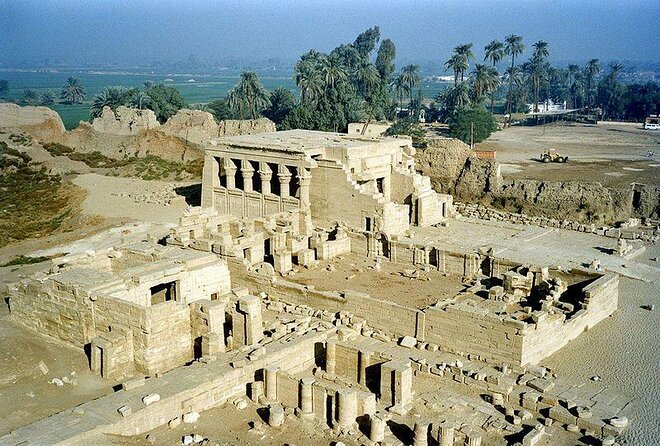
- Entering the Dendera Temple Complex: Hathor’s world in stone
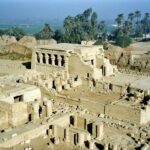
- Inside the mud-brick enclosure: Roman walls, older roots
- The Zodiac and the color that still holds
- The Coptic Basilica and the Birth Houses: why Dendera feels layered
- Why the guide’s explanations matter more than you think
- Road versus boat: which option is the smarter fit for you
- Transfers early morning and late evening: the real logistics lesson
- Admission ticket included, but don’t forget the other basics
- Price and value: is $95.70 per person fair?
- What might annoy you: construction and photo compromises
- Who this private Dendera tour is best for
- Should you book the Private Tour: Dendara from Luxor?
- FAQ
- What time does the Dendera from Luxor tour start?
- How long is the tour?
- Is hotel pickup and drop-off included?
- Is this tour private?
- Can I choose to travel by road or by boat?
- What sights are included at Dendera?
- Is the admission ticket included?
- Are food and drinks included?
- What languages are included for the guide?
- What is the cancellation policy?
Key things to know before you go
- Road or Nile option: Choose a minivan ride or a private boat cruise on the famous Luxor–Dendera route.
- Egyptologist-led visiting time: You’re not just wandering; you’re walking with someone who explains the symbolism.
- More than one era on the same grounds: Roman-era mud-brick walls sit beside much older temple evidence.
- Hathor plus the birth houses: The day centers on the Temple of Hathor, then moves into the Birth of Isis area.
- Bring-your-own sanity for breaks: Food and drinks aren’t included unless specified, so plan for small gaps in the day.
- Private group attention: This is just your group, so you can ask questions without competing for time.
The Luxor to Dendera choice that changes your whole day
The biggest practical win here is control. You’re picking a travel style for the long day, not just booking a ticket to a site.
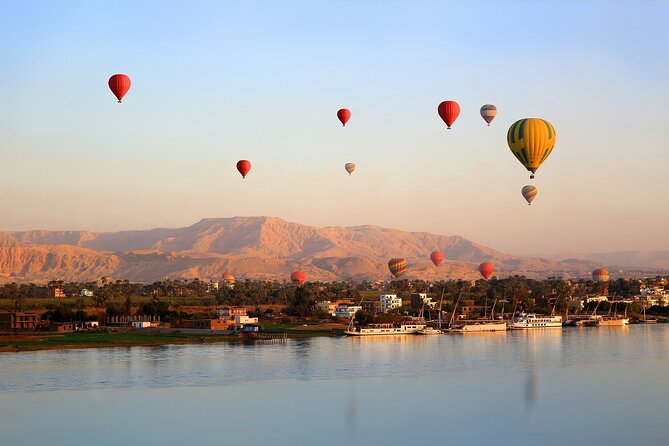
Go by road in an air-conditioned minivan, and you keep the day tight and efficient. Go by boat, and the rhythm shifts. You trade some predictability for more leisure time on the Nile, plus that calm, away-from-the-road feeling that makes the day feel longer in a good way.
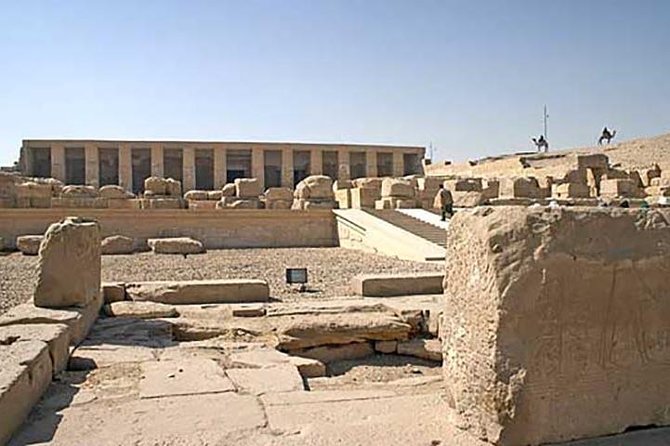
Either way, the tour is structured around a guided visit to the Dendera Temple Complex, with enough time on-site for you to look around after the main explanations.
You can also read our reviews of more private tours in Luxor
7:00 am start and a 12-hour rhythm you should plan around
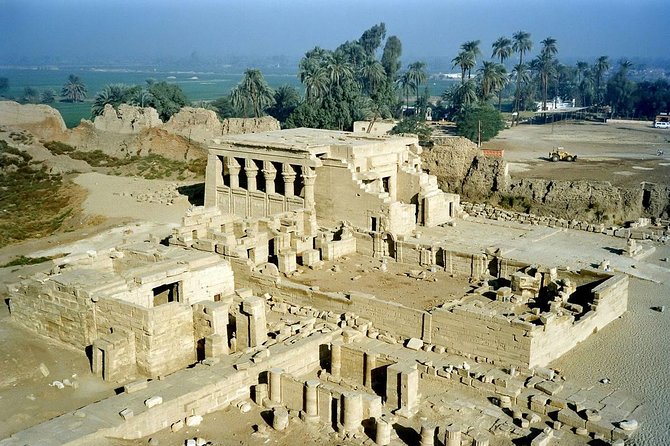
This tour starts early, around 7:00 am, and runs about 12 hours total. That means you’ll want a solid breakfast and the right attitude: you’re doing a full day trip, not a quick stop.
The day is paced around round-trip transportation between Luxor and Dendera, then a guided site visit where you’ll be walking and focusing on details. There’s also time for you to explore the grounds afterward at your own pace, so don’t schedule anything else that same evening.
Entering the Dendera Temple Complex: Hathor’s world in stone
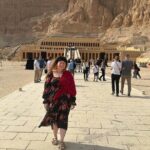
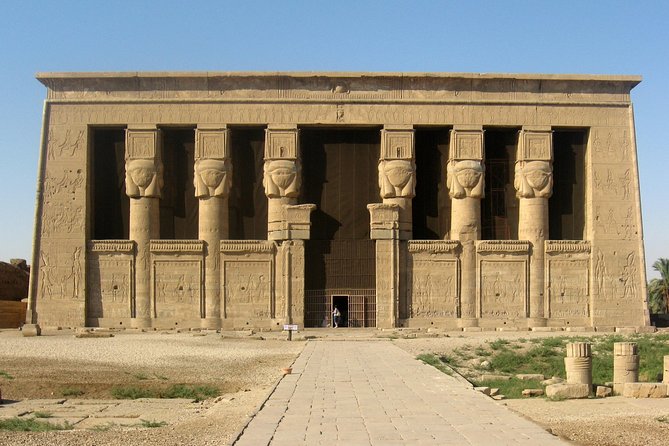
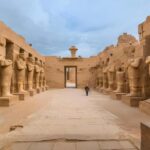
Your approach to the Temple of Hathor passes between Roman fountains and ends at the massive entry gate. It’s a strong first moment because the Dendera complex already signals a mix of eras. Even before you reach the temple halls, you can feel you’re arriving at a site with layers.
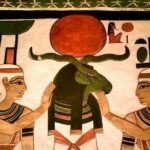
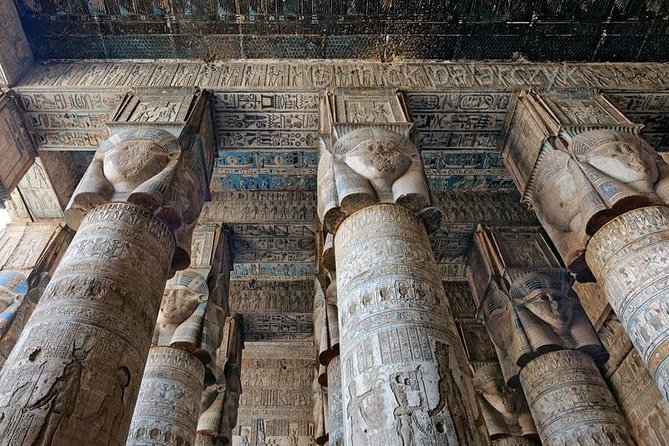
Hathor is the star here. You’ll learn how she was tied to pleasure and love, and how her figure shows up in temple art—often as a cow, or as a woman with a cow’s head. The value of the Egyptologist guide is that you don’t just memorize symbols; you learn how people in different periods understood them.
Inside the mud-brick enclosure: Roman walls, older roots
One of the most useful details you’ll hear is about the mud-brick enclosure walls. Those walls date to the Roman era, which matters because it explains why the complex feels enclosed and built up in a particular way.
But the temple is not only Roman in spirit. You’ll also hear that evidence exists for rebuilding work during the Old Kingdom (including Pepi I), and that later rulers reconditioned or expanded it across multiple dynasties. New Kingdom work is tied to names like Thutmose III, Amenhotep III, and Rameses II and III.
Then, later still, the Greeks, Ptolemies, and Romans added changes. That’s the big theme to keep in mind as you walk: you’re seeing one complex, shaped repeatedly over centuries.
The Zodiac and the color that still holds
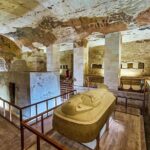
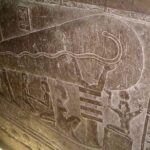
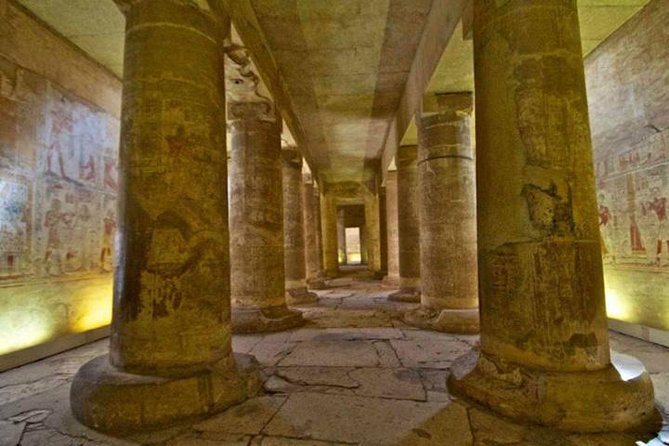
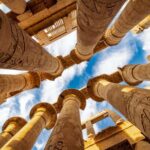
This is one of those places where the visuals can take over after the explanations start landing. Many people fall in love with details because the colors can still look surprisingly intact in sections of the complex.
A standout that’s worth planning for is the Zodiac. Don’t rush past it. Give yourself a few minutes to look and then let your guide connect it to the broader meaning of the temple’s design.
If your priority is photos, don’t panic about getting one perfect shot. Aim for a few steady angles, then shift your position as the light changes. That approach usually works better than trying to force one composition.

The Coptic Basilica and the Birth Houses: why Dendera feels layered
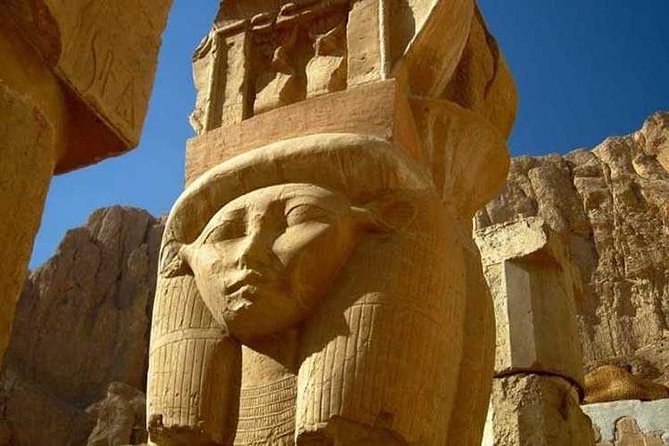
After Hathor, the day moves into the Coptic Basilica and the birth-related buildings on the grounds. This is where Dendera becomes more than ancient Egyptian worship space. You’re walking through structures tied to later Christian-era use, and that contrast helps explain why the site feels so complex.
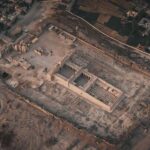
On the temple grounds, you’ll see the two birth houses and the Temple of the Birth of Isis, along with other features like a sanitarium and a sacred lake. The guide’s job is to connect these buildings to the site’s evolving purpose over time, rather than treating each hall as a separate random stop.
You’ll also get explanations about additions made during Greek, Ptolemy, and Roman periods. That matters because many temples in Egypt have been modified repeatedly, and Dendera is a prime example of how the layers sit next to each other rather than replacing everything.
Why the guide’s explanations matter more than you think
This tour is built around a qualified Egyptologist guide. That’s not a throwaway line. It changes how your visit lands, especially at a complex like Dendera where names, symbols, and time periods overlap.
In a temple visit, it’s easy to get stuck at the level of what you see. The best guides help you ask the next question: why it looks like that, and what it was meant to do for the people who used the space.
If you like history, mythology, and art with meaning, you’ll get good mileage out of the explanations. If you’re not into details, you can still enjoy it—but you’ll probably appreciate the guide’s clarity even more once you stop trying to read everything alone.
Road versus boat: which option is the smarter fit for you
You’re offered a choice of traveling by road or from the Nile River. Here’s how to pick based on what you want the day to feel like.
If you want efficiency and less fuss, choose the air-conditioned minivan. You’ll spend more time focused on the site itself and less time watching the river.
If you want a more relaxed pacing, choose the boat. One review described it as a proper Nile cruise day, with time to read and unwind, and even mentioned onboard comforts like a small pool. If you’re the type who likes to bring a book or some music and settle in for the ride, the boat day can feel like a mini-vacation inside the bigger trip.
Transfers early morning and late evening: the real logistics lesson
Because the tour starts at 7:00 am and runs long, you should treat the day as a full commitment. The transport is handled in an organized way, including hotel pickup and drop-off.
That early start can be worth it, especially if you hate losing time in transit. Still, pack light but smart: sun protection, water (since drinks aren’t included), and a way to keep essentials close.
One small practical note: if you go by boat, you’ll likely spend a lot of the day on or around the water travel time. That can be great for relaxing, but you’ll want to plan for comfort during the full stretch.
Admission ticket included, but don’t forget the other basics
Admission to the Dendera Temple Complex is included in the tour. That’s a clean value point because it removes one common hassle: lining up tickets while you’re on a tight schedule.
Food and drinks are not included unless specifically stated. That means you should budget for lunch and water during the day or be prepared to use whatever options are available on the day.
Also note the mobile ticket. Having it on your phone helps you skip some paper hassles, but I’d still keep an eye on whether you need offline access in low-signal areas.
Price and value: is $95.70 per person fair?
At $95.70 per person for a private, guided day trip (about 12 hours), the value comes from three things working together: private transport, a qualified Egyptologist guide, and admission included.
If you compare it to doing the day independently, you’re paying for the “make it easy” package: pickup, smooth routing, and a guide who can connect what you’re seeing. That can be especially worth it at Dendera because the site’s symbolism and time layers don’t always land fast without help.
Two cost notes to keep in mind:
- Your day includes admission, but food and drinks are not included.
- There’s a 1000 L.E. supplement for languages other than English, and English is the language included in the pricing.
If English works for you, the base price tends to be a straightforward deal for a full guided outing.
What might annoy you: construction and photo compromises
The main drawback to plan around is that parts of the temple may be under rebuilding in places. That can reduce the feeling of intact atmosphere and can get in the way of ideal photo angles.
If you’re the type who loves wide, uninterrupted views, this might sting a bit. The practical fix is mindset: focus on the details you can still see clearly and trust your guide to point out what’s meaningful even with scaffolding or repairs nearby.
Also, like many major sites, restrooms can be basic. I’d bring your own small supplies so you’re not stuck improvising.
Who this private Dendera tour is best for
This works great if you want:
- a structured day with a private Egyptologist guide
- a clear focus on Hathor, then the Coptic-era layers and Birth Houses
- a choice in transport style: road for efficiency, boat for a calmer Nile day
It may be less ideal if you want a quick hit and zero walking. This is a full-day temple complex experience, not a short stroll.
If you’re celebrating something special, it can also be a solid pick because it’s private and you’ll have time to explore at your own pace without feeling rushed.
Should you book the Private Tour: Dendara from Luxor?
I’d book this if your goal is a guided, meaningful Dendera visit with real time inside the key areas. The combination of private transport, admission included, and an Egyptologist guide makes the day feel worth the price.
I’d think twice if you’re extremely photo-focused and the idea of renovation might stress you out. Even then, you can still get a lot out of the symbolism, the Zodiac, and the layered story of the complex—you just need to be flexible on angles and expectations.
If you want one strong rule: pick the road option when you value schedule control, pick the boat option when you want the Nile ride to be part of the memory, not just transit.
FAQ
What time does the Dendera from Luxor tour start?
The start time is listed as 7:00 am.
How long is the tour?
The duration is listed as 12 hours (approx.).
Is hotel pickup and drop-off included?
Yes. Hotel pickup and drop-off are included.
Is this tour private?
Yes. It’s a private tour, so only your group participates.
Can I choose to travel by road or by boat?
Yes. You can travel to Dendera via road or from the Nile River.
What sights are included at Dendera?
The tour focuses on the Temple of Hathor, the Coptic Basilica, and the Temple of the Birth of Isis, along with other features on the grounds.
Is the admission ticket included?
Yes. The entry ticket for the Dendera Temple Complex is included.
Are food and drinks included?
No. Food and drinks are not included, unless specified.
What languages are included for the guide?
English is included in the pricing. A 1000 L.E. supplement applies to all languages except the English language guide.
What is the cancellation policy?
Free cancellation is offered, with a full refund if you cancel up to 24 hours in advance of the experience start time.