REVIEW · LUXOR
Luxor West bank Tour Valley of The Kings, Hatshepsut Temple & Colossi of Memnon
Book on Viator →Operated by Egypt Gift Tours · Bookable on Viator
Some places feel hot in your bones. Luxor’s West Bank does that fast, but this tour keeps it manageable. You get door-to-door pickup from your hotel or Nile cruise, plus an Egyptologist guide who explains what you’re seeing rather than letting you wander blindly.
What I like most is the pace: a half-day format means you can hit the big West Bank highlights without spending all day in the sun. I also like the way the guide works outside the tombs, setting up the art, colors, and symbolism so the tomb visit (inside) makes more sense.
One thing to consider: entrance fees are not included, and you’ll need to handle tomb choices and extra tickets for certain famous tombs if you want them.
In This Review
- At a glance
- The Half-Day West Bank Plan That Actually Works in Luxor
- Hotel or Nile Cruise Pickup: Door-to-Door Ease
- Valley of the Kings: How the Guide Shapes What You’ll See
- Tomb ticket reality: what costs extra
- Practical note on ticket payments
- Deir el Bahari and Hatshepsut: Seeing the Queen Through the Temple
- What to expect on the ground
- Colossi of Memnon: Quick Photos, Clear Context
- Why these statues matter
- Return to Luxor: Don’t Lose Your Afternoon
- Price and Value: What $70 Per Person Really Buys
- Best value for the right traveler
- The Guide Moment: What Professional Helps You Catch
- What You Need to Budget For on the Spot
- Who This Tour Fits Best
- Should You Book This Luxor West Bank Tour?
- FAQ
- What sites are included on this Luxor West Bank tour?
- What time does pickup happen and how long is the tour?
- Is this tour private?
- Are entrance fees included in the price?
- Will the guide go inside the tombs?
- Which tombs require extra tickets?
- What is included in the tour price?
- Do I need cash for anything?
- Is there free cancellation?
At a glance
- Half-day timing keeps the heat in check while still covering the main West Bank stops
- Egyptologist-guided context helps you understand tomb art and Hatshepsut’s story
- Private A/C transport from Luxor hotels and Nile cruises, with a set pickup at 8:00 am
- Valley of the Kings tombs selection includes the best 3 options available, with some tombs needing extra tickets
- Colossi of Memnon photo time is short and efficient, with admission free
The Half-Day West Bank Plan That Actually Works in Luxor
Luxor’s West Bank is world-famous, but it can also wear you down fast. The key here is the structure: you start early (pickup at 8:00 am) and keep the schedule tight at about 5 hours total, including transfers.
This is a practical choice if you want the essentials—Valley of the Kings, Hatshepsut Temple, and Colossi of Memnon—without turning your day into a long, sweaty marathon. You also avoid the stress of last-minute transport arrangements, which can turn into a headache when you’re trying to stay on time.
The tour is private, so you’re not stuck with a mismatch of interests or pacing. And when the pace is controlled, you can spend more time looking closely at carvings and paintings instead of just ticking boxes.
You can also read our reviews of more tours and experiences in Luxor.

Hotel or Nile Cruise Pickup: Door-to-Door Ease
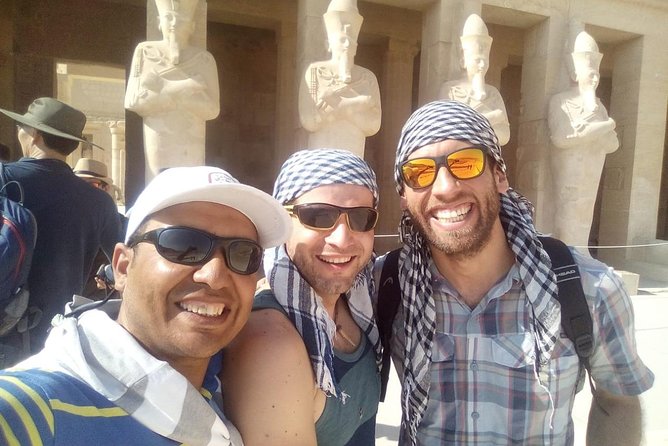
Your day starts with pickup from your hotel or Nile cruise in Luxor. The tour uses a private, air-conditioned car and a direct drive to the West Bank—about 40 minutes—so you get moving quickly and comfortably.
The ride matters more than you might think. West Bank sightseeing means roads, checkpoints, and traffic patterns, and when you’re coordinating yourself, those details can eat into your sightseeing time. With this setup, the transport is handled, and you can focus on the stops instead of logistics.
You’ll also get a bottle of water during the tour. That’s one of those small details that quietly makes a difference, because Luxor heat can turn decision-making into a drain.
Valley of the Kings: How the Guide Shapes What You’ll See
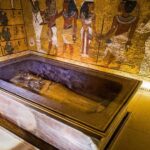
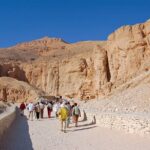
The first major stop is the Valley of the Kings, where New Kingdom pharaohs carved tombs into the mountains. This is where most people feel the scale of the mission immediately: planned hiding places, not just burials.
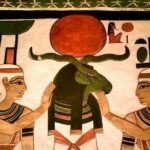
Here’s the approach I like: your guide explains the tombs from outside first. You’ll learn about the secrets of the paintings and colors, and the working skill behind carving impressive tombs that still feel astonishing. Importantly, there’s no guiding inside the tombs, so your outside context helps you read what you’re looking at once you step in.
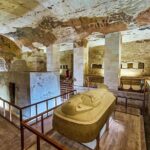
Then you visit the best 3 selected tombs from the open options. That selection system is smart for a half-day window. The Valley has many possible tomb choices, but you only have so much time, and it helps when the tour chooses well rather than leaving it entirely to guesswork.
Tomb ticket reality: what costs extra
Not all tombs come automatically. Certain famous tombs require extra tickets, including the Tomb of Tut Ankh Amun, Seti I, and Ramses VI. If those are on your personal list, you’ll want to plan for additional admission costs.
Also note the timing: the Valley segment is about 1 hour 30 minutes, and that includes time at the tombs you enter. In practice, that’s enough for a meaningful look if you’re paying attention rather than rushing.
Practical note on ticket payments
Entrance fees are not included, and you’ll pay them on-site by card. For the tomb experience, that reduces the scramble for cash during the busiest moments.

Deir el Bahari and Hatshepsut: Seeing the Queen Through the Temple
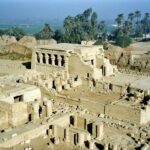
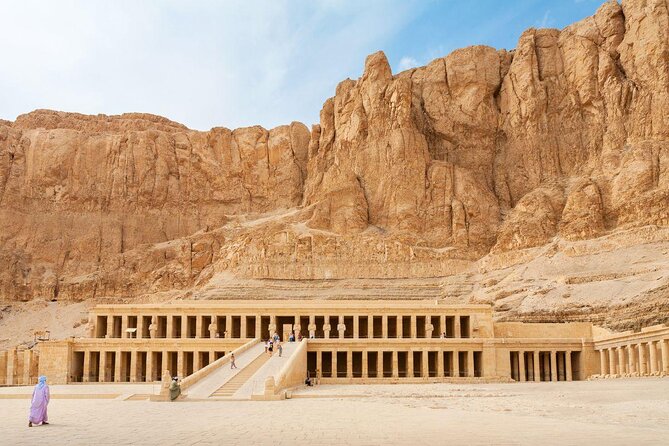
Next comes the Temple of Hatshepsut at El Deir el Bahari, one of the most dramatic West Bank temple settings. This mortuary temple belongs to a queen who ruled as a sole Pharaoh, and the site helps you understand how power, belief, and architecture all worked together.
You spend about 1 hour here. The guide’s job is especially valuable at this stop because the place isn’t just scenic—it’s structured to tell a story. You’ll hear Hatshepsut’s interesting story and how she managed to rule, which gives the architecture a clear meaning instead of leaving you with only visuals.
There’s also a restoration detail that you’ll want to keep in mind while you look. The temple was renewed and rebuilt by the Polish mission in Egypt since 1960 up till today. That matters because it explains why the temple looks the way it does now and why restoration is an ongoing job, not a one-and-done fix.
What to expect on the ground
Deir el Bahari rewards slow looking: terraces, columns, and the way the complex opens up views. Even in a half-day format, this stop is long enough to get a sense of layout—where you are on the timeline of the temple’s design.
A drawback? Temple time in Luxor often overlaps with glare and heat, so you’ll want to plan for shade breaks and water planning. The good news is your half-day pace prevents this stop from turning into a long grind.
Colossi of Memnon: Quick Photos, Clear Context
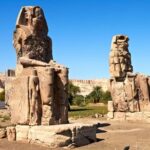
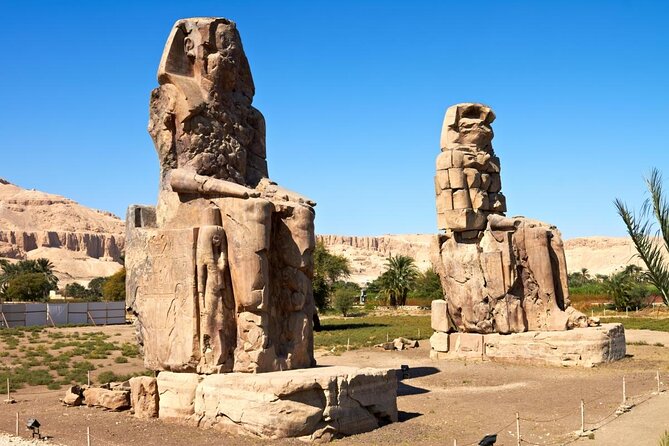
The final sightseeing stop is the Colossi of Memnon, two massive statues often recognized from a distance. These are about 17 meters tall, and they’re a powerful reminder that the West Bank isn’t only tombs—there are monumental funeral temples, too.
You get a short stop for photos and views. It’s listed at 10 minutes, and with a half-day schedule that makes sense: you see them, you frame your shots, and you move on without losing the day to extra walking.
Why these statues matter
The Colossi once decorated the entrance to the biggest funeral temple of King Amonhotep III on the West Bank. That link is the kind of context a guide can supply quickly, and it’s worth paying attention to while you’re there because it changes how you look at the statues—from isolated sculptures to part of a larger temple complex.
Admission here is free, so there’s no ticket stress at the end of the tour. It’s a relief if you’re watching your budget and want the final stop to cost you nothing extra.
Return to Luxor: Don’t Lose Your Afternoon
After Colossi of Memnon, you’re transferred back to your hotel in Luxor. This matters because many people underestimate how tired the West Bank can make you. The plan’s strength is that it doesn’t drag on; you return while you still have energy for dinner, a stroll, or a calm afternoon on the Nile.
The day is structured around efficient movement and short, high-impact sightseeing windows. That’s the formula that works best when you’re trying to see a lot without feeling cooked.
Price and Value: What $70 Per Person Really Buys
At $70 per person, this tour sits in a practical mid-range zone for Luxor. The value isn’t just the car—it’s the combination of private transport, an Egyptologist guide, and a tight route that covers the three headline West Bank experiences.
Here’s what you should mentally separate:
- Included: transfers/pickup, return transport in an A/C vehicle, a water bottle, and a qualified English-speaking Egyptologist.
- Not included: entrance fees for the sights, and lunch is optional.
You also need to budget for tipping to the guide and driver. Tipping isn’t optional in real life; it’s part of how service staffing works in Egypt. The tour doesn’t bury that expectation, so you can plan your cash accordingly.
Best value for the right traveler
This is especially good value if you:
- want a guided experience without spending all day outside,
- prefer not to negotiate transport,
- and want to understand what you’re seeing, not just photograph it.
If you’re the type who loves independent exploring and already knows which tombs you want (and how to manage heat, tickets, and timing), you could go DIY. But if you value smooth logistics, the private half-day format is a strong trade.
The Guide Moment: What Professional Helps You Catch
A half-day tour can go either way: you can feel rushed, or you can feel guided. The difference is whether your guide talks about the meaning of things and keeps the time flowing.
In the experience I’m basing this review on, the service stood out. A driver named Islam and an Egyptology guide named Hator were described as professional, which is exactly the vibe you want for a day like this. You don’t need nonstop drama; you need clear explanations, good timing, and smooth coordination when you’re moving between sites.
The guide’s job is especially important at Valley of the Kings, where you only get outside context but then go into tombs without a guide inside. That structure can actually work very well when the outside explanations are solid. You enter the tombs with a better sense of what the art is trying to communicate.
What You Need to Budget For on the Spot
Because admissions are excluded, you’ll need to handle a few on-the-ground realities. You’ll pay entrance fees by card at the sites. You’ll also want cash ready for water or drinks and for tipping the guide and driver.
A smart approach is to carry a bit more cash than you think you’ll need, even if you’re paying with card for tickets. The tour includes water, but you might want extra drinks, and you’ll want to tip without stress.
Also, plan for tomb add-ons if the big names are on your list. If you want Tut Ankh Amun, Seti I, or Ramses VI, those come with extra tickets, so budget accordingly.
Who This Tour Fits Best
This tour is a great fit for people who want three major West Bank stops with minimal fuss. It’s also a good match if you’re sensitive to heat and don’t want a full-day itinerary.
If you like learning while you walk—especially about tomb art, symbols, and why these places were built—an Egyptologist guide adds real value. You get the historical story, not just the photo spots.
It may be less ideal if:
- you’re looking for lots of free time to wander,
- you specifically want many different Valley of the Kings tomb options beyond the selected three,
- or you’re determined to spend most of the day at one location.
Should You Book This Luxor West Bank Tour?
I’d book it if you want West Bank classics in a manageable half-day and you prefer guided context over solo guessing. The combination of private A/C pickup, an Egyptologist guide, and a route that hits Valley of the Kings, Hatshepsut Temple, and Colossi of Memnon makes it a solid value, especially at $70.
I’d think twice only if you’re very tomb-focused and already know you want specific premium tombs (like Tut Ankh Amun, Seti I, or Ramses VI) and you don’t want to budget extra. Otherwise, the schedule is tight in the best way: you’ll see the highlights, learn while you’re there, and still get your afternoon back.
FAQ
What sites are included on this Luxor West Bank tour?
You’ll visit the Valley of the Kings, the Temple of Hatshepsut at Deir el Bahari, and the Colossi of Memnon.
What time does pickup happen and how long is the tour?
Pickup starts at 8:00 am. The tour runs for about 5 hours (approx.), including transfers.
Is this tour private?
Yes. It’s a private tour/activity, meaning only your group participates.
Are entrance fees included in the price?
No. Entrance fees for the sights are not included. You’ll need to pay entrance fees on-site by card.
Will the guide go inside the tombs?
The guide provides explanations from outside. There is no guiding inside the tombs.
Which tombs require extra tickets?
The tombs of Tut Ankh Amun, Seti I, and Ramses VI require extra tickets.
What is included in the tour price?
Included are all transfers/pickup from your hotel or Nile cruise and return by A/C vehicle, a bottle of water, and an English-speaking Egyptologist guide.
Do I need cash for anything?
You should carry cash for water, drinks, and for tipping the guide and driver.
Is there free cancellation?
Yes. You can cancel for a full refund up to 24 hours in advance of the experience start time.