REVIEW · LUXOR
Half Day at west bank (Hatshepsut Temple, Valley of kings & Colossi of Memnon)
Book on Viator →Operated by Book Egypt Tours · Bookable on Viator
Three West Bank stops, one nonstop history lesson. This half-day tour is interesting because it strings together the main flavors of the West Bank: royal tombs, a mortuary temple built for a queen pharaoh, and the instantly recognizable Colossi of Memnon.
I like that the visit is led by a qualified Egyptologist guide who answers your questions on the spot, not just overviews the sights. I also like that admission tickets are included for each stop, so you can focus on walking the sites and listening instead of juggling logistics.
One thing to consider: the pace is active. You should have moderate physical fitness, since you’ll be moving through tomb and temple areas and keeping up through several hours of sightseeing.
In This Review
- Key highlights at a glance
- Why Luxor’s West Bank is perfect for a 5–7 hour visit
- Valley of the Kings: the dry-burial logic and the tomb carvings
- Temple of Hatshepsut: how Senenmut shaped a queen pharaoh’s message
- Colossi of Memnon: giant sandstone statues and a legend near the granary
- Your Egyptologist guide: what makes it feel different
- Timing, tickets, and air-conditioned sanity
- Price and value: what $180 buys you here
- Who should book this West Bank half-day tour
- What to plan around (meals and energy)
- Should you book this West Bank half-day tour?
- FAQ
- What is included in the tour price?
- How long is the half-day West Bank tour?
- Does the tour include pickup and drop-off?
- Are admission tickets included?
- What is not included in the tour?
- What kind of fitness level do I need?
- Can I cancel for a full refund?
Key highlights at a glance
- A real Egyptologist guide who stays with you and answers questions as you go
- Valley of the Kings visit with context on why the tombs were hidden in a dry environment
- Temple of Hatshepsut’s story tied to divine birth scenes and royal journey inscriptions
- Colossi of Memnon plus the legendary connection you hear near the statues
- Pickup, drop-off, and an air-conditioned vehicle to cut down on wasted time
- All fees and taxes included, plus bottled water during the tour
Why Luxor’s West Bank is perfect for a 5–7 hour visit
Luxor’s West Bank is where you feel the big idea of ancient Egypt: rulers wanted eternity, not just fame. The West Bank sites here are tightly grouped, so you can cover a lot without spending your day on the move.
This tour works especially well if you want the essentials and the meaning behind them. You’ll cross over to the West Bank, then move through the main story beats: a royal burial ground first, then a temple shaped around a ruler’s legacy, and finally the Colossi—massive statues tied to an old tale you’ll hear on site.
Because it’s a private tour for your group, you’re not trapped waiting for other people’s pace. That makes a difference when you’re trying to hear the guide clearly and keep the flow of questions going.
You can also read our reviews of more tours and experiences in Luxor.

Valley of the Kings: the dry-burial logic and the tomb carvings
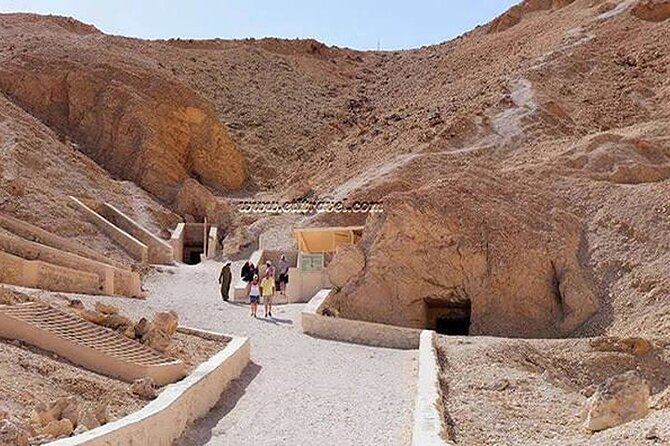
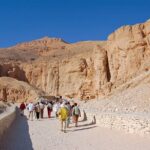
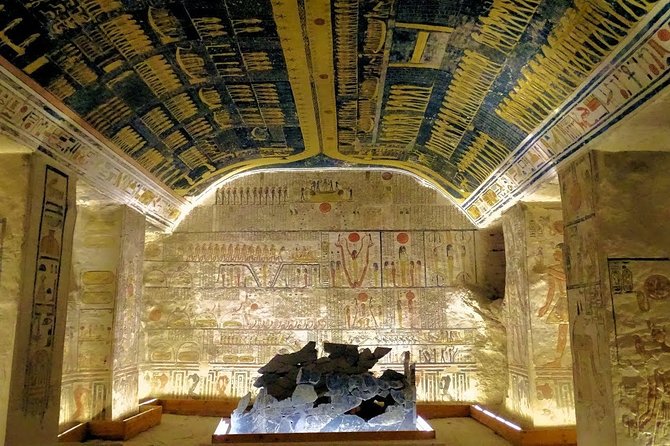
The day starts at the Valley of the Kings, one of Egypt’s most dramatic burial landscapes. The valley holds 63 royal tombs from the New Kingdom era, around 1500 B.C., and that range matters. You’re not seeing one “random tomb”—you’re visiting a whole burial project that evolved over time.
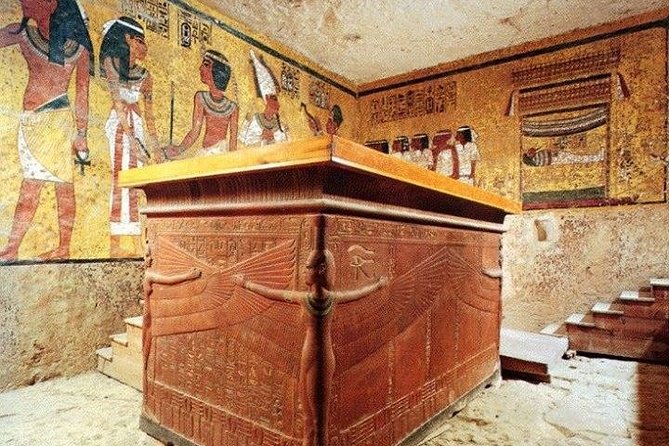
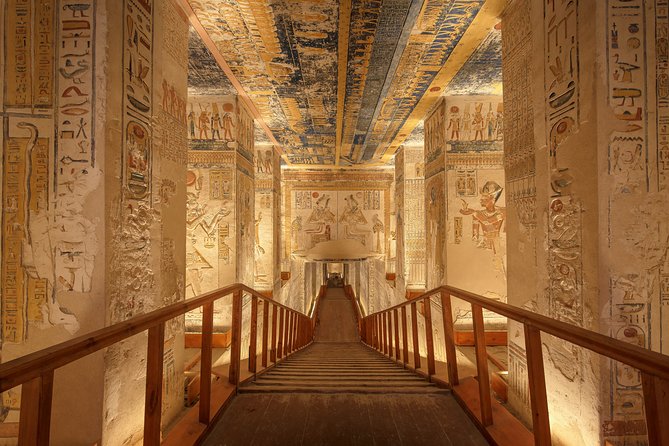
What I find especially compelling is the reason these tombs were put here. The West Bank was chosen for practical survival. The dry environment helped protect the tombs, and the limestone conditions were important for preserving the spaces where mummies and tomb contents were meant to remain hidden from robbers. That practical logic makes the artistry hit harder. When you understand the fear of theft and the focus on secrecy, those carved scenes stop feeling decorative.
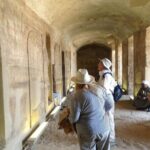
Expect to spend about 1 hour 30 minutes at the Valley of the Kings, with the admission ticket included. Your guide will point you toward the kinds of details that make these walls special: religious inscriptions and carvings tied to how pharaohs understood the afterlife and the rituals that supported it.
A quick reality check: tombs aren’t a quick photo stop. You’ll want to listen while you walk, because the whole point is reading the symbolism as much as seeing the stone.
Temple of Hatshepsut: how Senenmut shaped a queen pharaoh’s message
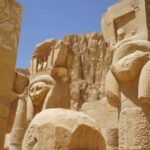
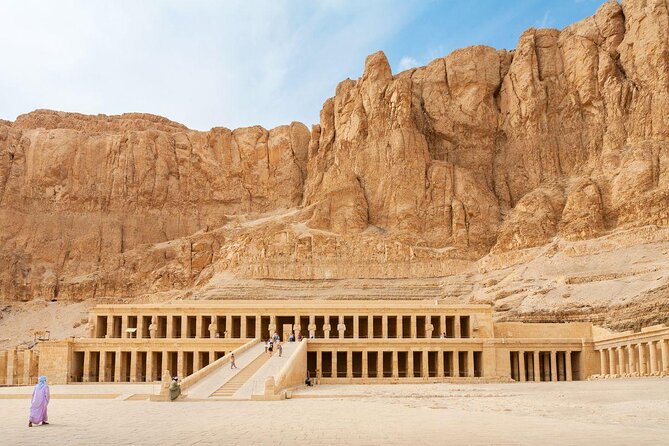
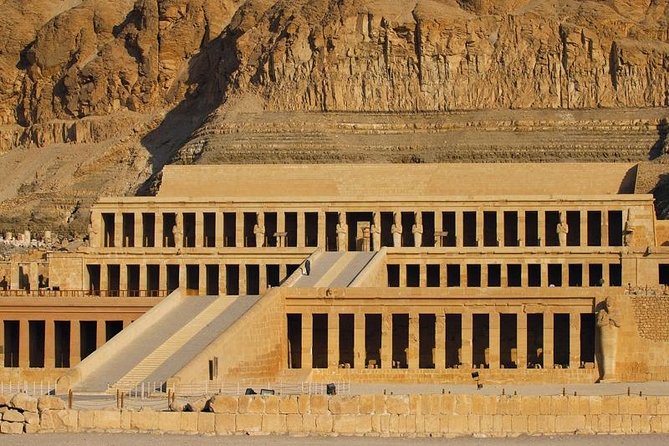
Next comes the Temple of Queen Hatshepsut, one of Luxor’s standout places for architecture and storytelling. This temple is famous for its unique style, and you can feel that right away when you’re walking the spaces and noticing how the structure supports the message.
The big themes you’ll hear about are twofold. First, you’ll see inscriptions connected to a royal journey connected to what the temple describes as a trip to Punt(land), a legendary source of valued goods. Second, you’ll encounter scenes tied to the divine birth of Hatshepsut—the kind of visual messaging ancient rulers used to legitimize power in spiritual terms.
Your tour information also connects the design and construction to Senenmut, identified as the high priest and architect linked to building the limestone mortuary temple around 1503 B.C. Having that name in your head helps the visit feel less like vague grandeur and more like authored propaganda.
You’ll spend about 2 hours at Hatshepsut’s temple, again with the admission ticket included. That time is key. This is not a place you understand by sprinting. Even if you’re not a textbook reader, you’ll start recognizing patterns: royal claims, divine framing, and the way the temple turns those ideas into stone.
If you like your sightseeing with meaning—not just monuments—this stop is usually the one people remember most.
Colossi of Memnon: giant sandstone statues and a legend near the granary
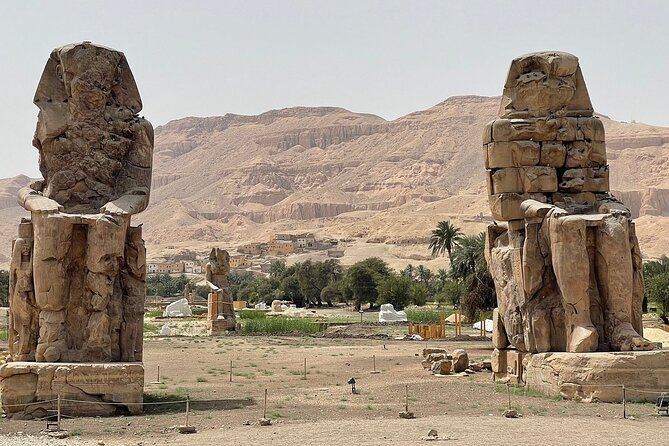
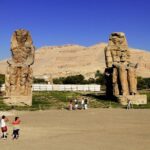
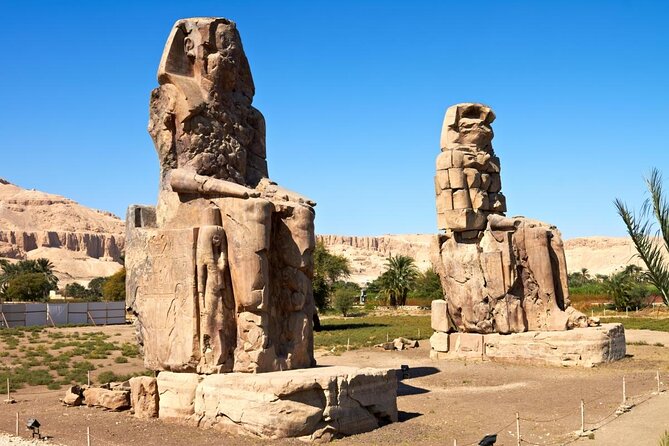
The final stop is the Colossi of Memnon, where the scale does the talking. These statues are described as gigantic figures sculpted from sandstone, and they look larger than their photos. They also have presence. Even when you know the “what,” you still feel the “how big” the moment you’re close.
The tour includes the legendary story connected to them, explained near a granary area. That kind of local framing matters because the Colossi are more than a landmark. They’re part of a much longer chain of interpretation, and the story you hear gives the statues a human angle—something to connect to beyond size.
Plan for about 30 minutes here, with the admission ticket included. This is the shortest stop, and that’s normal. You’ll get enough time to understand the legend and look at the figures closely, without the tour dragging on.
If you’re short on time in Luxor, this structure is smart: long, meaningful time at tombs and the mortuary temple, then a quick finish with the iconic statues.
Your Egyptologist guide: what makes it feel different
The guide is the heart of the experience. The tour is set up around a qualified Egyptologist who stays with you throughout and helps answer your questions as you move between sites.
In the feedback for this tour, one name pops up: Amr. The comments highlight that he explains things clearly and helps if you run into issues during the trip. That matters more than people expect. In Egypt, details can shift—timing, crowd flow, and which paths make the most sense that day. A guide who can translate what you’re seeing into real context makes your time feel efficient.
Even when your interest level is casual, the right guide changes what you notice. Instead of thinking, I’m looking at old stuff, you start thinking, this is how rulers built a worldview—and then tried to last beyond death.
If you’re the kind of person who likes questions, this tour gives you room to ask. It’s also a good fit if you want someone to steer you away from getting lost in generalities.

Timing, tickets, and air-conditioned sanity
This is a private tour with pickup and drop-off. You’ll be collected when you’re on the way to the West Bank area, including crossing the Nile toward the West Bank. That’s a big deal for half-day tours. You don’t want your day consumed by coordinating transport before you even start seeing.
The vehicle is air-conditioned, and the tour includes bottled water. Those two points sound small until you’ve been walking in warm sun and you realize how much energy heat costs. The tour also includes private transportation plus all fees and taxes, which reduces the usual line-up of surprise costs.
A practical plus: you’ll receive a mobile ticket. That tends to make entry smoother because you’re not scrambling with paper.
One more detail worth noting: the tour lists that it’s near public transportation and includes group discounts. But since it’s private for your group, you’re really buying control over pace and attention—your group’s rhythm, not a mass shuffle.
Price and value: what $180 buys you here
At $180 per person, this is not the cheapest way to do the West Bank. So let’s talk value.
You’re paying for three things at once:
- The Egyptologist guide for the full route, which is where most of the learning value comes from
- Private transportation with air-conditioning, pickup, and drop-off
- Admission tickets included for all three stops, plus all fees and taxes
If you tried to piece this together on your own, you’d likely end up spending time coordinating transport, figuring out ticket access, and losing the guided explanations that connect the sites into a single story. That story connection is the real value here.
Also, the itinerary is condensed for a reason. It’s built as a half-day with enough time at each stop to feel like more than a drive-by, but not so long that you lose focus. When the pacing works, you enjoy the places instead of just checking boxes.
If your goal is one solid West Bank experience without a whole-day commitment, this pricing feels fair.
Who should book this West Bank half-day tour
This tour is a strong match if you:
- Want the big three West Bank experiences in a single run: Valley of the Kings, Hatshepsut’s temple, and Colossi of Memnon
- Appreciate guided explanations that help you understand what you’re looking at
- Prefer private, group-only logistics rather than waiting around in a larger group
- Have limited time in Luxor and want to make your hours count
It’s also a reasonable choice if you’re traveling as a history-minded couple, a small family, or a group of friends who don’t mind walking and keeping a steady pace.
Just keep in mind the stated requirement: moderate physical fitness. This isn’t framed as for mobility challenges, so plan accordingly if you need extra support.
What to plan around (meals and energy)
Lunch is not included. That means you should plan your timing so you’re not hungry and cranky during the middle stop. If you do want food, you’ll need to handle it independently.
The tour includes water, which helps, but you’ll still want your own strategy for staying comfortable and alert.
Should you book this West Bank half-day tour?
Book it if you want a focused West Bank experience with a guide who can explain the meaning behind the tombs and temples, not just point them out. The combination of Valley of the Kings + Hatshepsut + Colossi of Memnon is efficient and memorable, and the included tickets reduce friction.
Skip it (or consider a different format) if you want a long, slow wandering day, or if you know you’ll struggle with the moderate physical demands of tomb and temple areas. Also, if you hate the idea of ending after a shorter visit, you might prefer an expanded route.
For most people doing Luxor on a time budget, this is a smart, well-structured way to hit the highlights without losing the plot.
FAQ
What is included in the tour price?
The tour includes bottled water, private transportation in an air-conditioned vehicle, all fees and taxes, admission tickets for the Valley of the Kings, Temple of Hatshepsut, and the Colossi of Memnon, a private Egyptologist guide, sightseeing as mentioned, and pickup and drop-off.
How long is the half-day West Bank tour?
It’s listed as approximately 5 to 7 hours. The sightseeing stops are about 1 hour 30 minutes at the Valley of the Kings, 2 hours at Hatshepsut’s Temple, and 30 minutes at the Colossi of Memnon, plus travel time.
Does the tour include pickup and drop-off?
Yes. Pickup service and drop-off are included, and the guide picks you up when you cross the Nile river toward the West Bank.
Are admission tickets included?
Yes. Admission tickets are included for all three stops: the Valley of the Kings, the Temple of Hatshepsut, and the Colossi of Memnon.
What is not included in the tour?
Tipping is not included, and lunch and personal expenses are not included. Anything not mentioned as included is also not included.
What kind of fitness level do I need?
The tour asks for a moderate physical fitness level.
Can I cancel for a full refund?
Yes, you can cancel for a full refund if you cancel at least 24 hours before the experience’s start time. Free cancellation is offered, but cancellations made less than 24 hours before start time are not refunded.