REVIEW · LUXOR
04 Nights Nile Cruise From Luxor to Aswan
Book on Viator →Operated by Truly Egypt Tours · Bookable on Viator
A Nile cruise is the fastest way to see Egypt’s big sights. This one-way trip from Luxor to Aswan stacks temple time into a tight route with private guides handling the details. I like the built-in flow of daily sightseeing plus sailing, and I like that you get A/C transfers from the start. The main drawback to consider is that your experience can feel uneven if a booking is brokered—one reported issue involved a long stop at Vodafone for a SIM card before continuing.
You’ll get a practical schedule: check in, tour major sites, then sleep on the water for four nights. It’s a good plan if you want to reduce travel stress between cities and still hit places like Karnak, Edfu, Kom Ombo, and the Aswan dam complex. Still, don’t underestimate the timing of early visits and the fact that monument entry fees and tipping aren’t included.
If you go in with a clear head—expect some busy days and bring sun protection—you’ll be in good shape. The overall rating is strong, and the best parts tend to be the cruise staff and the way the sailing breaks up the sightseeing.
In This Review
- Quick hits before you book
- One-way Luxor to Aswan: where the value comes from
- Getting onboard: A/C transfers and check-in that start the trip smoothly
- Day 1: Karnak Temple and the Luxor kickoff you’ll remember
- Day 2: Valley of the Kings, Hatshepsut, Colossi—then sailing toward Edfu
- Valley of the Kings
- Hatshepsut Temple
- Colossi of Memnon
- Day 3: Edfu Temple, Kom Ombo, and afternoon tea on a Nile schedule
- Edfu Temple
- Kom Ombo Temple
- Day 4: Abu Simbel optional choice, plus felucca and Aswan’s big monuments
- The Abu Simbel option
- Felucca ride in Aswan
- Aswan on the itinerary’s clock
- Day 5: High Dam, Old Dam, Unfinished Obelisk, then you’re out
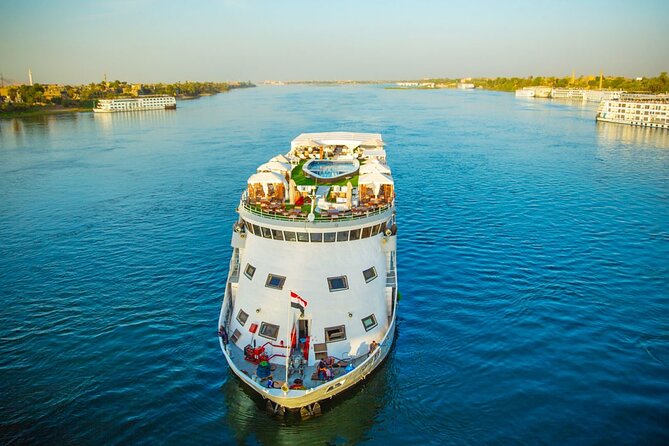
- Food, comfort, and the pool question on a 5-star cruise claim
- Price and value: what $398 covers, and what doesn’t
- How to protect your day if your booking is brokered
- Who this Nile cruise is best for
- Should you book this Luxor to Aswan Nile cruise?
- FAQ
- What’s included in this Luxor to Aswan Nile cruise package?
- Are monument entry fees included?
- Is Abu Simbel included?
- Do I need a visa before I arrive?
- How long is the trip?
- How big is the group?
- Are there pickup and drop-offs?
- What’s the cancellation policy?
Quick hits before you book
- Luxor to Aswan, one direction means less backtracking and more time on the water
- Private guide time during the planned tours helps you get context fast
- Full board with breakfast, lunch, dinner simplifies meal planning
- Felucca ride in Aswan gives you a calmer change of pace from temple days
- Optional Abu Simbel lets you choose how far to push your itinerary
- Max 25 travelers keeps the group from turning into a cattle-car day
One-way Luxor to Aswan: where the value comes from
This cruise is designed around a simple idea: you shouldn’t need separate tickets, separate transfers, and separate hotels just to see Egypt’s headline sites. Going one-way from Luxor to Aswan is a big deal for value, because it removes a lot of the “move again tomorrow” headache. You sleep on the boat, wake up near the next stop, and keep your days packed.
The route also matches the geography well. Luxor gives you the classics in the west and the temple world in the east, then you sail through the Nile corridor toward Edfu and Kom Ombo. Finally, you reach Aswan, where you get both modern history (the dams) and the optional blockbuster outing to Abu Simbel.
One thing to watch: the itinerary is efficient, not slow. That usually means earlier starts and tighter pacing inside the sites. If you hate rushing, you’ll want to build a little mental buffer for each busy day.
You can also read our reviews of more boat tours in Luxor


Getting onboard: A/C transfers and check-in that start the trip smoothly
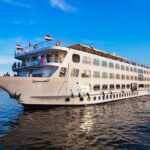
From the moment you arrive, the plan is built to reduce friction. You’re offered pickup from Luxor Airport or the railway station, using an air-conditioned vehicle, and you get transferred to the cruise to check in before lunch. That early organization matters because it sets the tone for the whole experience.
You’ll also see the practical touch of having a mobile ticket, which tends to make day-of logistics easier. And since the group is capped at 25 travelers, you’re less likely to lose track of your guide in a crowd.
Here’s the consideration that can change everything: a published concern described how a representative stopped for more than an hour at a Vodafone location to buy a SIM card before continuing the day. I can’t tell you whether that will happen on your trip, but it’s a strong reminder to plan for schedule gaps when you’re dealing with any brokered arrangement. If you need exact timing, ask whoever confirms your booking how the first-day pickup will work and what the first stops are.
Day 1: Karnak Temple and the Luxor kickoff you’ll remember
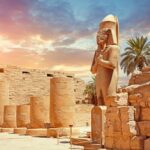
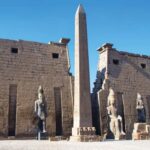
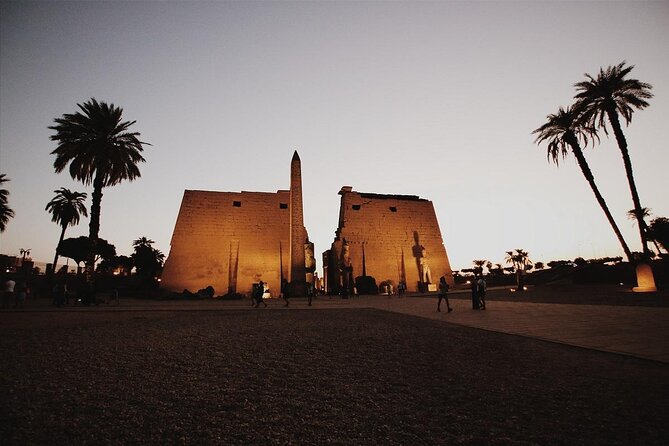
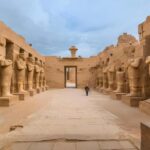
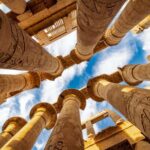
After lunch and settle-in time, the big highlight on Day 1 is Karnak Temple. This is one of those places where you feel small on purpose—in a good way. Karnak is not one building; it’s a whole complex of halls, columns, and sacred spaces that explain how monumental ancient Egypt could be.
With a private guide included, you’re not just wandering through stone. You get the story of why certain areas mattered, how the temple was used, and what to look for as you move through the grounds. That kind of context turns a long walk into something you can actually connect with.
The overnight in Luxor matters too. It keeps your first day focused on the city highlight and gives you a chance to adjust after travel. If you’re arriving from outside Egypt or a different timezone, this is the kind of cushioning that helps.
Day 2: Valley of the Kings, Hatshepsut, Colossi—then sailing toward Edfu
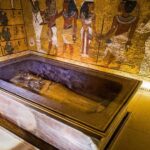
Day 2 is the heavy-hitter morning: the Valley of the Kings, the Temple of Hatshepsut, and the Colossi of Memnon. This is one of the most concentrated days of ancient Egypt you can pack into a schedule without turning it into chaos.
Valley of the Kings
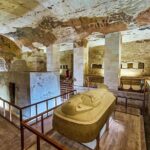
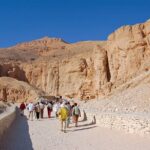
The Valley of the Kings is famous because it was the royal burial landscape for pharaohs. Practically, it’s also where you’ll want to manage your expectations. Tomb interiors can be dim and tight, and they can feel similar if you try to see too many quickly. A guide helps you choose what to prioritize and what details actually matter.


Hatshepsut Temple
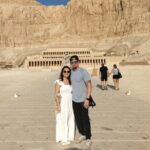
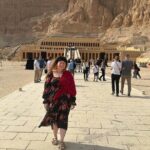
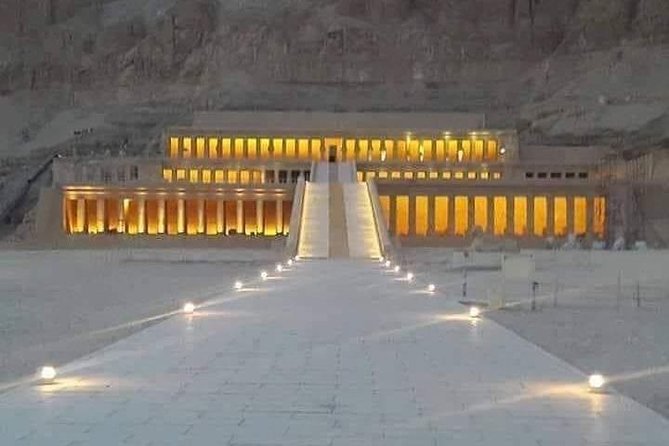
Hatshepsut’s mortuary temple is visually striking and easier to appreciate than many enclosed spaces. It’s a place where you’ll understand power and propaganda in stone—who built what, and why it was meant to last.
Colossi of Memnon
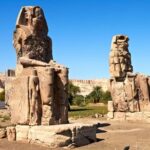
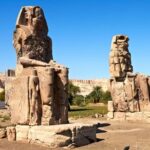
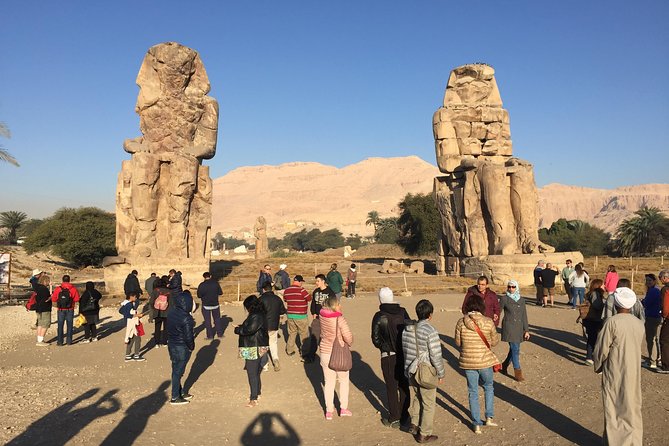
Then you get the Colossi of Memnon, two massive statues that still feel dramatic even as standalone monuments. It’s a good way to break up the day before you shift into travel mode.
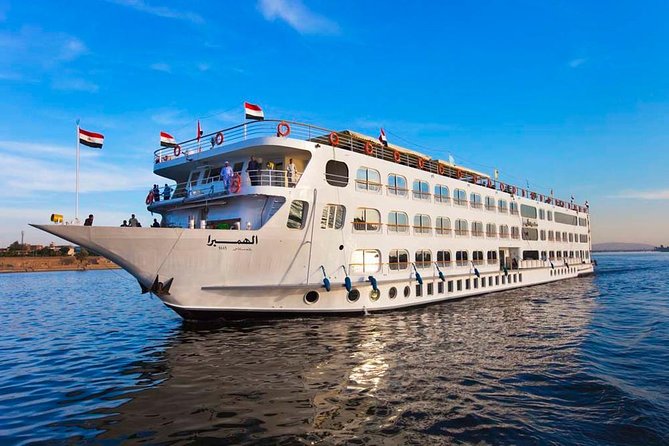
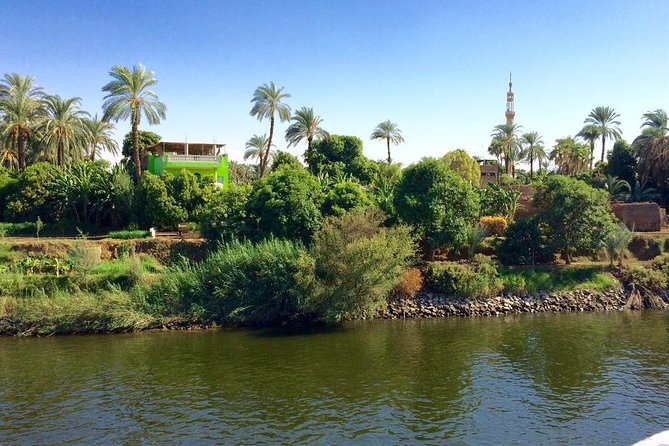
After the sightseeing, you sail toward Edfu via Esna. This is where the cruise format earns its keep. Instead of sitting in a bus all day, you’re transitioning by boat, so the schedule doesn’t feel like one long grind.
Day 3: Edfu Temple, Kom Ombo, and afternoon tea on a Nile schedule
Day 3 pairs two major temple stops, which is ideal because Edfu and Kom Ombo are very different experiences. You’ll visit Edfu Temple first, then sail to Kom Ombo. There’s also afternoon tea, which is one of those small inclusions that can make a packed day feel more human.
Edfu Temple
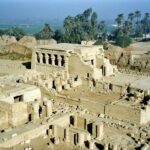
Edfu is one of the best-preserved temple sites in Egypt, and it’s especially impressive if you like clarity and order in your ancient buildings. With a guide, you’ll understand what the temple was for and how the layout connects to the gods and rituals.
Kom Ombo Temple
Kom Ombo shifts the vibe. It’s built with a dual aspect—two sets of themes in one complex—so you’ll feel a different kind of focus as you move through. This is also a great day to slow down for photos and details, because you’ve already learned enough basics to spot what changes between sections.
After Kom Ombo, you sail on to Aswan for the overnight. That travel-to-sleep pattern is one reason cruises work for many people: you don’t need to plan a new hotel check-in after each temple.
Day 4: Abu Simbel optional choice, plus felucca and Aswan’s big monuments
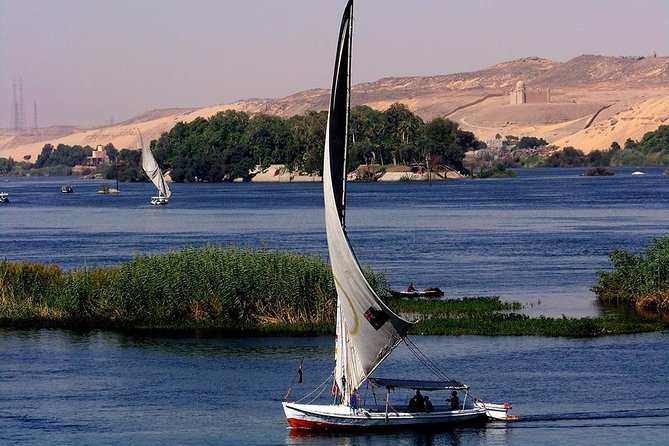
Day 4 is where Aswan starts to feel like Aswan. The itinerary includes an optional Abu Simbel tour, plus lunch on board and a felucca ride around some of the islands.
The Abu Simbel option
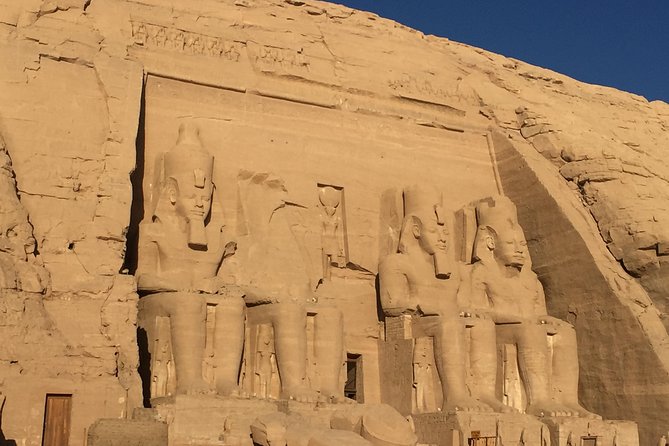
Abu Simbel is the kind of visit that can either be a highlight or a headache, depending on your interests. The fact it’s optional is a gift, because it lets you choose based on your energy level and how much you want to travel in one day. Since optional tours aren’t included, you should expect extra costs and extra time if you add it.
If you do go, take it seriously as an all-day commitment. It’s not just another temple stop. It’s a once-in-a-while kind of trip, which is exactly why they give you the option.
Felucca ride in Aswan
The felucca ride is a welcome contrast to temple days. This is where the Nile turns slow, and you get a different pace than walking corridors of stone. Even if you’ve been in cities all week, the water and light here feel like a reset button.
Aswan on the itinerary’s clock
Even though Day 4 is about the islands and Abu Simbel choice, the dam story starts to line up for you. That sets up the next morning’s visits to the High Dam, Old Dam, and the Unfinished Obelisk.
Day 5: High Dam, Old Dam, Unfinished Obelisk, then you’re out
After breakfast, you disembark and immediately hit the Aswan monument set: High Dam, Old Dam, and the Unfinished Obelisk. This combination works because it spans two eras of Egypt—ancient stone work and modern engineering.
- The High Dam is the landmark of Egypt’s modern water and power story.
- The Old Dam shows how the approach evolved over time.
- The Unfinished Obelisk is a fascinating look at craftsmanship and production limits. You’re seeing the quarry work that didn’t reach completion, which adds an honest layer to the usual polished monuments.
Once the morning is done, you’re transferred to Aswan Airport or the railway station. That keeps the end of your trip from turning into a logistics scramble.
Food, comfort, and the pool question on a 5-star cruise claim
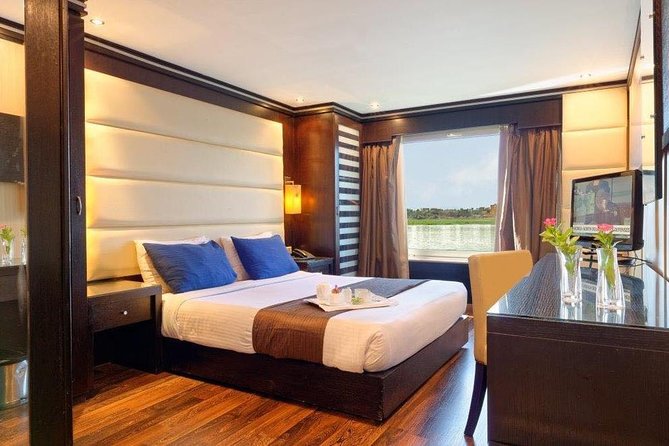
The included meals simplify the biggest day-to-day decision: what to eat. Your plan includes breakfast, lunch, and dinner across the cruise, which usually means you won’t be hunting for food between visits. I like that kind of certainty when the days are busy.
One review concern mentioned the food being OK and also pointed out a shallow, uncovered pool with harsh sun. You may or may not care about that, but it’s worth noting because it affects downtime. If you love lounging outdoors, bring sunscreen and think about shade. If you don’t spend much time at the pool, this becomes a non-issue.
Also remember: on a Nile cruise, most people are outside during temple times. So comfort is less about spending hours by the pool and more about having a cool place to shower, recharge, and sleep.
Price and value: what $398 covers, and what doesn’t
At about $398, this is positioned as a value route for four nights of cruising plus multiple major sites. The biggest value lever is not just the cruise itself. It’s the combination of private guide fees, A/C transport, and the fact that the itinerary is built around famous stops you’d otherwise need multiple separate day trips to visit.
That said, here’s what to watch:
- Entry fees to monuments and museums are not included.
- Tipping is not included.
- Visa fees aren’t included (you can get a visa at the airport as noted in the info).
- Optional tours aren’t included, including Abu Simbel if you add it.
If you’re trying to budget accurately, plan for monument entry fees and any add-ons. For many people, that’s where the final cost can jump from “good deal” to “good deal but don’t forget the details.”
How to protect your day if your booking is brokered
One of the most important practical takeaways from the information you have is that the experience can depend on who brokers the trip. That doesn’t automatically mean you’ll have problems. It does mean you should reduce uncertainty.
Here’s how I’d protect myself:
- Before departure, confirm your pickup details and ask whether the first day includes any extra stop-offs.
- If a SIM or phone-number support is part of the process, ask where and how long the stop should be.
- Keep your patience for the transfer ride, but don’t accept vague timelines if you have tight connections later.
The good news is that the cruise staff and the cruising portion are highlighted as the best parts in the overall feedback you have. So even if day-one logistics wobble, you still have a strong core experience waiting: sailing, guided temple visits, and Aswan’s calmer water moments.
Who this Nile cruise is best for
This is a smart choice if you:
- Want a one-way Egypt plan that saves time between Luxor and Aswan
- Prefer having a private guide rather than relying on self-guided wandering
- Like structured days but still want the Nile sailing to break up the pace
- Are comfortable with a busy schedule and want to see multiple headline sites in a short window
If you’re the type who needs lots of free time each afternoon, you might find the daily touring intensity tiring. This route is built for “see the key sites,” not “linger slowly.”
Should you book this Luxor to Aswan Nile cruise?
I’d book it if you want strong value for a concentrated route, especially if you appreciate having guiding and transfers handled. The route hits the big names—Karnak, the Valley of the Kings, Edfu, Kom Ombo, and the Aswan dam set—while including the felucca ride that gives you a lighter, scenic break.
I’d hesitate if you hate any chance of schedule interruptions on pickup days, or if you’re counting every minute for later connections. If you do book, the best move is simple: confirm what happens on the first transfer day and ask about any extra stops like SIM purchases.
If you go in prepared—sun protection, realistic pacing, and a budget for monument entry fees—you’ll get a highly efficient Nile experience with a lot of meaning packed into four nights.
FAQ
What’s included in this Luxor to Aswan Nile cruise package?
You get air-conditioned transfers from and to the airport or railway station, accommodation for 4 nights on a 5-star cruise with full board (breakfast, lunch, dinner), a Nile cruise, tour guide fees, and the listed tours with private transport in an A/C car. The felucca ride in Aswan is included as well.
Are monument entry fees included?
No. Entry fees to monuments and museums are not included, and tipping is also not included.
Is Abu Simbel included?
It’s listed as an optional tour. If you choose to add it, it’s not included in the base package.
Do I need a visa before I arrive?
Visa fees aren’t included. The information says you can get a visa at the airport when you arrive.
How long is the trip?
It runs for about 5 days with 4 nights on the cruise, traveling one-way from Luxor to Aswan.
How big is the group?
The maximum group size is 25 travelers.
Are there pickup and drop-offs?
Yes. The tour offers pickup and drop-off from Luxor Airport or the railway station and from Aswan Airport or the railway station, using air-conditioned transport.
What’s the cancellation policy?
You can cancel for a full refund up to 24 hours in advance. The information also notes weather can affect the experience, with an offer of a different date or a full refund if canceled due to poor weather.