REVIEW · LUXOR
Private Full Day Tour of Luxor West and East Bank Tombs & Temples
Book on Viator →Operated by Ancient Luxor Tours · Bookable on Viator
Luxor feels personal with Ali Sayed. This private full-day route across Luxor’s west and east banks pairs an Egyptologist guide with major temples and tombs—so you’re not just looking, you’re understanding. You also get hotel pickup and a comfort-first ride in a luxury, A/C car.
Two things I really like: the way the guide explains what you’re seeing so it clicks fast, and the laid-back pace that leaves room for questions and photos. In particular, Ali Sayed’s clear English and calm, positive vibe show up again and again in the reviews, with guests praising his ability to answer questions and keep things enjoyable—not rushed or chaotic.
One consideration: admission tickets are not included for several stops, so budget extra for site entry. The Colossi of Memnon is listed as free, which helps, but Karnak, Hatshepsut (Deir el Bahari), the Valley of the Kings, and Luxor Temple will still need separate tickets.
In This Review
- Key points before you go
- Luxor West and East Banks: What This Private Day Really Delivers
- Getting Picked Up in a Proper A/C Car (and Starting Calm)
- Karnak Temple: The East Bank’s Mind-Blowing Scale (and How to Read It)
- Deir el Bahari and Hatshepsut’s Temple: A Pharaoh’s Statement in Stone
- Valley of the Kings: Tombs, Power, and the Tutankhamun Story
- Colossi of Memnon: The Free, Photo-Friendly Break Your Day Thanks You For
- Luxor Temple at the End: Finish With a Temple Built for Daily Life
- Price and Value: Why $25 Can Still Be a Good Deal
- What the Reviews Say You’ll Feel During the Tour (Without the Hype)
- Who This Tour Fits Best (and Who Might Want a Different Plan)
- Should You Book This Luxor West and East Bank Tour?
- FAQ
- What sites does this private tour include?
- How long is the tour?
- Is hotel pickup and drop-off included?
- Do I get a guide during the tour?
- Are admission tickets included?
- Is water provided?
- Is this tour private or shared?
- Where do I meet for the tour?
- Is this tour suitable for most travelers?
- Can I cancel for a full refund?
Key points before you go
- A private day with Egyptologist storytelling: You get context at each major site, not just a walk-through.
- Karnak’s big ideas in a single visit: Avenue of Sphinxes, the Hypostyle Hall with 134 columns, major obelisks, and the Sacred Lake.
- Hatshepsut at Deir el Bahari: See the temple of Egypt’s rare female pharaoh in a setting that feels made for dramatic history.
- Valley of the Kings plus Tutankhamun context: Learn why Tut’s tomb was discovered nearly intact in 1922 and how Howard Carter fits in.
- A free highlight: Colossi of Memnon is included at no entry cost.
- Time for photos without feeling squeezed: Multiple reviews mention the guide making room to take pictures and set a comfortable rhythm.
Luxor West and East Banks: What This Private Day Really Delivers
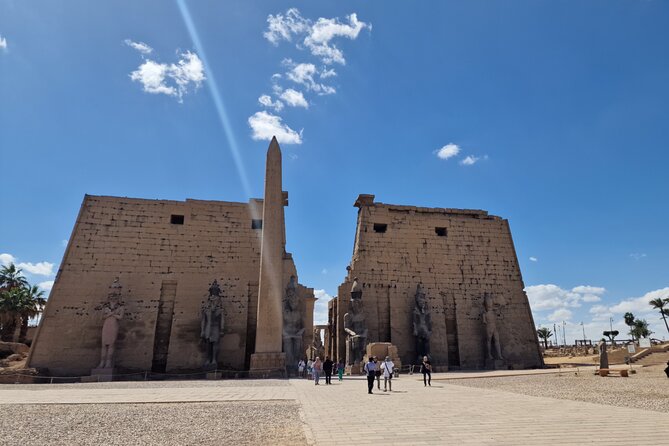
Luxor is famous for a reason. In one day, you can see two different faces of ancient Thebes: the east bank where temples rose for worship, and the west bank where kings prepared for eternity. This tour is designed to give you both, without the usual pain of coordinating transport and guides on your own.
The big win here is guidance. If you’ve ever stood in front of giant carved walls and thought, Okay… but what am I looking at, you’ll appreciate an Egyptologist’s explanations. The guide’s job is to turn stone into story—so you recognize symbols, understand who was ruling, and connect monuments to the timeline of pharaohs.
Because it’s private, you also get a more natural pace. Reviews specifically mention Ali Sayed balancing strong context with time to explore and take photos. That matters in Luxor, where crowds and heat can make a “quick tour” feel like a grocery run.
You can also read our reviews of more private tours in Luxor
Getting Picked Up in a Proper A/C Car (and Starting Calm)
The day starts with hotel pickup and drop-off, which is a relief in Luxor. Instead of figuring out where to meet, negotiating taxis, or juggling a dozen small logistical questions, you just go to the lobby and wait for the car.
You’ll ride in a first-class air-conditioned luxury car, and you get a bottle of water each. That combo sounds basic, but it changes the whole experience. Luxor can be hot and bright, and you want your energy for temples, not for sweating your way between them.
For most people, this is a doable day. The itinerary is built around major sites and guided time on site (not endless trekking). Still, it’s a full day, so if you’re prone to heat exhaustion, you’ll want to pace yourself and plan for a slower rhythm when you’re outside.
Karnak Temple: The East Bank’s Mind-Blowing Scale (and How to Read It)
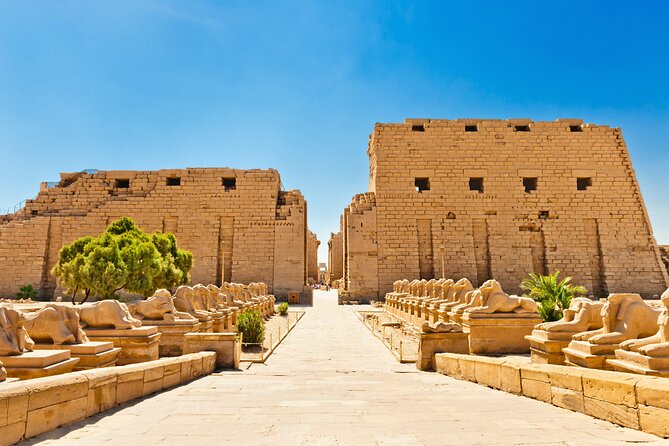
Karnak is where Luxor flexes. Even before you get into the details, the layout is a lesson: this complex was built in different reigns, layer upon layer, which means you’re seeing changing political power across generations.
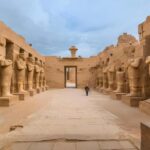
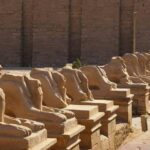
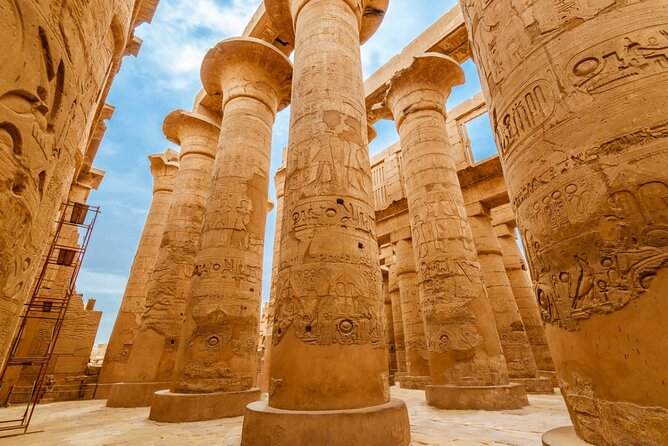
You’ll visit the Avenue of Sphinxes, then move into the Hypostyle Hall, known for its 134 gigantic columns. That’s the kind of number that stays in your head, but the real value is what the guide helps you notice—how space was shaped for ritual movement, how architecture supports theology, and how symbols repeat with meaning.
You’ll also see major markers like the Obelisks of Queen Hatshepsut and Tutomosis I, plus the Temple of Amon with decorative themes such as lotus and papyrus. Another highlight is the Sacred Lake, which helps explain how the temple wasn’t just a building—it was part of a sacred world.
Time tip: you get around 2 hours at Karnak. That’s enough to see the big pieces without feeling like you’re speed-running. If you like photography, Karnak is where you’ll want it. The reviews mention the guide making time for photos, and in a place like this, that’s a gift.
Ticket reality: admission is not included for Karnak. Plan for it so you don’t hit a last-minute paywall at the entrance.
Deir el Bahari and Hatshepsut’s Temple: A Pharaoh’s Statement in Stone
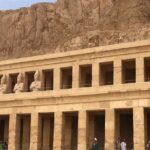
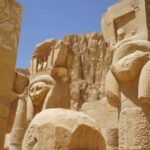
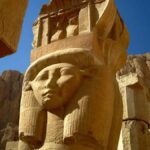
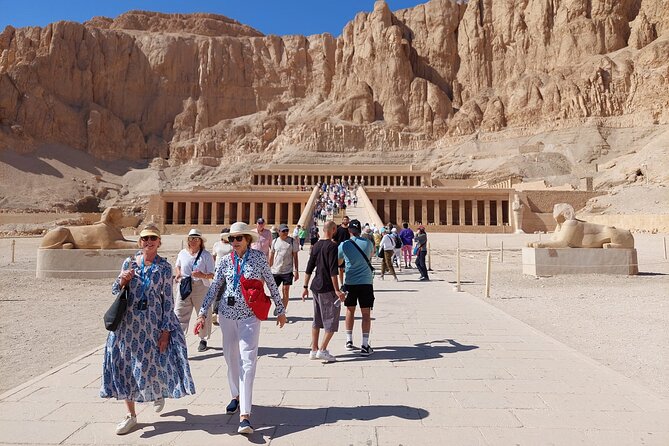
After Karnak, the tour heads to the west bank area for Temple of Queen Hatshepsut, at Deir el Bahari. This stop is special because it’s about a rare kind of power. Hatshepsut is noted here as the only woman ever to reign over Egypt as Pharaoh, and as an ancestor connected to King Tutankhamen’s dynasty.
What I like about this part of the day is the setting. Deir el Bahari feels cinematic, and the architecture is designed to feel staged—like the temple is built to be approached with respect. With an Egyptologist guide, you’ll understand why that matters and what the carvings and structure were meant to communicate.
You get about 2 hours at Hatshepsut’s temple. That time is important. It’s not a quick “look and go” site; it rewards slow looking. If you ask questions, this is the kind of stop where explanations land hard.
Ticket reality: admission is not included here either. Budget for entry.
Valley of the Kings: Tombs, Power, and the Tutankhamun Story
Then you move deeper into the west bank’s necropolis world: the Valley of the Kings. This is the place where royalty wanted to be remembered long after life ended.
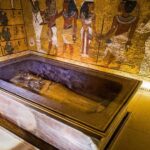
The tour visits multiple royal tombs, including Ramses III, Ramses IV, and Merenptah. And then there’s the obvious star attraction: Tutankhamun’s tomb. This tour’s description makes the connection clear—Tut’s tomb is described as the only tomb in the Valley of the Kings discovered nearly intact in 1922, and it names Howard Carter as the discoverer.
You won’t just hear a headline about the discovery. With a guide explaining what you’re seeing, you get a clearer sense of why the near-intact nature of the find mattered, and how the tomb’s status still shapes how people talk about Egypt’s archaeology today.
Practical note: you’ll spend about 2 hours at the Valley of the Kings. That’s a solid window for tomb interiors without feeling like you’re racing from doorway to doorway.
Ticket reality: admission is not included for the Valley of the Kings. If you’re trying to keep the day smooth, you’ll want the funds ready for entrances before you get there.
A few more Luxor tours and experiences worth a look


Colossi of Memnon: The Free, Photo-Friendly Break Your Day Thanks You For
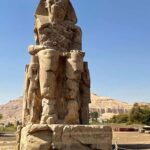
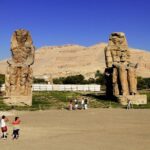
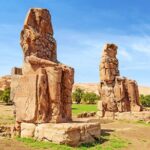
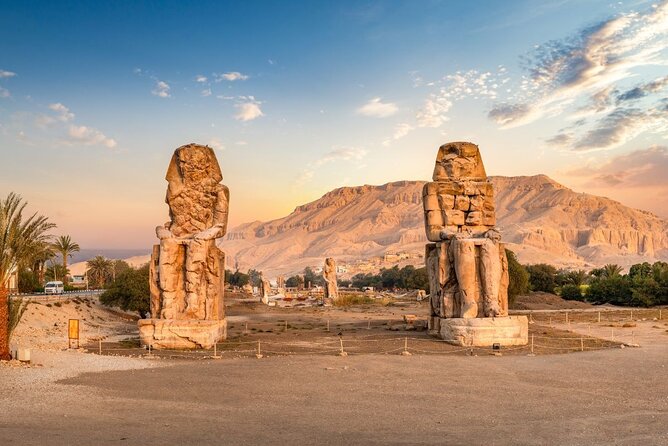
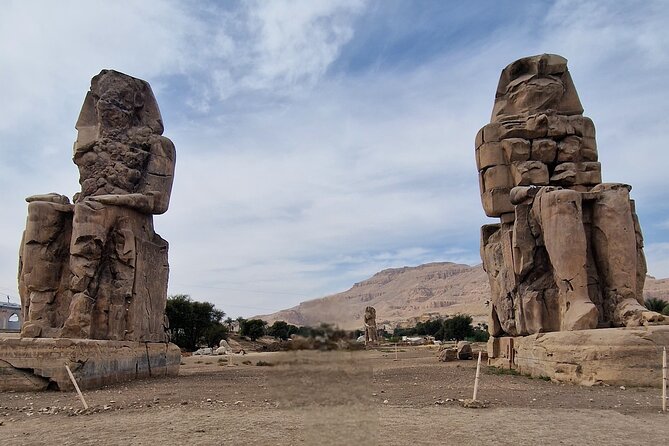
After the tombs, you’ll see the Colossi of Memnon—two of the largest ancient statues in Egypt. They date to the era of King Amenhotep III, which gives you a nice anchor after the Valley of the Kings’ focus on later rulers.
This stop is listed as free admission, and it works as a breather in the middle of a full day. It’s not just that it costs nothing—it’s that it gives your eyes a moment of open space after close-up tomb visiting.
You’ll spend about 1 hour here. If you like photos, this is often a relief spot: you can step back, frame, and shoot without the same indoor constraints as the tomb interiors.
Luxor Temple at the End: Finish With a Temple Built for Daily Life
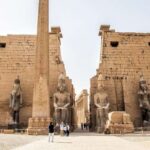
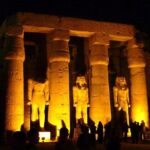
To wrap up, the tour goes to Luxor Temple, dedicated to the Theban Triad: Amun-Ra, Mut, and Khonsu. You’ll also see granite statues of Ramses the Great.
Luxor Temple helps balance the day. After tombs and massive ancient compounds, it brings you back into a temple setting tied to worship and mythic roles. It’s a good closing stop because it feels less like an extreme “final resting place” and more like a living center of religion.
You get about 1 hour at Luxor Temple. That’s enough time to notice key features and let the day’s stories connect.
Ticket reality: admission is not included for Luxor Temple.
Price and Value: Why $25 Can Still Be a Good Deal
At $25 per person, the pricing is low compared to what many private guided days cost in major tourist cities. The value is in what you’re actually buying: a private tour, an Egyptologist guide, hotel pickup and drop-off, A/C transport, and bottled water.
But here’s the fair, practical part: several of the top sites require separate admission tickets. So your total day cost isn’t just the $25. Still, even with entry fees added, the value can remain strong because you’re not paying for multiple separate services like taxi + guide + planning.
If you’re weighing this against DIY sightseeing, ask yourself what you’re saving. DIY can be cheaper on paper, but you’ll spend time matching tickets, routes, and explanations. An Egyptologist can turn your visits into a coherent story—especially at places like Karnak, where so much changes across reigns.
What the Reviews Say You’ll Feel During the Tour (Without the Hype)
The strongest theme from the reviews is how the guide handles the balance between facts and comfort. Ali Sayed comes up repeatedly for:
- strong, clear English
- staying polite and attentive
- explaining enough context to actually understand what you’re seeing
- answering questions without making you feel rushed
- making space for photos and not cramming people into a tight schedule
One review also praised the guide for not overloading with information, while still keeping things interesting. That’s exactly the sweet spot for this kind of day. Temples and tombs are intense. You want a guide who respects attention spans and heat, not one who turns every minute into a lecture.
Who This Tour Fits Best (and Who Might Want a Different Plan)
This tour is a great match if you want:
- a private, east-and-west bank highlights day
- guided explanations so the monuments make sense
- a relaxed pace that still covers major sites
It’s especially suitable for people who don’t want to spend their limited Luxor time figuring out logistics. If you’re traveling with family, couples, or friends who want a shared experience with built-in guidance, private is the way to go.
If you’re the type who prefers ultra-slow museum-style wandering and long stays at fewer locations, you might find a full highlights route like this a bit packed. In that case, consider a slower plan with fewer sites.
Should You Book This Luxor West and East Bank Tour?
I’d book it if you want maximum Luxor value in one day and you care about understanding what you see. The mix of Karnak, Hatshepsut, the Valley of the Kings, Colossi of Memnon, and Luxor Temple hits the big emotional notes—scale, power, myth, and mortality—all in one loop.
I would hesitate only if you hate paying separate entry fees or you want a super slow itinerary. Since admission tickets are not included for most stops, you need to budget a bit beyond the headline price.
If you can work with that, this is one of those Luxor days that tends to stick with you—because the storytelling makes the stone feel alive.
FAQ
What sites does this private tour include?
You’ll visit Karnak Temple, the Temple of Queen Hatshepsut at Deir el Bahari, the Valley of the Kings (including multiple royal tombs and Tutankhamun’s tomb), the Colossi of Memnon, and Luxor Temple.
How long is the tour?
The duration is listed as approximately 4 to 8 hours.
Is hotel pickup and drop-off included?
Yes. The tour includes hotel pickup and drop-off.
Do I get a guide during the tour?
Yes. You’ll have an expert Egyptologist guide.
Are admission tickets included?
No. Admission tickets are not included for several stops. Colossi of Memnon is listed as free admission, but tickets are not included for Karnak, Hatshepsut (Deir el Bahari), the Valley of the Kings, and Luxor Temple.
Is water provided?
Yes. You get a bottle of water each.
Is this tour private or shared?
It’s private. Only your group participates.
Where do I meet for the tour?
The ticket redemption point is listed as Luxor, Luxor City, Luxor, Luxor Governorate, Egypt.
Is this tour suitable for most travelers?
The tour states that most travelers can participate.
Can I cancel for a full refund?
Yes. The policy allows free cancellation up to 24 hours in advance for a full refund.