A quiet morning gets you out of Luxor traffic and into two of Egypt’s best temples. I like the Egyptologist guide for making sense of what you’re seeing, and I like the private A/C transport that keeps the day comfortable. You’ll start early, but the payoff is a focused temple route with less crowd stress than you’d expect.
One consideration: temple entry tickets aren’t included, so your final cost will be a bit higher at booking-time. The day is also scheduled with about two hours at each major site, so you’ll want to pace yourself if you like to linger.
In This Review
- Key things to know before you go
- From Luxor hotel pickup to temple time: what makes this day work
- Temple of Hathor in Dendera: the early start that pays off
- Abydos and the Osiris Temple: what to look for beyond the walls
- The comfort factor: A/C private vehicle and real downtime
- Price and value: $82.06 per person with smart trade-offs
- A balanced look at timing: two temples, no filler, but go in prepared
- Who should book this private Dendera and Abydos tour?
- Should you book? My call for most Luxor visitors
- FAQ
- FAQ
- Where does this tour start?
- How long is the tour?
- Is the tour private?
- What time is pickup in Luxor?
- Do you visit Dendera and Abydos?
- Who provides the guide?
- Are temple admission tickets included?
- What transportation is provided?
- What does the tour price include?
- What is the cancellation policy?
Key things to know before you go
- 7:00 AM pickup from Luxor so you hit Dendera early and keep the day moving.
- Temple of Hathor in Dendera gives you a strong start with the goddess of love and joy.
- Abydos’ Osiris Temple is known for very well-preserved wall paintings of gods and pharaohs.
- Private, Egyptologist-led context helps you read the symbolism instead of just walking past it.
- A/C vehicle + bottled water makes the long day feel manageable.
- Admissions excluded means you should budget for separate entry fees in advance.
From Luxor hotel pickup to temple time: what makes this day work
This is the kind of day trip that stays pleasant because the plan is simple. You get picked up from your Luxor starting point, ride in a private A/C vehicle, and spend your time on two key sites rather than bouncing around with stops that feel like filler.
The private format matters more than it sounds. When it’s just your group, your guide can slow down for questions and adjust pacing when you want photos, explanations, or a breather. You also avoid the feeling of being herded, especially on temple days when your energy can dip fast.
You’re also paying for real time with an Egyptologist, not just a driver. The guide is qualified and fully licensed, and that changes how you experience the carvings. Instead of treating the walls like decoration, you learn what you’re looking at and why it mattered to Egyptians.
One more practical point: the tour is typically booked about 60 days in advance on average. If you’re traveling at a busy time or you have tight dates in Luxor, I’d treat it as something to lock in early rather than waiting.
You can also read our reviews of more private tours in Luxor


Temple of Hathor in Dendera: the early start that pays off
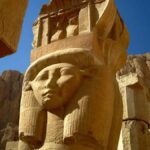
You start around 7:00 AM, traveling north from Luxor to Dendera for the Temple of Hathor. Your first stop is designed to set the tone fast. Hathor is tied to the goddess of love and joy, so even before you get lost in the details, you get a clearer sense of what this temple is trying to say.
You’ll have about two hours here. That sounds short on paper, but it’s actually a solid amount of time if you’re using your guide to point out the big themes and the most important visual sections. You won’t be rushing blindly—your guide can help you decide what to focus on first, then work your way through the rest at a comfortable pace.
Dendera is also a strong choice for the first site because it’s approachable. Temple days in Egypt can sometimes feel overwhelming: walls everywhere, symbols everywhere, and no obvious starting point. Starting with a major, well-known temple concept (Hathor) gives you a framework, so the rest of the day clicks more easily.
Practical tip: wear comfortable shoes and plan for sun. Even in an early start, the Egyptian sun doesn’t care about your schedule. Bring sunglasses and a hat if you use them, and use the bottled water timing wisely (don’t wait until you’re already thirsty).
Also plan mentally for this: entry is not included. You’ll want to handle admission on the day, so set aside a little time and keep some cash/payment option ready depending on how you’re instructed at pickup.
Abydos and the Osiris Temple: what to look for beyond the walls
After Dendera, you head to Abydos, where the ancient Egyptians believed the lord of the underworld was buried. That belief gives the site a dramatic edge right away. This isn’t just a temple stop; it’s tied to ideas about the afterlife, and that’s a major reason Abydos has such gravity.
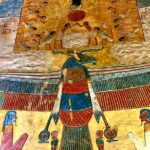
In Abydos, you focus on the Osiris Temple, associated with King Seti I and completed by King Ramsess II. This is where the day becomes more visually rewarding. The wall paintings of gods and pharaohs at the Osiris Temple are described as among the best preserved in Egypt, which means you’re less likely to feel like you’re guessing at worn details.
You’ll spend about two hours at this stop as well. That’s enough time to see the major areas without feeling like you’re speed-walking. If you like temple art, spend your first part of the visit getting your bearings—then use your guide’s explanations to spot patterns in the scenes rather than treating each panel as separate.
Here’s how I’d approach it as a viewer: try to connect people and roles. When you learn which gods are being shown and how pharaohs are presented, the paintings stop being random and start reading like a message. That’s the value of pairing Abydos with an Egyptologist guide. You get to understand the “why,” which makes the “what” more satisfying.
Two considerations:
- This is still a long day. You’re going from Luxor to Dendera to Abydos and back, so pace matters.
- Entry tickets are again not included. Plan for it so you aren’t doing math in the moment and rushing your experience.
The comfort factor: A/C private vehicle and real downtime
One of the easiest ways to judge tour value is to ask what kind of stress the transport adds. This one is built around a private A/C vehicle with round-trip transfers from your Luxor hotel. That’s not a small detail. In Egypt, temple time is often the highlight, but heat and travel can steal your focus if you’re not comfortable.
The tour also includes bottled water during your trip. You still need to use common sense—don’t ignore thirst and don’t assume you can power through the heat—but it’s a helpful base level of care for a full day.
Because it’s private, you’re also less likely to be stuck waiting on other groups. That matters when timing is everything. A temple day can turn frustrating if you’re constantly catching up or starting late. Here, your guide is organizing the day so you can stay on schedule without feeling like a passenger in someone else’s timetable.
Price and value: $82.06 per person with smart trade-offs
At $82.06 per person, this tour is priced like a practical way to get two big temple hits in one day, with a guide and private transport. What you’re paying for is not only the sites—it’s the combination of:
- a fully licensed Egyptologist guide
- private transfers in an A/C vehicle
- bottled water
- service charges and taxes included
The trade-off is straightforward: admission to Dendera and Abydos isn’t included, and tipping isn’t included either. So your total budget won’t match the headline price unless you account for those extras.
Still, the value can make sense, especially if you care about interpretation. A cheap tour that drops you off with minimal context can leave you staring at carvings without the story. With a guide, you’ll spend your energy understanding rather than just sightseeing.
If you’re comparing options, use this rule of thumb:
- If you want history explained in the moment, this is strong value.
- If you only want a basic transfer and self-guided wandering, you might prefer a cheaper arrangement—though you’ll likely miss the “why.”
A few more Luxor tours and experiences worth a look


A balanced look at timing: two temples, no filler, but go in prepared
This day is built around a simple two-stop flow: Dendera first, then Abydos. You’ll have about two hours at each major site, plus travel time. That structure keeps it from becoming a half-day tour with not enough time, but it also means you’re unlikely to feel like you have unlimited hours to “slow travel.”
That’s the main drawback to consider: if you’re the type who likes to sit, sketch, and linger for a long time in the shadows, the schedule might feel tight. On the other hand, if you’re a “see the highlights and get the meaning” person, the timing is exactly right.
A helpful move: at each temple, decide what success looks like for you before you enter. For example, pick:
- one big visual theme to understand,
- one area to photograph confidently,
- and one short moment to just stand back and take it in.
That way you won’t feel pressured to do everything.
Who should book this private Dendera and Abydos tour?
This tour is a great fit if you:
- want an Egyptologist-led day rather than a casual drive-and-walk tour
- care about understanding the temples, especially the wall scenes at Abydos
- prefer private attention so your day doesn’t depend on other people’s pace
- can handle a full day away from Luxor, with an early start around 7:00 AM
It’s also a good option if you’re temple-focused. Many Egypt trips put the “must-see” monuments at the top of the list, but Dendera and Abydos can end up feeling like the meaningful peak for people who love the details of ancient religious art and symbolism.
If you’re traveling with limited time in Luxor and you want two high-impact sites with comfort and context, this is the kind of day trip that makes sense.
Should you book? My call for most Luxor visitors
I’d book it if you want a day that feels structured, comfortable, and educational. The combination of licensed Egyptologist guidance, A/C private transport, and the two strong temple stops gives you a satisfying mix of meaning and visuals without wasting hours on unnecessary extras.
I’d think twice if you don’t want to pay for separate temple admission and prefer a looser, self-paced schedule. In that case, you might feel boxed in by the plan and the two-hour blocks.
If you’re unsure, consider this: Dendera sets the emotional and symbolic tone with Hathor, and Abydos rewards you with the best-preserved painting experience. Put together, it’s a pairing that can feel like more than the sum of its parts.
FAQ
FAQ
Where does this tour start?
It starts in Luxor, Egypt, and the tour includes picking you up from your starting point and returning you afterward.
How long is the tour?
The duration is about 8 hours.
Is the tour private?
Yes. It’s a private tour/activity, so only your group participates.
What time is pickup in Luxor?
Pickup is about 7:00 AM.
Do you visit Dendera and Abydos?
Yes. You visit the Temple of Hathor in Dendera first, then you continue to Abydos for the Osiris Temple.
Who provides the guide?
A qualified and fully licensed Egyptologist guide leads the tour.
Are temple admission tickets included?
No. Entry/admission tickets for Dendera and Abydos are not included.
What transportation is provided?
You travel by private A/C vehicle, with round-trip transfers from your Luxor hotel or starting point.
What does the tour price include?
The price includes transfers, the Egyptologist guide, bottled water, and all service charges and taxes. It does not include temple admissions or tipping.
What is the cancellation policy?
Free cancellation is available up to 24 hours in advance for a full refund. If you cancel less than 24 hours before the start time, the payment isn’t refunded.