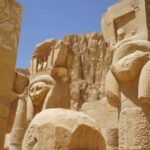
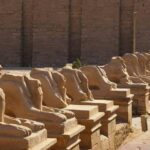
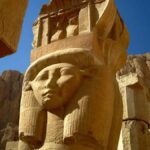
If you want ancient Egypt with zero guesswork, this helps. This private 5-day luxury Nile cruise from Luxor to Aswan strings together the big-name sites with an Egyptologist guide, smooth transfers, and full-board service on a 5 ship—so you can spend your energy looking up at temples, not organizing bus routes. I love how the itinerary mixes signature stops like Karnak and Hatshepsut with quieter moments like the Colossi of Memnon. I also like the built-in downtime on the sundeck and the included sunset felucca. One possible drawback: you’ll be on the go from site to site each day, with some stops timed fairly tightly, so comfort depends on how you handle steady sightseeing.
Key points at a glance
- Private Egyptologist guide who explains what you’re seeing, not just where to stand.
- 5 luxury Nile cruise, full board, with breakfast, lunch, and dinner included.
- Top temple sequence from Luxor to Aswan, including Karnak, Luxor Temple, Valley of the Kings, Deir el Bahari, and Philae.
- UNESCO-relocated Philae Temple setting in its landscaped island environment.
- Aswan sunset felucca ride included, plus a visit to the Aswan High Dam.
- Private transfers and meet-and-assist, with pickup offered from Luxor airport, train station, or hotel.
In This Review
- Luxury Cruise Comfort: What 5 Full Board Means Day-to-Day
- Luxor Day 1: Karnak and Luxor Temple Without the Confusion
- Day 2 in Thebes: Valley of the Kings, Hatshepsut, and Quick Hits
- Day 3 Eastward Move: Horus Temple and the Double Temple of Kom Ombo
- Day 4 Aswan Classics: Philae Temple, High Dam, and Sunset Felucca
- Day 5 Departure: Checking Out and Getting to the Next Step
- The Guide Factor: What You Gain from a Private Egyptologist
- Included Entries and Full-Board Meals: The Value Math That Matters
- Your Ship on Specific Days: Which Names You Might See
- Who This Luxor-to-Aswan Cruise Fits Best
- Should You Book This Private Luxury Nile Cruise?
- FAQ
- How long is the private Nile cruise from Luxor to Aswan?
- What’s included in the tour price?
- Are pickup options available in Luxor?
- Do I get meals during the cruise?
- Which sites are covered during the 5 days?
- What if I need to cancel?
Luxury Cruise Comfort: What 5 Full Board Means Day-to-Day
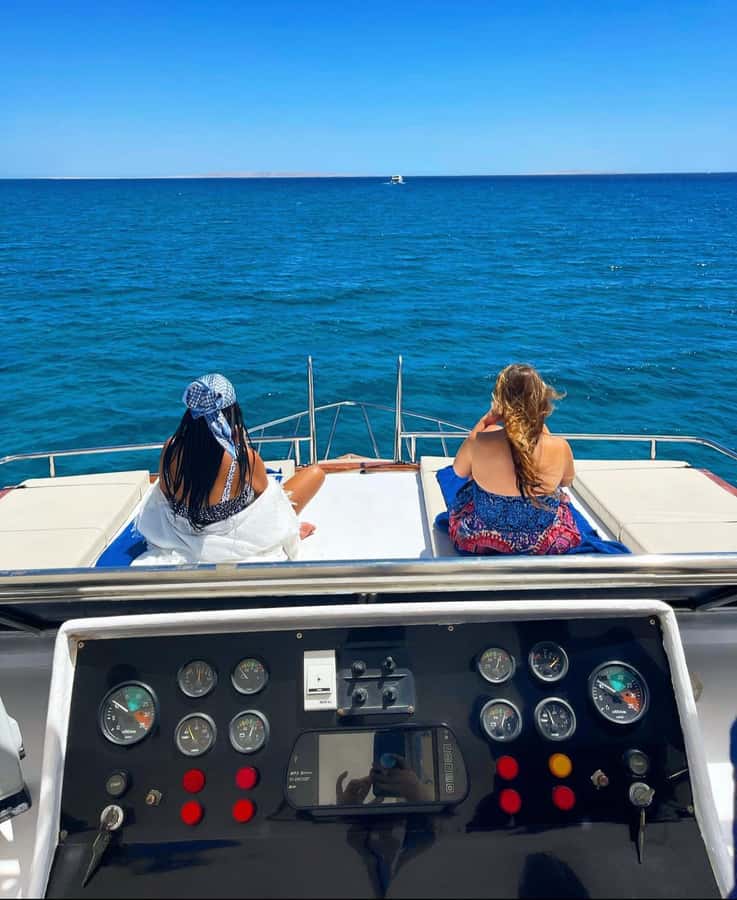
This is a luxury Nile cruise that’s designed to feel easy. You get four nights on board a 5 ship, and meals are handled with breakfast, lunch, and dinner included throughout the cruise period. That matters in Egypt, because once you’re between Luxor and Aswan, meals and timing can otherwise become your job.
Because it’s private, your group keeps the pace. You’re not squeezed into a crowd of strangers or forced into somebody else’s tour rhythm. Also, the tour includes a private deluxe air-conditioned vehicle for the moving parts on land, which cuts down on the usual stress of coordinating transport.
You still have to do the sightseeing work (temples and tomb areas require walking and standing), but the schedule is organized so you aren’t constantly switching gears from one random guide to another.
Luxor Day 1: Karnak and Luxor Temple Without the Confusion
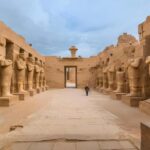
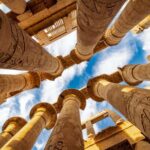
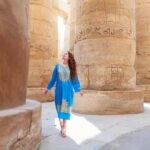
Day 1 is all about setting the stage. Karnak Temple is the huge temple complex devoted largely to Amun Ra, and it’s the kind of place where scale hits you first. The stop is timed at about 2 hours with admission included, which is a good length for taking in the main areas without feeling rushed to the finish line.
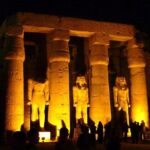
Then you head to Luxor Temple, also dedicated to Amun Re. What I like about this pairing is that it gives you a clean contrast: Karnak feels vast and layered, while Luxor Temple reads more like a focused centerpiece in the center of ancient Thebes.
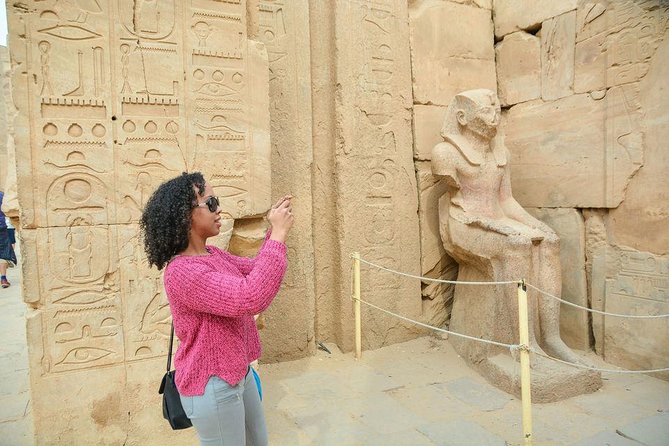
If you’ve ever stared at temple maps and thought, I have no idea what I’m looking at, this is a strong day for fixing that. A good Egyptologist guide can connect the dots between the different phases and purposes of the temples, and it makes the carvings feel less like random stone.
You can also read our reviews of more boat tours in Luxor


Day 2 in Thebes: Valley of the Kings, Hatshepsut, and Quick Hits
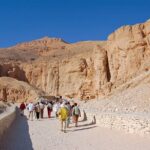
Day 2 is where the itinerary turns intense—in a good way. You start at the Valley of the Kings, the royal cemetery where many pharaohs were buried. The stop is about 2 hours and includes admission, so you have time to see major areas and get a sense of the setting that made this valley the logical place for royal tombs.
Next is Temple of Hatshepsut at Deir el Bahari. This mortuary temple was built during the reign of Queen Hatshepsut, and it’s often remembered for its masterful design. You’ll get around 2 hours here with admission included. If Karnak and Luxor Temple are about grand religious complexes, Deir el Bahari is about geometry, power, and a ruler’s legacy carved into the desert edge.
After that, the schedule moves through a few standout sculptures:
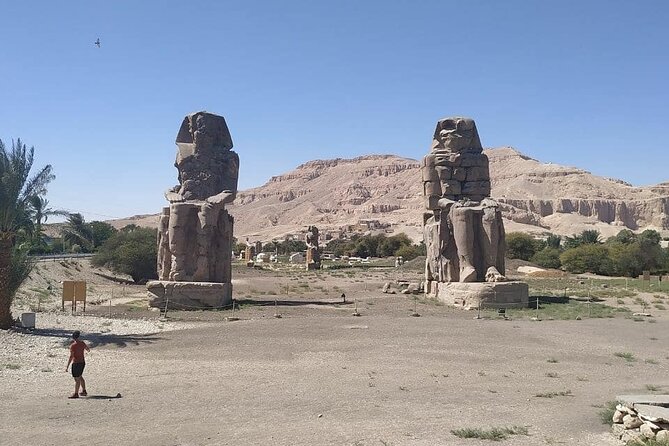
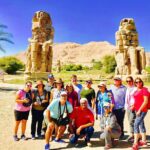
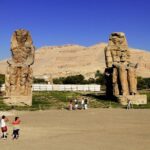
- Colossi of Memnon (about 30 minutes), two massive stone statues of Amenhotep III.
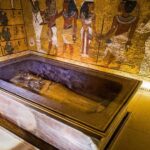
- Tomb of Tutankhamun (KV62) (about 20 minutes). Even with a short time slot, the value is in seeing the tomb setting itself with the context a guide can provide.
Here’s the consideration: some parts of this day are deliberately time-compact. If you’re the type who wants to linger for an extra hour in one tomb or keep scanning every carving detail, you may feel the clock more on Day 2 than you do on the other days.
Day 3 Eastward Move: Horus Temple and the Double Temple of Kom Ombo
Day 3 continues the “Egypt you can actually understand” approach by hitting strong monuments with clear themes. You start at the Temple of Horus, a Ptolemaic temple built between 237 and 57 BC. It’s known as one of the best-preserved ancient sites, and that preservation is easy to appreciate when you’re standing in front of intact roof sections and seeing how the building still feels enclosed and dramatic. The stop runs about 2 hours with admission included.
Then comes Kom Ombo’s Temple of Kom Ombo, famous for being a rare double temple. It was constructed in the Ptolemaic dynasty and later added onto in Roman times. The stop is timed at about 2 hours with admission included.
Why this matters: a double temple tends to confuse people if they don’t know what they’re looking for. With an Egyptologist guide, you can usually sort out which parts relate to which cult spaces. That turns “I saw a lot of columns” into “I understand the layout and the intent.”
Day 4 Aswan Classics: Philae Temple, High Dam, and Sunset Felucca
Day 4 is the bridge between ancient worship spaces and modern Egypt’s engineering reality. You start at Temple of Philae, dedicated to Isis, set in a landscaped area created after the temple was relocated by UNESCO when the Aswan Dam threatened the original site. You get about 2 hours here with admission included.
What I like about this stop is the way it forces you to think about time. The carvings are ancient, but the island setting is modern, and that combination gives you a practical perspective on how heritage preservation changes what you can visit today.
Next is the Aswan High Dam, about 40 minutes with admission included. It’s a significant modern structure built across the Nile between 1960 and 1970. Even if you’re not a civil engineering fan, this visit helps explain why water control became such a defining issue for Egypt in the 20th century.
Then you get an included 1-hour Nile felucca ride in Aswan during sunset time. This is one of those moments that balances the day. Temples can be exhausting for the brain; a slow boat on the Nile gives your eyes a break and lets you take in the river feeling without adding extra planning.
Day 5 Departure: Checking Out and Getting to the Next Step
Day 5 is shorter and practical. After breakfast, you check out, and then a representative accompanies you to Aswan airport, Aswan train station, or Aswan hotels. The information also notes transport back to Cairo, so your end plan depends on how you’re traveling out.
This final day is ideal if you don’t want a last-minute temple sprint right before leaving. It helps you transition from cruise mode to logistics mode without a hard pivot.
You can also read our reviews of more guided tours in Luxor

The Guide Factor: What You Gain from a Private Egyptologist
The difference between a standard tour and a truly satisfying one is often your guide. In the feedback I’ve seen for this kind of experience, a standout theme is feeling comfortable and getting real explanations, not just a list of dates.
One guide name that came up is Ahmed, and the key takeaway was that he made guests feel at ease while explaining what was in front of them. That’s exactly what you want when you’re visiting places like Karnak or the Valley of the Kings, where the site can feel overwhelming if you’re not given a way to read it.
Because this is private, you can ask questions without the tour voice getting lost over a busload of people. And because it’s an Egyptologist, you’re more likely to get interpretation that connects symbols, rulers, and purpose rather than only architecture trivia.
Included Entries and Full-Board Meals: The Value Math That Matters
At $1,250 per person, the price is not cheap. But it’s not random, either. You’re paying for a package that bundles:
- Entrance fees for the listed sites
- A private speaking professional guide
- Meet-and-assist in Luxor at the airport, train station, or hotel
- A private deluxe air-conditioned vehicle on land
- 04 nights aboard a 5 luxury Nile cruise
- Full board with breakfast (4), lunch (4), and dinner (4)
- Service charges and taxes
- Bottled water daily
Here’s how I’d frame value: if you priced this out on your own—ship, private guide time, entry tickets across multiple sites, and private transfers—the total usually climbs fast. This package helps because it standardizes the big ticket items and keeps you from getting surprised by “small” add-ons at each stop.
Just note what isn’t included: personal items like laundry and phone calls, and gratuities/tipping. If you hate thinking about tipping at the end of a long day, plan that into your budget now.
Also, the itinerary mentions a mobile ticket. That’s helpful when you want fewer physical items and smoother check-in.
Your Ship on Specific Days: Which Names You Might See
The tour info lists specific ship options tied to certain days of the week. For example, Mondays include ships like Ms Mayfair, Ms Mayflower, Ms Sonesta Moon, or Ms Sonesta St George. Saturdays list Ms Esplanade, Ms Concerto II, or Ms Jaz Viceroy, and Thursdays list options including Ms Le Fayan, Ms Miriam, or Ms Steigenberger Minerva.
You don’t need to obsess over the ship name to enjoy the experience, but it’s useful to know the cruise product may change slightly by departure day. The big point is that you’re still getting the same structure: 5 luxury Nile cruise service with the included temple program and guide.
Who This Luxor-to-Aswan Cruise Fits Best
This is a great match if you want:
- Private pacing and an Egyptologist guide you can actually talk to
- A classic Luxor-to-Aswan route without building the plan yourself
- A mix of major temple sites and shorter key stops
- Comfort between excursions, with your days ending back onboard
It’s also a strong option if your travel style values “done for you.” You still need curiosity and patience for the sites, but you don’t need to run around coordinating tickets or transportation.
One more practical note: the experience is listed as private, with only your group participating. That’s excellent if you’re traveling with family or friends and want the experience to feel personal rather than like a production line.
Should You Book This Private Luxury Nile Cruise?
Book it if your dream trip is: step on board, relax in between stops, and have somebody explain what you’re seeing—especially for Karnak, Valley of the Kings, and Deir el Bahari. With full-board service and entrance fees handled, you’re mostly buying time and clarity, not just transportation.
I’d hesitate if you know you’ll want a lot of free time to wander on your own at each site. The schedule includes time windows like 20 minutes at KV62 and 30 minutes at the Colossi of Memnon, which can feel short if you like deep solo pacing.
If you’re excited by the idea of a luxury ship experience paired with a focused ancient Egypt route, this Luxor-to-Aswan cruise is a solid pick.
FAQ
How long is the private Nile cruise from Luxor to Aswan?
It’s listed as 5 days (approximately) with 4 nights on board the luxury Nile cruise.
What’s included in the tour price?
The package includes meet-and-assist in Luxor, private deluxe air-conditioned vehicle service, 4 nights accommodation on a 5* cruise with full board, entrance fees for the listed sites, a private professional Egyptologist guide, bottled water daily, and service charges and taxes.
Are pickup options available in Luxor?
Yes. Pickup is offered from Luxor Airport, Train Station, or Luxor Hotel.
Do I get meals during the cruise?
Yes. Breakfast is included 4 times, and lunch and dinner are included 4 times each during the cruise days.
Which sites are covered during the 5 days?
The included stops cover Karnak Temple and Luxor Temple, Valley of the Kings, Temple of Hatshepsut at Deir el Bahari, Colossi of Memnon, Tomb of Tutankhamun (KV62), Temple of Horus, Temple of Kom Ombo, Temple of Philae, Aswan High Dam, and a Nile felucca ride in Aswan at sunset time, plus departure assistance on Day 5.
What if I need to cancel?
You can cancel up to 3 days in advance for a full refund. If you cancel less than 3 days before the experience start time, the amount paid is not refunded.