REVIEW · CAIRO
Cairo : Luxor East and West Banks Tour & Overnight SLEEPER Train Rounded trip
Book on Viator →Operated by Egypt Best Holidays · Bookable on Viator
Wheels plus wonders: you cover Luxor’s big hits fast. This Cairo–Luxor East and West Banks tour is built around an overnight sleeper train and a full day of temple time with an Egyptologist guide. I especially like how the Valley of the Kings + Hatshepsut + Karnak combo is packed into one logical route, and how transfers and onboard meals keep the trip from feeling chopped up.
You get a real guided day across the West Bank and East Bank, with air-conditioned vehicle transport and a small-group limit (max 15). One clear thing to weigh: entrance fees aren’t included, so your trip budget needs room for Egyptian pound ticket costs once you’re on the ground.
Key Points at a Glance
- Overnight sleeper train included both ways, with dinner and breakfast served onboard
- Egyptologist-style guidance during sightseeing, with English-speaking options available via the guide
- East + West Banks in one day, so you see both Karnak Temple and major West Bank monuments
- Hotel-to-station transfers in Cairo and Luxor by air-conditioned vehicle
- Student discount tip: your international student card can cut entrance fees by 50%
- Small group size (max 15) for a more manageable pace through the sites
In This Review
- Sleeper Train Cairo to Luxor: Why This Style of Trip Works
- Day 1 in Cairo: Pickup, Station Time, Then Lights Out
- West Bank Highlights: Valley of the Kings, Hatshepsut, and Colossi
- Valley of the Kings (Major Tomb Complex)
- Temple of Hatshepsut at Deir el Bahari
- Colossi of Memnon
- East Bank Icons: Karnak Temple and Luxor Temple
- Karnak Temple: The Monument You Can’t Fully See in One Go
- Luxor Temple
- Transfers, Timing, and How the Day Feels in Real Life
- Egyptologist Guidance: What You Gain Beyond Photos
- Meals Included on the Train: Small Comfort, Real Value
- Price and Value: What $350 Really Covers (and What Adds Up)
- Who This Luxor East and West Banks Tour Fits Best
- Should You Book This One? My Decision Guide
- FAQ
- What’s included in the tour price?
- Are entrance fees included?
- Does the tour include meals?
- How long is the whole experience?
- How big is the group?
- Are there airport/train-station transfers?
- Is there a discount if I’m a student?
Sleeper Train Cairo to Luxor: Why This Style of Trip Works
The best part of this experience is the logistics you don’t have to fight. Instead of losing a whole day to flying or driving, you sleep on the overnight sleeper train between Cairo and Luxor. That means the day you’re in Luxor is mostly for monuments, not transit.
You’ll also be fed. Dinner and breakfast are included on board at no extra charge (listed as free), which is a nice value add when you’re crossing long distances and trying to keep momentum. It’s one less thing to budget, and it reduces the chance you’ll spend your first Luxor hours hunting for food.
Comfort is the one variable you should accept up front with any sleeper train. Some people love the trade-off; others find it less restful than a hotel. If your priority is sleep quality, plan on a more “efficient travel day” mindset than a full recovery night.
Day 1 in Cairo: Pickup, Station Time, Then Lights Out
Day 1 is all about getting you from your Cairo or Giza hotel to the train station without hassle. You’re picked up, then transferred to board the overnight sleeper train to Luxor.
This is the kind of day that works best if you’re okay with a “show up, ride, repeat” flow. You’re not sightseeing in Cairo on this itinerary. You’re clearing the travel problem early so Day 2 can be packed.
The time block is listed as about 9 hours for this day. That’s a useful reality check: even if you don’t do anything touristy in Cairo that day, you still spend a good chunk of the evening and early night in transit. Bring a camera (it’s explicitly suggested) and consider having a small essentials pouch ready for the overnight portion.
You can also read our reviews of more tours and experiences in Cairo.


West Bank Highlights: Valley of the Kings, Hatshepsut, and Colossi
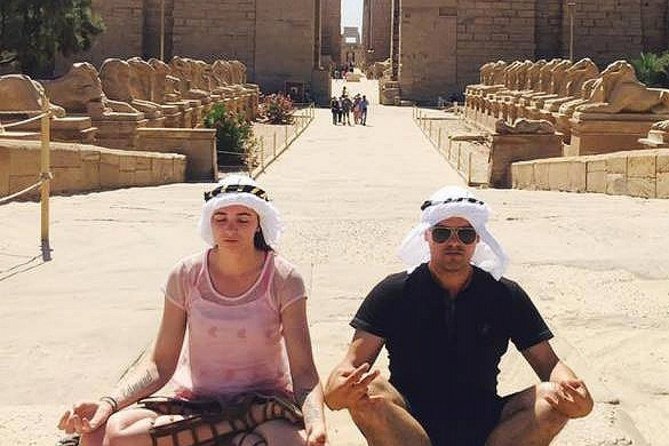
Your Luxor day starts on the West Bank, where the big stories of royal Egypt are written in tombs and mortuary temples. The order matters here because you’ll move from the most famous rock-cut tomb area to the dramatic temple terraces and then onto simpler monuments before crossing over to the East Bank later.
Valley of the Kings (Major Tomb Complex)
This is where you’ll spend about 2 hours. You’re visiting the last resting places of several pharaohs, including names like Tut-Ankh-Amon, Ramses VI, Merenptah, and others listed on the route. The key practical point: plan on paying entrance fees for monuments here. They’re not included, and you pay on-site in Egyptian pounds.
What I like about doing the Valley early in the day is that you get first-run energy. You’re with a guide who can explain the significance behind what you’re seeing, instead of just walking through rooms with no context.
Temple of Hatshepsut at Deir el Bahari
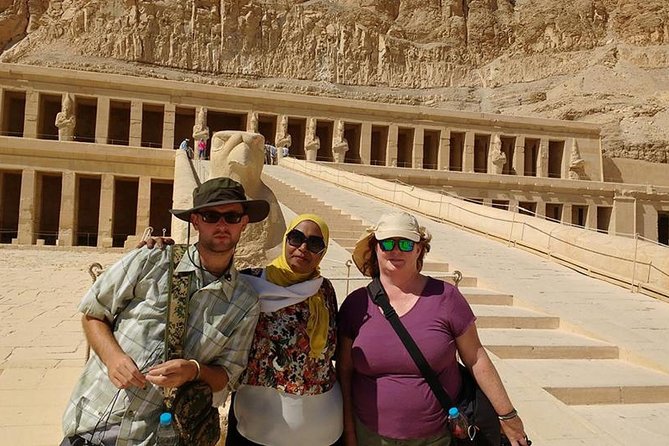
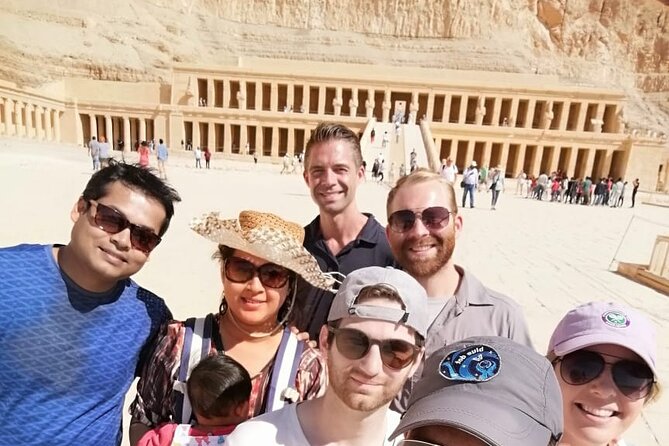
Next comes Deir el Bahari, the temple of Queen Hatshepsut. Expect about 1 hour 30 minutes here. This is more than a pretty setting. It’s tied to the rare story of Egypt’s female ruler, and the architecture and placement make it feel like a grand stage rather than a random ruin.
Again, entrance fees apply. But the payoff is that Hatshepsut is one of those stops that changes how people think about Ancient Egypt’s political reality.
Colossi of Memnon
You’ll then visit the Colossi of Memnon for about 40 minutes. This stop is listed with admission ticket free, which is a welcome breather in a day where some other sites cost extra. It’s also a good “reset” stop: you get big-scale atmosphere and an easier visual anchor before the more complex temple areas later.


East Bank Icons: Karnak Temple and Luxor Temple
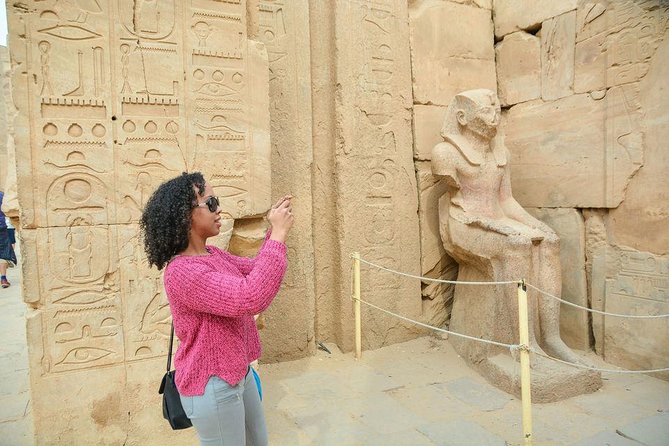
After the West Bank, you cross to the East Bank, where the vibe shifts from royal tombs to ceremonial worship. This is where Luxor earns its reputation as a temple city.
Karnak Temple: The Monument You Can’t Fully See in One Go
You’re scheduled for about 2 hours at Karnak Temple, and the description gives a clue about why: it covers a large complex with multiple temples and major architectural features.
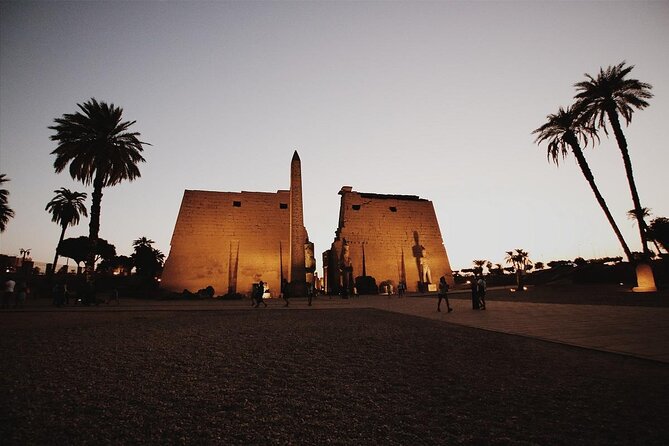
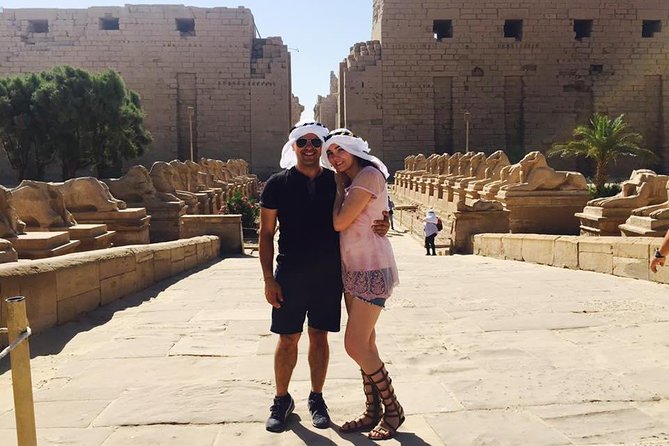
Karnak is huge—nearly a mile by two miles in the tour details—with more than 20 temples inside the complex. It includes major standouts like the Hypostyle Hall and the Temple of Amon, known for its forest of giant papyrus-shaped columns.
Practical tip: don’t expect to “see everything.” Even with guidance, you’ll cover the highlights and the meaning behind them. Karnak’s value comes from understanding how the pieces connect over centuries.
Luxor Temple
Then you finish at Luxor Temple, about 1 hour 30 minutes. This is a strong closing act to your day because it ties together the worship theme of the East Bank with the sense that Luxor temples were part of ongoing religious life, not just one-time monuments.
After Luxor Temple, you’re dropped at the station for your overnight ride back to Cairo.
Transfers, Timing, and How the Day Feels in Real Life
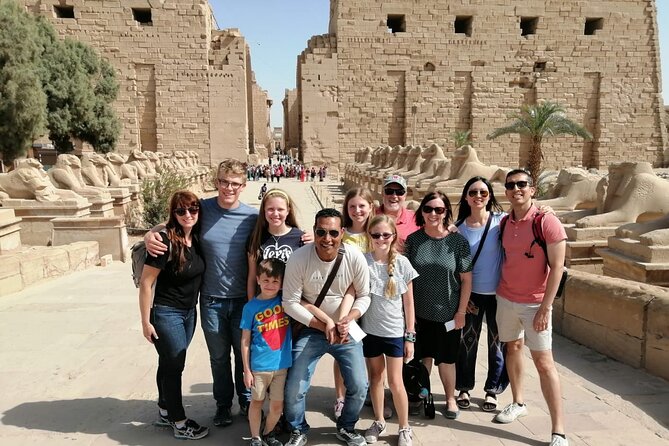
You get transfers to and from the train stations in both Luxor and Cairo. That’s more important than it sounds. Luxor station timing can be less forgiving than a typical airport, and Cairo’s scale is a lot to manage on your own.
The day in Luxor is handled by an Egyptologist guide and transport by air-conditioned vehicle. The combination matters in hot weather. You’re not just waiting between sites with no plan; you’re moving efficiently from one key location to the next.
Also, the tour uses a group size capped at 15 travelers. That tends to keep the experience from turning into a slow-moving crowd-control exercise. If you want more space for questions, this small-group format helps.
One more practical detail: confirmation comes at booking time, and the tour offers a mobile ticket option. Those small operational touches reduce stress when you’re switching between train and sightseeing on a tight timetable.
Egyptologist Guidance: What You Gain Beyond Photos
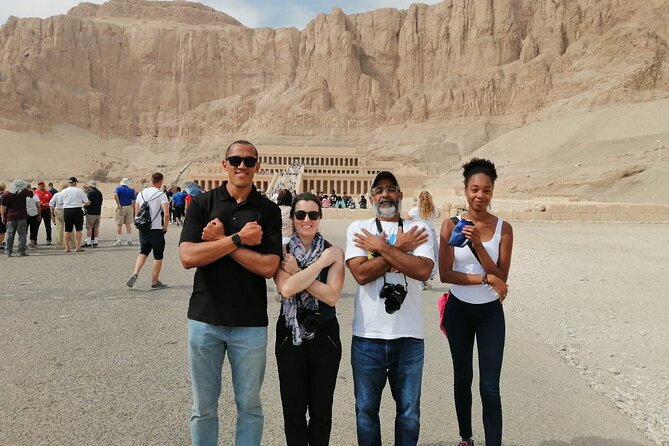
This tour is structured around one big idea: a guided day makes the sites work better. At each stop, the guide provides context—why this temple was built, who these rulers are, and what the setting means.
A standout from the guide reputation you’ll see mentioned is Hany, praised for Egyptology knowledge and for answering questions. That’s exactly the difference between “I saw a temple” and “I understand what I saw.”
Here’s what I think you should expect from good Egyptologist-style guiding:
- You’ll get the names and significance of key royals tied to the tombs and temples
- You’ll learn how different parts of a complex like Karnak relate
- You’ll have time to ask questions when the story is fresh, not after you’ve wandered off
That matters because these sites can blur together fast. With guidance, you’ll remember more than you’d expect from just reading signs.
Meals Included on the Train: Small Comfort, Real Value
Dinner and breakfast being included is a subtle but real value. It means you’re not trying to locate food at odd hours while your schedule is locked around trains.
The tour lists breakfast and dinner served onboard for each way. That’s ideal for cutting costs and lowering decision fatigue. You can focus on the monuments the next day rather than budgeting for food twice while traveling.
Keep in mind: included meals don’t automatically mean “fine dining.” The value here is convenience and cost control—not restaurant-level luxury. If you’re sensitive about sleep or meal quality on trains, bring realistic expectations and a bit of flexibility.
Price and Value: What $350 Really Covers (and What Adds Up)
At $350 per person, this tour can be a strong deal—if you understand what’s included versus what isn’t.
Included:
- Round-trip sleeper train tickets Cairo–Luxor–Cairo (with dinner and breakfast onboard)
- Transfers by air-conditioned vehicle to and from train stations
- Egyptologist guide and guided sightseeing transport in Luxor
- Service and handling items like taxes, landing, and parking fees
- Pickup and drop-off at your hotel (Cairo/Giza to station, and back)
Not included:
- Entrance fees for sightseeing (you pay in Egyptian pounds on the day)
So your real total cost depends on how many tombs/rooms you choose inside ticketed monuments and what entrance packages you buy on-site. This is where a student card can matter. The tour notes that an international student card gives 50% off entrance fees in Egypt. If you have one, it can reduce the biggest “surprise” expense.
As for value judgement: you’re paying for a guided day plus the overnight transport solution. If you’d otherwise have to buy two separate train tickets, arrange transfers, and hire a guide for the East/West Bank day, the bundled approach is often what makes this feel worthwhile.
Who This Luxor East and West Banks Tour Fits Best
This tour is best for you if:
- You want to see both West Bank icons (Valley of the Kings, Hatshepsut, Colossi of Memnon) and East Bank classics (Karnak, Luxor Temple) in one day
- You prefer booking a guided plan with hotel-to-station transfers rather than building logistics yourself
- You can accept that “overnight sleeper” is a compromise for efficiency
It might not be the best match if:
- You’re extremely picky about train comfort and sleep quality
- You dislike paying entrances on-site in Egyptian pounds and want everything pre-priced
- You want a slower Luxor pace with more time for wandering without an itinerary
If you’re a first-timer to Luxor and Cairo and you want the big hits with strong context, this setup makes sense.
Should You Book This One? My Decision Guide
Book it if you want a tight, guided Luxor day built around an efficient overnight train route. The included sleeper tickets, onboard meals, and transfers remove most of the stress that usually comes with doing Cairo and Luxor together.
Consider skipping or comparing prices if you know entrance fees will push your total higher than expected, especially if you don’t have a student card. Also, if you’ve had bad experiences on overnight trains before, decide whether you’re okay trading comfort for more monument time.
If your ideal trip is: see the major sites, learn the stories, and sleep while traveling—this is a smart fit.
FAQ
What’s included in the tour price?
The tour includes hotel pickup and drop-off at the train station in Cairo and Luxor, round-trip sleeper train tickets (Cairo–Luxor–Cairo) with dinner and breakfast served onboard, and guided sightseeing with air-conditioned transfers. Entrance fees for monuments are not included.
Are entrance fees included?
No. Entrance fees for the sightseeing are not included. You pay entrance fees on the sightseeing in Egyptian pounds.
Does the tour include meals?
Yes. Dinner and breakfast are served on the sleeper train, free of charge, each way.
How long is the whole experience?
It runs about 3 days, with Day 1 focused on Cairo pickup and boarding, Day 2 on Luxor sightseeing, and Day 3 arriving back in Cairo by about 5 AM.
How big is the group?
The tour has a maximum group size of 15 travelers.
Are there airport/train-station transfers?
Yes. Pickup and drop-off to the train stations in Cairo and Luxor are provided, using air-conditioned vehicle transfers.
Is there a discount if I’m a student?
Yes. The tour notes that an international student card gives 50% discount for entrance fees in Egypt.