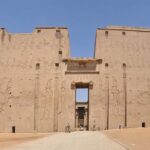
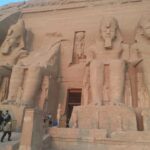
Edfu’s temple walls still feel alive. This day trip ties together Ptolemaic-era sights: Edfu’s Temple of Horus (dating to 237 BC) and the nearby Kom Ombo temple, attributed here to the time of Ptolemy VI. I love how these temples are still visually readable—entrance to courtyard to carved scenes—so you’re not just looking at stones, you’re following a story. I also like that a guide is included, with explanation from inside, which helps you know what you’re seeing beyond the obvious big carvings.
One thing to plan around is the arrival crush. When lots of boats land at once, the entry area can get crowded and security can feel tight, so go in ready to move slowly and wait your turn.
In This Review
- Key things to know before you go
- Temple of Edfu and Kom Ombo: why this Ptolemaic stop matters
- Price and logistics for a $64 day trip
- Getting to Edfu: what the drive and arrival feel like
- Temple of Horus at Edfu: what to look for once you’re inside
- That first courtyard-to-interior flow: how guided time helps
- Kom Ombo (Kom Ombo Temple): a second stop with detailed decoration
- Timing, crowds, and the security bottleneck you can’t ignore
- Horse buggies, tuk-tuks, and negotiating without getting stuck
- Road conditions and comfort on the Aswan–Luxor side
- Included vs. not included: what you should budget for
- Who this tour suits best (and who should skip it)
- Should you book Temple of Edfu with Sheba Tours?
- FAQ
- How long is the Temple of Edfu tour?
- What does the tour cost?
- Is hotel pick-up and drop-off included?
- Are temple entrance fees included?
- Is a guide included?
- What’s included for comfort during the day?
- Is there a mobile ticket?
- Can I cancel for free?
- What is the group size limit?
Key things to know before you go
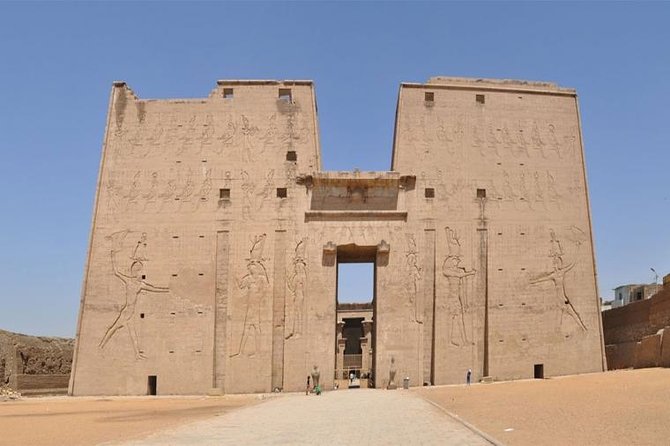
- Classic temple layout at Edfu: pylon entrance, then a column open-air courtyard, then the interior spaces.
- Carved Horus scenes worth your attention: wall scenes depict life linked to Horus, not just one-off decorative figures.
- Kom Ombo’s Ptolemaic detail: the temple is valued here for its carefully decorated walls and “exactness.”
- Guide-led explanations included: you’ll get orientation inside Edfu and again at Kom Ombo.
- A shared-day format: a maximum group size of 100 means you’ll see crowd flow, especially during peak arrival times.
Temple of Edfu and Kom Ombo: why this Ptolemaic stop matters
Edfu is famous for one reason: the Temple of Horus looks like it was meant to be read. You get a classic progression through the complex, and the carvings feel intentional from one section to the next.
What I like about pairing it with Kom Ombo is pacing. Edfu gives you the big “Temple of Horus” experience, and then Kom Ombo follows with its own emphasis on detailed wall decoration from the Ptolemaic period.
The other smart reason to schedule this as a day trip is preservation. Edfu’s temple is considered exceptionally well preserved, and part of that story is that it was buried in sand for a long time. When you see the condition up close, it makes the age feel less abstract.
You can also read our reviews of more tours and experiences in Aswan.
- 4-Days Nile Cruise From Aswan To Luxor including Abu Simbel and Hot Air Balloon
★ 5.0 · 3,142 reviews
Price and logistics for a $64 day trip
This outing is priced at $64 for about 9 hours, and that cost is mainly paying for the “day-trip package” parts: a guide, drinks, and transport in an air-conditioned car with hotel pick-up and drop-off.
Here’s the value angle: the included items are the hard parts to DIY. Getting from the Aswan side into the Edfu/Kom Ombo area smoothly, and then back toward your Luxor hotel, is what this format handles for you.
Two small cautions. First, the information you’re given lists entry fees as not included, even though it also says admission ticket is free—so you should confirm what you actually pay on the day. Second, the meeting time is shown as 8:30 pm, while the plan describes a morning drive—your confirmation will tell you which is correct.
Getting to Edfu: what the drive and arrival feel like
You’ll start with reception service from your hotel and ride in an air-conditioned vehicle with your guide. The goal is a morning visit, when conditions are usually kinder and you can see more before crowds peak.
The tradeoff is that this region is busy when multiple boats arrive. The result can be a slow-moving bottleneck at entry and security, including a narrow covered stretch and then a turn into checks. If you’re traveling with someone who hates waiting in tight spaces, this is the part to mentally prepare for.
Also, the trip is designed for a larger group (up to 100), so you won’t be walking around like you have the place to yourself. You’ll want a calm mindset: take photos, then keep moving so you don’t get stuck in one spot.
Temple of Horus at Edfu: what to look for once you’re inside
Edfu’s Temple of Horus is the star attraction. It’s attributed here to the period of 237 BC under the Ptolemies, and the experience is strongest when you pay attention to the layout.
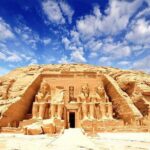
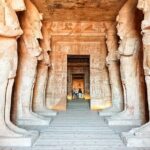
Start with the big structure rhythm: the entrance pylon gives you scale, then you move into the column open-air courtyard. From that point onward, your “map” is mostly about direction and sequences—where you are in the complex compared to where you’ve been.
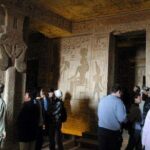
The real payoff is on the walls. You’ll see scenes connected to Horus life depicted in the carvings, and that’s where a guide can be worth every minute. Even if you already know the basics of Egyptian gods, the guide explanations help you read what’s happening instead of just admiring the artwork.
A practical tip: if you can, aim to arrive early in your time window. Edfu can get crowded at busy arrival moments, but the temple is more enjoyable when you can take your time near the key carved areas.
That first courtyard-to-interior flow: how guided time helps
A common mistake is rushing through because the site looks impressive but you don’t know what matters. This tour avoids that by bringing you inside with a guide and having them explain the temple.
That matters because Edfu isn’t only about one “pretty view.” It’s about how spaces change: open air courtyards feel different from interior sections, and that shift affects how light and carvings look. When someone talks you through it, you start noticing details instead of just taking snapshots.
It also helps you pace your day. With a 9-hour schedule and a second major stop after Edfu, you need momentum. A guide can keep you from spending too much time in one area while missing the rest of what makes Edfu special.
- 4-Days Nile Cruise From Aswan To Luxor including Abu Simbel and Hot Air Balloon
★ 5.0 · 3,142 reviews
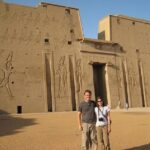


Kom Ombo (Kom Ombo Temple): a second stop with detailed decoration
After Edfu, you move to Kom Ombo. The temple here is linked to the time of Ptolemy VI, and the highlight you should expect is the quality of the wall decoration—described as marked by exactness and beauty.
Kom Ombo’s value in this combo is contrast. Edfu is all about the Temple of Horus identity and classic temple staging. Kom Ombo continues the Ptolemaic story through its own carved walls, so you start to see repetition in style while also noticing differences in emphasis.
The same benefit applies: your guide explains Kom Ombo too. That keeps you from treating Kom Ombo as a checkbox after the main event.
Timing, crowds, and the security bottleneck you can’t ignore
Plan for crowds even if you’re there on a good day. Edfu can be “well worth the effort” even when it’s busy, but busy affects how you experience it.
The specific headache is the entry process when many boats land together. You may hit a narrow covered entrance, then a sharp 90-degree turn into security checks. That’s where the “stand still and shuffle” feeling can happen, similar to what you’d see in a large stadium entry line.
How to handle it:
- Keep your phone and essentials ready before you get close to security.
- Move slowly but steadily—if you stop, you can block the flow behind you.
- Save your best photo time for when you’re past the entry pinch and can stand where you won’t be bumped.
If you’re the type who hates delays, this is the main reason you might rethink a fixed schedule. If you can handle waiting for 30 to 60 minutes without stress, the payoff can feel worth it.
Horse buggies, tuk-tuks, and negotiating without getting stuck
Edfu’s area is set up so you’ll often hear about horse cart transport from the dock. One caution from real experience: the horse cart business can feel like a “hard to change plans” system, where conflicts between horse cart drivers and tuk-tuk drivers can make it difficult to switch transport options.
If you choose to use a horse buggy, go in with eyes open. There’s also a small carriage tour option mentioned at about 25 Egyptian pounds, with negotiation expected. If you do it, make sure the amount and terms are clear before you’re moved off, because you might be dropped off earlier than you expect if the cost isn’t handled as agreed.
Also remember: in busy temple areas, people may ask for photos with your camera or request money for photos. A simple no is fine, and it helps you stay in control of your time.
Bottom line: I’d treat horse carts as a “fine if you plan it” option, not the default plan you rely on for flexibility.
Road conditions and comfort on the Aswan–Luxor side
This experience is built around road travel, and the drive quality can affect how you feel by the time you reach Edfu.
One drawback mentioned is that the roads can be rough, with frequent speed bumps. If you get carsick easily, this is worth flagging when you choose your seat and carry any remedy you normally use.
The good news is that the car is described as air-conditioned, and you’ll have drinks included. That helps you arrive fresher, even if the road isn’t perfect.
Included vs. not included: what you should budget for
What’s included:
- A tourist guide accompanies the group
- Fizzy water and drinks
- Transport from and to the sights in a conditioned (air-conditioned) car
- Reception service from and to the hotel
What’s not included:
- Entry fees for the tourist sites
- Tips
- Any extra visit not in the program
The practical lesson: even if the info sheet says admission ticket free, treat entrance fees as “likely to be paid” until you confirm. Bring some cash for site fees and for small on-the-ground requests, plus tips if you want to reward good guiding.
Who this tour suits best (and who should skip it)
This is a good fit if you want:
- A guided introduction to Edfu’s Temple of Horus and Kom Ombo
- A simple, one-day plan that doesn’t require juggling transportation between sites
- Air-conditioned comfort and drinks included
It’s less ideal if:
- You hate crowds and tightly managed entry lines
- You’re very sensitive to rough road conditions or delays
- You want a completely flexible schedule with no waiting
If you’re traveling as a couple or solo and like structured time, you’ll probably enjoy it. If you’re with kids, the tour notes a child rate that applies only when sharing with 2 paying adults, so check that setup before booking.
Should you book Temple of Edfu with Sheba Tours?
I’d book this if your priority is the Temple of Horus at Edfu and you want a guide to help you understand what you’re seeing. The combination with Kom Ombo makes the day feel efficient, and the included transport plus drinks take stress off your planning.
I’d hesitate if you’re not comfortable with crowd flow at peak arrival times, or if you’re hoping to avoid any entry bottleneck. In that case, you might prefer a more independent plan (if you can handle the logistics yourself) or be extra picky about timing.
My practical “go or no-go” checklist:
- Confirm your actual start time (morning vs. the listed 8:30 pm).
- Confirm whether entry fees are truly handled by the tour or paid at the sites.
- Pack patience for security and entry flow on busy days.
If you tick those boxes, this can be a strong use of your day in the Aswan-to-Luxor orbit.
FAQ
How long is the Temple of Edfu tour?
The duration is about 9 hours.
What does the tour cost?
The price listed is $64.
Is hotel pick-up and drop-off included?
Yes. The reception service is from and to the hotel, and transport is provided in an air-conditioned car.
Are temple entrance fees included?
The information says entry fees for the tourist sites are not included. Since there is also a note about admission ticket free, it’s smart to confirm what you will actually need to pay.
Is a guide included?
Yes. A tourist guide accompanies the group and explains the temple inside at Edfu and at Kom Ombo.
What’s included for comfort during the day?
Fizzy water and drinks are included, along with air-conditioned transport.
Is there a mobile ticket?
Yes. Mobile ticket is offered.
Can I cancel for free?
Free cancellation is available up to 24 hours in advance for a full refund.
What is the group size limit?
The tour has a maximum of 100 travelers.
You Might Also Enjoy
More Tour Reviews in Aswan
- 4-Days Nile Cruise From Aswan To Luxor including Abu Simbel and Hot Air Balloon
★ 5.0 · 3,142 reviews