REVIEW · ASWAN
4 Days Nile Cruise; Aswan to Luxor Including Abu Simbel Temples
Book on Viator →Operated by Aegyptus Reisen · Bookable on Viator
Four days, and Egypt feels impossibly close.
What makes this Aswan to Luxor Nile cruise compelling is how much you pack in without feeling chaotic: you get guided stops at the big names like Abu Simbel and Karnak, plus round-trip transfers and a licensed guide handling the flow. I also like that the pacing mixes early mornings with relaxed boat time, and the ship includes breakfast, lunch, and dinner so you’re not hunting for food between sites. One drawback to plan for: entrance fees are extra (about $50 per person), and some days start early enough to make an alarm clock feel rude.
The best part is the mix of monuments that tell different parts of the story. You’ll see everything from the modern High Dam and Isis at Philae to New Kingdom tombs in the Valley of the Kings, then end at Karnak’s massive temple complex. Based on the strongest feedback I’ve seen for this trip, the guide matters a lot here, and the name Osama comes up repeatedly for clear explanations and calm organization.
In This Review
- Key things I’d bookmark before you go
- Aswan to Luxor on a 5 ship: why this route works
- Day 1 in Aswan: High Dam and Philae Temple with motorboat access
- Aswan High Dam: more than a photo stop
- Philae Temple: Isis by small motorboat
- The Abu Simbel day: an early start that pays off
- 4:30 pickup and a small-group approach
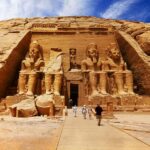
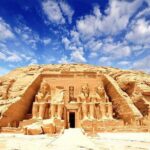
- Rock-cut temples of Ramses II and Nefertari
- Kom Ombo and Edfu: two temples plus a smoother rhythm
- Kom Ombo’s dual temple: Sobek and Horus
- Overnight in Edfu
- Edfu to Luxor: horse carriage at Horus Temple and temples at dusk
- Edfu’s Horus Temple: one of Egypt’s best preserved
- Luxor Temple on the East Bank
- Day 4 West Bank power tour: Valley of the Kings, Hatshepsut, Memnon photos, then Karnak
- Early optional hot air balloon over Luxor
- Valley of the Kings: New Kingdom tombs in the mountains
- Hatshepsut at Deir el Bahari: Queen’s mortuary temple
- Karnak Temple: the huge East Bank finale
- Food, shows, and onboard downtime (the part you might forget to plan)
- Price and what you’ll actually spend beyond $289
- The guides make the difference: what to expect from the experience
- Who should book this cruise, and who should skip it
- Should you book this Aswan to Luxor with Abu Simbel cruise?
- FAQ
- What’s included in the price?
- Are entrance fees included?
- Do I need to pay extra for Abu Simbel?
- Is the hot air balloon ride included?
- What’s the group size like?
- Is seasickness a problem?
- What time will I be finished on the last day?
Key things I’d bookmark before you go
- Abu Simbel is a real production: early pickup (around 4:30) and a long but scheduled day with a small group.
- Philae Temple is a boat ride: you’ll cross by small motorboat to reach the Isis temple.
- You’ll get curated temple time: multiple guided visits across both East and West Banks.
- Edfu’s Horus Temple includes a horse carriage ride: it’s short, but it adds a fun, local flavor.
- You may squeeze in Karnak on Day 3: only if your Luxor dock arrival is early enough (around 3:00–3:30 pm).
- Optional hot air balloon exists on Day 4: it’s extra charge and starts very early.
Aswan to Luxor on a 5 ship: why this route works
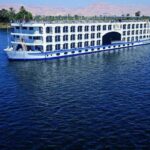
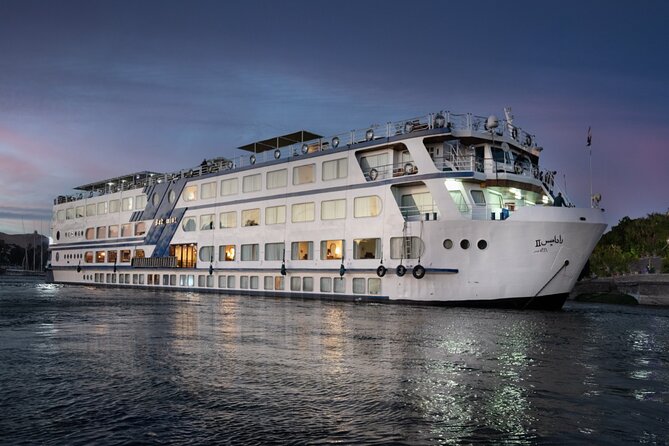
This is the classic southern Egypt corridor: you start in Aswan and finish in Luxor, with the Nile cruise acting as your moving hotel. That matters because many of these sites are far apart. Instead of repeatedly changing cities and booking separate tours, you get transfers lined up and you sleep onboard while the scenery and river rhythm do the work in between.
The ship setup also gives you practical breathing room. When you’re between temple stops, you’re usually eating onboard or relaxing on deck rather than navigating on your own. And since the group is capped at 30 travelers, it’s big enough for comfort but small enough that logistics don’t usually melt down.
The main tradeoff is you’re still on the clock. Egypt’s top temples are not “slow travel” locations. You’re visiting during scheduled hours with guided context, which is great for focus—but it also means you don’t linger wherever you wish.
You can also read our reviews of more boat tours in Aswan
- 4-Days Nile Cruise From Aswan To Luxor including Abu Simbel and Hot Air Balloon
★ 5.0 · 3,142 reviews
Day 1 in Aswan: High Dam and Philae Temple with motorboat access
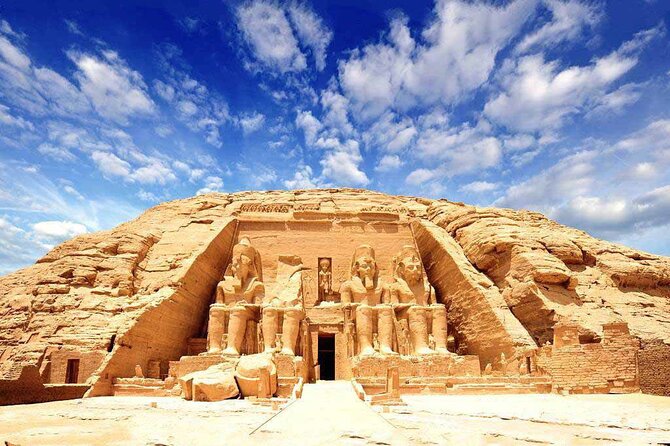
Your first day is built like a smooth landing: you’re met at the Aswan Airport, railway station, or hotel, then transferred by air-conditioned vehicle to the cruise for check-in before lunch. After that onboard meal, you start the day with a modern landmark: Aswan High Dam.
Aswan High Dam: more than a photo stop
You’ll spend about 30 minutes at the High Dam. It’s not one of the ancient temples, but it’s crucial context. This is the infrastructure story—how Egypt protected itself from flooding while also generating electricity. If you like understanding the “why” behind modern Egypt, this short visit gives you that frame quickly.
Philae Temple: Isis by small motorboat
Then you head to Philae Temple, dedicated to Isis. The standout detail here is how you reach it: you’ll take a small motorboat to get there. That one logistics choice turns a temple visit into a mini experience—less like walking into a site, more like arriving in the setting it was built for.
You’ll have around 2 hours here with the guide, then return to the cruise for dinner, a folkloric show, and overnight onboard. If you’re arriving with jet lag, this is a manageable first day: not too long, and you’re back on the ship where you can reset.
The Abu Simbel day: an early start that pays off
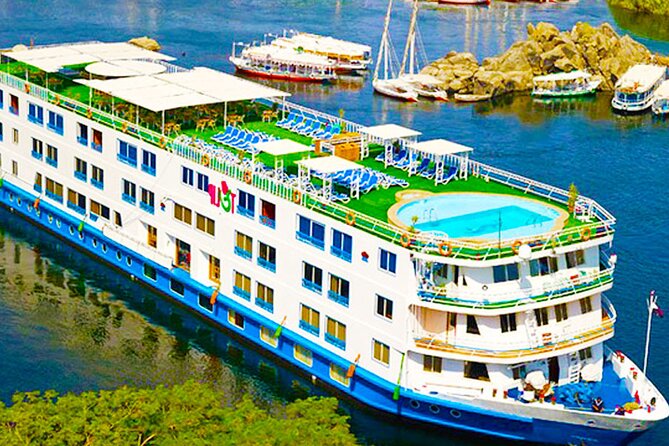
Day 2 is the headline. Abu Simbel is the kind of place that justifies planning a whole day around it, and this tour builds the day around the timing you need.
A few more Aswan tours and experiences worth a look

4:30 pickup and a small-group approach
You’re picked up around 4:30 am for Abu Simbel in a sharing small group with an English-speaking tour guide. Expect a long drive and a structured plan: you arrive around 8 am for the main visit, then return to the cruise by noon for lunch and sailing afterward.
Rock-cut temples of Ramses II and Nefertari
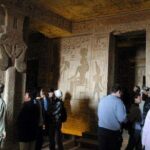
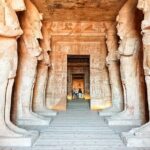
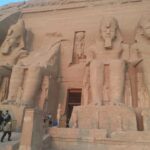
The key reason Abu Simbel is famous is what you’re walking into: the rock-cut temples built for King Ramses II and his beloved Queen Nefertari. You’ll get guided time at the complex, so you’re not just staring at massive stone—you’ll understand what you’re seeing and why the design is special.
Is this day exhausting? Yes, partly because of the early start. But it’s also the day you get the kind of wow factor that you’ll still remember when you’re back home.
Kom Ombo and Edfu: two temples plus a smoother rhythm
After Abu Simbel, the tour shifts to a more “steady” pace.
Kom Ombo’s dual temple: Sobek and Horus
You sail to Kom Ombo, arriving in the city, where you visit the Temple of Kom Ombo. This is the dual temple concept: Sobek, the crocodile god, and Horus, the falcon god. You’ll have about 1 hour 30 minutes here.
This stop is a good break from the scale of Abu Simbel. It’s still iconic, but it feels more focused—one guided walk that you can actually absorb without your brain boiling from fatigue.
Overnight in Edfu
After Kom Ombo, you return to the cruise and dinner happens onboard. Then you continue sailing to Edfu, where you sleep for the night. That overnight matters because it puts you in position for the Edfu temple visit next day without needing another long transfer.
Edfu to Luxor: horse carriage at Horus Temple and temples at dusk
Day 3 is where the cruise starts to feel like a living timeline. You’re leaving Edfu, crossing a key river lock area, and sliding into Luxor’s East Bank temples.
Edfu’s Horus Temple: one of Egypt’s best preserved
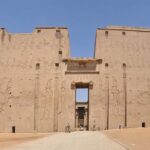
After breakfast, you’ll visit the Temple of Horus at Edfu, known for being among the most complete and best preserved. Here, the tour adds a classic touch: you’ll take a horse carriage ride with your tour guide to reach the temple.
Then you return to the cruise, with time built in for the journey. You’ll sail toward Luxor and cross the Esna Lock, which is one of those “only in a river cruise” moments. Lunch is onboard, and there’s afternoon tea on the sundeck—an easy way to recharge between ancient sites.
Luxor Temple on the East Bank
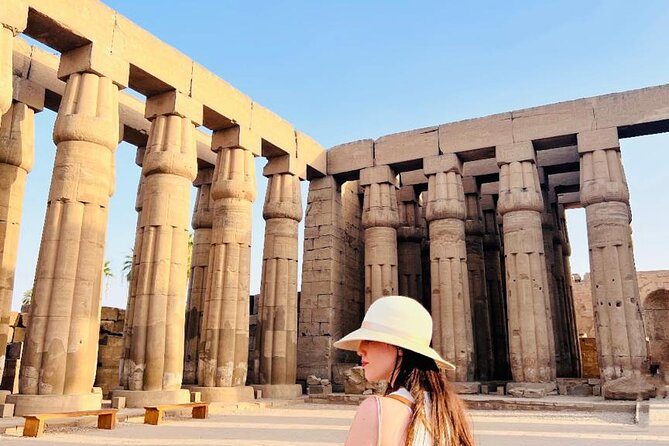
Late afternoon, you arrive at the Luxor dock and transfer to Luxor Temple on the East Bank. This is where you get an interesting mix of layers: ancient Egyptian, Christian, and Islamic features are all visible in the same complex.
Dinner onboard comes with belly dancing show entertainment, then you overnight in Luxor. If your dock arrival is by 3:00 or 3:30 pm, you may also get time for both Karnak and Luxor Temples. That contingency is worth noting because it can change how full Day 3 feels.
Day 4 West Bank power tour: Valley of the Kings, Hatshepsut, Memnon photos, then Karnak
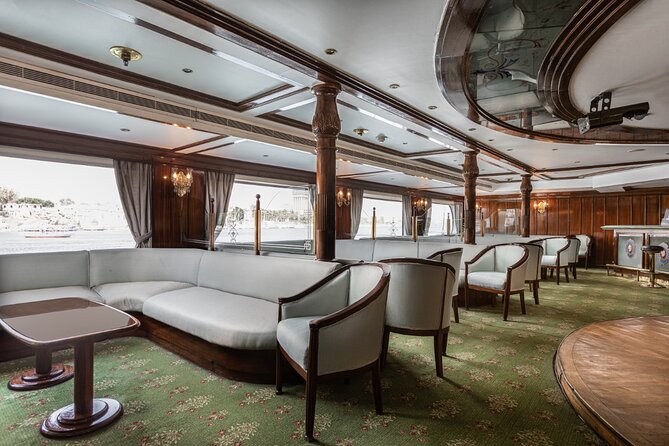
Your last day is a packed West Bank circuit and then a finishing sprint back to the East Bank.
Early optional hot air balloon over Luxor
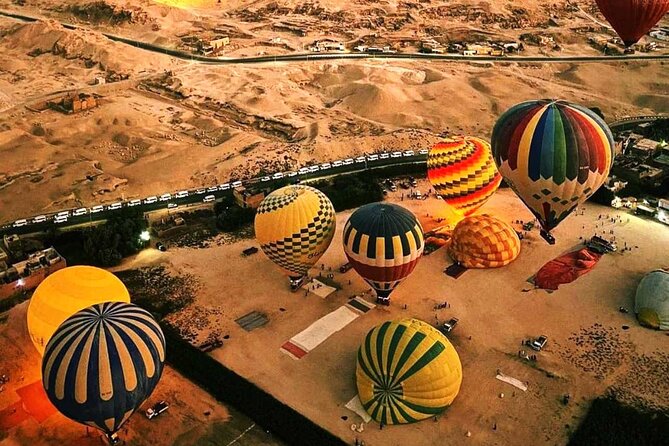
There’s an optional hot air balloon flight with extra charge, starting around 5:00 am, described as about 30 to 45 minutes in the air. The idea is sunrise views over Luxor’s landmarks, temples, and surrounding areas. The tour also notes you’ll see Luxor as an open-air museum from above.
If you choose it, it’s a big energy cost. You’ll still have a full day of temples afterward.
Valley of the Kings: New Kingdom tombs in the mountains
After breakfast and check-out, you drive to the West Bank for the Valley of the Kings. This is where pharaohs from the New Kingdom carved their tombs into the mountains, aiming to hide treasures and protect mummies. You’ll get guided time for about 2 hours.
This is a site that works best when your guide explains what you’re looking for, since the tomb entrances and layouts can feel similar at first glance.
Hatshepsut at Deir el Bahari: Queen’s mortuary temple
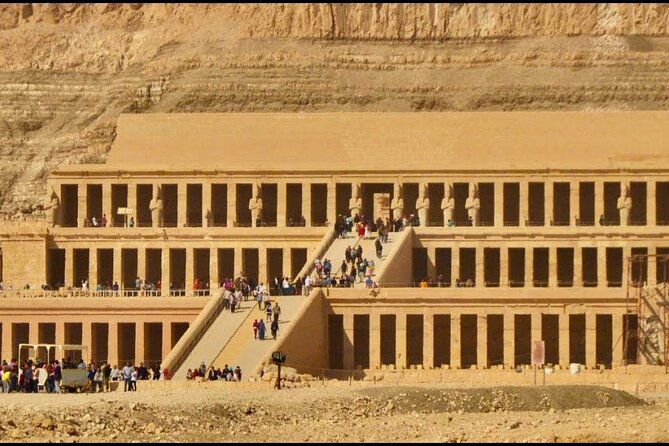
Next you visit Temple of Hatshepsut at Deir el Bahari, about 1 hour 30 minutes. This mortuary temple belongs to one of Egypt’s best-known queens. The tour frames it with her story and her relationship as part of her reign.
After that, you end the West Bank portion with a photo stop in front of the gigantic statues of Memnon. Lunch is available in a local restaurant as optional, so you can decide based on your energy level.
Karnak Temple: the huge East Bank finale
Finally, you return to the East Bank for Karnak Temple, described as built through 2000 years and covering about 63 acres. You’ll have around 2 hours with the guide to take photos among massive pillars and obelisks.
At the end, you’re transferred to your Luxor hotel, airport, or railway station, typically between 3:00 and 4:00 pm. It’s a finish that feels satisfying: you end with scale, after spending the day on tombs and royal mortuary sites.
Food, shows, and onboard downtime (the part you might forget to plan)
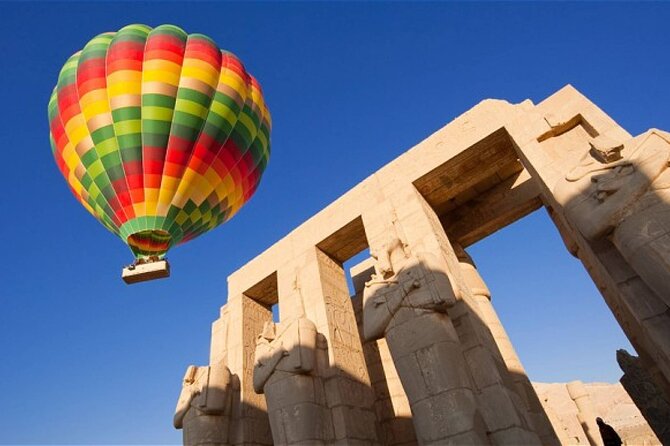
This cruise package is one of those rare deals where your daily meals are handled. You’ll have breakfast (3), lunch (3), and dinner (3) included. That sounds simple, but on a fast-paced temple route it’s a big win.
Dinner onboard is paired with entertainment. You’ll have a folkloric show on Day 1 and a belly dancing show during the Luxor dinner on Day 3. Entertainment isn’t everyone’s priority, but it also gives you an evening rhythm that helps you keep your energy for the early mornings.
And the onboard downtime is real. You’ll have moments like afternoon tea on the sundeck while the boat moves. Also, because this isn’t a self-guided cruise, the guide-led structure means you spend less time figuring out logistics and more time looking at what’s in front of you.
One note: this isn’t recommended if you get seasick. River cruise ships can still rock, especially early or on choppy days.
Price and what you’ll actually spend beyond $289
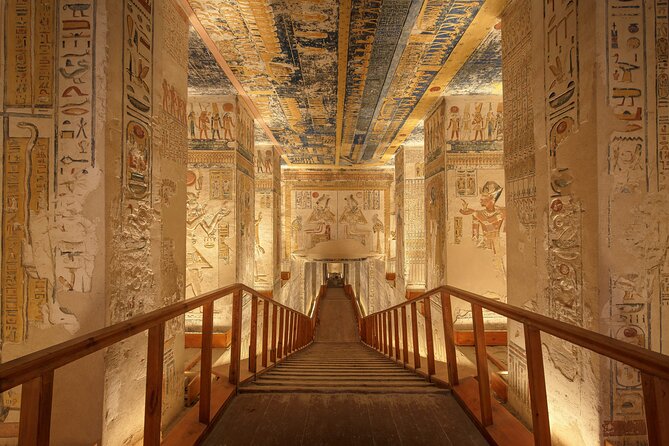
The published price is $289 per person, for a 4-day trip with 3 nights onboard a 5 Nile cruise, pickup and drop-off, guided visits at the listed sites, and daily meals. There’s also a sharing small group component for Abu Simbel and all transfers via air-conditioned vehicles with qualified drivers.
However, entrance fees are not included and are estimated around $50 per person for all visits. Tipping is also recommended, and the hot air balloon is extra charge.
So the value equation looks like this: you’re paying for the ship, lodging, and guided “temple circuit” coordination, while entry tickets are the add-on. For many visitors, that’s the right trade: you don’t waste time chasing ticket lines while the guide handles timing and context.
The guides make the difference: what to expect from the experience
The most praised element in the feedback is the guide quality. The name Osama shows up repeatedly, with mentions of detailed explanations, friendliness, and making people feel taken care of at the temples. That matters because Egypt’s sites are layered and symbolic. A good guide helps you avoid the common trap of seeing only stone without understanding meaning.
This tour also uses a consistent approach: you get a licensed tour guide meeting you from Aswan, and you continue with guided visits during the stops. Even the “extra” activities like horse carriage rides and temple transfers are folded into the guided flow.
Who should book this cruise, and who should skip it
This itinerary is a strong fit if you:
- want a short, structured Aswan-to-Luxor plan that still hits major highlights
- like temple-focused travel with guidance (not just wandering)
- can handle early starts, especially for Abu Simbel
- appreciate having meals included during a busy schedule
You might rethink booking if you:
- get seasick, since the cruise doesn’t recommend passengers who are sensitive to motion
- prefer slow pacing with lots of free time between sites
- dislike add-on costs, since entrance fees and optional hot air balloon are not included
Should you book this Aswan to Luxor with Abu Simbel cruise?
Yes, if you’re aiming to cover the southern Egypt “greatest hits” in a tight window and you want the convenience of a guided, meal-included cruise. The combination of Abu Simbel, Kom Ombo, Edfu’s Horus Temple, Luxor Temple, the West Bank tomb and mortuary sites, and then Karnak is exactly the kind of concentrated route that works well when someone else handles the timing.
But be honest about two things: you’ll pay some extras on top of the base price (entrance fees and likely tipping), and you’ll need early-morning stamina for Abu Simbel. If that fits your style, this is a smart, value-forward way to see a lot of Egypt with less friction.
FAQ
What’s included in the price?
The price includes 3 nights on board a 5* Nile cruise, pickup and drop-off, a tour guide during visits, air-conditioned transfers, guided visits to the listed sites, and meals (3 breakfasts, 3 lunches, and 3 dinners).
Are entrance fees included?
No. Entrance fees are not included and are estimated at around $50 per person for all visits.
Do I need to pay extra for Abu Simbel?
The Abu Simbel trip is included as a sharing small group with an English-speaking tour guide, but entrance tickets are not included.
Is the hot air balloon ride included?
No. The hot air balloon ride over Luxor is optional and has an extra charge.
What’s the group size like?
The tour has a maximum of 30 travelers, and Abu Simbel is done in a sharing small group.
Is seasickness a problem?
Yes. The tour notes it is not recommended for people with seasickness.
What time will I be finished on the last day?
After Karnak Temple, you’ll be transferred to your Luxor hotel, airport, or railway station, typically around 3:00 to 4:00 pm.
You Might Also Enjoy
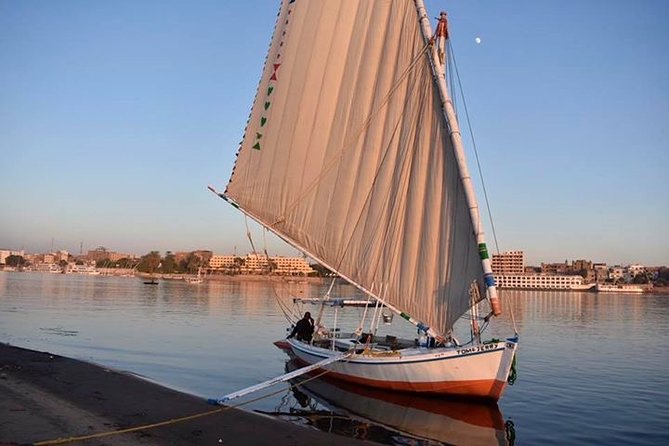

More 4-Day Experiences in Aswan
More Boat Tours & Cruises in Aswan
- 4-Days Nile Cruise From Aswan To Luxor including Abu Simbel and Hot Air Balloon
★ 5.0 · 3,142 reviews
More Tour Reviews in Aswan
- 4-Days Nile Cruise From Aswan To Luxor including Abu Simbel and Hot Air Balloon
★ 5.0 · 3,142 reviews