REVIEW · ALEXANDRIA
From Alexandria: El Alamein Day Trip
Book on GetYourGuide →Operated by Ramses tours · Bookable on GetYourGuide
WWII comes close at El Alamein.
This six-hour Alexandria day trip brings you face-to-face with the stories of World War II through expert guidance and on-the-ground sights, from the museum grounds to the cemeteries near the coast.
I like two things most: the museum’s five halls and the outdoor display of tanks and battle gear, because it’s history you can actually see. I also like how the war cemeteries are handled with a respectful, human tone, including Greek, Italian, and German soldiers. The main drawback: the day can run a bit tight, and lunch may end up late.
In This Review
- Key things to know
- El Alamein in one day: why this tour feels different
- The drive from Alexandria: comfort plus coastal views
- The museum and the outdoor tank garden: what to look for
- A quick strategy for museum time
- El Alamein village by the sea: the calm contrast
- War cemeteries: how to handle this part of the day
- A respectful way to enjoy the cemeteries
- Rommel, the Desert Fox, and the people behind the artifacts
- Guides, pacing, and the small comforts that change the day
- Price and value: what $90 buys you (and what it doesn’t)
- Go solo or book? The real trade-off
- Who this El Alamein day trip suits best
- Should you book the El Alamein Day Trip from Alexandria?
- FAQ
- How long is the El Alamein day trip from Alexandria?
- What does the tour cost?
- What’s included in the price?
- What languages are available for the live tour guide?
- Is the museum ticket line skipped?
- How far in advance can you cancel for a full refund?
- Is the tour wheelchair accessible?
Key things to know
- Expert guide-led storytelling that connects people and places, including Rommel, the Desert Fox
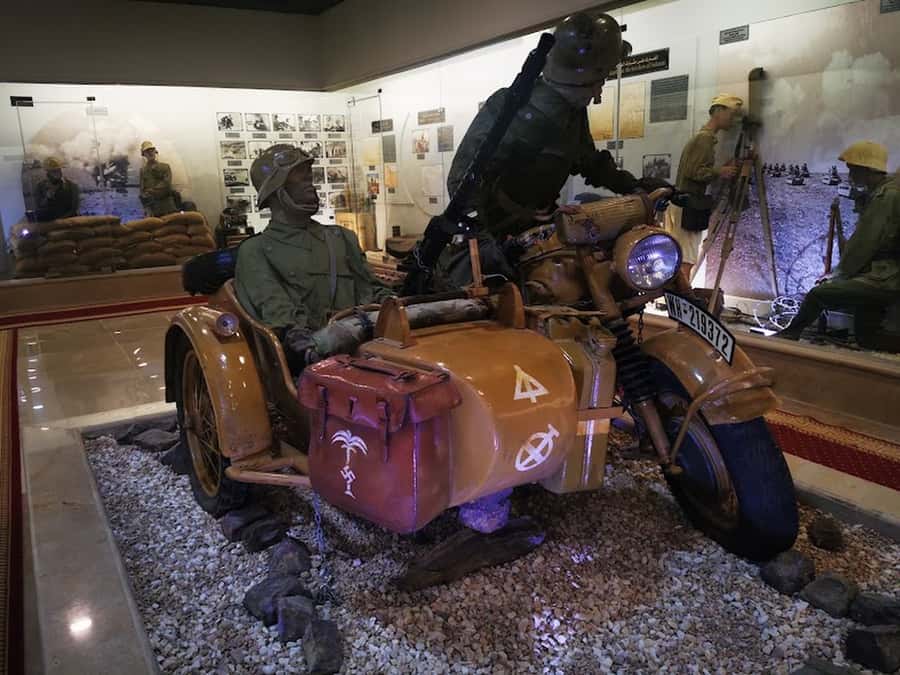
- A museum with five country-focused halls showing uniforms, weapons, models, and records
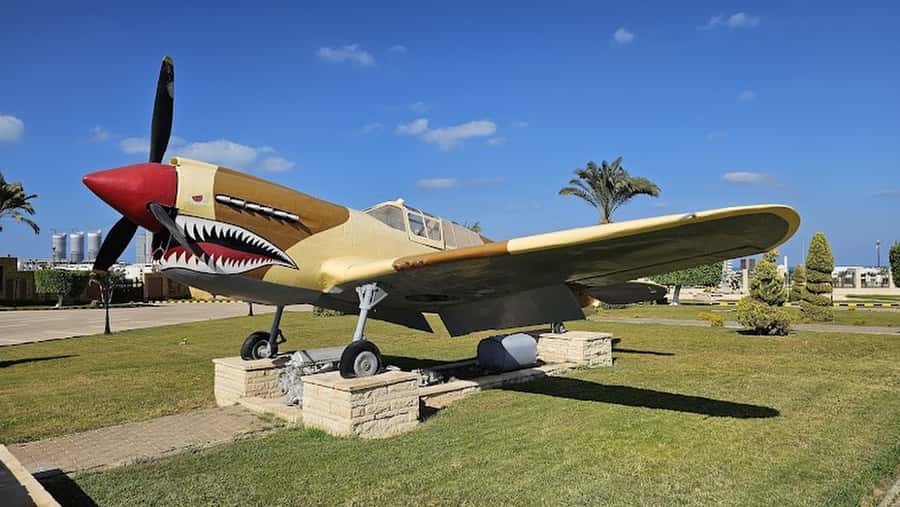
- Outdoor tank and weapon displays across the garden area right at the site
- Time in El Alamein village by the Mediterranean so the day isn’t only museums and memorials
- War cemeteries for Greek, Italian, and German soldiers, with a chance to pay your respects
- Real-world pacing that often avoids rushing, with guides like Heba, Macy, Karma, and Mohamed praised for clarity
El Alamein in one day: why this tour feels different
El Alamein isn’t just a name on a map. It’s a place where World War II is explained with artifacts, big outdoor hardware, and cemetery visits that slow the whole mood down. That mix helps you make sense of the battle you’re studying, not just read about it later.
What makes this day trip work is the way the stops connect. You start by learning the context from an expert, then you walk through the museum and its tanks-on-the-grass effect, and finally you end at the war cemeteries. You get a full emotional arc, not just a checklist.
If you love WWII history, this is the kind of trip that turns questions into answers. Rommel, the Desert Fox, comes up for a reason, and your guide gives you the threads to follow while you look at the displays.
A few more Alexandria tours and experiences worth a look



The drive from Alexandria: comfort plus coastal views

The trip runs from Alexandria with all transfers by air-conditioned vehicle, which matters more than you’d think in Egypt’s heat. It keeps the day focused on the sights, instead of turning it into a sweat contest.
You also get a proper transfer time to settle in, and there’s often a coastal feel to the route. One review even calls out a lovely drive along the coast from Alexandria. That’s a small thing, but it helps the day start in a calmer way.
Duration is listed at 6 hours, so it’s not an all-day expedition. That’s good if you want concentrated history. Just know it also means the schedule is built for efficiency, and you’ll feel the time budget during later cemetery visits.
The museum and the outdoor tank garden: what to look for
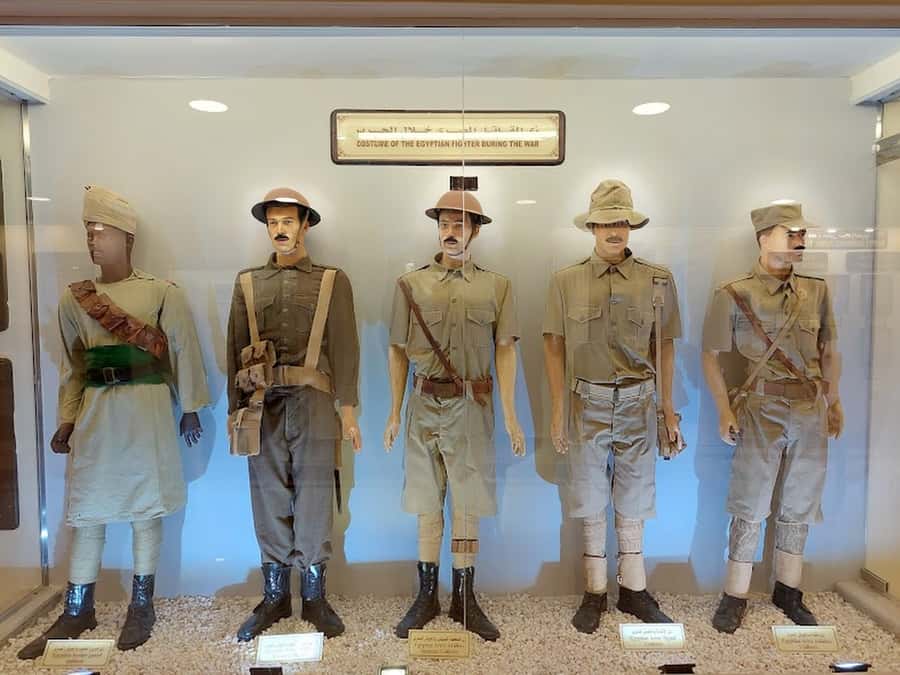
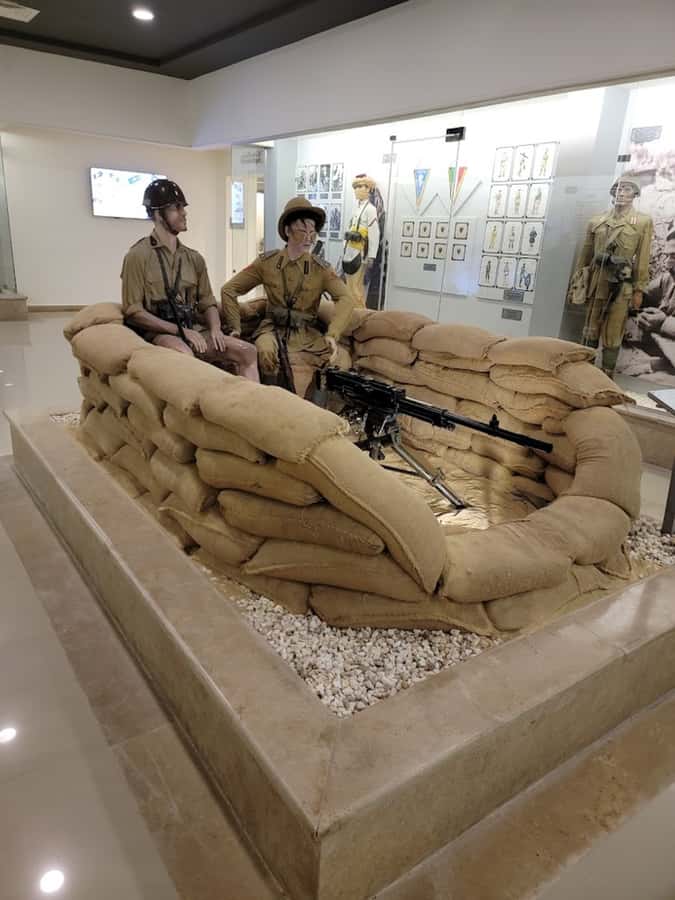
The museum visit is the heart of the day. It’s not just a room with photos. The site is laid out with five halls, each dedicated to a country involved in the war, with uniforms, weapons, models, and records on display. The structure makes it easier to understand how different sides and units are represented.
Then there’s the outdoor area—gardens scattered with huge tanks and large-scale weaponry. You don’t need to be a military buff to get something out of this. Big objects have a way of turning abstract stories into something physical. It’s also a great place to ask your guide questions, since you can point and say, what am I looking at?
In real life, pace matters. Guides like Heba and Mohamed are praised for explaining what you’re seeing and answering questions clearly, so don’t be shy about asking for context before you move on. If you’re the type who reads labels slowly, plan on spending extra time inside the main halls and using the outdoor grounds for a second pass.
A quick strategy for museum time
Try this timing approach so you don’t feel rushed:
- Spend your first pass walking and orienting to the five halls.
- Use your guide’s explanations to pick one or two halls that you want to look at more carefully.
- End outside with the tanks and weapon displays, where your questions will likely make the most sense.
El Alamein village by the sea: the calm contrast
After the museum, you’ll head to the town of El Alamein. This is the payoff if you want more than a memorial day: the town sits right on the Mediterranean sea, and it gives you a change of scenery after all the military artifacts.
It’s also a chance to reset your head. The war sights can feel heavy, and the sea air doesn’t solve history. It just makes the experience easier to carry. Look at the coastline views while you still have energy, because the day ends with cemetery visits that ask for a slower, quieter pace.
You may not spend a full long stretch here, since the tour is time-focused. But even a shorter visit helps you remember that El Alamein is a real town, not just a battlefield stop on a road trip.




War cemeteries: how to handle this part of the day

The final stop is the war cemeteries. This is the most emotionally serious portion, and it’s presented as the final resting place for so many Greek, Italian, and German soldiers. This isn’t a drive-by photo moment. It’s the kind of place where you’ll get more out of it by slowing down and paying attention.
If you have specific questions—about nations, about the way the battle is remembered, about names and sections—this is the best time to ask your guide. One reason people rate this tour so highly is that the guide doesn’t just point; they explain, often in a way that makes the cemetery feel understandable rather than random.
There’s one practical consideration: on tighter schedules, you might not cover every cemetery area. For example, one itinerary note indicates time constraints affected entry to the Italian cemetery. If you strongly want every section, it’s smart to ask early in the day whether all cemetery sections are included in your time window.
A respectful way to enjoy the cemeteries
Wear something comfortable enough to stand and walk. Take a moment before you start photographing. And if your guide offers context, let it land before you move on—this is where the story becomes personal.
Rommel, the Desert Fox, and the people behind the artifacts
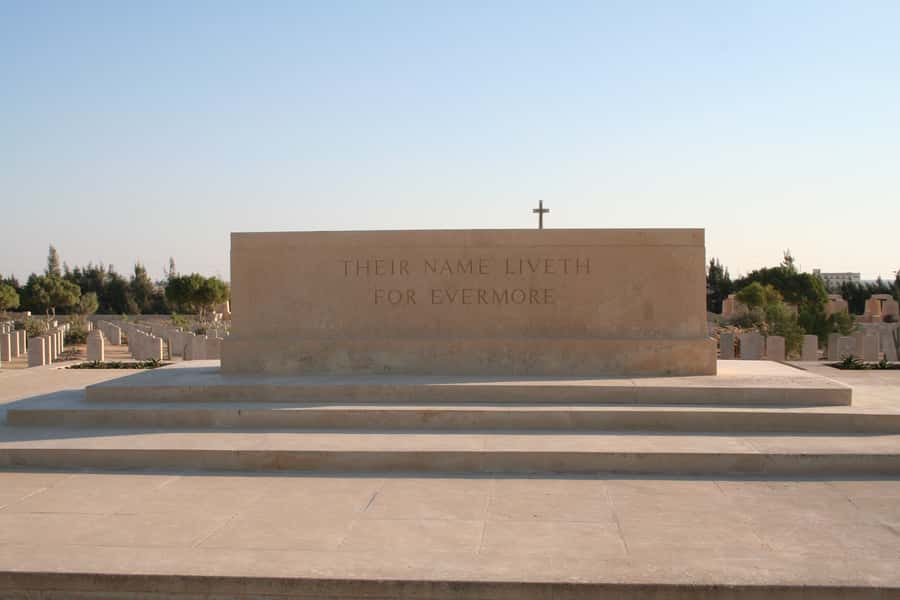
You’re not just looking at metal. The tour is built around understanding the importance of El Alamein in World War II, and Rommel (the Desert Fox) comes up as a key figure. Guides also bring in other people who fought in Egypt and explain why they matter in the larger conflict.
This is why the live guide matters so much. Reviews consistently praise guides for explaining exhibits in detail and answering questions rather than reciting a script. Names that stand out include Heba, Macy, Karma, Mohamed, Karim, and Mohammed Doma—people described as friendly, helpful, and focused on walking you through the meaning of what you’re seeing.
I like that the experience gives you both human explanation and the option to use an audio guide. That’s handy when you want to reread points later or if your attention drifts for a second while you’re staring at a tank.
Guides, pacing, and the small comforts that change the day

A six-hour day trip can either feel smooth—or like a sprint. The good news: many people describe it as unhurried. One review even notes the tour ran about an hour longer than quoted, without feeling chaotic.
Also, pickup and transport quality make a difference. Several reviewers mention being picked up right at their apartment, with friendly drivers and comfortable transfers. One driver named Mahmood is mentioned for keeping things easy and comfortable.
You’ll also appreciate that it’s often described as not rushed, and in some cases it’s even set up like a smaller group experience. Smaller groups are great in cemeteries, because you can actually pause without everyone tugging forward.
Food can be a sticking point on concentrated day trips. One review calls out that lunch was delicious but very late because it came after the tour. If you’re the kind of person who really needs to eat earlier, plan for snacks before you go, just in case the schedule stretches.
Price and value: what $90 buys you (and what it doesn’t)
The price is listed at $90 per person, and you’re paying for more than museum entry. Included are all transfers by air-conditioned vehicle, an expert tour guide, entrance fees, and service charges and taxes. That bundle can be good value, especially if you don’t want to spend time figuring out transport and admission on your own.
At the same time, this is a specialized topic. If you’re not into WWII history, you might feel the cost doesn’t match your interest. But if you are interested—especially in the battle context—this tour gives you a guided framework so the exhibits don’t become random.
One review compares cost to a taxi idea and suggests that going solo can be tricky, especially for cemetery access. That matters for value. A paid tour reduces the risk of getting stuck outside a section or not getting the guidance that makes the cemetery visits meaningful.
If you’re comparing options, keep this lens: you’re buying interpretation, not just transportation. In a place like El Alamein, interpretation can be the difference between seeing objects and understanding what they represent.
Go solo or book? The real trade-off

It’s tempting to do El Alamein as a self-drive or taxi day. And yes, taxis can be cheaper. But there’s a catch: access and local handling can affect what you actually see.
One review specifically warns that the German cemetery has to be opened by a local person and that person isn’t always there. That’s the kind of operational detail you don’t want to learn the hard way at a memorial site.
Booking a guided tour shifts the risk away from you. You have transfers, a guide to structure the day, and planned entry so you’re not gambling with access. If your goal is to cover the key cemetery sections and museum properly, paying for the organized experience usually saves stress.
Who this El Alamein day trip suits best
This tour fits best if you:
- Care about World War II history and want an expert to connect names and places to the artifacts
- Enjoy structured museum time, not just wandering
- Want cemetery visits included in a respectful, guided way
- Like having both live explanation and an optional audio guide
You might skip it if you’re sightseeing-only and not interested in war history. The cemeteries and weapon displays won’t be everyone’s idea of a fun afternoon.
It’s also a strong fit for first-timers who want the major sights without making a complicated plan from Alexandria. And if you’re traveling as a couple or solo, the reports of small-group or even private-feeling experiences are a plus.
Should you book the El Alamein Day Trip from Alexandria?
I’d book this if WWII history is on your must-see list and you want the day handled for you. The combination of the museum’s five-country halls, the outdoor tank and weapon garden, and the war cemeteries makes it a focused experience that’s hard to replicate well on your own.
Before you reserve, consider two things: your tolerance for a tight schedule (and possible late lunch) and how strongly you care about the cemetery sections. If you want every section covered, ask about cemetery coverage early in the day so you’re not disappointed by time limits.
If you get a guide like Heba, Macy, Karma, or Mohamed, you’re likely to come away with more than photos—you’ll leave with a clearer sense of the people and objects behind El Alamein’s WWII story.
FAQ
How long is the El Alamein day trip from Alexandria?
The duration is 6 hours.
What does the tour cost?
The price is $90 per person.
What’s included in the price?
Included are all transfers by air-conditioned vehicle, an expert tour guide, entrance fees, and all service charges and taxes.
What languages are available for the live tour guide?
Live tour guidance is available in Arabic and English. Other languages may be available depending on availability, with additional charges on certain dates; if your preferred language isn’t available, you’ll get live English plus an audio guide in your desired language.
Is the museum ticket line skipped?
Yes, the tour includes skip-the-ticket-line service.
How far in advance can you cancel for a full refund?
You can cancel up to 24 hours in advance for a full refund.
Is the tour wheelchair accessible?
Yes, it is wheelchair accessible.