REVIEW · ALEXANDRIA
Day Trip to Wadi El Natrun from Alexandria
Book on Viator →Operated by Jojo Tours · Bookable on Viator
Morning calls you, then history answers. This day trip from Alexandria to Wadi El Natrun is interesting because it strings together three surviving monasteries plus a walk through the desert setting in a single 7–8 hour outing, led by guides like Medhat who explain what you’re looking at.
I love two things most: the focused stop-by-stop visits (you’re not just dropped off) and the guide attention that keeps the experience from feeling like a rushed sightseeing loop. With hotel pickup and drop-off and a included local lunch, the day feels built for real comfort.
One possible drawback: it’s an early-morning start with a full schedule, so if you want long, slow free time, you might feel the pace. Also, the tour requires good weather, so bad conditions can affect timing.
In This Review
- Key highlights
- Why Wadi El Natrun Feels Different Than Most Day Trips
- Price and Value: What You Actually Get for $90
- The Early-Morning Start and the Road to the Western Desert
- Monastery of Saint Bishoy: A Guide-Led Introduction to One of the Eastern Anchors
- Monastery of Al-Baramous: The Romans Connection and a Crypt Below
- The Syrian Monastery: Small Scale, Big Reputation
- Wadi El Natrun Itself: A Desert Depression With Water Below
- Lunch Break: The Included Local Meal That Keeps the Day on Track
- What I Think Makes the Guiding Style a Standout
- Practical Tips to Get More From Every Hour
- Should You Book This Wadi El Natrun Day Trip From Alexandria?
- FAQ
- How long is the day trip from Alexandria to Wadi El Natrun?
- What’s included in the $90 price?
- Which monasteries do we visit on this tour?
- Is pickup and drop-off included in Alexandria?
- Is lunch included?
- What happens if the weather is poor or I need to cancel?
Key highlights
- Private guided day trip with only your group
- St. Bishoy, Al-Baramous, and the Syrian Monastery in one route
- Admission fees included, so you spend less time on logistics
- Wadi El Natrun: a desert depression with lakes fed by the Nile’s water table
- Medhat-style guiding, with clear history and a personal touch
Why Wadi El Natrun Feels Different Than Most Day Trips
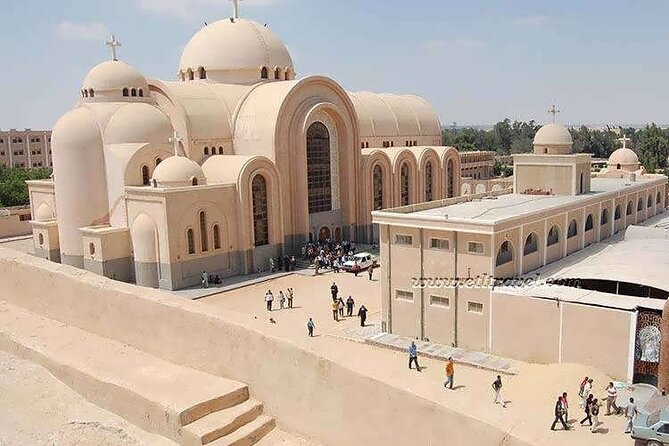
A lot of day trips are about checking boxes. This one is about atmosphere. Wadi El Natrun is a desert valley in the Western Desert near the Nile Delta, about 90 kilometers northwest of Cairo, and it sits about 23 meters below sea level. The setting matters because it helps explain why monastic life took root here and stayed strong.
The tour is also structured in a practical way. You get picked up early, you’re guided through the major monasteries that survive from this tradition, and you end with time to appreciate the wider Wadi setting. You’re not trying to piece together separate visits on your own. That’s real value, especially when you want history with less hassle.
A few more Alexandria tours and experiences worth a look


Price and Value: What You Actually Get for $90
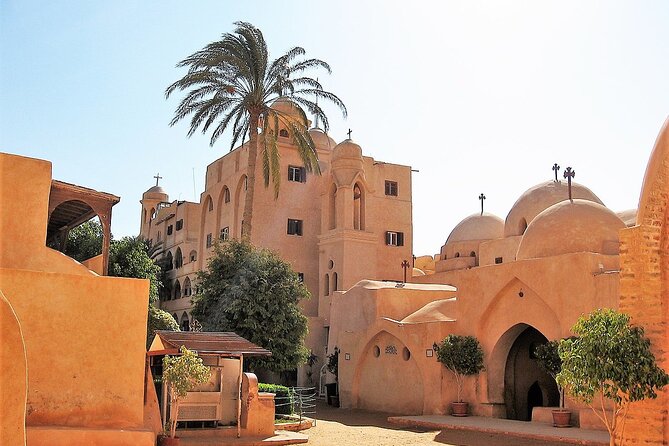
At $90 per person, the headline question is whether you’re paying for seats on a bus or for a complete, guided day. Here, a lot is included: entry fees, hotel or port pickup and drop-off, a professional guide, a water bottle, and a local lunch. The tour is also private, meaning only your group participates.
That combination is why this can be good value. You’re not paying extra for the monasteries along the way, and the guide turns your visits into something you can understand. Even though the day is long, the included lunch helps you avoid the usual scramble.
Booking tends to happen fairly close to the date—on average around 7 days in advance—so if you have a specific time window in Alexandria, plan ahead rather than hoping for last-minute availability.
The Early-Morning Start and the Road to the Western Desert
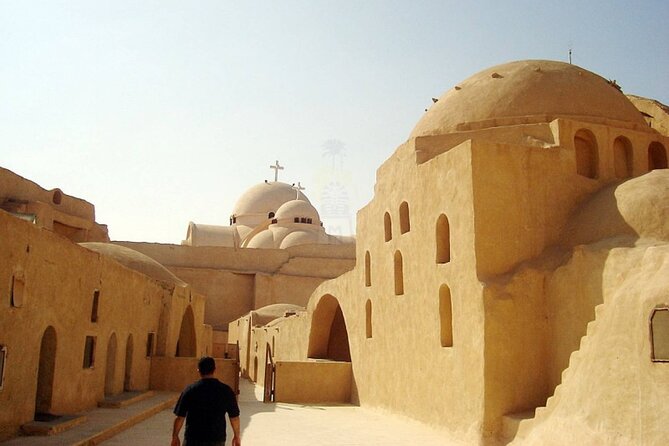
This is a long day by design. After pickup in Alexandria, your driver heads toward Wadi El Natrun, which is located in the Western Desert. The total duration is about 7 to 8 hours, so you’ll spend meaningful time traveling.
That matters for your planning:
- Wear comfortable clothes for a morning start.
- Bring patience for the drive, since you’re going far enough to feel like you truly left the city rhythm.
- Keep your energy for the sites—each stop is around an hour, so you’ll want to pay attention while you’re there.
The good news: the tour doesn’t leave you to figure anything out. You have a guide, a driver, and a set route—plus water is included.
Monastery of Saint Bishoy: A Guide-Led Introduction to One of the Eastern Anchors
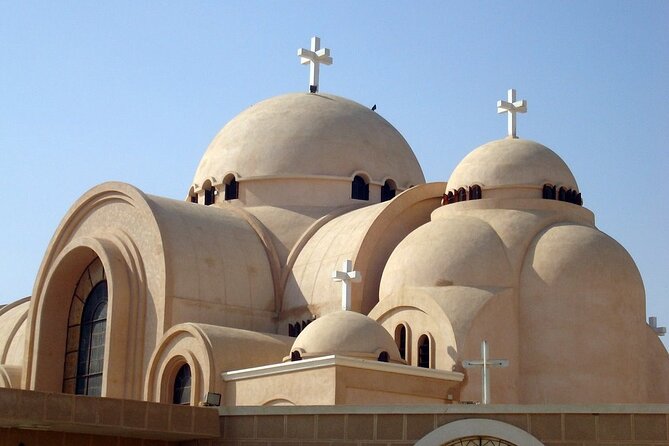
Your first major stop is the Monastery of Saint Bishoy (also listed as Dier Al Anba Bishoy / Pshoi). This is described as the most eastern surviving Christian monastery in Wadi El-Natrun, founded by St. Bishoy.
What makes this stop more than a name on a map is how the story is framed. You’ll hear that St. Bishoy is often said to have been born in the Nile Delta around 320 AD, and that his parents were deeply religious. A key element of the tradition is an angelic dream: the angel asked for the services of one of the mother’s children, and Bishoy was chosen. The tour also notes that the story can be told with varying details—so don’t treat it like one rigid, textbook version. Treat it like living tradition.
You’ll likely also appreciate the way the hour is handled. It’s enough time to understand the role of the monastery in the wider Wadi story, but not so long that you lose focus. If you’re the type who likes context more than clutter, this start works well.
Monastery of Al-Baramous: The Romans Connection and a Crypt Below
Next comes the Monastery of Al-Baramous, often described as very probably the first monastery established in Wadi El-Natrun. The modern name, Al-Baramus, is derived from a Coptic Christian term: Pa-Rameos, meaning “that of the Romans.”
This is where the tour becomes interesting in a very specific way. The name connects to Maximus and Domidus, sons of Roman Emperor Valentinus, who are described as having died from excessive fasting. Their bodies were buried in a crypt below the Church of the Virgin.
That’s a lot of meaning for a single stop. It gives you a thread to hold onto: Wadi El Natrun isn’t only a local spiritual pocket—it’s part of a wider timeline that includes Roman influence and early Christian devotion. You can walk away understanding why certain monasteries became anchors for people who came long before modern tourism existed.
One note to keep expectations realistic: the stop is about 1 hour, so you won’t get an endless, museum-like experience. You’ll get guided clarity, not deep self-paced wandering.
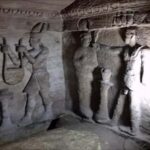



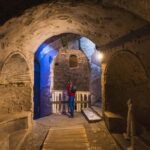
The Syrian Monastery: Small Scale, Big Reputation
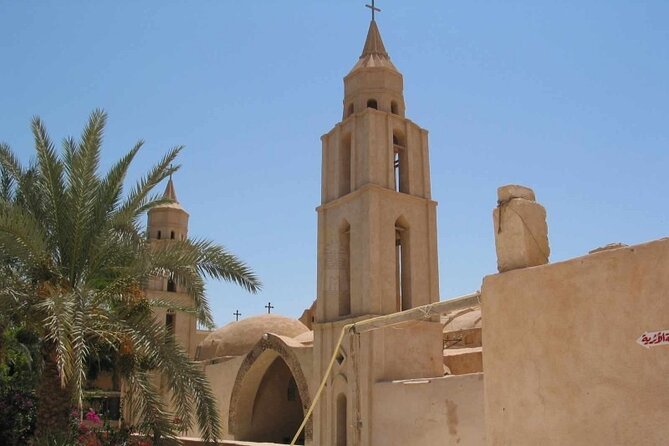
Then you head to the Syrian Monastery, described as the smallest surviving monastery of Wadi Natrun and also among the most famous for clerics and scholars. Even if the buildings are smaller, the reputation is not.
The monastery’s foundations date back to the fourth century AD, but it’s called the Monastery of the Syrians because a group of al-Surian monks settled in Wadi El Natrun in 984 AD. That detail is useful for understanding how the identity of a place can develop over time. The foundations are older; the name and cultural link are later.
This is the kind of stop where your guide matters. With attentive explanations, the hour can feel like you’re learning how labels form—how a monastery becomes known for a certain community even when the site itself predates that community by centuries.
Wadi El Natrun Itself: A Desert Depression With Water Below
After the monasteries, you’ll spend time at Wadi El Natrun itself. This is about appreciating the setting that made monastic life possible.
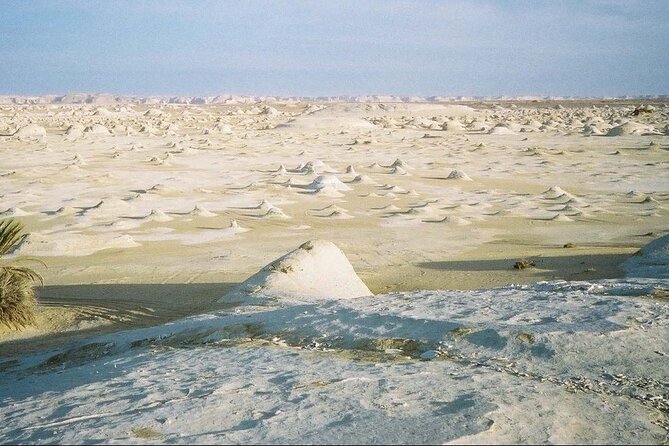
The tour describes Wadi El Natrun as a northwesterly oriented desert depression roughly 60 kilometers long. It lies near the Nile Delta and is about 90 kilometers northwest of Cairo. The Wadi is about 23 meters below sea level, and lakes fed from the water table of the Nile dot the landscape.
That detail can change how you picture the place. Even though it’s in the Western Desert, it’s not purely dry and empty. The presence of water fed from the Nile’s water table is a key piece of the story—because it helps explain why people could sustain long-term religious communities here.
This stop is about 1 hour and is free of admission fees. In practice, it’s a breather from the monastery focus, but also a chance to connect the dots you just heard.
Lunch Break: The Included Local Meal That Keeps the Day on Track
Between the monasteries and the Wadi stop, you’ll have a local lunch. This is included, which matters more than it sounds.
When a day trip runs long, the bottleneck is often not the sightseeing. It’s hunger and decision-making. An included meal removes that stress so you can keep paying attention to the guides and not spend the middle of the day searching for food.
If you’re sensitive to pacing, this lunch time can be your reset button before the later sites.
What I Think Makes the Guiding Style a Standout
You can have a great route and still end up with a forgettable experience. The difference here is that the guide approach seems to be built around explaining what you’re seeing, not just moving you from stop to stop.
One example from the experience: Medhat is described as showing everything and giving history in a way that feels almost magical. The other big detail is that the guide knew some of the monks, which can add a human layer to what you’re otherwise seeing as stone and tradition.
Even if you’re not looking for a personal connection, clear context makes monasteries much easier to respect and understand. Instead of just photographing doorways and domes, you end up learning why the place matters.
Practical Tips to Get More From Every Hour
This tour moves, but it’s not frantic. Still, a few choices can make your day smoother.
- Plan for a long day: around 7–8 hours from Alexandria.
- Start early with a clear head. Monastery visits work best when you’re alert enough to follow the story.
- Bring a light layer and comfortable footwear. Even if weather is fine, monasteries can involve time on uneven ground.
- Stay hydrated. A water bottle is included, but you may still want to drink consistently, especially after a long morning.
- Ask the guide questions while you’re inside the monasteries. The hour goes fast, and explanations are most useful when you can connect them to what you’re seeing.
Should You Book This Wadi El Natrun Day Trip From Alexandria?
If you want a day trip that feels purposeful—not random—and you care about Christian monastic history presented clearly, this is a strong choice. The biggest reasons I’d recommend it: you get a private guide, entry fees are included, and you’re not stuck dealing with transfers between separate sites.
You might skip it if you hate early starts, need a lot of free time, or know you’re planning around uncertain weather. The tour also depends on good conditions, since it’s described as requiring good weather.
For most people who value guided understanding over solo navigation, this is a smart, efficient way to see Wadi El Natrun without turning your day into logistics.
FAQ
How long is the day trip from Alexandria to Wadi El Natrun?
It lasts about 7 to 8 hours, including pickup, the monastery visits, lunch, and the Wadi stop.
What’s included in the $90 price?
The price includes entry fees, a professional guide, a water bottle, a local lunch, and hotel or port pick up & drop off.
Which monasteries do we visit on this tour?
You’ll visit Monastery of Saint Bishoy, Monastery of Al-Baramous, and the Syrian Monastery, plus time at Wadi El Natrun.
Is pickup and drop-off included in Alexandria?
Yes. The tour includes hotel or port pick up & drop off.
Is lunch included?
Yes. You’ll have a local lunch during the tour.
What happens if the weather is poor or I need to cancel?
The tour requires good weather. If it’s canceled due to poor weather, you’ll be offered a different date or a full refund. There is also free cancellation up to 24 hours in advance for a full refund.