REVIEW · ALEXANDRIA
Day Tour in Alexandria from Alexandria Hotels , Airports & Ports
Book on Viator →Operated by Jojo Tours · Bookable on Viator
Alexandria in one very workable day. This private tour turns a long city into a clean plan, with a guide who meets you at the port holding your name and then helps you shape the day around the sights you want. I love the flexibility to choose four stops from top picks like Bibliotheca Alexandrina, Montazah Gardens, and Saint Mark’s Cathedral. I also like the included access to major sites (plus bottled water) so you spend less time figuring out logistics. The main drawback is the schedule: it’s about 12 hours, so you’ll want comfy shoes and a calm pace.
I’m also a fan of the “you’re not stuck in one track” approach. You’ll start with big anchors like the Great Library and a Roman amphitheater, then move through churches, mosques, catacombs, forts, and the Alexandria National Museum. If you want lunch, you’ll go to a seafood spot overlooking the sea, which is a smart reset during a long day.
In This Review
- Key highlights worth knowing
- How the Alexandria day tour runs from port or hotel pickup
- Picking your four sites: making the day feel personal
- Bibliotheca Alexandrina and the Roman amphitheater
- Montazah Gardens and Saint Mark’s Coptic Cathedral
- Abu al-Abbas Mosque and Kom el Shoqafa catacombs
- Pompey’s Pillar (Serapeum) and Fort Qaitbay
- Alexandria National Museum: three levels, one stop
- Sea-view lunch and pacing a 12-hour day
- The included extras: Jewish Temple, Tomb of the Unknown Soldier, Mohammed Ali Square
- Price, value, and what you should verify before you go
- Should you book this tour?
- FAQ
- What’s the duration of the Alexandria day tour?
- Do I get pickup from my hotel or from Alexandria Port?
- Can I choose which attractions I visit?
- Is lunch included?
- Are admission tickets included?
- Is this a private tour?
Key highlights worth knowing
- Name-sign port pickup: your guide waits inside Alexandria Port with a sign showing your name.
- Pick four sites: build your day from a menu including Bibliotheca Alexandrina, Montazah, and Abu el-Abbas.
- Admissions built in: major stops list admission tickets included, helping you control costs.
- Museum on three levels: the Alexandria National Museum’s layout makes it easy to follow the story.
- Included extras: Jewish Temple, Mohammed Ali Square, and the Tomb of the Unknown Soldier are part of the deal.
- Private group feel: only your group participates, so you can ask questions and adjust pace.
How the Alexandria day tour runs from port or hotel pickup
This is a one-day, private format designed for people who want to see the best-known Alexandria landmarks without losing hours to indecision. Your day typically starts with pickup from Alexandria Port or your hotel, depending on where you are staying. If you’re starting from the port, your guide waits inside and holds a sign with your name, which is a small detail that saves real time.
Once you’re together, the structure is straightforward: you’ll move site to site with a guide leading the flow and explaining what you’re seeing. The total time is about 12 hours, so it’s more like a “full day sightseeing plan” than a quick hit. You’ll get plenty of landmark time, but you should still plan for a long stretch outdoors and between stops.
One practical note: the tour is private, but it still runs like a group day in the sense that you’re following a set rhythm. That works well if you like momentum and hate waiting around. It can feel like a lot if you prefer slow museum browsing with long breaks.
You can also read our reviews of more tours and experiences in Alexandria.

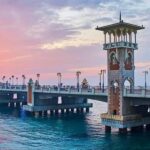

Picking your four sites: making the day feel personal
Here’s the big advantage: you can customize your day. You choose four places from a list that includes Bibliotheca Alexandrina, Alexandria National Museum, Catacombs of Kom el Shoqafa, Pompey’s Pillar, Fort Qaitbay, Montazah Gardens, Saint Mark Cathedral, and Abu el Abbas Mosque.
This matters because Alexandria can be heavy on “must-sees,” and not everyone wants the same mix. If you love architecture and places of worship, you might prioritize Saint Mark and Abu el-Abbas. If you’d rather focus on ancient sites and archaeology, you can lean into Bibliotheca Alexandrina, catacombs, and the column/Serapeum stop. If museums are your thing, you can make the National Museum one of your four anchors.
One thing to be ready for: choosing only four stops means trade-offs. You’ll likely feel satisfied if you pick what you truly want, but you might skim the edges if you try to cover too much variety. My best advice is to decide your “must-do” and then pick three supporters around it, not four equal priorities.
Bibliotheca Alexandrina and the Roman amphitheater
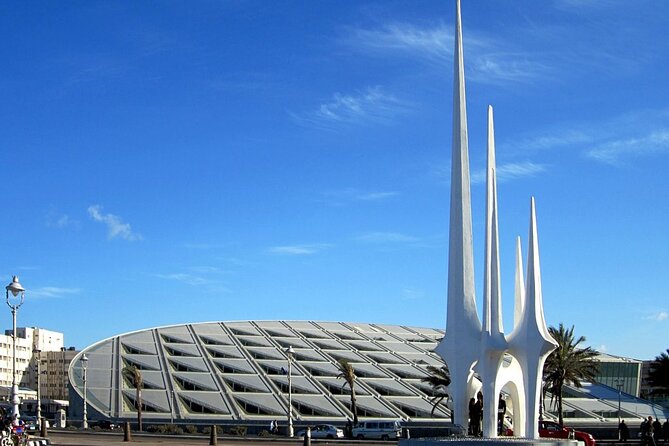
You start with the headline modern anchor: Bibliotheca Alexandrina, tied to the ancient Great Library tradition. The tour frames it as a major achievement of ancient Alexandria, founded in the 3rd century BC after Alexander the Great made Alexandria a new capital. You’re also told about the larger institution of learning connected to the library—the Mouseion—and how these centers helped preserve knowledge from the ancient world.
Then the day shifts into Roman Alexandria with an ancient Roman amphitheater. This stop is interesting because it isn’t treated like a vague ruin. It’s described as a key discovery from the 20th century, with evidence that the theatre was built as early as the 4th century AD and used through the 7th century, passing through Roman, Byzantine, and Islamic eras. That timeline gives you a way to look at the site as a living space that kept getting reused over centuries.
Time tip: both of these stops work best when you let the guide connect details in plain language. If you rush through, you lose the “why it matters” part, especially at the Roman theatre where the story is the real hook.
Montazah Gardens and Saint Mark’s Coptic Cathedral
Next you head toward the sea-facing calm of Montazah Gardens. The tour notes Montazah Palace in expansive gardens overlooking the coast, built in the early 20th century by Khedive Abbas II. It also highlights the architecture mix: Turkish and Florentine influences, with the palace’s central tower inspired by the Palazzo Vecchio in Florence. That European design reference is an unusually concrete way to appreciate what you’re seeing, because it goes beyond “pretty views” and explains the design choices.
After the gardens, you’ll visit Saint Mark’s Coptic Orthodox Cathedral, described as one of the most amazing places in Alexandria and as the oldest church in Alexandria. This stop is valuable for the cultural perspective. It’s not just another building; it’s tied to Alexandria’s long religious continuity, and it adds a different tone to your day after the outdoor and heritage-focused sites.
Drawback to consider: cathedral visits can depend on timing and how active the site is when you arrive. If you’re the type who likes uninterrupted photos and long explanations, plan on doing your best listening rather than trying to freeze every moment.
Abu al-Abbas Mosque and Kom el Shoqafa catacombs
For many people, the emotional highlight comes in two parts: Abu al-Abbas al-Mursi Mosque and the Catacombs of Kom el Shoqafa.
The mosque stop is described as one of the most beautiful mosques in Egypt and the most important and magnificent in Alexandria. That kind of language matters on a practical level: when you go in, you’re primed to pay attention, not just walk through. It’s a site where the guide’s explanation can steer you toward the features that make it special.
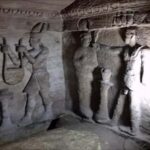
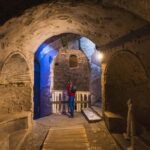
Then you switch gears with the Catacombs of Kom el Shoqafa, a distinct underground setting and a major name on Alexandria’s heritage map. The tour lists it as a full 1-hour stop with admission included, which signals it’s meant to be more than a quick photo pause.
Planning tip: catacombs tend to feel different from open-air sites—so if you’re sensitive to confined spaces or lower lighting, tell yourself you’re doing a short, focused visit, not an all-day wandering session. The guide’s pacing usually helps.
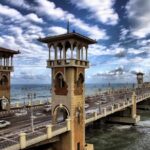



Pompey’s Pillar (Serapeum) and Fort Qaitbay
The day includes a famous single-column landmark: the Serapeum of Alexandria. The guide explanation here is unusually specific and helps you avoid the common confusion. The tour points out that the column has nothing to do with Pompey’s personal story as people often assume, even though Pompey’s name appears in the usual references. Instead, it ties the confusion to how historical names get mixed up over time.
That matters because it teaches you how to look at labels and local stories with a little skepticism. You’re not just seeing a column—you’re learning how history gets remembered (and sometimes misremembered).
After that comes Fort Qaitbay, a defensive stronghold along the Mediterranean coast. The tour frames it as one of Alexandria’s most important defensive sites, and because it’s tied to coastline defense, it gives context to why this location mattered.
If you like views: fort stops are often easier because you naturally look outward. If you don’t like climbing or uneven ground, tell your guide what pace works for you. A good guide will adjust without making it a big deal.
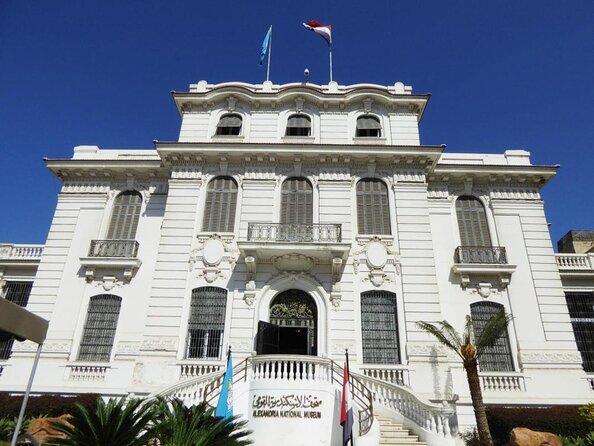
Alexandria National Museum: three levels, one stop
The Alexandria National Museum is laid out in a very readable way, and that’s exactly why it fits a guided day. The tour describes three levels:
- The basement with Pharaonic artefacts
- The ground level with Graeco-Roman treasures
- The 1st floor with Coptic Christian and Islamic heritage, plus some insight into valuables left by King Farouk’s family before the 1952 revolution
This “three-level story” is valuable because it turns a museum into an organized timeline. You’re not trying to catch everything at once—you’re following a path from older Egypt, into the Greco-Roman blend, and then into later religious heritage.
One of the standout things from past experiences with guides on this route is how clearly they walk you through the floors. Guides such as Mohammad have been noted for explaining the highlights on all three levels in a way that keeps the visit feeling structured rather than overwhelming.
Sea-view lunch and pacing a 12-hour day
Lunch is optional, but if you want it, you’ll be taken to a seafood restaurant overlooking the sea. That’s a practical choice in a long day because it gives you a visible, relaxing break and a change of pace from heritage sites.
My tip: treat lunch as part of your timing strategy. If you’re too late, you can lose momentum later, especially if your four chosen stops shift order. The same way you wouldn’t rush a museum, don’t turn lunch into a sprint.
Also, because the tour runs about 12 hours, plan your expectations around energy. You’ll likely cover a lot of different settings: indoor-ish cathedral and museum moments, plus outdoor forts, gardens, and amphitheater areas. If you’re traveling in warmer months, bring water habits into your rhythm even though bottled water is included.
The included extras: Jewish Temple, Tomb of the Unknown Soldier, Mohammed Ali Square
Beyond your chosen four major sites, the tour includes a bonus set of stops: the Jewish Temple, the Tomb of the Unknown Soldier, and Mohammed Ali Square. These are valuable because they broaden the day beyond only ancient monuments. They give you a sense of Alexandria as a living city with multiple cultural threads.
The Tomb stop also helps anchor the day emotionally. It gives you a pause from architecture and archaeology and replaces it with commemoration.
Mohammed Ali Square works as a “city orientation” point. Even if you don’t know much about Alexandria at the start, square-and-landmark visits help you build a mental map. It’s the kind of practical value that makes future self-guided wandering easier.
Price, value, and what you should verify before you go
The price is $54.00 per person, and the tour is booked well in advance (around 262 days on average). What makes that cost feel reasonable is what’s wrapped into the day: private tour format, pickup, bottled water, and listed admission ticket inclusion for the main stops.
You should still verify two things before you commit:
- Entry fees are listed as optional on the overview side of things, while the schedule lists admission tickets as included at each main stop. Ask your provider which gates are covered and whether anything could be paid on the ground.
- Lunch is optional. If you don’t want the sea-view restaurant stop, you can plan your own break.
Also, group discounts are mentioned. If you’re traveling with friends or family, ask whether the discount applies to your exact group size, since the tour is private but pricing can still vary by arrangement.
Finally, about timing: because this is about 12 hours, dress for comfort and expect a long day. The best value usually comes when you show up ready to walk, listen, and ask questions.
Should you book this tour?
Book this tour if you want a guided Alexandria hit with smart structure: port/hotel pickup, pick-your-four flexibility, big landmarks, museum time, and included extras like the Jewish Temple and Mohammed Ali Square. It’s especially good for first-time visitors who want coverage without turning the day into guesswork.
Skip it (or adjust your plan) if you hate long schedules, prefer total freedom over guidance, or need lots of downtime between sites. The day is full, and Alexandria rewards a patient pace.
If you’re deciding between a rushed hop-on ride and a slow self-guided stroll, this sits in the middle. You get a plan you can personalize, plus enough explanation to make the landmarks stick.
FAQ
What’s the duration of the Alexandria day tour?
It runs for about 12 hours.
Do I get pickup from my hotel or from Alexandria Port?
Yes. Pickup is offered, and if you start from Alexandria Port, your guide waits inside holding a sign with your name.
Can I choose which attractions I visit?
Yes. You can customize your day by choosing four places from a set list that includes Bibliotheca Alexandrina, the Alexandria National Museum, Catacombs of Kom el Shoqafa, Pompey’s Pillar, Fort Qaitbay, Montazah Gardens, Saint Mark Cathedral, and Abu el Abbas Mosque.
Is lunch included?
Lunch is optional, not included.
Are admission tickets included?
Admission tickets are listed as included for the main stops on the day. Entry fees are also noted as optional, so it’s smart to confirm what is fully covered.
Is this a private tour?
Yes. Only your group participates.