REVIEW · LUXOR
Princess Sarah Cruise 5 days 4 nights from Luxor to Aswan
Book on Viator →Operated by Egyptian Felucca ride On the Nile · Bookable on Viator
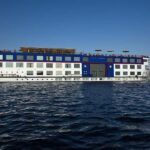
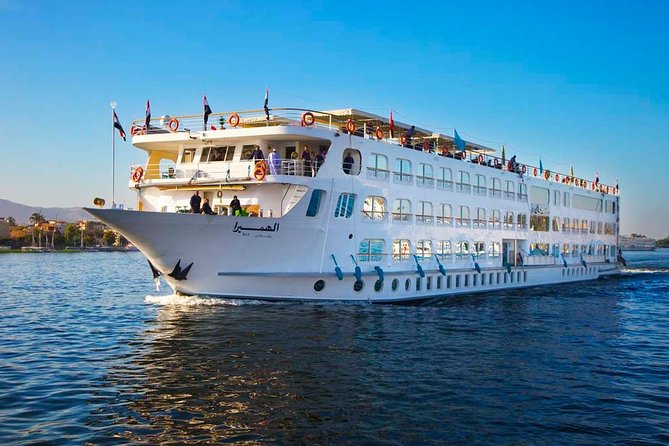
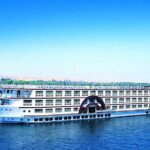
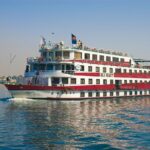
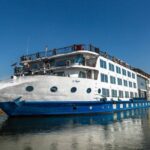
Nile time makes ancient Egypt click. This 5-day Luxor-to-Aswan cruise gives you a private Egyptologist guide and built-in sightseeing so the monuments actually make sense, not just look impressive. You’ll sleep onboard the Royal Ruby for four nights, with the river as your moving “hotel corridor.”
I especially like that you get key sites packed in—Karnak and Luxor Temple, then the Valley of the Kings—without the hassle of changing hotels or constantly figuring out logistics. You also get round-trip transfers, bottle water, and admission tickets included, which helps keep the day from turning into a running expense list.
One thing to consider: the ship experience seems to be inconsistent. The Royal Ruby is often described as spacious and staffed well, but there are also reports of rooms needing better upkeep, uneven cleanliness, and occasional service/food complaints—so it pays to manage expectations and be picky about your cabin.
In This Review
- Key things to know before you go
- Why a Luxor-to-Aswan Nile cruise beats a hotel-hopping tour
- Royal Ruby cabins: big windows and river views, but verify the details that matter
- Day 1 in Luxor: Karnak and Luxor Temple at a human pace
- Day 2 on the west bank: Valley of the Kings with time to focus
- Day 3 in Upper Egypt: Edfu (Temple of Horus) and Kom Ombo’s double temple
- Edfu area: Temple of Horus
- Kom Ombo: the double temple
- Day 4 Aswan: Philae island temples and a short hit of the High Dam
- Philae Temple Complex: UNESCO-era rescue story
- Aswan High Dam: 30 minutes, but it matters
- Meals onboard: included food can be good, but don’t assume luxury
- Transfers, timing, and the real-world value of “no hotel changes”
- Price and logistics: is $780 per person a fair deal?
- A word about the guide and how to get the most from them
- Should you book the Princess Sarah Cruise to Aswan?
- FAQ
- What’s included in this Luxor to Aswan cruise package?
- How long is the Princess Sarah Cruise, and how many nights are onboard?
- What sights are covered during the 5 days?
- Is the tour private, and will I have time with the guide?
- What’s the start time and meeting point?
- What’s the cancellation policy if plans change?
Key things to know before you go
- Private Egyptologist guidance for the big stops, so you’re not just photographing walls
- 4 nights onboard the Royal Ruby, meaning fewer hotel moves and more time on your schedule
- Karnak + Luxor Temple on Day 1, with enough time (2–3 hours each) to actually see the details
- Valley of the Kings on the west bank, scheduled for a focused half-day-style block
- Edfu and Kom Ombo grouped into one longer river day, saving you from constant transfers
- Philae + Aswan High Dam on Day 4, a strong mix of sacred ruins and modern engineering
Why a Luxor-to-Aswan Nile cruise beats a hotel-hopping tour
If you want the easy version of Egypt’s “greatest hits,” a Nile cruise does the heavy lifting. The river ride matters, too. It’s not just transportation; it’s the time buffer that keeps you from feeling like every hour is “rush, queue, repeat.”
In this package, your core advantage is that the sightseeing plan is designed around staying onboard. You see Luxor, then move south day by day to the major temple hubs—Edfu, Kom Ombo, and Aswan—without you packing and unpacking at each stop. That’s a real quality-of-life upgrade in Egypt, where travel days can otherwise steal your energy.
You also get a private, Egyptologist guide, which is the difference between walking through a temple complex and understanding what you’re looking at. I’m a big fan of that “translation layer,” especially at Karnak and the valley tomb area, where names and layout can feel like alphabet soup without context.
That guide also helps you pace your own interests. If you’re the type who wants to pause at a single relief and ask why it’s there, private guidance makes that possible. If you’re more “show me the must-sees fast,” you’ll get the story without feeling trapped in a lecture.
You can also read our reviews of more boat tours in Luxor
Royal Ruby cabins: big windows and river views, but verify the details that matter
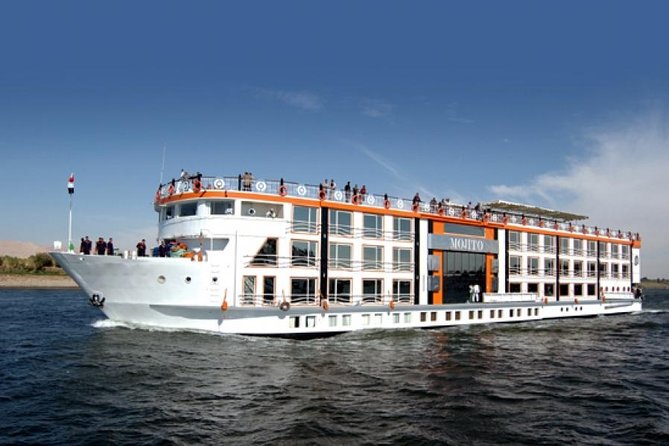
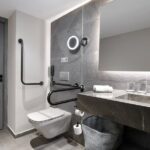
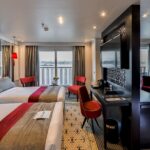
Let’s talk cabin reality. People often report that cabins on the Royal Ruby can feel spacious and include practical basics like a safe and daily cleaning. You may also find a large window that helps you enjoy the passing Nile scenery, especially during the calmer sailing stretches.
At the same time, the boat is not consistently described as brand-new. Some cabins are mentioned as needing updating, having issues like malfunctioning fridge/TV, or feeling a bit dark and dated. The biggest “watch this” item is cabin location: there are reports of at least one cabin feeling noisy or affected by proximity to operational areas (think vibration and odors).
So here’s how I’d handle it if you care about comfort:
- When you get your cabin assignment, ask where it is located on the ship.
- If you’re sensitive to noise or smells, choose based on quietness over size.
- Don’t assume there’s a coffee setup in the room. One comment specifically noted no coffee maker.
Also keep in mind the cruise vibe is part relaxing, part functional. You’ll have onboard downtime, a deck for relaxing, and meals included—great. But you’re still on a working Nile ship with real-world maintenance and service flow.
Net: if you’re flexible and you prioritize the sights + guide, the cabin can be plenty good. If you’re expecting a modern, polished “resort” interior, you may feel disappointed.
Day 1 in Luxor: Karnak and Luxor Temple at a human pace
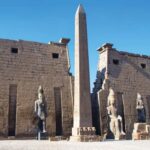
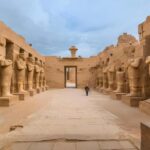
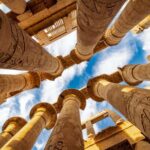
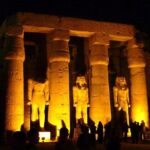
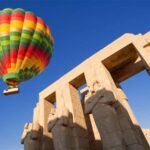
Day 1 is a strong start because it anchors you in both the scale and the symbolism of ancient Thebes. Karnak comes first, and it’s not a “walk-through.” It’s a whole city of stones—temples, chapels, pylons, and buildings built and rebuilt across centuries.
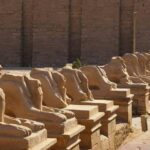
At Karnak, you’ll want to slow down for layout. Construction began in the Middle Kingdom, with most surviving structures dating to the New Kingdom. The complex functioned as a core worship center for Amun, and it sat inside the ancient city of Thebes. With a private Egyptologist guide, you can connect those dry facts to real visuals—doorways that lead nowhere (for a reason), pylons that changed over time, and spaces built for rituals rather than tours.
Expect around 2 hours for Karnak. That’s a good window: long enough to see the major areas without feeling like you need to sprint.
Then you move to Luxor Temple (about 3 hours). This one is on the east bank and was constructed around 1400 BCE. Even its name hints at what it was meant for, tied to the southern sanctuary concept. It’s a major contrast to Karnak’s sprawling chaos. Luxor Temple feels more “curated,” easier to follow, and it’s a great place to pick up the story threads you started at Karnak.
Practical tip: dress for sun and dust. Even with good timing, Luxor can feel relentless. Bring a hat and water, and use the guide to choose which corners you really want to linger in. That’s where you’ll get the payoff.
Day 2 on the west bank: Valley of the Kings with time to focus
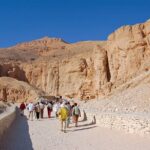
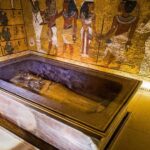
The Valley of the Kings is where Egypt becomes personal. It’s a collection of rock-cut tombs in a wadi on the west bank, opposite modern Luxor, created for pharaohs and powerful nobles during the New Kingdom (about 16th to 11th century BC).
The important thing here is not to treat it like a “single photo spot.” It’s a tomb complex with structure, choice, and meaning. The names and dynasties matter, but only if someone helps you see what’s actually going on: why this location, why the selection of tombs, and how the tomb layout connects to the beliefs about afterlife.
Your scheduled time is about 3 hours, which is enough to get oriented and still spend real time inside (if your visit includes interior access during that window). This is the day where a private guide really earns their keep, because the “why” turns the carvings from decoration into a message.
Also: west bank sunlight can be intense, so a little early planning goes a long way. Wear sturdy shoes. There’s some uneven ground, and you’ll be moving around more than you might expect for a “valley walk.”
Day 3 in Upper Egypt: Edfu (Temple of Horus) and Kom Ombo’s double temple
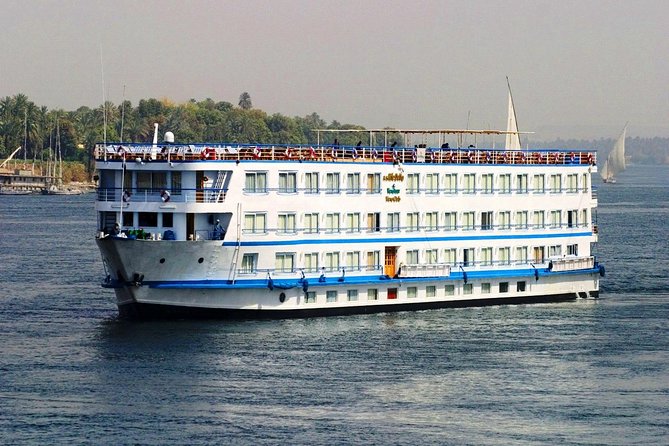
Day 3 is a classic Nile cruise combination: Edfu first, then Kom Ombo. It’s a long day, but it’s efficient. You’re not bouncing between dozens of cities; you’re hitting two heavyweight temple sites that are different in feel even though they’re both tied to sacred Egyptian gods.
A few more Luxor tours and experiences worth a look
Edfu area: Temple of Horus
Edfu’s big draw is its Horus-focused temple complex. The city itself has a Hellenistic name—Apollo-related—because Horus was identified with Apollo in the Greco-Roman period. That mix of Egyptian and later interpretation can be fascinating when your guide points out where the culture shifted while the temple function stayed religious and symbolic.
You’ll get about 3 hours here, which should allow you to see the main ceremonial spaces rather than just standing at an entrance gate for a quick “tick-the-box” photo.
Kom Ombo: the double temple
Kom Ombo is the opposite of a “one-god” temple experience. It’s described as an unusual double temple built during the Ptolemaic dynasty (180–47 BC), with later Roman additions. The double design matters: you can look for how different deities are honored in different halves, and how the temple’s role served multiple religious needs.
Your time is about 3 hours, which is a solid chunk for understanding the structure and not just reading hieroglyphs as texture. Expect the guide to connect the architectural design to the worship purpose.
Practical note: this is a day when you’ll want to pace hydration. You’re outdoors for much of it, and even with bottle water included, your body may ask for more. Don’t wait until you feel thirsty.
Day 4 Aswan: Philae island temples and a short hit of the High Dam
Aswan is where the Nile feels wider and the pace can slow down a notch. Day 4 combines archaeology and modern history, which I like because it keeps Egypt from feeling frozen in the past.
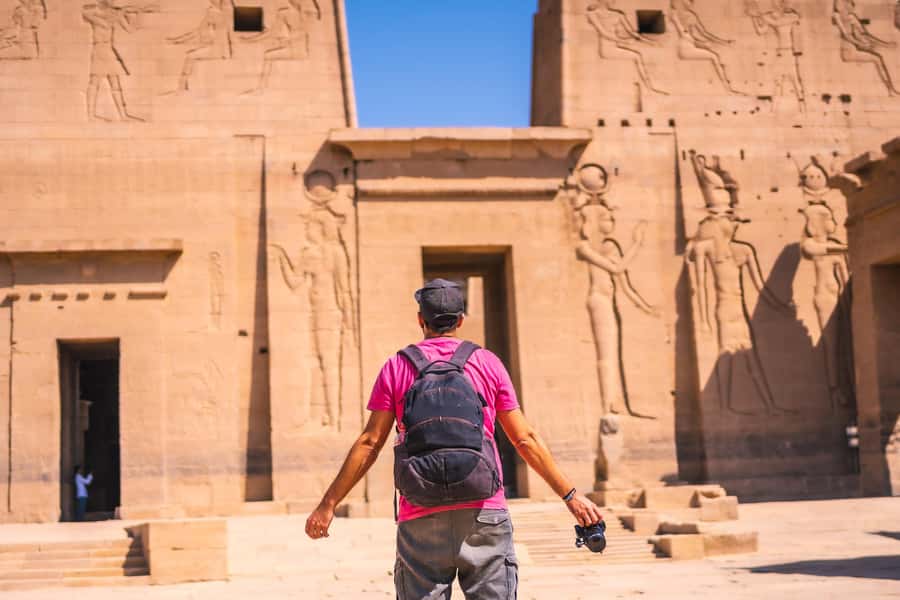
Philae Temple Complex: UNESCO-era rescue story
Philae is tied to a dramatic story of flooding and preservation. The temple complex was originally near the First Cataract area, but construction of the Aswan Low Dam altered water patterns and led to repeated flooding. Later, during the UNESCO Nubia Campaign, the complex was dismantled and moved to Agilkia Island.
This kind of context is exactly what a good guide turns into a real lesson. The stones aren’t just old; they were saved. And that gives you a different kind of respect while you walk the site.
You’ll have about 3 hours at Philae. That should be enough to see major features and understand the layout without being herded.
Aswan High Dam: 30 minutes, but it matters
Then you get 30 minutes at the Aswan High Dam. This isn’t a long stop, so think of it as a quick “why this place matters” angle rather than a full engineering tour. It’s also a reminder that modern Egypt is built on decisions made around water management, which directly shapes what you can see downstream.
Because it’s short, your best move is to arrive ready to look. Ask your guide what changed after the High Dam compared to the earlier Low Dam in 1902. Even a few clear answers make the stop more meaningful.
Meals onboard: included food can be good, but don’t assume luxury
Your package includes breakfasts (4), lunches (5), and dinners (4). That’s one of the best value signals in the deal: you’re not constantly paying for meals between temple stops.
In practice, the onboard dining experience sounds mixed. Some comments highlight good variety and friendly staff, including cheerful service and solid meal quality. Others point out food that felt repetitive or not especially varied, plus bread and dietary needs not always handled the way some guests would prefer.
So go in with a simple mindset:
- Expect filling meals and a functional rhythm.
- Don’t expect gourmet fine dining.
- If you have dietary needs, plan to manage them with what’s offered, since flexibility isn’t guaranteed from the information given.
One small practical point: some in-room comforts (like coffee maker availability) may not be what you’d get in a higher-end hotel, so bring a way to get your caffeine if that’s essential for you.
Transfers, timing, and the real-world value of “no hotel changes”
The big practical win here is that you’re covered for round-trip transfers to and from the cruise port, plus hotel pickup and drop-off. Transport is by private A/C vehicle (latest model vehicle is specified), and you also get bottle water.
Starting at 9:00 am means you’ll be using daylight well. That’s smart in Egypt, where afternoon sun can drain patience fast. It also fits the temple rhythm: early start, longer sightseeing blocks, then onboard time after.
Because the tour is private (only your group participates), you avoid the chaos of large multi-language bus group juggling. Private tours don’t automatically mean easy. But when the guide is set up to work with just your party, you tend to get faster organization and fewer “everyone stand here now” moments.
Also worth noting: admission tickets are included at the main stops. That matters. It reduces one more variable when you’re moving between sites and trying to keep your time tight.
And yes, tipping is not included. That’s standard in many Egypt tours. I’d treat tipping as part of your budget and not as an afterthought.
Price and logistics: is $780 per person a fair deal?
At $780 per person for about 5 days and 4 nights, you’re paying for a bundle: ship accommodation, a private guide, transport, admissions, and a lot of meals.
Is it a steal? Not automatically. For the value to feel “great,” you need the guide and the included sites to be the priority, and you need to accept that the ship experience may not be brand new.
Where the price starts to make sense:
- You’re getting admissions included for multiple major stops.
- You’re not changing hotels.
- You’re paying for private Egyptologist guidance rather than joining a bus group where you might get less time and less explanation.
Where the price might feel less attractive:
- If you’re very sensitive to room cleanliness, noise, or consistency of service/food, the ship can become the weak link.
- If you expected a top-tier modern onboard experience, you might compare what you get to the images you imagined.
My practical recommendation: decide which matters more to you—the history stops with a strong guide, or a polished ship interior. This cruise is best viewed as a guided monument-and-river experience. If that’s your style, the pricing is easier to justify.
A word about the guide and how to get the most from them
One name that showed up is Saladino, described as brilliant and very knowledgeable and passionate about Egypt. That kind of energy makes a difference. Even the best monument needs someone to translate it into human meaning.
Here’s how to make the guide work for you:
- Ask 1–2 questions at each stop that connect architecture to the culture (what this space was for, why it was built this way, what the symbols mean).
- Use the guide to choose what to photograph versus what to simply understand.
- If you’re not sure how long something will take, ask early so you can manage your own pace.
Private guidance is only as good as what you do with it. Don’t be shy—guides like engaged questions.
Should you book the Princess Sarah Cruise to Aswan?
I’d book it if you want an efficient, guided Nile cruise that hits the major Luxor and Aswan sites and keeps you out of hotel-change chaos. The combination of Karnak + Luxor Temple + Valley of the Kings, then Edfu and Kom Ombo, and finally Philae plus the High Dam is a strong “Egypt highlights, logically grouped” route.
I’d think twice if cabin quality is your top priority. The Royal Ruby can be comfortable and spacious, but the ship condition and onboard dining/service feedback looks uneven. If you go, go with eyes open: choose your cabin carefully, expect functional meals, and keep control of your spending on anything not clearly included.
If you like the idea of learning as you walk—without being stuck in a massive group—this is a good match. Just make sure your cabin request and expectations are aligned with a river ship, not a new city hotel.
FAQ
What’s included in this Luxor to Aswan cruise package?
You get a tour guide, hotel pickup and drop-off, round-trip transfers by private A/C vehicle, bottle water, a private tour, and meals (breakfasts, lunches, and dinners). Admission tickets are included for the listed sightseeing stops. Tipping is not included.
How long is the Princess Sarah Cruise, and how many nights are onboard?
The trip runs for about 5 days with 4 nights of accommodation onboard the Royal Ruby, traveling from Luxor to Aswan.
What sights are covered during the 5 days?
The main stops include Karnak Temple Complex and Luxor Temple (Day 1), Valley of the Kings (Day 2), Temple of Horus in Edfu and Kom Ombo Temple (Day 3), Philae Temple and the Aswan High Dam (Day 4), followed by a transfer out on Day 5.
Is the tour private, and will I have time with the guide?
Yes. This is listed as a private tour/activity, with only your group participating, and it includes a private Egyptologist guide.
What’s the start time and meeting point?
The start time is 9:00 am, and the meeting point is listed as 7GQJMMQ5+238MMQ5+238 in Luxor, Egypt.
What’s the cancellation policy if plans change?
You can cancel up to 6 days in advance for a full refund. Canceling 2 to 6 days before gives a 50% refund. If you cancel less than 2 days before, the amount paid is not refunded.