REVIEW · LUXOR
Nile Cruise Standard from Luxor to Aswan for 5 Days 4 Nights
Book on Viator →Operated by Emo Tours Egypt · Bookable on Viator
Nile views meet temple time fast. This Luxor-to-Aswan cruise is interesting because admission tickets are included and you get guided visits plus full-board meals without constantly calculating costs. It’s a straightforward way to see Egypt’s southern highlights while keeping the budget in check.
I like two big things here: you get two full days in Luxor before you start cruising south, and you’re supported with pickup and drop-off so your first and last day don’t become a logistics puzzle. Even the meeting time is clear, with pickup starting around 7:00am.
One possible drawback: the boat itself can vary in condition, so if you care a lot about cabin size or comfort, you should clarify what cabin options are available before you pay. In the same breath, understand that most of the value is going to the sites, the guide, and the included meals—not luxury bedding.
In This Review
- Key things to know before you go
- The Luxor-to-Aswan Value Formula (Why $780 Can Make Sense)
- Day 1 in Luxor: Luxor Temple, Karnak, and an Evening Set-Up
- Day 2 on the West Bank: Valley of the Kings and Deir el-Bahari
- Day 3: Edfu’s Temple of Horus and Kom Ombo’s Dual-God Design
- Day 4 in Aswan: Philae, the High Dam, and Felucca Time
- Day 5: Disembark in Aswan and the Abu Simbel Optional Add-On
- Boat and Guide Reality Check: Where Comfort Can Vary
- What’s Included vs Not: Avoiding Small Budget Surprises
- Who This Cruise Fits Best (And Who Might Want a Different Option)
- Should You Book This Luxor to Aswan Nile Cruise?
- FAQ
- What is included in the $780 price?
- Are temple entry tickets included?
- Does the cruise include meals?
- Is pickup and drop-off provided?
- How long is the trip, and what route does it cover?
- Is Abu Simbel included?
- Do I need to tip?
- Is the tour private?
- What is the cancellation window for a full refund?
Key things to know before you go
- Included entry fees mean fewer pay-at-the-door moments and better value planning
- Two Luxor days give you time for both East Bank icons and West Bank legends
- Edfu and Kom Ombo add variety with the Temple of Horus and the dual-gods Kom Ombo
- Aswan + felucca gives you a calmer river-paced break between temple stops
- Guide quality matters: past guests often highlight names like Samer, Elia, and Ahmed Darwish
- Boat comfort can be mixed, so set expectations and confirm cabin details early
The Luxor-to-Aswan Value Formula (Why $780 Can Make Sense)
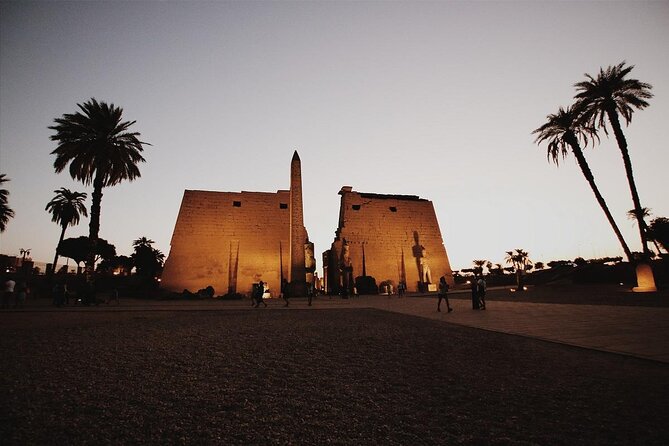
For $780 per person, the math works best when you actually take advantage of what’s included: four nights on the ship, full-board meals, hotel pickup/drop-off, a tour guide, and the major site entry tickets. If you’re the type who hates adding up tickets one by one, this package style helps a lot.
The biggest value isn’t just the price tag. It’s that the trip is structured to keep your days full but not chaotic. You’re not bouncing between ticket lines and local tour desks at every stop. Instead, you move with a guide, hit the key monuments, then return to the ship for meals and rest.
That said, a budget cruise can’t be budget everywhere. The common tradeoff is that the ship experience may feel practical rather than fancy. One person praised the crew’s helpfulness while another flagged that the vessel felt older. Translation for you: enjoy the convenience and included sites, but don’t book expecting a five-star floating hotel.
You can also read our reviews of more boat tours in Luxor


Day 1 in Luxor: Luxor Temple, Karnak, and an Evening Set-Up
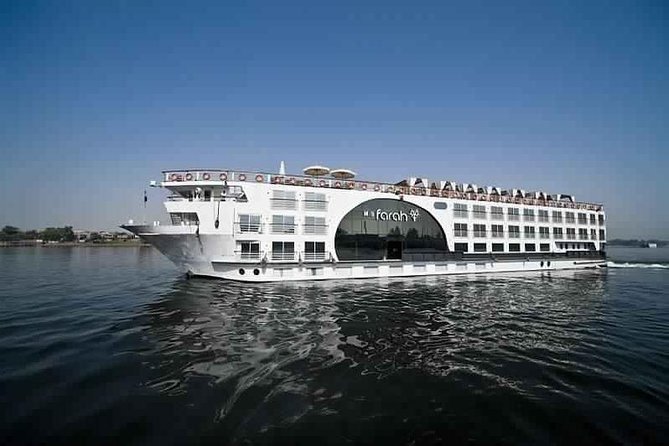
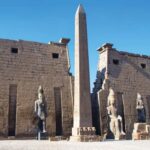
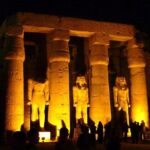
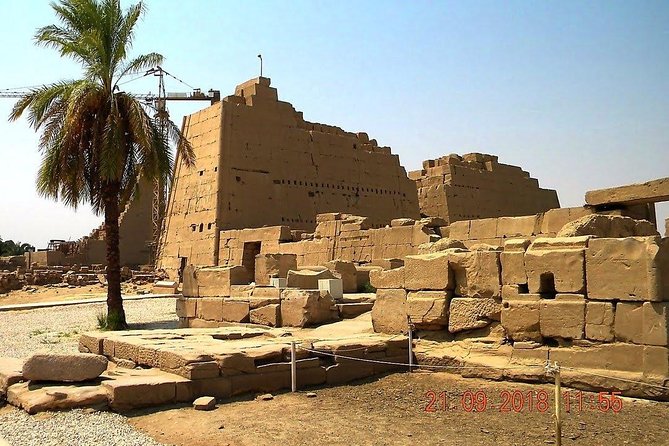
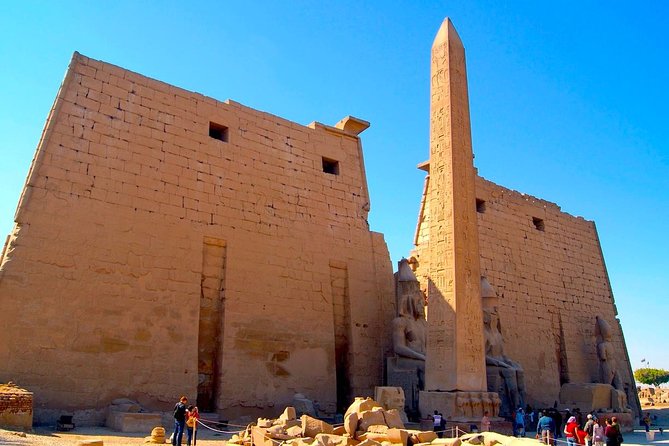
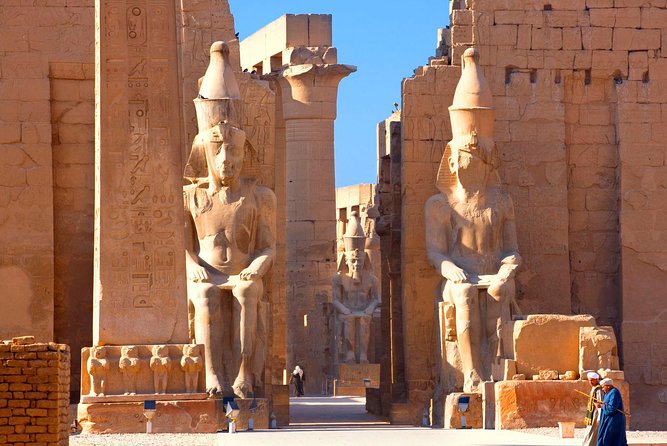
You start with pickup in Luxor and head straight to the cruise, with boarding before lunch. That matters because your first day isn’t wasted with long transfer time. After lunch on board, you visit Luxor Temple, including the courtyard and the granite statues of Ramses the Great.
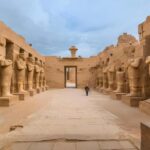
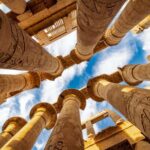
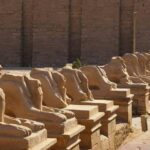
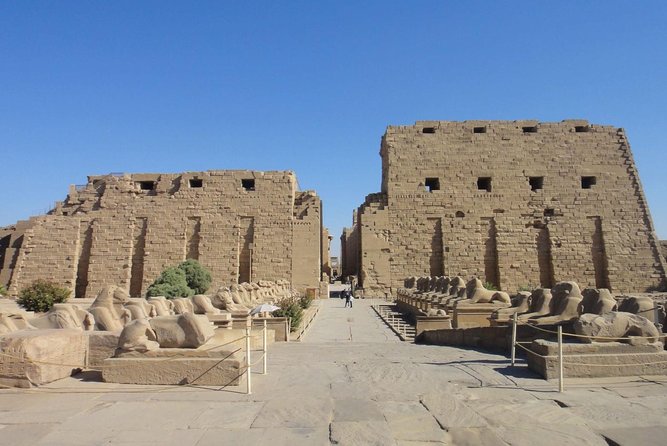
Next comes Karnak, the massive temple complex where different pharaohs added layers over time. You walk the Avenue of Sphinxes, then see the Unfinished Propylon, the Hypostyle Hall with its 134 huge columns, and stand near obelisks associated with Queen Hatshepsut and later rulers. You also get a look at the Amon temple area, decorated with lotus and papyrus motifs.
A small but meaningful touch: afternoon tea is included, and the day ends with dinner on board and a belly dance show. I like nights like this because they give you a cultural warm-up right when you’re still absorbing what you just saw in stone.
Practical note: Karnak is a big walking day, so wear shoes that handle uneven surfaces and heat. If you’re sensitive to sun, you’ll want sunglasses and water habits dialed in from the start.
Day 2 on the West Bank: Valley of the Kings and Deir el-Bahari
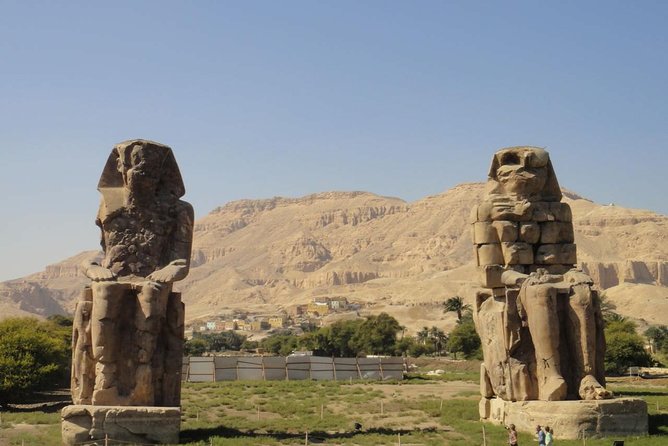
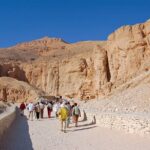
The West Bank is where the drama shifts from temples to the idea of eternity—tombs cut into the rock, built for kings who expected to be remembered forever. Your day starts with the Valley of the Kings, with time to visit tombs from different dynasties.
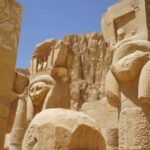
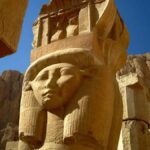
Then you head to Temple of Hatshepsut at Deir el Bahari, one of Egypt’s most striking architectural statements. This temple complex feels intentionally staged, with terraces and a commanding view of the cliffs. It’s a great match after the Valley of the Kings because you see two sides of the same belief system: power remembered through tombs and power remembered through monuments.
Here’s the trick for this day: the West Bank can feel like a lot of big sites back to back. To enjoy it, don’t rush your questions. Ask your guide to explain what you’re looking at—especially how the tombs reflect changing dynasties and artistic styles. The best guides don’t just point; they connect.
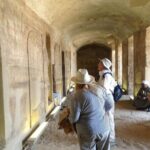
Also, be ready for changing lighting. Tomb interiors can be dim, then you step back out into bright sun. Your eyes will thank you if you blink through transitions rather than trying to take perfect photos immediately.
Day 3: Edfu’s Temple of Horus and Kom Ombo’s Dual-God Design
Day 3 is where the cruise part starts feeling real. You visit the Temple of Horus in Edfu, then sail on toward Kom Ombo.
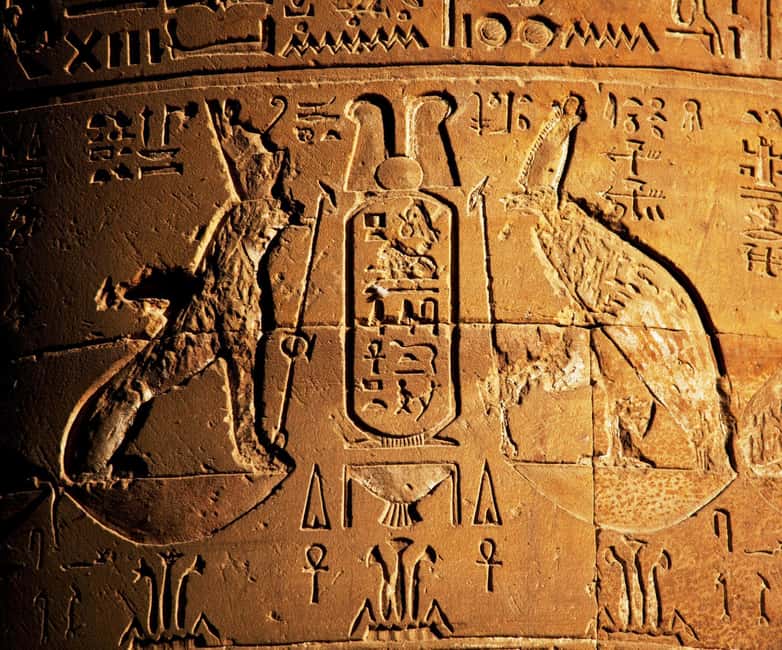
The Temple of Horus is a highlight for a simple reason: it’s one of the clearest examples of a traditional temple plan paired with strong storytelling through reliefs. If you’re into symbolism, this stop is satisfying because the temple design is doing a job beyond decoration—it’s explaining.
After Edfu, you continue to Kom Ombo and visit the Temple shared by Sobek and Haroeris. This is where the experience gets clever. The temple is effectively arranged around two divine centers, so you’re seeing how a single location can serve two worship traditions. It gives you a chance to step back and compare how different sites communicate belief through layout.
Timing is practical here: you’ll have a few hours per stop, which is enough to see the major parts without turning this day into a blur. Still, Edfu and Kom Ombo are both popular, and crowds can show up. If you want calmer moments for photos, pay attention to your guide’s pacing and don’t chase shots ten minutes after the group moves.
Day 4 in Aswan: Philae, the High Dam, and Felucca Time
Aswan is a different rhythm. After sailing in, you visit the High Dam area and the Granite Quarries, then later you’ll see Philae Temple.
The High Dam stop gives context for modern Egypt along the river—how water management changed what the river could do for farming and settlement. Then Philae brings you back to the spiritual side of the Nile, with temple buildings that feel anchored in the river’s story. It’s a smart pairing: you see the modern influence, then the ancient purpose.
After lunch on board, the day shifts to the slow lane with a felucca ride around Kitchener’s Island and near the Agha Khan Mausoleum. This is one of my favorite types of “included moments” on Nile cruises because it breaks the temple schedule. You get time to relax and simply watch the river move, with less pressure to measure every second.
Expect afternoon tea and dinner on board, plus an overnight in Aswan. This means you end the day in place, not rushing again at night. For travelers who get tired after big sightseeing days, that matters more than you’d think.
A few more Luxor tours and experiences worth a look



Day 5: Disembark in Aswan and the Abu Simbel Optional Add-On
Your final morning starts with breakfast on board, then you disembark for your transfer to Aswan airport or a hotel in Aswan. This is a simple finish line, and it’s exactly what you want after days of scheduled departures.
You also have an optional extra: Abu Simbel on your final day. The key point is not whether it’s worth it—that’s personal. The key point is how it affects your energy. If you choose it, plan as if your last day will be long and focused, not casual.
If your goal is maximum monuments without the extra early pressure, you might choose to skip Abu Simbel and keep your last day light. If your goal is “I want the famous stuff,” then adding Abu Simbel can feel like the proper send-off to the trip.
Boat and Guide Reality Check: Where Comfort Can Vary
Let’s talk honestly about the floating part, because this is where expectations can clash with budget value.
On the positive side, multiple guests describe strong service from the ship crew, and they praise guides for making Egypt feel alive through clear explanations and patient pacing. Names that show up in standout accounts include Samer, Elia, Ahmed Darwish, Mohamed Hashem, Ahmed Moatty, Hesham Hamd, Marian Azer, and Hani Abu Sefian. If you’re booking, the best practical move is to ask who your guide will be and how the guide handles timing so you can plan your energy.
On the other hand, at least one person flagged that the boat felt older, and another hinted that cabin expectations weren’t handled as clearly as they hoped. That doesn’t mean your trip will be uncomfortable, but it does mean you should confirm cabin category details up front. If you care about being near certain areas of the ship or you don’t like stairs, ask before arrival.
Also, some days can start and end tightly around meal windows. One account described feeling rushed because lunch timing limited how long certain visits lasted. You can’t control the schedule, but you can reduce stress: pack a hat, keep water handy, and be ready to move quickly when your guide signals it’s time.
What’s Included vs Not: Avoiding Small Budget Surprises
This package includes a lot that makes a Nile cruise feel “complete” for the money:
- Hotel pickup and drop-off
- Entry fees
- Four nights accommodation
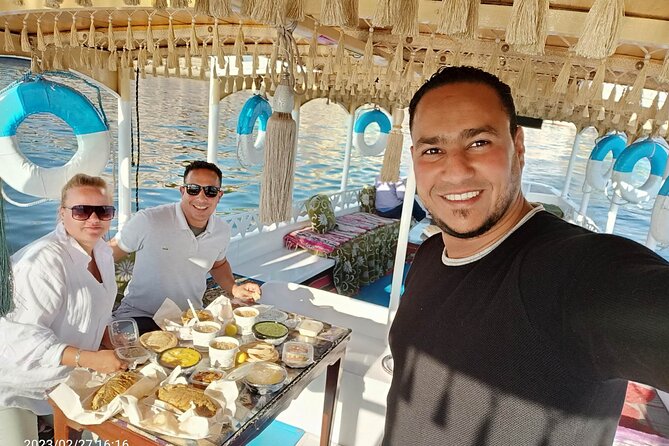
- Full board (meals served on board)
- Tour guide
Not included:
- Tipping
- Personal items
That means your day-to-day spending should be fairly predictable. You’re not constantly searching for lunch or paying for entry tickets. Still, I recommend you bring some cash for tipping and small personal costs, even if most of your essentials are covered.
Also note: you’ll receive a mobile ticket, which is convenient. It’s one less paper document to manage when you’re already juggling heat, schedules, and temple lines.
Who This Cruise Fits Best (And Who Might Want a Different Option)
This is a strong match if you want:
- A guided Luxor-to-Aswan route with daily structure
- Big temple hits without adding lots of extra tour purchases
- A cruise that’s good value because admissions and meals are built in
- A private-style setup where only your group participates
It’s less ideal if:
- You’re extremely picky about the boat’s condition and cabin size
- You’re the kind of traveler who needs long, slow “wandering” time rather than timed site visits
- You want total freedom to skip parts of the schedule without coordinating changes
If you’re traveling with family, this can work well because a guide reduces the language and navigation load. If you’re solo and like a steady plan, it can also be a relief. If you love spontaneous detours, you might feel boxed in by how structured the days are.
Should You Book This Luxor to Aswan Nile Cruise?
If you want the core Nile experience—Luxor temples, West Bank tombs, Edfu and Kom Ombo, Philae, and a felucca ride—while paying a price that doesn’t make you wince, this cruise is a smart look. The biggest reason to book is simple: included entry tickets + full-board meals do a lot of value work for you.
I’d book it if you’re okay with a practical ship and you confirm cabin details first. I’d think twice if boat comfort is your top priority, or if you dislike schedules that are shaped by meal and transfer timing.
Ask the provider a couple questions before you commit:
- Which cabin category will I get, and what’s available if I want an upgrade?
- Who will my guide be, and is the pacing similar each day?
- Will Abu Simbel add-on affect departure times in a way that changes the day’s feel?
If those answers are clear, you’re likely to get exactly what you came for: a focused, guided Nile run from Luxor to Aswan without turning the trip into a constant budgeting exercise.
FAQ
What is included in the $780 price?
The tour price includes hotel pickup and drop-off, entry fees, four nights accommodation on the cruise ship, full board with meals served on board, and a tour guide.
Are temple entry tickets included?
Yes. Admission tickets/entry fees are included as part of the guided visits.
Does the cruise include meals?
Yes. All meals are included and served on board during the cruise period.
Is pickup and drop-off provided?
Yes. Pickup is offered from your hotel in Luxor (or Luxor airport), and you’ll get drop-off in Aswan (airport or hotel).
How long is the trip, and what route does it cover?
It’s a 5-day, 4-night Nile cruise traveling from Luxor to Aswan, with sightseeing stops along the way.
Is Abu Simbel included?
Abu Simbel is listed as optional on your final day.
Do I need to tip?
Tipping is not included.
Is the tour private?
The activity is described as private, with only your group participating.
What is the cancellation window for a full refund?
You can cancel up to 6 days in advance of the experience for a full refund (you must cancel at least 6 full days before the start time).