REVIEW · LUXOR
Nile Cruise 5 Days 4 Nights Egypt from Luxor to Aswan
Book on Viator →Operated by Emo Tours Egypt · Bookable on Viator
A Nile cruise can be both moving and mellow. This 5-day, 4-night Luxor-to-Aswan journey is designed to keep the logistics off your plate, with pickup and drop-off handled at both ends. I especially like how the days are built around major monuments with a real Egyptologist-style guide narration, not just a list of stops, and how the included meals make the trip feel like a true package. One thing to consider: the schedule is temple-heavy, and once you’re back on board after dinner, the entertainment is fairly limited and the vibe can turn quiet.
You’ll start with Luxor’s crown jewels, then work your way down the river through the West Bank, Edfu, Kom Ombo, and finally Aswan’s landmarks. I also like that you can choose a ship tier, from standard through luxury, so you can match the comfort level to your budget without rebuilding the whole itinerary. The other practical point: most visits include admissions, and there’s plenty of walking—so pack comfortable shoes and expect some heat and crowds at the big sites.
In This Review
- Key Things That Make This Nile Cruise Worth Your Attention
- Luxor-to-Aswan Nile Cruise: What You Really Get in 5 Days
- First Morning in Luxor: Pickup, Boarding, and Karnak Before the Heat
- Luxor Temple and Karnak: The Two Temples That Set the Tone
- Onboard Evenings: Belly Dance, Disco, Galabya, and When the Party Ends
- West Bank Highlights: Valley of the Kings, Deir el-Bahari, and Colossi of Memnon
- Edfu and Kom Ombo: Temple Precision on the Mid-Nile Stretch
- Aswan Day: High Dam, Unfinished Obelisk, and Philae by Water
- Disembark and Fly: Ending in Aswan Without the Usual Headache
- Food, Views, and Ship Comfort (Standard to Luxury Choices)
- Price and Value: What $780 Covers on This Route
- Should You Book the Nile Cruise from Luxor to Aswan?
- FAQ
- What’s included in the tour price?
- Is pickup and drop-off included?
- What temples and sites are visited?
- Are admission tickets included?
- Is there a guide?
- What’s the cancellation window for a full refund?
Key Things That Make This Nile Cruise Worth Your Attention
- Guided monument visits across Luxor’s temples, the West Bank, Edfu, Kom Ombo, and Aswan sites
- Full-board meals included (lunch on day one through breakfast on day five) so you’re not hunting food every stop
- Evening performances and parties built into the itinerary, including a belly dance show and later onboard themed nights
- Felucca time in Aswan around Kitchener’s Island and AghaKhan Mausoleum (weather and timing dependent)
- Ship grade choice (standard to luxury) so the same route can feel simple or more comfortable
Luxor-to-Aswan Nile Cruise: What You Really Get in 5 Days
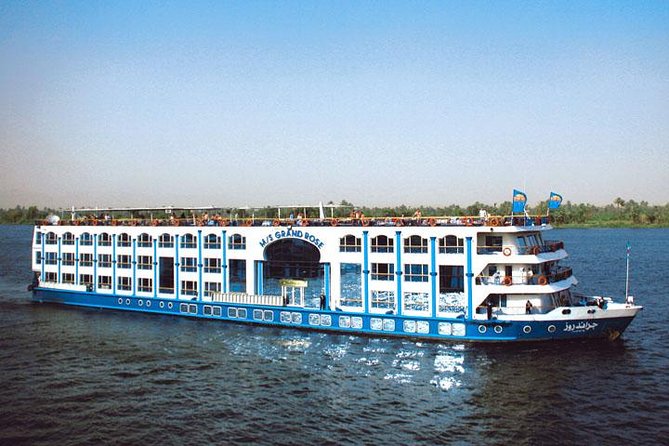
This is a classic southbound Nile route: you board in Luxor and disembark in Aswan, with temples stacked along the way and meals handled by the boat. The “stress-free” part is real. Transfers, admissions, and guided stops are part of the plan, which matters when you’re trying to see the big names without losing time to taxis and ticket lines.
The pacing is best described as structured. You’ll have early starts on sightseeing days, with midday sailing and scheduled onboard breaks like afternoon tea. If you want a cruise that’s all lounging and reading, this isn’t that. If you want a cruise that turns each day into a different chapter of ancient Egypt, it fits very well.
The price—$780 per person—isn’t trying to be a budget-only deal. But when you compare it to the cost of multiple sites, guided touring, and four nights with meals, it’s aimed at value. You’re paying for a bundled experience that reduces friction.
You can also read our reviews of more boat tours in Luxor
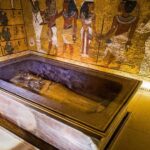


First Morning in Luxor: Pickup, Boarding, and Karnak Before the Heat
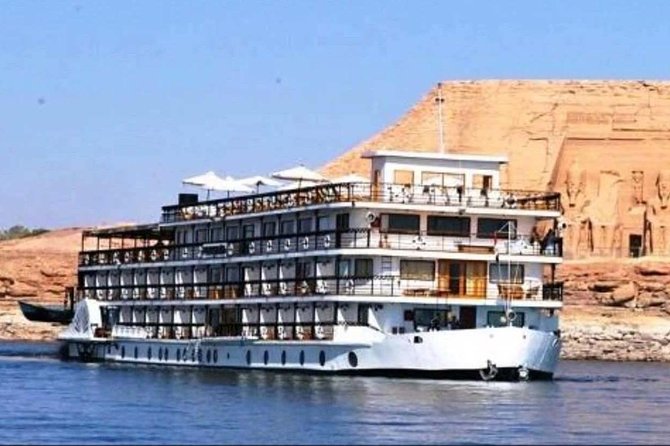
Your day starts with a 7:00 am start time and meet-and-assist in Luxor (either at your hotel or via Luxor airport, depending on where you’re coming from). After the transfer to the boat, you board before lunch, so you’re not arriving and immediately waiting around.
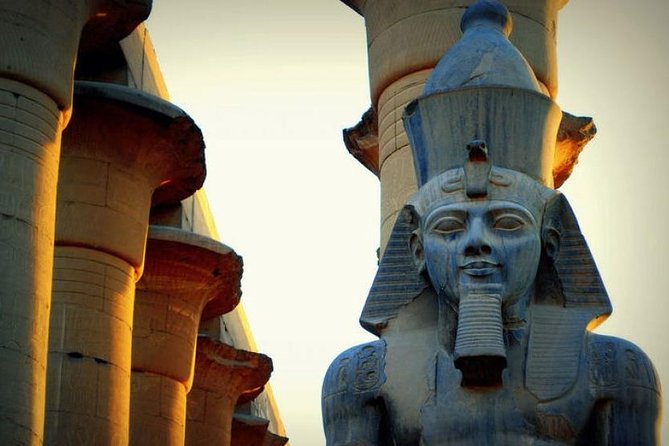
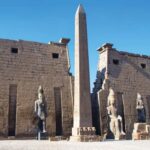
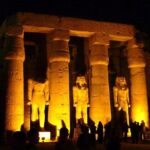
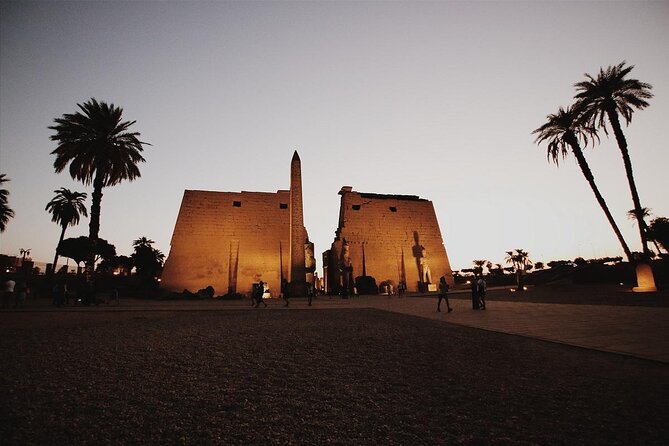
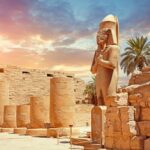
Once onboard, the first sightseeing block focuses on the east bank temples—perfect for an introduction day. You’ll visit Luxor Temple first, including its courtyard and the granite statues of Ramses the Great. Then it’s on to Karnak Temple, one of Egypt’s most important sacred complexes and a huge “how did they build this?” lesson in ancient power.
The big advantage of starting in Luxor is that you get the most visually dramatic temples up front. Luxor is also where you can settle into the rhythm of the cruise quickly: move to a site, tour with narration, then return to the boat for food and downtime.
Luxor Temple and Karnak: The Two Temples That Set the Tone
Luxor Temple is the smaller, more intimate counterpart to Karnak, and it’s a smart way to begin. You get the sense of procession and royal imagery right away, especially with the focus on Ramses the Great’s presence in the space.
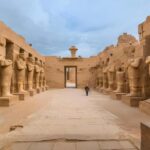
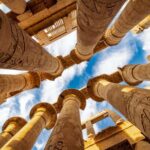
Then comes Karnak, and it’s more sprawling and layered—temples built over different reigns stacked across time. You’ll walk the Avenue of Sphinxes, see features like the Unfinished Propylon, and explore the massive Hypostyle Hall with its 134 columns. It’s also where you’ll notice specific artistic and religious markers, like the obelisks connected with Hatshepsut and Thutmose III, plus decorative motifs on the temple of Amun.
A practical note: Karnak can feel like a lot in one go. The guided commentary helps you connect the dots—where you are in the complex, what each area is meant to do, and how the symbols fit together.
Even better, the itinerary builds in onboard breaks. After the temple tour you’ll have afternoon tea, then head to dinner and an evening performance.
Onboard Evenings: Belly Dance, Disco, Galabya, and When the Party Ends
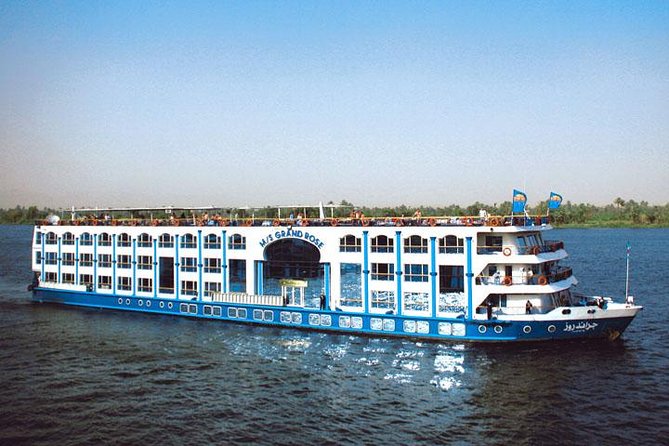
This cruise does schedule fun onboard, and it’s not just “sit and wait.” Day one includes a belly dance show with dinner on board. Later nights bring themed moments too: you’ll have a disco party after sailing to Edfu, and a galabya party around Kom Ombo.
Here’s the balancing point from my perspective on how this usually feels: the performances are scheduled highlights, but the boat is still a ship. After dinner and the organized entertainment, you might find things quiet. If you like lots of late-night programming, plan on creating your own downtime—reading on the terrace, people-watching, or relaxing after a long day of temples.
The upside is that the parties don’t steal your sightseeing time. They’re built around the cruise flow, not in place of tours.
West Bank Highlights: Valley of the Kings, Deir el-Bahari, and Colossi of Memnon
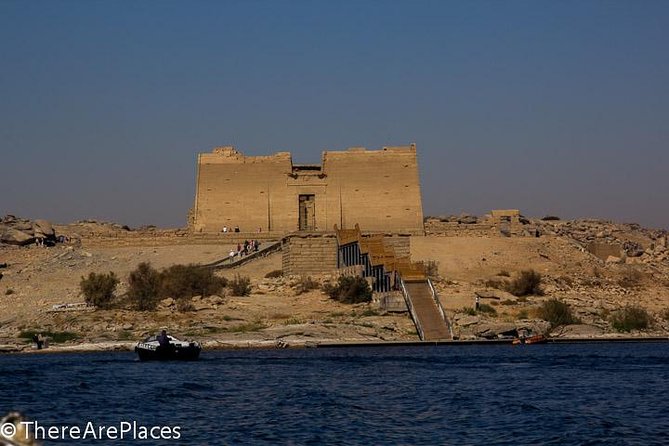
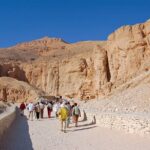
Day two is the West Bank day, and it’s the heart of this route for many people. You start with breakfast on board, then head to the Valley of the Kings. This is where you’ll visit tombs from different dynasties—some more famous than others, but all part of the same royal story.
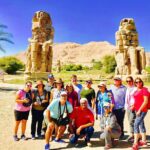
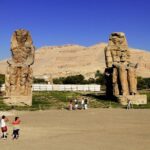
From there the itinerary includes Colossi of Memnon—two massive seated statues of Amenophis III, facing the Nile. They’re a standout because they’re huge, open-air, and easy to photograph from a few angles. They also work well as a “breather moment” between longer temple sequences.
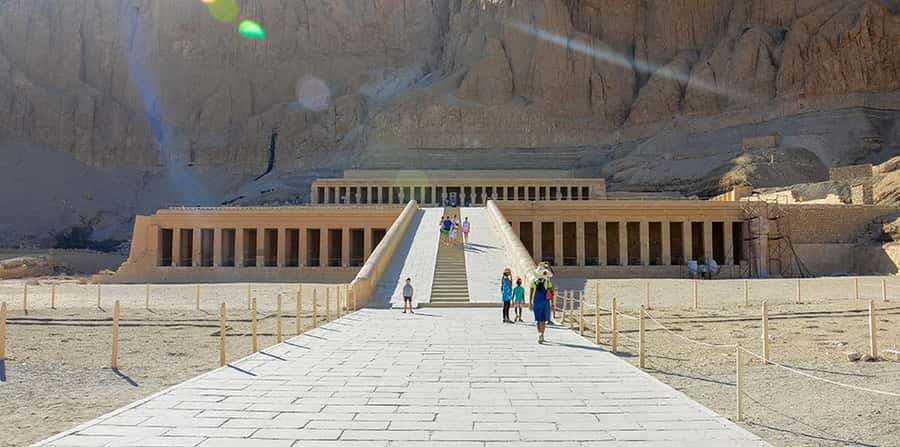
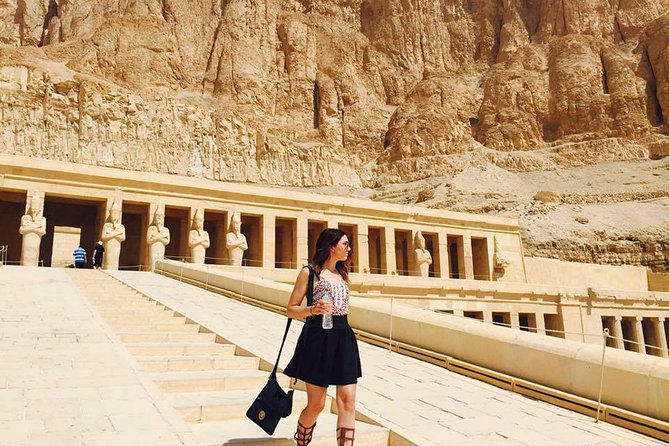
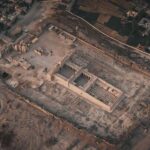
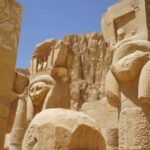
Next up is Deir el-Bahari, including the mortuary temple of Queen Hatshepsut. It’s tucked under cliffs near the Valley of the Kings, and it’s one of Egypt’s most visually striking temple settings. In practical terms, this stop helps you shift from the tomb atmosphere to temple architecture, terraces, and monumental scale.
The day ends with lunch on board, then you sail toward Esna, enjoy afternoon tea, and keep moving by the next day. That mix—tombs, temples, statues, then sailing—keeps the story from blurring into one long bus ride.
A few more Luxor tours and experiences worth a look


Edfu and Kom Ombo: Temple Precision on the Mid-Nile Stretch
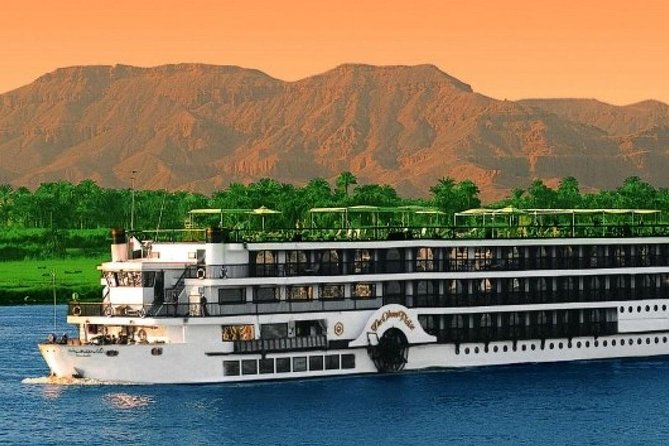
As the cruise continues, day three focuses on two very different temples: Edfu (Temple of Horus) and Kom Ombo (Temple of Kom Ombo).
In Edfu, you’ll visit the Temple of Horus at Tell Edfu. The key selling point here is preservation and completeness. The itinerary notes it as the best example of Ptolemaic temple building in Egypt, and the orientation and scale are impressive—about 140 meters long. This is a temple where proportions and layout help you understand the logic of ancient design.
After that, you move to Kom Ombo for a shared gods’ temple. The Temple of Kom Ombo is dedicated to Sobek and Haroeris, and the symmetry is part of what makes it memorable—two identical entrances and mirrored sanctuary spaces. If you like temples where you can see planning on purpose, this is a good match.
Then you return onboard for lunch on board, afternoon tea, dinner, and the galabya party. After two heavy sightseeing days, this is a nice place to reset.
Aswan Day: High Dam, Unfinished Obelisk, and Philae by Water
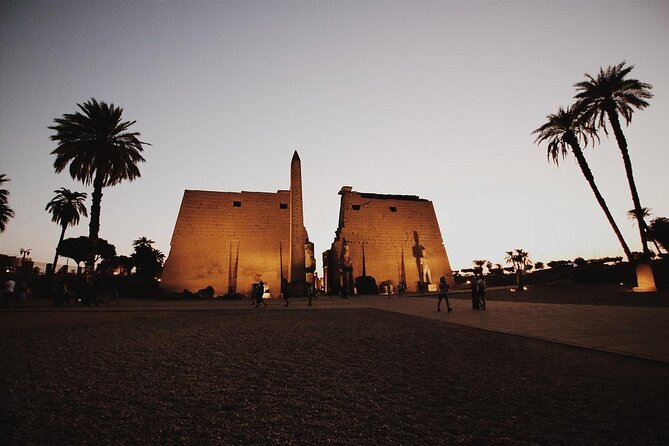
Day four switches you from river temples to modern-and-ancient contrast. You’ll do the Aswan High Dam first, then continue to the Unfinished Obelisk in the stone quarries area. The High Dam story is a reminder that the Nile has shaped modern engineering too—construction began in 1960, completed in 1968, and inaugurated in 1971. The reservoir created by the project formed Lake Nasser.
The unfinished obelisk is different. It’s massive and intriguing because it stops mid-project, and the notes in the itinerary point out ongoing questions about who could have achieved the construction and under what circumstances. Even if you don’t leave with a single answer, it gives you a strong sense of scale and experimentation.
Then comes the big spiritual site of the day: Philae Temple, dedicated to Isis. This temple is described as relocated and landscaped after the Aswan Dam threatened the original site. That matters because it frames what you’re seeing today—ancient religion reshaped by modern preservation work. The setting is part of the meaning here.
From there, you’ll have lunch on board, then sail on a felucca around Kitchener’s Island and the AghaKhan Mausoleum, followed by afternoon tea, dinner, and an overnight in Aswan.
Aswan is often where the cruise starts to feel more relaxed, because the sightseeing list, while still full, is now a controlled finale.
Disembark and Fly: Ending in Aswan Without the Usual Headache
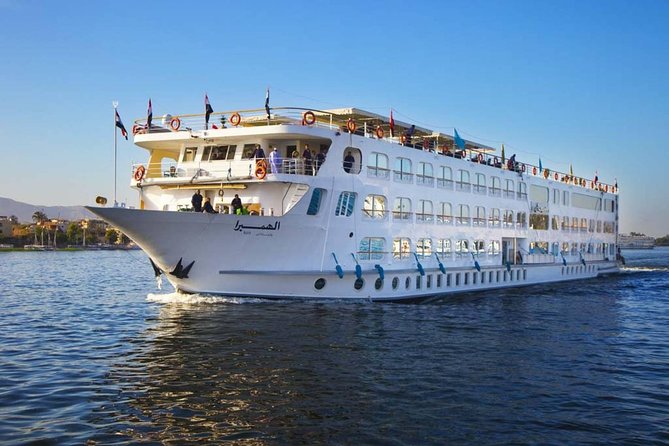
Day five keeps things simple. You’ll have breakfast on board, then disembark and transfer to Aswan airport. The itinerary lists an end transfer and marks it as free, so you’re not stuck paying for the final ride.
This is one of the quieter values of a packaged cruise: you don’t have to negotiate your way out on the last day. You get your airport transfer handled, then you’re done.
Food, Views, and Ship Comfort (Standard to Luxury Choices)
The cruise includes full board for the bulk of the journey: lunch on day one through breakfast on day five, plus accommodation for four nights. Entry fees and private transportation are also included, which helps keep the day-to-day “extra costs” down.
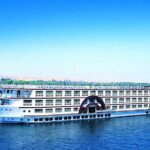
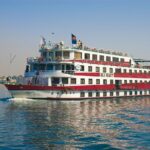
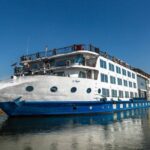
What you should expect from the onboard experience depends on the cruise ship grade you choose. The operator offers options from standard to luxury, so you can match comfort to budget. The data doesn’t describe exact cabin sizes or amenities for each tier, but you can treat this as a meaningful variable: higher tiers usually mean nicer spaces and better comfort after long sightseeing days.
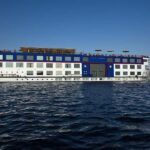
One more practical expectation: the boat provides views of the Nile from terrace-style relaxing space, and that’s a big part of why this route feels like a vacation instead of a nonstop tour. You’ll also spend a lot of time stepping between air-conditioned transit and open-air sites—so bring sunscreen and hydration habits that you can keep consistent.
Price and Value: What $780 Covers on This Route
At $780 per person, this cruise sits in a midrange “bundle” category. You’re not just buying a ride down the river. You’re paying for four nights of lodging, scheduled meals, private transportation, and included admissions at each stop.
That package value matters most if you’d otherwise have to figure out:
- how to arrange transfers in multiple cities (Luxor, Edfu, Kom Ombo, Aswan),
- how to buy entry tickets for a long list of major sites,
- and how to keep a logical order of sightseeing without wasting time.
Also note: pickup and drop-off are included at both ends, and mobile tickets are offered, which reduces friction on arrival days.
Tipping and personal items are not included, so keep a little cash planning in mind. If you’re the type who wants to tip as you go, that’s your call, but budget for it.
Should You Book the Nile Cruise from Luxor to Aswan?
I think you should book this if you want a clean, guided path down the Nile with major highlights and fewer logistics worries. It’s a great fit for first-timers to Egypt because the itinerary includes the big monuments—Karnak, Luxor Temple, Valley of the Kings, Hatshepsut’s temple, Edfu’s Horus, Kom Ombo, and Philae—and it strings them together into a sensible story arc.
You might skip it if you hate early mornings, don’t want structured days, or expect heavy onboard nightlife after dinner. This cruise is built around temples first, parties second, and quiet downtime in between. If that matches your style, you’ll probably enjoy how quickly the days add up.
FAQ
What’s included in the tour price?
Meals are included from lunch on day one to breakfast on day five, along with 4 nights of accommodation, private transportation, and entry fees.
Is pickup and drop-off included?
Yes. Pickup is included at your hotel in Luxor or from Luxor airport, and you also get a transfer to Aswan airport on the final day.
What temples and sites are visited?
You’ll visit Luxor Temple and Karnak Temple in Luxor, the Valley of the Kings, Colossi of Memnon, and the Temple of Hatshepsut at Deir el-Bahari, plus the Temple of Horus in Edfu, the Temple of Kom Ombo, Aswan High Dam, the Unfinished Obelisk, and Philae Temple.
Are admission tickets included?
Yes. Admission tickets are included for each of the listed stops.
Is there a guide?
Yes. Your tour includes in-depth commentary from your own qualified Egyptologist.
What’s the cancellation window for a full refund?
You can cancel up to 6 days in advance for a full refund, as long as you cancel at least 6 full days before the experience start time.