REVIEW · CAIRO
6- Hours Half Day Tour To Sakkara & Memphis & Dahshur
Book on Viator →Operated by Egypt Tours Online · Bookable on Viator
If you like your Egypt history compact, this route is for you. In one half-day, you’ll move from Saqqara’s Step Pyramid to the open-air city of Memphis, then out to Dahshur for the famous Bent and Red Pyramids—usually without feeling rushed. I like the way this tour handles time, especially when guides such as Khaled Mostafa or Merna set the pace and actually explain what you’re seeing.
Two things I especially like: the value (transport is just $8 per person) and the convenient pickup/drop-off that keeps you from juggling taxis and schedules. If you upgrade, you also get the chance to add a guide, entry fees, and lunch, and people often mention that the day feels organized and smooth.
One thing to keep in mind: the low base price doesn’t automatically include entry fees, and the add-ons (plus tips and on-site gratuities) can change your final total. If you’re unlucky with a guide or if meetings run late, the day can feel less relaxed than you planned.
In This Review
- Key things to know before you go
- How this 5–6 hour loop works (and why it feels efficient)
- Saqqara Step Pyramid: the “origin story” of Egyptian pyramid building
- Memphis open-air museum: Ramses II and the alabaster Sphinx
- Dahshur Bent and Red Pyramids: the ones that look like they’re learning
- Saqqara’s Teti, Unas, and Ti: the smaller stops that make the site feel real
- The official shop stops: perfume, papyrus, and handmade carpets
- Price and logistics: why $8 can still turn into a full-day bill
- What makes the guides stand out on this route
- Who should book this tour (and who should skip it)
- Should you book the Saqqara–Memphis–Dahshur half day?
- FAQ
- What is included in the tour price?
- Is a guide included?
- How long is the tour and what time does it start?
- Which sites are visited?
- Are entry fees included?
- Is lunch included?
Key things to know before you go
- Hotel pickup and drop-off keeps logistics simple, especially in Cairo/Giza
- Saqqara + Memphis + Dahshur in 5 to 6 hours is a smart use of limited time
- VIP upgrade adds guide, entry fees, and a restaurant lunch
- Expect short, scheduled stops and a few official shop/handicraft stops along the route
- Guides can make a big difference—names like Merna, Basma, Atya, and Amr come up for good reasons
How this 5–6 hour loop works (and why it feels efficient)
This is a half-day style tour designed for people who want major sights without spending most of the day in traffic. Pickup starts around 8:00 am from your hotel in Cairo or Giza, and you’re typically back around 1:00 pm. That time box matters. It means your guide’s job is less about wandering and more about picking the best angles, timing, and explanations so you actually connect the dots.
The tour is built as a modular package. If you book the transport-only option, you’re mostly paying for the ride and basic structure. If you upgrade to the VIP version, you’re adding a guide, entry fees, and restaurant lunch. Either way, you travel in an air-conditioned vehicle with bottled water—small comfort, but in Cairo heat it adds up.
In practice, the best version of the day is the one that matches your style:
- If you want a DIY approach, the transport-only option can be great.
- If you want fewer headaches at ticket lines and more context on what you’re looking at, the VIP upgrade is the safer bet.
You can also read our reviews of more tours and experiences in Cairo.

Saqqara Step Pyramid: the “origin story” of Egyptian pyramid building
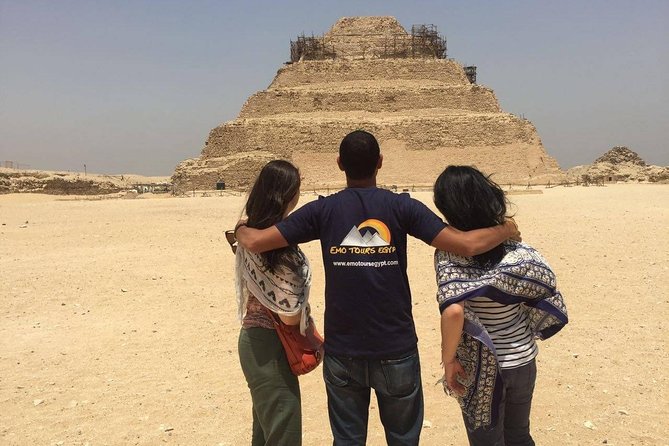
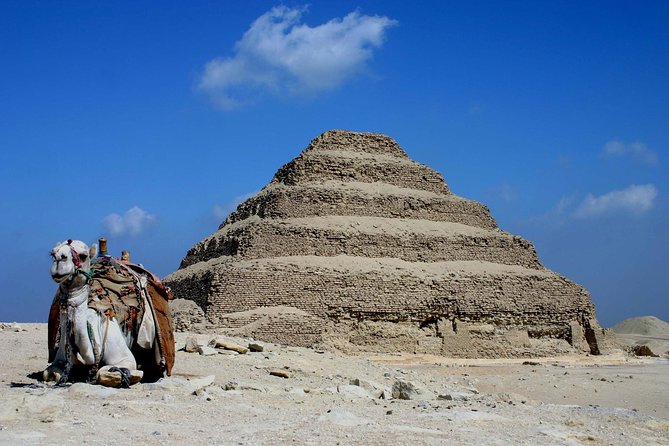
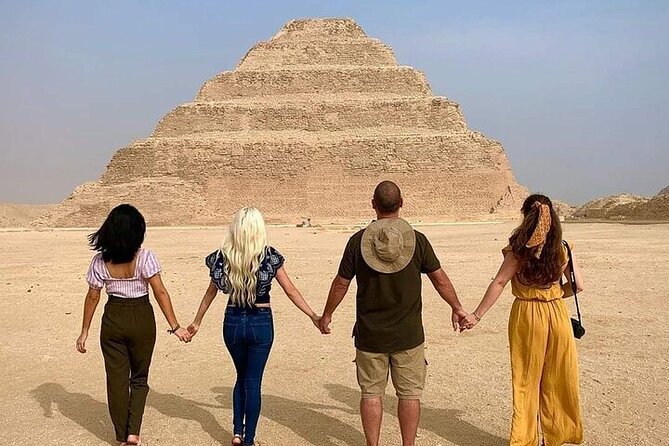
Your first real wow moment usually comes at Saqqara, the massive necropolis area southwest of Cairo. This is where the pyramid idea evolves into something recognizable. The standout is the Step Pyramid built for King Zoser, often described (right on the spot) as an important step in the pyramid evolution—moving from earlier flat-topped forms toward the classic pyramid shape.
What makes this stop click is the feeling of seeing process, not just monuments. The Step Pyramid isn’t as instantly dramatic as the big ones at Giza, but it’s the place where the concept becomes real. You also get a strong sense that you’re walking through a whole system of royal planning and burial culture, not just touring one building.
Timing here is typically about one hour, which is enough to see the main features without turning it into a sprint. If you opt for the VIP route with a guide, you’ll usually get more out of that hour—especially when the guide explains how earlier tomb styles feed into the later pyramid form.
Practical note: entry fees are not included unless you choose the upgrade. So check what’s covered before you go in.
Memphis open-air museum: Ramses II and the alabaster Sphinx
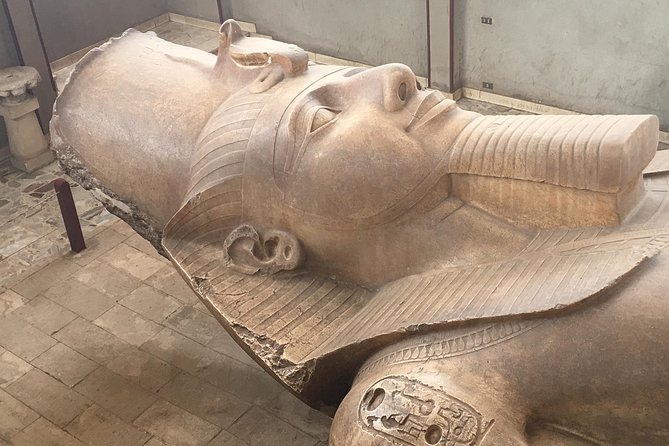
Next comes Memphis, one of Egypt’s earliest capitals, now kind of like an outdoor museum spread through an archaeological area. This stop is short but dense. You’ll spend roughly 30 minutes looking at major pieces, including:
- a colossal limestone statue of King Ramses II described as carved from a single piece and extremely heavy
- an alabaster Sphinx statue associated with the Sphinx figure
- other artifacts displayed in the same general area
This is the part of the trip that surprised a lot of people who thought they already knew the pyramids story. Memphis gives you the political and cultural backbone. You start to see that Egypt’s pyramid age wasn’t isolated—it sat inside a living world of capitals, religion, and monumental sculpture.
Because your time is limited, you’ll want a guide who knows what to point at. The good ones (people mention Basma and Atya in particular) focus on clear explanations and don’t just recite facts. The best guides also help you understand scale—why those statues feel so overwhelming in person compared with photos.
One more thing: there’s no magic here. If you’re visiting without a guide, you might not know what each statue represents. You’ll still get the visual impact, but you’ll lose some of the meaning.
Dahshur Bent and Red Pyramids: the ones that look like they’re learning
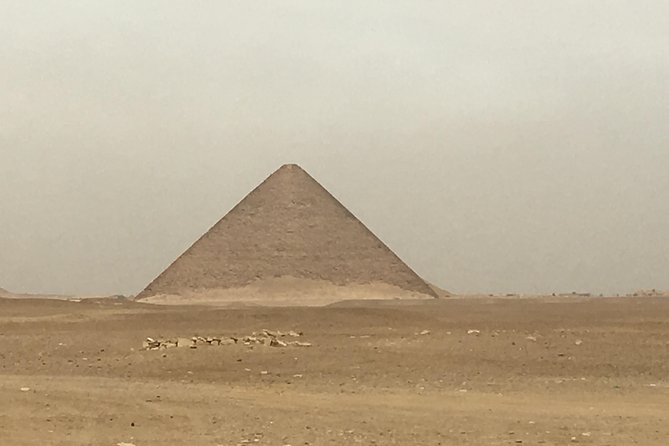
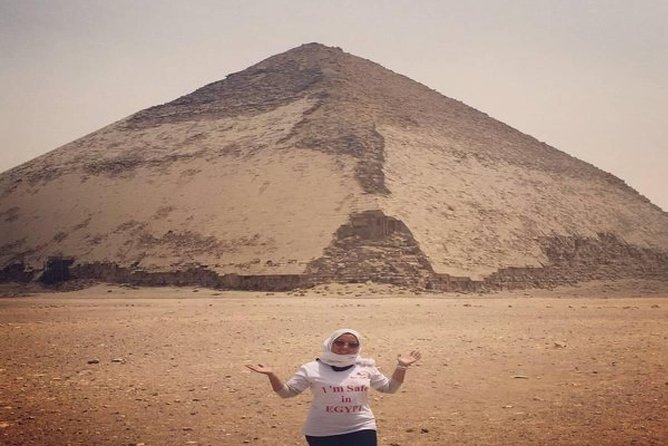
Then you head to Dahshur, a royal necropolis on the West Bank of the Nile, about 40 km south of Cairo. Dahshur is famous for pyramids that show real engineering experiments—especially the Bent Pyramid and the Red Pyramid.
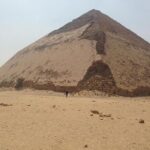
This stop tends to be around one hour, and that hour is typically where your trip memory gets strongest. The Bent Pyramid looks like a pyramid mid-lesson. It has that slightly wrong-but-brilliant vibe that makes you slow down and really study the shape. Dahshur also gives you a different atmosphere than Saqqara. You’re further out in the desert zone, so the light, the views, and the sense of distance feel different.
If you’re into why things were built the way they were, Dahshur is a top pick. You’re not just looking at an icon—you’re looking at a turning point in design choices.
Just remember: entry fees aren’t included unless your package includes them.
Saqqara’s Teti, Unas, and Ti: the smaller stops that make the site feel real
After the Bent Pyramid, the itinerary adds extra Saqqara structure: the Pyramid of Teti, the Pyramid of Unas, and the Mastaba of Ti. Each of these is shorter—often 30 minutes—but they add variety and depth.
Here’s what you’re aiming to catch at each:
- Pyramid of Teti: described as the final resting place of Pharaoh Teti. It’s a chance to see another Old Kingdom pyramid site and understand how the burial complex works beyond the famous Step Pyramid.
- Pyramid of Unas: a second pyramid stop in the Saqqara area, positioned to broaden your sense of what the necropolis offers.
- Mastaba of Ti: a tomb with two serdabs, plus wall scenes of everyday life. This one can be surprisingly moving because it points you toward the human scale behind the stone.
These are the stops that help you answer the question: is Saqqara just a big name, or is it a whole necropolis ecosystem? With a guide, the difference is obvious. Without one, you’ll still appreciate the ruins, but it’s the explanations that make the scenes and chambers feel connected.
Also, people sometimes find it confusing that you might not see every structure. The itinerary is packed, and depending on the package, access can vary. If you’re hoping for specific pyramid access, it’s worth confirming what’s included before you pay.

The official shop stops: perfume, papyrus, and handmade carpets
Here’s a Cairo reality check: your route includes government-linked or official stops aimed at crafts and products. The tour mentions stops like:
- Paradise Perfumes and Flower Cotton
- Key of Life Papyrus, where you might watch papyrus making and see traditional artwork
- Handmade Carpets and a carpet school where artisans may demonstrate weaving
These stops are often about 20 minutes each. They’re not a hidden add-on that ambushes you at the end. They’re part of the schedule, and the goal is usually to let you buy souvenirs from places the operator positions as reliable.
You can get value even if you don’t buy much. Watching how papyrus is made or seeing rug weaving up close can be a nice break from stone and sand. Just keep expectations realistic:
- It’s shopping-adjacent, not a museum workshop with deep historical research.
- If you dislike the sales pressure, pick your moment to browse and move on.
A recurring theme in the experience feedback is that guides who keep things respectful can make these stops feel easier. Some guides even act like photographers so you don’t feel like you’re only there to consume.
Price and logistics: why $8 can still turn into a full-day bill
The headline price—$8 per person—is strikingly low. But it’s mostly for transport, bottled water, and pickup/drop-off. Entry fees, the guide, and lunch are often separate unless you select the VIP upgrade.
So how do you evaluate value?
- If you’re a confident independent traveler who doesn’t mind arranging tickets and navigating sites, transport-only may be worth it.
- If you want fewer ticket-line headaches and better context at each monument, pay for the VIP option. On a compressed route, that added cost can save time and stress.
- Budget for tipping. Even if it’s not included, you’ll likely want to recognize good guiding and drivers.
One more cost reality: because you’re moving through archaeological areas and museums, entry fees often stack. The tour also notes that entry fees (when included) cover basic area only, which can matter if you’re hoping for upgraded access.
What makes the guides stand out on this route
The difference between a good day and a great day here is usually the guide. The positive feedback patterns are consistent: guides who don’t rush, who explain clearly, and who adjust pace when you need a moment to look.
Names that come up in the experience include:
- Khaled Mostafa: helpful, not rushing, and adding context plus suggestions about local food and tradition
- Merna: friendly, cheerful, and making history fun with humor and photo help
- Basma: patient and kind, with a lunch experience noted as delicious
- Atya: plans the day well and also helps with practical things like where to stand for photos
- Amr and others: bringing sites to life and keeping the day structured without feeling rigid
The flipside also shows up. A small number of experiences mention issues like a late guide meet-up, warm water, or language problems. That’s not unique to Egypt, but it’s a reason to build flexibility into your expectations. When the day is running smoothly, you’ll feel it immediately.
Who should book this tour (and who should skip it)
This tour is best for you if:
- you have one half-day and want major monuments in a single loop
- you like guided structure but not a huge all-day marathon
- you want pyramid context beyond just Giza
It might be less ideal if:
- you expect zero extra costs beyond the base price
- you really dislike souvenir stops tied to official shops
- you have a strong priority for very specific pyramid access and need certainty on that inclusion
If you want a story-driven overview with good timing, the VIP upgrade is the move. If you want maximum flexibility and you’re comfortable budgeting for entrance fees yourself, transport-only can work.
Should you book the Saqqara–Memphis–Dahshur half day?
I’d book this tour if you want the big-hits route without losing hours to logistics. The mix of Saqqara’s Step Pyramid, Memphis sculpture, and Dahshur’s Bent and Red Pyramids gives you a rare “idea → capital → experiment” arc in one day.
Choose VIP if you care about context and want the smoother flow at tickets and sites. Choose transport-only if you’re budget-focused and happy to figure out entry and guiding. Either way, go in with two mindsets: dress for the heat and plan for add-ons. Do that, and this becomes one of the most efficient ways to see Egypt’s ancient layers close to Cairo.
FAQ
What is included in the tour price?
The tour includes hotel pickup and drop-off, private air-conditioned transport, and bottled water. Entry fees, lunch, and a guide are not included unless you choose the VIP upgrade.
Is a guide included?
A guide is optional. You can upgrade to a VIP package that includes a guide along with entry fees and restaurant lunch.
How long is the tour and what time does it start?
The tour runs about 5 to 6 hours. Pickup starts around 8:00 am, and you are transferred back to your hotel around 1:00 pm.
Which sites are visited?
The tour covers Memphis, Saqqara (including the Step Pyramid and additional pyramid/tomb sites), and Dahshur (Bent Pyramid and Red Pyramid). It also includes scheduled stops connected to papyrus making, perfume/cotton, and handmade carpets.
Are entry fees included?
Entry fees are not included in the transport-only option. If you choose the VIP upgrade, entry fees are included, described as covering the basic area only.
Is lunch included?
Lunch is optional. The VIP package adds a restaurant lunch, while the standard tour leaves lunch as optional (for example, koshari is listed as an option).