REVIEW · LUXOR
“Luxor’s East Bank: A Journey Through History
Book on Viator →Operated by Egypt Crown Tours · Bookable on Viator
Two temples in one guided run through time. Luxor’s East Bank tour is a smart way to see the big hitters without wrestling transport. I like how it wraps hotel pickup and a cool air-conditioned minivan into a tight 3–4 hour plan.
The main reason this works is the people factor. An Egyptologist guide helps you make sense of what you’re looking at, and guides like Karim and Said are praised for being patient, flexible, and happy to answer lots of questions (even from a 12-year-old).
One thing to watch: the details on temple entrance fees look a bit inconsistent. The day’s stops mention admission tickets, but the info also says entrance fees aren’t included—so I’d confirm what your booking includes before you arrive.
In This Review
- Key things to know before you go
- East Bank Pairing: Karnak and Luxor Temple in One Guided Stretch
- Hotel Pickup and the Air-Conditioned Van That Actually Helps
- Karnak Temple Complex: Hypostyle Hall and the Avenue of the Sphinxes
- Luxor Temple: The Southern Sanctuary You Can Read Once You’ve Been to Karnak
- Egyptologist Guidance: What Makes It Click (Karim and Said as Examples)
- Timing That Works: 3–4 Hours Without Feeling Rushed
- Value for $40: What You’re Really Getting
- Who This Tour Suits Best
- Quick Tips So You Get More Out of Every Stop
- Should You Book This Luxor East Bank Tour?
Key things to know before you go
- Karnak and Luxor Temple, paired together for an efficient East Bank overview
- Hypostyle Hall + Avenue of the Sphinxes are specifically built into the route
- Hotel pickup and drop-off keep your logistics simple
- Air-conditioned minivan + bottled water make the pacing more comfortable
- Private tour for your group means you can ask questions without rushing
- Guides like Karim and Said are noted for patience and flexibility
East Bank Pairing: Karnak and Luxor Temple in One Guided Stretch
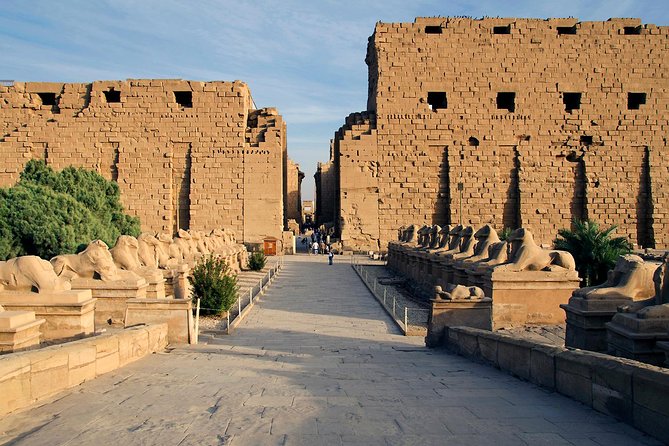
If you’re short on time in Luxor, this tour hits the best strategy: choose two closely connected sites and get your context from a real Egyptologist. Karnak and Luxor Temple aren’t just random monuments you walk through; they’re part of a long story about kings, rituals, and how the ancient Egyptians organized sacred space.
I like the structure because it keeps you from feeling lost in “wow, big columns” mode. With a guide, you’re not just looking at stone. You’re learning what the buildings were for, what the layout meant, and why certain areas feel like the center of the action.
You also get a natural flow to the day. You start at Karnak—where the scale is almost unfair—and then shift to Luxor Temple, which feels more human in size and easier to read once you’ve seen Karnak’s grand design first. Your neck will get tired, but your understanding will grow fast.
You can also read our reviews of more historical tours in Luxor


Hotel Pickup and the Air-Conditioned Van That Actually Helps
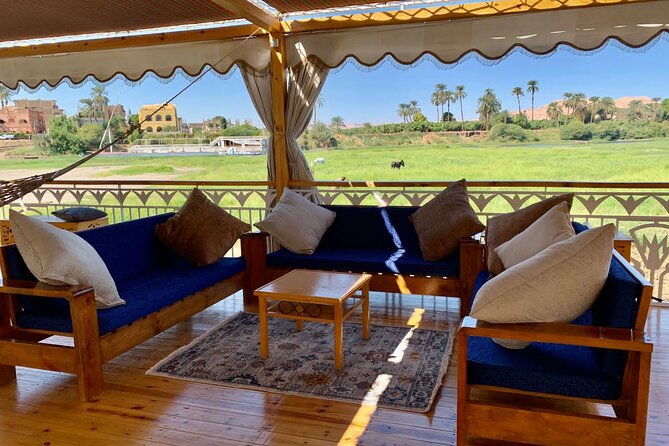
In Luxor, the “how do we get there” question can turn into an energy drain. This is built around round-trip transfers from your hotel, using an air-conditioned minivan. That matters more than it sounds. When it’s hot, standing around waiting is the worst part. Here, you lose less time to logistics and more time in the temples.
The van setup is also a practical win for families and groups. One of the strongest bits of praise is how easy the day feels once you’re picked up and driven between stops. Even if you’re not the type to care about transport, it keeps the day from turning into a series of small stressful moments.
You’ll also have bottled water on board. In Egypt, that’s not a luxury detail—it’s the kind of thing that helps you focus on the sights instead of your thirst level.
Karnak Temple Complex: Hypostyle Hall and the Avenue of the Sphinxes
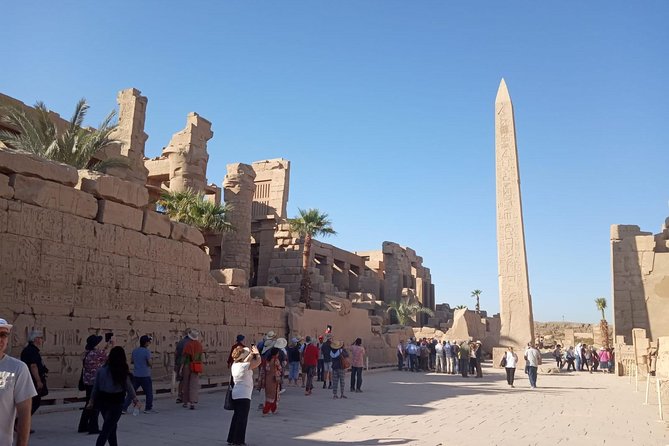
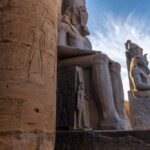
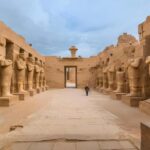
Karnak is the place where scale stops being a concept and becomes a sensory experience. The Karnak Temple Complex is described as a vast mix of temples, chapels, pylons, and other buildings near Luxor. In plain terms: it’s big, layered, and not designed for a quick photo sprint.
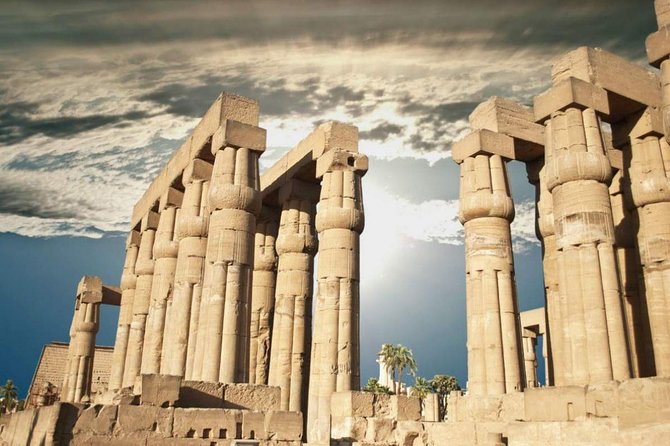
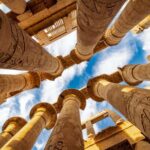
The two named highlights here are the Hypostyle Hall and the Avenue of the Sphinxes—and it’s a smart combination. The Hypostyle Hall is the iconic zone people picture when they think of Karnak: rows upon rows of columns creating a kind of stone forest. This is one of those spaces where your brain needs help. A guide can point out how the space is organized and what the visual design is trying to communicate.
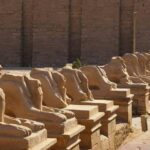
Then you move to the Avenue of the Sphinxes. This is where the site starts to feel like a planned processional route rather than a pile of ruins. If you’re the kind of visitor who likes “routes” and “reasons,” this section makes the place click.
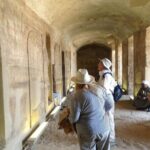
Practical note: Karnak can involve a good amount of walking and standing. Wear comfortable shoes and plan for the fact that you’ll want to look up a lot. That’s not a flaw—it’s the whole point.
Luxor Temple: The Southern Sanctuary You Can Read Once You’ve Been to Karnak
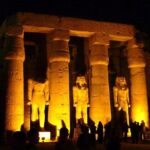
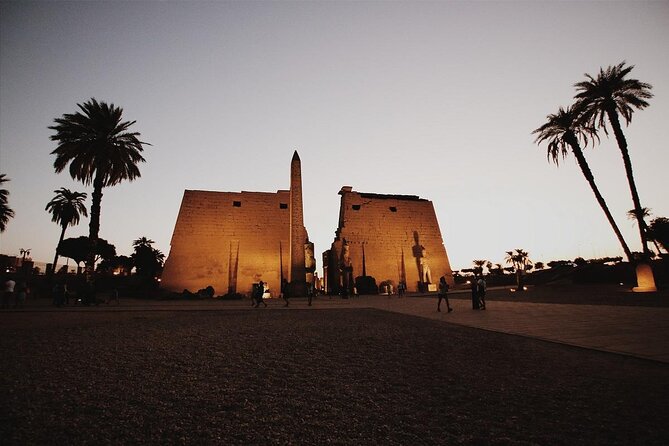
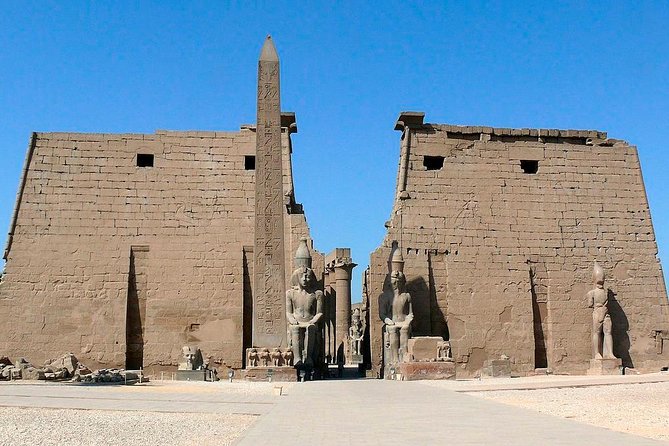
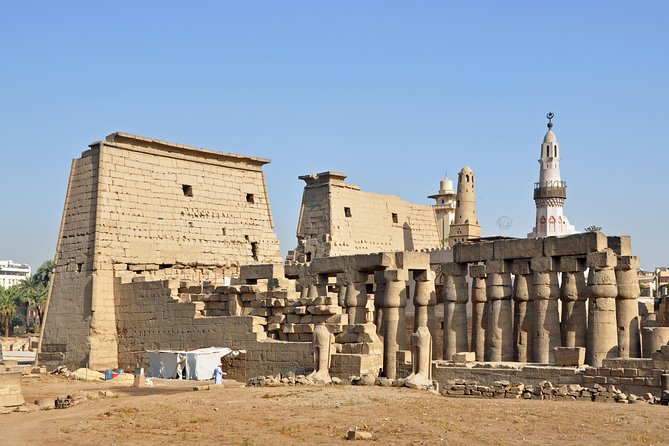
Luxor Temple is set on the east bank of the Nile in modern Luxor, and it’s believed to have been constructed around 1400 BCE. It even has an old Egyptian name, ipet resyt, which translates as the southern sanctuary. That detail sounds like trivia until you realize it’s a clue to how ancient Egyptians labeled and understood sacred space.
Compared to Karnak, Luxor Temple often feels easier to navigate. After the big-scale chaos (in the best way) of Karnak, Luxor Temple gives your eyes something more manageable: a clearer sense of progression through a temple complex that still carries serious meaning.
This stop is also a good moment to ask questions you didn’t think to ask earlier. Once you’ve seen the grand Hypostyle Hall, you’ll spot patterns in decoration and layout more easily. You’ll also have a better sense of why temples were built where they were—especially on the Nile’s east bank, where major religious and ceremonial activity clustered.
If you want your visit to feel like a story with chapters, this pairing helps a lot: Karnak sets the stage, and Luxor Temple helps you understand the tone.
Egyptologist Guidance: What Makes It Click (Karim and Said as Examples)
A tour like this lives or dies by the guide. The good news: the experience is designed around a qualified Egyptologist, and the standout feedback centers on guides being knowledgeable, patient, and genuinely supportive with questions.
Karim gets highlighted for being super knowledgeable and patient, especially when asked a million things by a young visitor. That tells me the style here is not “talk at you and move on.” It’s more like explain clearly, then give you room to follow up.
Said is praised for telling the history of the site in a way that feels organized and easy to track, and for clearly loving Luxor. That last part matters. When a guide actually cares, it changes the mood. You don’t feel like you’re getting a script—you feel like you’re being coached through meanings you can actually keep.
What you’re really buying with an Egyptologist is interpretation. Stone is stone. Meaning comes from context: what a space was used for, why certain elements are placed where they are, and how to “read” what you see without needing an archaeology degree.




Timing That Works: 3–4 Hours Without Feeling Rushed
The tour runs about 3 to 4 hours. That’s a sweet spot for many visitors because it’s long enough to cover two major temple stops, but short enough to avoid turning your day into a marathon. You’ll also have a plan for moving between sites, so you’re not guessing how long each section might take.
In this time window, the priority is not “everything.” It’s the most iconic parts: Hypostyle Hall and the Avenue of the Sphinxes at Karnak, plus Luxor Temple afterward. That’s actually good value for your time. If you tried to do these on your own without guidance, you’d likely spend energy on logistics and on figuring out what matters most once you arrive.
If you’re traveling with kids, a short structured tour is often the difference between a memorable day and an exhausted one. The guide style here—patient and flexible—is part of why it tends to work well for families.
Value for $40: What You’re Really Getting
At $40 per person for a 3–4 hour private tour experience, this is mostly about three things: guidance, transportation, and time saved. Add in hotel pickup/drop-off, air-conditioned travel, and bottled water, and you’re not just paying for someone to show up at a gate.
The tricky part is entrance fees. The stop details mention admission tickets included, while the general info says tickets entrance fees to the temples aren’t included. Since those pieces conflict, I’d treat this as a “confirm in writing” situation. It’s the one detail that could change the real cost.
Still, the value is strong if:
- you want an Egyptologist explanation rather than solo wandering, and
- you don’t want to spend your day working out transport and timing, and
- you appreciate the “private tour” format so you can ask follow-up questions.
For most first-time visitors, you’ll probably feel like the guide turns the ruins into something you can understand. That’s where the money goes.
Who This Tour Suits Best
This is a great fit if you want a focused East Bank highlight without getting bogged down. It’s also a nice match for:
- first-timers in Luxor who want Karnak and Luxor Temple in one day,
- families who need a guide who won’t brush off questions,
- couples or small groups who prefer a private experience rather than a crowded group scene,
- anyone who likes structure—see this, then this, with explanations along the way.
It may be less ideal if you want a totally flexible, slow-paced walk where you can linger indefinitely in every corner. This tour is designed for an efficient route, not a “take your time everywhere” plan. But for most people, that’s exactly the point.
Quick Tips So You Get More Out of Every Stop
- Bring comfortable shoes. You’ll be standing and walking more than you think once you’re in Karnak.
- Ask early questions. A good guide can steer you toward what to look for, which makes the rest of the visit more rewarding.
- Pace your photos. In temples, the best shots often come when you’ve paused and listened for a minute.
- If entrance fees matter to you, confirm what’s covered in your confirmation message. The info you’ll see can be inconsistent.
Should You Book This Luxor East Bank Tour?
If you’re trying to choose between doing Karnak and Luxor Temple solo versus booking a guided, private plan, I’d lean guided—especially for first-time visitors. You’re getting a route that hits the major highlights, plus the kind of interpretation that makes the monuments easier to understand.
Book it if you value:
- hotel pickup and an air-conditioned ride,
- a knowledgeable Egyptologist who handles lots of questions (think Karim- or Said-style patience), and
- a manageable 3–4 hour day that still feels substantial.
Skip—or at least double-check—if entrance fees and exact inclusions are unclear for you, or if you want a fully self-directed day where you can roam far beyond the most iconic sections.
If the confirmation matches what you expect on tickets, this is a solid way to spend your Luxor time on the East Bank.