REVIEW · LUXOR
Luxor to Aswan – Full Day Private Tour – High Dam and Philae Temple
Book on Viator →Operated by EgBride Travel · Bookable on Viator
This is a long, brain-awake day that links the Nile’s engineering story to its sacred sites. You’ll ride from Luxor to Aswan with a professional guide, then spend your time at Aswan High Dam and Philae Temple on Agilkia Island.
I especially like how the day isn’t just monuments on a map. The High Dam stop explains why Egypt built it in the 1950s, including Lake Nasser’s scale and the real people who were relocated. Then Philae adds the wow factor: an entire temple complex was saved and moved after it was submerged, thanks to UNESCO.
One thing to consider is that this is a full-day push (about 10 hours), and the experience depends on good weather for the Philae boat segment. Also, whether you get the full guide experience and admission tickets depends on the option you select.
In This Review
- Key highlights worth planning for
- Luxor to Aswan by private car: a 10-hour day with real breathing room
- Aswan High Dam: how Lake Nasser reshaped the Nile and everyday life
- Philae Temple on Agilkia Island: Trajan’s Kiosk, Isis, and the Nilometer
- The motorboat ferry to Philae: short ride, strong payoff
- Lunch and water: what’s included, and why it’s enough
- Price and value at $199 per person: where the money goes
- Guide quality: what the best operators do with names like Mahmoud (Osni) and Ayman
- Should you book this Luxor to Aswan tour with High Dam and Philae?
- FAQ
- How long is the Luxor to Aswan private tour?
- Is hotel pickup included?
- Do I get an English-speaking tour guide?
- Are the entrance tickets included?
- What will I see at Philae?
- Is the motorboat ride included?
- Is lunch included, and is there bottled water?
- What happens if weather is bad, or if I cancel?
Key highlights worth planning for
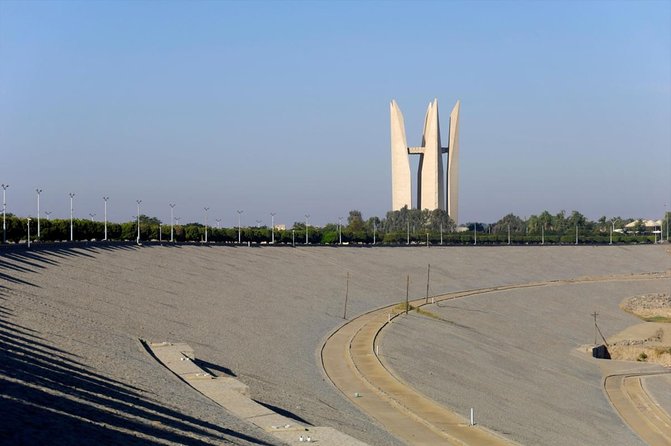
- High Dam facts you can actually use: Lake Nasser is described as about 300 miles long and 10 miles wide, plus the relocation effort tied to the dam.
- Philae’s UNESCO rescue story: you’ll learn why the original temple was submerged and how it was relocated to Agilkia.
- Trajan’s Kiosk + Temple of Isis: the Roman-era lookout structure meets the last classical-era worship of Isis.
- Ancient Nilometer visit: not just temples—this adds a practical Nile-measuring angle.
- Motorboat ferry ride to Philae: a short crossing that changes how the island feels and how you move through the site.
- Private, English-speaking guidance option: guides like Mahmoud (Osni) and Ayman are referenced for fluent, detailed explanations.
Luxor to Aswan by private car: a 10-hour day with real breathing room
A Luxor-to-Aswan day trip sounds like a drive and two stops, but the experience is really about pacing. You’re out for about 10 hours, and the key is that you’re not switching vehicles, hunting tickets, or doing that start-stop hustle on your own. You get pickup (offered) and travel in an air-conditioned vehicle with private transportation just for your group.
In practical terms, this matters because the drive south takes you from a “sightseeing rhythm” into a “day-trip marathon” rhythm. The value of a private setup is that the driver can focus on the route, and you can keep your day moving. Some of the strongest feedback tied to this kind of service is about safe, experienced driving and smooth organization, which is exactly what you want when you’re spending most of your day on the road.
The other timing factor is lunch. You’ll stop for lunch at a good local restaurant, then head on to Philae afterward. This is the right order: you avoid doing a half-empty day at Philae, and you don’t sit through the most “story-heavy” sites right after a long meal. Still, plan for a late day. This isn’t a quick hit.
If you’re sensitive to long days, pack a small bottle of water beyond what’s provided, and wear something you can keep comfortable in heat and sun. You’ll be out long enough that small comfort choices pay off.
You can also read our reviews of more private tours in Luxor
Aswan High Dam: how Lake Nasser reshaped the Nile and everyday life
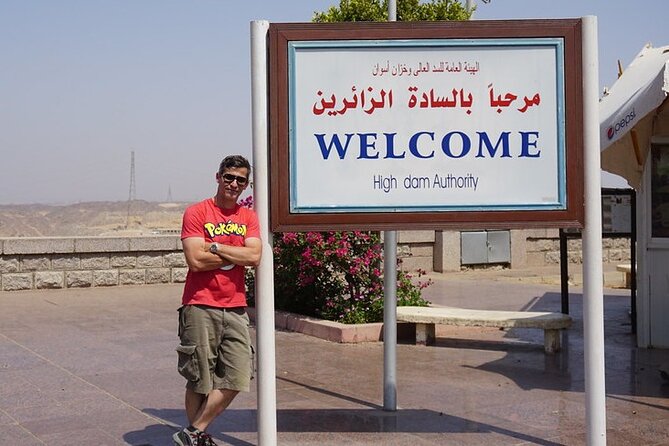
The High Dam stop is one of those rare tourist moments where the site is not just visually impressive. It’s also a chance to understand cause and effect—how one major decision changed the Nile’s behavior, power generation, and agriculture.
Here’s what the tour framing gives you: in the early 1900s, Egypt had the so-called Low Dam (built in 1902). It helped with irrigation in droughts, but it couldn’t control the Nile’s annual flood. Then in the 1950s, Gamal Abdel Nasser envisioned a new dam large enough to end flooding and bring electricity across the country.
The dam created Lake Nasser, and the numbers are presented in a way that helps you picture scale: the reservoir is described as about 300 miles long and 10 miles wide. That’s not just trivia. It’s the reason the surrounding region’s story becomes bigger than one city.
And then the tour adds the human side, which I think is the most important part to pay attention to. The formation of Lake Nasser required resettling 90,000 Egyptian peasants and Sudanese Nubian nomads, and it also involved the costly relocation of the ancient Egyptian temple complex of Abu Simbel. In other words, the dam wasn’t only “progress.” It was progress with a price.
What I like for you is that the High Dam becomes a lens. After you hear this, Philae starts to make more emotional sense, because you’ve already learned how water management decisions can transform sacred landscapes.
Practical note: the time at this stop is listed as about 45 minutes, and that’s usually enough for the core explanation and photos. Don’t expect this to be a museum-length experience; think of it as the “big picture briefing” that sets up the rest of the day.
Philae Temple on Agilkia Island: Trajan’s Kiosk, Isis, and the Nilometer
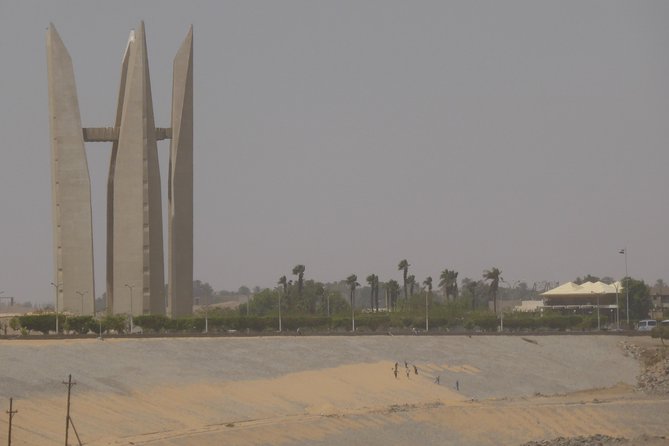
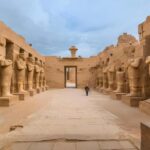
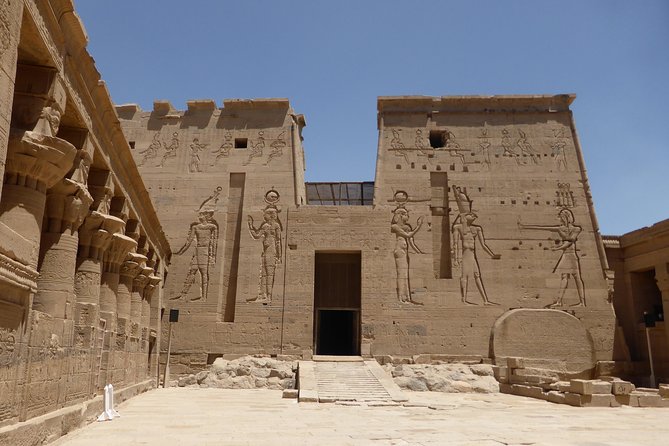
Philae is the star stop, and the reason it works is the combo: you get Roman-era architecture, classical Egyptian worship, and a UNESCO rescue story, all tied to one place.
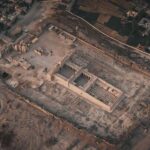
The tour focuses on Agilkia Island, where the temple complex was relocated. After the Aswan Low Dam and the resulting flooding of Lake Nasser, Philae was submerged. UNESCO support made it possible to move the complex to its new home on Agilkia, landscaped to resemble the original sacred isle of Isis.
When you arrive, you start with something that feels almost unexpected: Trajan’s Kiosk. It’s identified as an iconic structure built in the 2nd Century AD by Roman Emperor Trajan. That Roman detail matters because it reminds you Philae wasn’t stuck in one era. It kept changing hands, influences kept layering, and worship kept adapting.
Then the main focus lands on the Temple of Isis. The tour’s description is clear about the goddess and the meaning: Isis is tied to health, marriage, motherhood, and wisdom. Construction is given as starting around 690 BC, and the cult of Isis is described as continuing here until at least AD 550. This gives you a long timeline—one of the reasons the site feels more than just pretty stones.
Two more elements make Philae more than a quick temple walk:
- You’ll visit the temples on the island, not just one doorway photo stop.
- You’ll also see the ancient Nilometer. This is the practical measuring side of Nile life. If the High Dam explains modern water control, the Nilometer shows how people once tracked the river to plan what came next.
The tour description also notes that you can still see the submerged original island a short distance away. That detail sticks because it turns the UNESCO move from an abstract concept into something you can connect with water and distance.
Time-wise, the temple portion is listed around 1 hour 30 minutes. That’s enough to see the highlights without turning it into a rushed blur—especially if your guide keeps the explanation tight and easy to follow.
The motorboat ferry to Philae: short ride, strong payoff
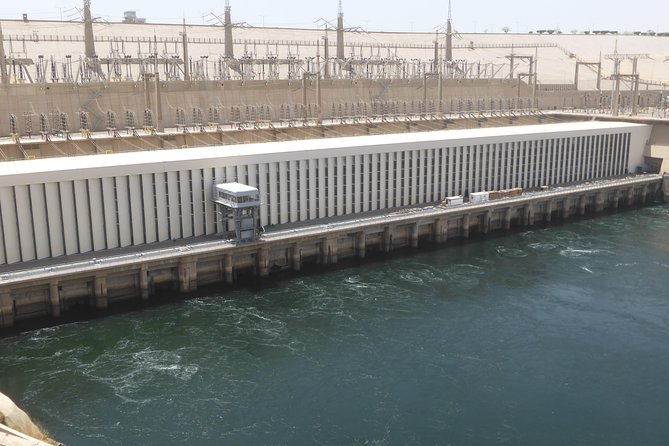
This is one of those inclusions that feels small until you do it. The tour includes a motorboat ride used as a ferry for getting to Philae, when the option is selected.
Why it matters: the crossing changes your mental geography. Philae on an island doesn’t feel like a street-corner stop; it feels like a place you travel to. It also builds a natural break between the High Dam story (modern power and water engineering) and the Philae story (sacred architecture preserved from submersion).
Because weather affects the experience, I’d treat this part as a priority for your day plan. The tour data states the experience requires good weather. If conditions are poor, the operator may offer a different date or a full refund, so you’re not stuck hoping for the best.
If you get motion sensitive, bring your own comfort basics. The tour doesn’t mention special assistance, and your best move is to be prepared for a short ride in sun and river air.
Lunch and water: what’s included, and why it’s enough
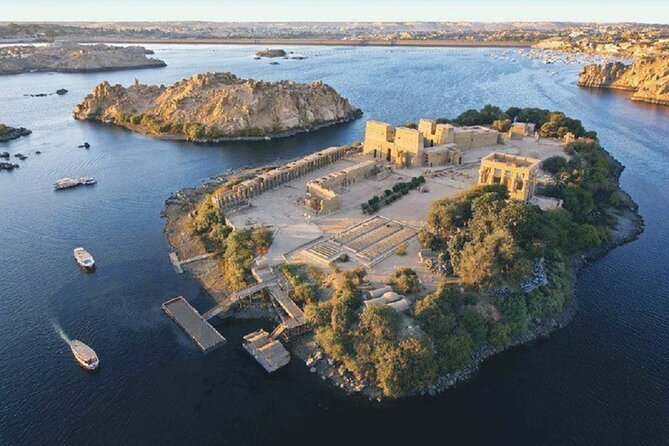
You’ll have lunch at a good local restaurant during the drive south, and the description specifies food is included. Drinks aren’t listed as included beyond bottled water, so assume you’ll want to budget for anything beyond that.
The tour includes one bottled water each person. That’s a helpful baseline on a day that’s basically sun plus road. Still, I’d consider bringing a few extra sips if you tend to drink a lot, because you’ll likely be walking and waiting for transitions.
What I like about this lunch setup is that it’s not positioned as a “tourist buffet trap.” It’s framed as local food, and it happens before Philae rather than after. If you’re the type who gets snacky or cranky when hungry, the ordering here helps.
The best way to use lunch is simple: eat early enough that you don’t feel heavy during your temple time, and keep it light on anything too spicy if you’re sensitive. Your goal is energy, not a food coma.
A few more Luxor tours and experiences worth a look
Price and value at $199 per person: where the money goes
$199 per person is a fair price point for a private day of this length, mainly because it bundles the hard parts: private transportation, a professional guide (when selected), and the major admissions/tour elements (when selected).
Here’s what the included list covers:
- Air-conditioned vehicle and private transportation
- Lunch at a good local restaurant (food only)
- All fees and taxes
- One bottled water per person
- Sightseeing tickets/admission fees and the motorboat ride, when the option is selected
What’s not included is also clear: tips, beverages beyond the bottled water, and any extra activities not mentioned. If you’re comparing this to DIY, the real savings from DIY disappear fast when you factor in time, ticket lines, and coordinating transport around a fixed temple schedule.
The biggest “value lever” is the option structure. If you select the guided and ticketed components, you reduce decision fatigue. If you choose a lighter option, you might end up with more of the day handled by driver support rather than a full Egyptologist-style explanation. The difference matters in a place where context turns stones into meaning.
If you care most about learning, aim for the option with the guide and admission fees. If you care most about comfort and logistics, private transport still does a lot of work for you.
Guide quality: what the best operators do with names like Mahmoud (Osni) and Ayman
Good guiding in Egypt is not just facts. It’s clarity, pacing, and making connections between what you’re looking at and why it matters.
The strongest praise tied to this operator’s team includes fluent English explanations and detailed context. One guide named Mahmoud (Osni) is called out for being fluent and for helping people understand relationships between Egyptian gods, kings, and dynasties. That kind of explanation matters at Philae, where Isis worship sits alongside layers of political and cultural influence.
Another name that shows up is Ayman, described as arranging a detailed itinerary and giving expert advice. There’s also mention of Gigi, and Mohamed organizing larger routes between sites. Other feedback points to strong driver performance and good overall organization, with people also noting the operator respected deadlines.
I also took note of one caution from feedback: in at least one case, the downside was having a new guide each day with varied knowledge. Your booking is for a private day trip, so you should be set for this day. But it’s a good reminder to ask before you confirm: who will be your guide, and will it be the same person for your entire planned day.
If the guide is a standout, your experience shifts from photo tour to understanding tour. And in Aswan, where so much is about water decisions and temple relocation, understanding is the payoff.
Should you book this Luxor to Aswan tour with High Dam and Philae?
If you’re doing Luxor and you want one day that truly changes the way you think about Egypt’s relationship with the Nile, I’d book it. This tour gives you two major themes in one line: modern water control at the High Dam, then sacred architecture preserved from flooding at Philae.
You’re a good fit if:
- You like explanations, not just sightseeing photos
- You want a private day with hotel pickup and a comfortable ride
- You want the UNESCO relocation story to be more than a quick mention
- You’re okay with a long day (around 10 hours)
I’d think twice if:
- You hate long travel days
- You’re highly dependent on perfect weather for the boat segment
- You’re shopping for the cheapest option and don’t want to pay for private transport and context
Bottom line: the value here isn’t just the sights. It’s the way the day connects them—how water control shaped what survived, what moved, and what people worshiped when the river changed.
If you’re deciding between this and a purely transport-only option, choose the one with English guiding and included admissions. That’s the difference between seeing Philae and understanding why it had to be saved.
FAQ
How long is the Luxor to Aswan private tour?
The duration is listed as approximately 10 hours.
Is hotel pickup included?
Pickup is offered, and the tour uses private transportation from your area in Luxor.
Do I get an English-speaking tour guide?
A professional English-speaking tour guide is included if that option is selected.
Are the entrance tickets included?
Sightseeing tickets and admission fees are included if the ticket option is selected.
What will I see at Philae?
You’ll visit the Temple of Isis, Trajan’s Kiosk, and the ancient Nilometer.
Is the motorboat ride included?
Yes, the motorboat ride to Philae is included if that option is selected, using it as a ferry.
Is lunch included, and is there bottled water?
Lunch is included at a good local restaurant (food only), and one bottled water per person is included.
What happens if weather is bad, or if I cancel?
The experience requires good weather. If it’s canceled due to poor weather, you’ll be offered a different date or a full refund. You can cancel up to 24 hours in advance for a full refund.