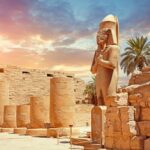
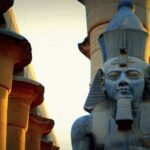
One thing about Luxor is that it feels like the past is right there. This two half-day setup keeps the focus on the big sites without turning your day into a chaotic line-staring contest, and you get an English-speaking guide in an air-conditioned car to keep travel between stops painless. It’s the kind of plan where you’ll actually know what you’re looking at, and where the photos make sense.
I especially like the pacing: a guided explanation first, then time afterward to wander and take photos at your own speed. I also like that Peter (the English guide) is the same person across the two days, so the story keeps flowing from tomb to temple instead of feeling like a bunch of disconnected visits.
One thing to consider: admission tickets are not included for several major stops, so you’ll want to budget extra cash (or cards, where accepted) for entry before you go.
In This Review
- Key highlights at a glance
- Two half days in Luxor that actually feel manageable
- Price and what the $50-per-person deal really includes
- West Bank morning: Valley of the Kings with three tombs (and options)
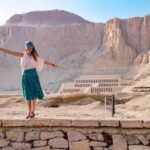
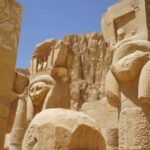
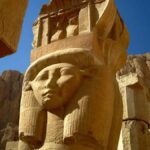
- Deir el Bahari and Hatshepsut: a full explanation before you wander
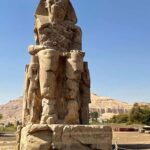
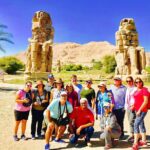
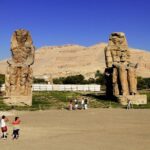
- Colossi of Memnon: five minutes, free, and worth a breather
- East Bank Day Two: Karnak Temple with guided orientation
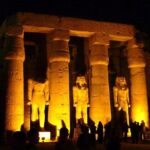
- Luxor Temple: columns, courtyards, and a guide who tells stories
- Why this tour feels solid: private group, safe driving, and steady timing
- Practical tips to make your two-day Luxor smoother
- Should you book this Luxor two half-day English tour?
- FAQ
- What sites are included in this two-day Luxor experience?
- Is the tour private?
- What time does the tour start?
- How long is the overall experience?
- Do I get picked up from my hotel?
- Is transportation air-conditioned?
- Is admission included in the price?
- Will there be time to look around and take photos?
- What language is the guide?
- How much does it cost and when do people usually book?
- Is there free cancellation?
Key highlights at a glance
- English guide Peter: clear explanations and room for your questions
- Private tour for your group: no mixing with strangers
- Air-conditioned car between the West Bank and East Bank
- Valley of the Kings time with tomb choices: starts with three tombs, with options to add more
- Photo time after explanations at multiple temples
- Colossi of Memnon is quick and free: a simple stop that breaks up the day
Two half days in Luxor that actually feel manageable
Luxor can be overwhelming fast. Between the scale of the temples and the intensity of the heat, the biggest risk is treating everything like a checklist and missing the meaning. This tour’s structure helps you avoid that.
You’ll spend one day on the West Bank and the next on the East Bank. That simple split matters. It keeps you from bouncing back and forth constantly, and it matches how the sites were meant to be experienced: tombs and mortuary temples on the West, living and royal cult temples on the East.
The other big factor is that this is a private activity. In practice, that usually means fewer delays, more flexibility if you have questions, and less time wasted trying to understand where you should be next. You also get pickup from your hotel or a meeting point, so you’re not scrambling on arrival day.
You can also read our reviews of more guided tours in Luxor
Price and what the $50-per-person deal really includes
At $50 per person, this is built around the human side of the experience: an English guide (Peter) plus transport in an air-conditioned car. You also get pickup and a mobile ticket, which is a nice touch in a place where phone-based logistics can be easier than paperwork.
Here’s the catch that affects real value: admission tickets are not included for several stops. That includes Valley of the Kings, Temple of Hatshepsut at Deir el Bahari, Karnak Temple, and Luxor Temple. The Colossi of Memnon stop is listed as free admission and only takes about five minutes, so it won’t add much cost.
So is it good value? Yes—if you plan to pay entry fees anyway and you want a guide-led, paced visit that helps you see more than stone shapes. If your goal is to keep spending strictly minimal and you’re comfortable reading sites on your own, you might compare against ticket-only self-guided options. But for most people, $50 becomes reasonable because it covers transport + English interpretation for two days.
West Bank morning: Valley of the Kings with three tombs (and options)
The tour starts early—eight in the morning each day. That’s not just a random time slot. Starting early is how you handle Luxor’s sun and keep the morning from turning into a sweat sprint.
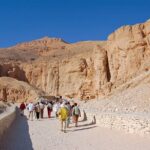
From your hotel or meeting point, you’ll ride for about an hour to reach the West Bank. Once you’re there, you’ll visit three tombs. You’ll get guidance as you move between them, which is where a tour like this earns its keep. Valley of the Kings isn’t just “pretty carvings.” It’s a layered program of belief, royal ideology, and funerary art, and the guide helps you look at details you’d likely miss alone.
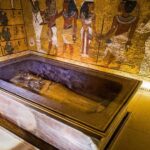
You’ll also have a chance to add another tomb or two, depending on what you choose to focus on—options mentioned include the tomb of Tutankhamun and the tomb of Ramses V and VI. The value of that flexibility is huge. If you’re a first-timer, three tombs is often a sweet spot: enough variety without turning it into sensory overload.
A practical note: this stop is listed as about two hours, and admission tickets are not included. That means your time and costs depend on which tombs you add. If Tutankhamun or a specific Ramses tomb is a top priority for you, build in patience. Also, keep your plan flexible in the moment—tomb access and pacing can change, and an organized guide helps you adjust.
What you should expect at this stop
You’ll be walking inside tombs with columns and wall art. Lighting can be dim, so your best photos usually come from waiting for the guide to finish pointing out key scenes, then taking your shots quickly. If you like the art, ask questions during the guided portion; it makes the next tomb more meaningful.
Deir el Bahari and Hatshepsut: a full explanation before you wander
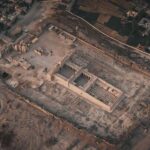
After the Valley of the Kings, the tour heads to the Temple of Hatshepsut at Deir el Bahari. This stop is built around a two-step experience: a full guide explanation first, then time inside for photos and your own pace afterward.
That sequence matters. Hatshepsut’s temple is famous, but it’s also easy to view as a collection of terraces unless someone gives you the context: who she was, why this monument looks the way it does, and how the story is told through layout and carvings. When the explanation comes first, your later wandering turns from random viewing into focused looking.
The visit is listed at about two hours, and admission tickets are not included. As a rule of thumb, budget enough time to move slowly here. Deir el Bahari is not the place to rush. Even if your feet are tired, the view points and the temple geometry reward a slower pace.
A small downside to plan for
Photo time happens after the explanation, which is great for learning—but you might feel a bit of photo pressure if you tend to take lots of pictures. If that’s you, tell the guide what you want to capture. A good guide can steer you toward the best angles without cutting your freedom.
Colossi of Memnon: five minutes, free, and worth a breather
Then you get a quick stop: the Colossi of Memnon. This is listed at about five minutes, and admission is free. That short timing is actually smart. It gives you a pause without another long ticketed entry.
These two famous statues are big enough that you’ll instantly understand why they’re iconic. The guide gives an explanation, then you have a brief moment to photograph and move on.
I like stops like this because they reset your brain. After a couple of tomb and temple experiences, a short open-air stop helps you breathe and re-focus for the next day.

East Bank Day Two: Karnak Temple with guided orientation
On the second day, you’ll shift to the East Bank with Karnak Temple. The pickup again happens from your hotel or a meeting point, and the transfer is in the same style of air-conditioned car. Luxor’s heat doesn’t care about your enthusiasm, so this is a comfort upgrade that adds up across two days.
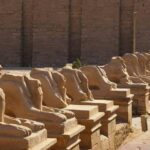
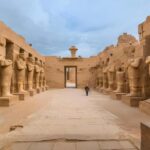
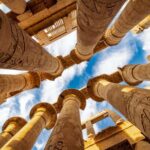
Karnak takes about two hours. The tour provides a full explanation, then you get a free tour inside the temple specifically for photos after the guided portion. This is a key difference between doing Karnak with or without guidance: Karnak is huge, and without orientation you can feel lost in the scale.
A good guide helps you notice the patterns—how the temple complex was planned, how spaces connect, and what details you should pay attention to as you move deeper. Even if you’ve seen pictures before, Karnak often looks different in person once you know what you’re looking at.
As with other major stops, admission tickets are not included for Karnak. Plan your budget accordingly. Also, wear shoes you don’t mind getting dusty. You’ll be walking.
Luxor Temple: columns, courtyards, and a guide who tells stories
Luxor Temple is the final major stop, and you’ll spend about two hours there walking with the guide. Admission tickets are also not included for this one.
This is a temple where the atmosphere changes as you move. The walking pace makes sense because you’re not just standing in one place waiting for a view. You’ll wander between columns and courtyards, which helps you appreciate how the space works.
What I like here is that Peter doesn’t treat it like a list of dates. He explains the temple’s history and then shares personal storytelling—information he says he received from teachers, plus stories from his experience and family. That kind of added voice can make a guided temple visit feel less like a lecture and more like a conversation with someone who cares about the place.
If you like temples as lived spaces—where the geometry shapes the mood—Luxor Temple is the one that often clicks. It’s also a good place to slow down and ask follow-up questions.
Photo tip
Because you’ll have walking time during the guided portion, try to decide your priorities early: one or two must-have photo angles, plus a few quick shots for details. After the guide highlights key areas, you’ll be able to photograph with intent rather than random snapping.
Why this tour feels solid: private group, safe driving, and steady timing
Several parts of this experience are about reliability, not just sightseeing.
First: you start with pickup and ride in a car with air-conditioning. That turns the longer travel segments into something closer to comfortable rather than exhausting. Second: the tour is private, so you don’t spend your time negotiating when the group is ready to move. And third: the timing is structured. You know roughly what happens when, and you’re not stuck waiting endlessly at sites.
Peter also comes through as someone who gives clear recommendations on the most important tombs to see at the Valley of the Kings. That’s useful because Valley planning can be tricky. With so many tomb options, it’s easy to overbook your priorities. Having a guide help you choose makes your time inside feel purposeful.
Punctuality and safe driving were also mentioned as strengths. In Luxor, that matters. It means you can stay calm, enjoy the scenery between stops, and focus on the sights rather than the logistics.
Practical tips to make your two-day Luxor smoother
Luxor rewards good preparation. Here are a few things that help you enjoy this exact kind of guided schedule.
Plan for extra entry costs
Since admission tickets aren’t included for major stops, keep a buffer in your budget. For major Egypt sites, entry fees add up faster than you expect, especially if you add an extra tomb at the Valley of the Kings.
Go easy on your footwear
You’ll be walking inside tombs and temples, plus moving between West Bank and East Bank. Comfortable shoes matter more than you think. Aim for something that supports your feet and won’t make you curse every step.
Bring sun protection for the transitions
Even if you have air-conditioning for the transfers, you’ll still be outside for photos and short walks. Hat, sunscreen, and sunglasses make your day easier.
Use the guided explanation to power your photos
This tour intentionally gives you photo time after the guide speaks. Treat those moments like photo missions with a goal: capture one wide scene and a few details the guide pointed out. You’ll get better results and less stress.
Ask questions early
If you’re curious about specific people, symbols, or scenes, ask during the guided part. Then your later wandering becomes about confirming what you learned rather than hunting for meaning.
Should you book this Luxor two half-day English tour?
I’d book this if you want a straightforward Luxor plan with an English guide, air-conditioned transfers, and a pace that includes both learning and free time. It’s especially a good fit if you’re visiting for the first time and want help choosing what to see at the Valley of the Kings.
I would think twice if you’re trying to minimize entry fees as much as possible, because the big-ticket sites listed here require separate admissions. I’d also consider whether you prefer fully self-guided exploring. This tour is structured, and the value is in that structure.
If you like the idea of one guide leading you from the West Bank’s tombs to the East Bank’s temples—without confusion, with a bit of breathing room—you’ll likely feel happy with this pick.
FAQ
What sites are included in this two-day Luxor experience?
You’ll visit the Valley of the Kings, the Temple of Hatshepsut at Deir el Bahari, the Colossi of Memnon, Karnak Temple, and Luxor Temple.
Is the tour private?
Yes. It’s a private tour/activity, so only your group participates.
What time does the tour start?
The tour starts at eight in the morning every day.
How long is the overall experience?
The duration is listed as about 2 days (approx.).
Do I get picked up from my hotel?
Yes, pickup is offered from your hotel or from an agreed meeting point.
Is transportation air-conditioned?
Yes, you travel in an air-conditioned car.
Is admission included in the price?
Admission tickets are not included for several major stops (Valley of the Kings, Hatshepsut, Karnak, and Luxor Temple). Colossi of Memnon is listed as free admission.
Will there be time to look around and take photos?
Yes. For multiple stops, there’s a guided explanation first, followed by free time inside for photos after the explanation.
What language is the guide?
The tour includes an English tour guide.
How much does it cost and when do people usually book?
The price is $50.00 per person, and it’s typically booked about 10 days in advance.
Is there free cancellation?
Free cancellation is available, and you must cancel at least 24 hours before the experience start time for a full refund.