REVIEW · LUXOR
Luxor: East and/or West Banks Guided Tour with Lunch
Book on GetYourGuide →Operated by OceanAir Egypt · Bookable on GetYourGuide
Luxor’s tombs and temples hit hard. This guided day strings together the East and West Banks with an Egyptologist guide, so the famous monuments come with context instead of just photos. You also get air-conditioned pickup from your East Bank hotel (with a meeting point option if you’re on the West Bank) plus a local lunch break to reset.
I especially like the Valley of the Kings focus on well-known royal tombs, and I love how the plan also includes the Karnak Temple and Luxor Temple on the East Bank, so you see Luxor as a whole instead of one side only. One possible drawback: the day can feel fast, and if your guide is moving quickly, you may have less time for questions or lingering in each site.
In This Review
- Key Things To Know Before You Go
- East and West Banks: two Luxors in one guided day
- Valley of the Kings: royal tombs, guided walking, and smart expectations
- Hatshepsut’s mortuary temple: why a female pharaoh still draws a crowd
- Colossi of Memnon: a quick stop with big presence
- Lunch at a local restaurant: what breaks up the heat best
- Karnak Temple: the largest temple stop with a guide’s context
- Luxor Temple: a second East Bank anchor, close to the river
- The Nile boat cruise: a gentle wrap-up if your schedule includes it
- Price and value: what $62 includes, and what costs extra
- Guide quality and shopping stops: how to keep the day comfortable
- Who should book this Luxor guided tour with lunch
- Should you book it?
- FAQ
- What sites are visited on the West Bank portion?
- What sites are visited on the East Bank portion?
- Is lunch included, and are drinks included too?
- Where do I get picked up from?
- Does the tour include entrance tickets and a guide?
- Is the tour wheelchair accessible?
Key Things To Know Before You Go
- You’ll cover both banks of the Nile, with an option to focus on one side depending on your interests
- Valley of the Kings includes specific royal tombs tied to Ramesses III, Ramesses VI, and Mrenptah
- Hatshepsut’s temple is a major stop, spotlighting Egypt’s powerful female ruler
- Lunch is included at a local restaurant, and the tour also provides mineral water during travel
- Karnak and Luxor temples are the headline East Bank sights, built for big scale and big meaning
- Comfort matters: wear walking shoes and bring sun protection, because you’ll be outside for multiple hours
East and West Banks: two Luxors in one guided day
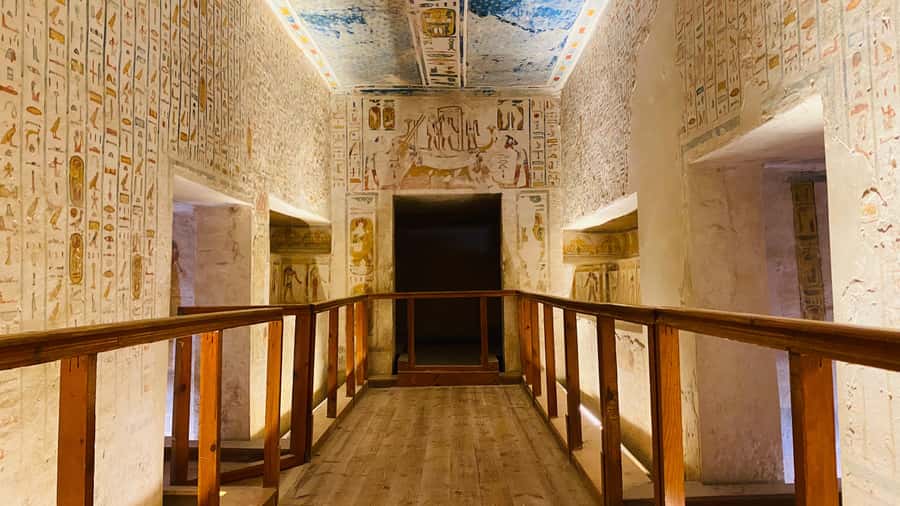
Luxor feels split down the middle. The East Bank is where the temple power shows up in full daylight, while the West Bank is all about the kings, the tombs, and the quiet seriousness of a necropolis. A guided format helps a lot here, because it’s not just where things are—it’s why they mattered to the people who built them.
Logistics are also pretty straightforward. You’re picked up in an air-conditioned vehicle and you ride with your guide between sites, with mineral water on the way. That may sound small, but in Luxor’s sun it makes a real difference for keeping your energy up through walking time at multiple stops.
Also note the reality of tour pacing: even with a well-run guide, you’re stacking several major sites into a day that’s listed at about 5–8 hours total. If you like to linger, bring that up early and aim to ask questions whenever the guide pauses.
You can also read our reviews of more guided tours in Luxor
Valley of the Kings: royal tombs, guided walking, and smart expectations
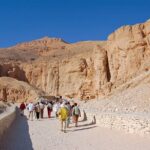
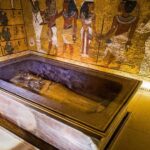
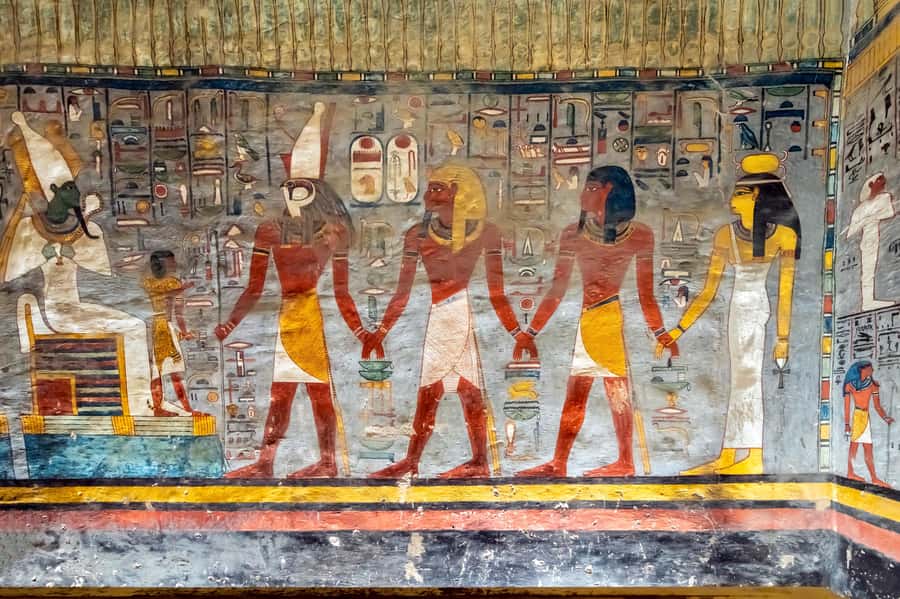
This is the stop most people picture when they think of Luxor. You’ll spend about two hours with a guided visit through the Valley of the Kings, including the tombs of Ramesses III, Ramesses VI, and Mrenptah. That gives you a clear set of “name sites” to connect as you move—so you’re not just wandering, you’re building a mental map of royal reigns and afterlife beliefs.
Here’s how I’d set your expectation: tomb visits are visually intense, but they’re also physically simple. The ground is uneven in places, and you’ll want good footing and sun protection. The tour’s advice lines up with that—comfortable shoes, a sun hat, and sunscreen aren’t optional if you want to enjoy the day instead of fighting the heat.
A small practical tip: because you have limited time, focus your questions on what you care about most. If you want the human story of power and legacy, ask how the guide connects the specific kings you’re seeing to the bigger concept of the Valley. If you want architecture or art themes, ask the guide what to notice first inside the tombs.
Hatshepsut’s mortuary temple: why a female pharaoh still draws a crowd
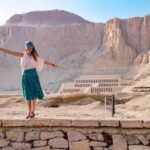
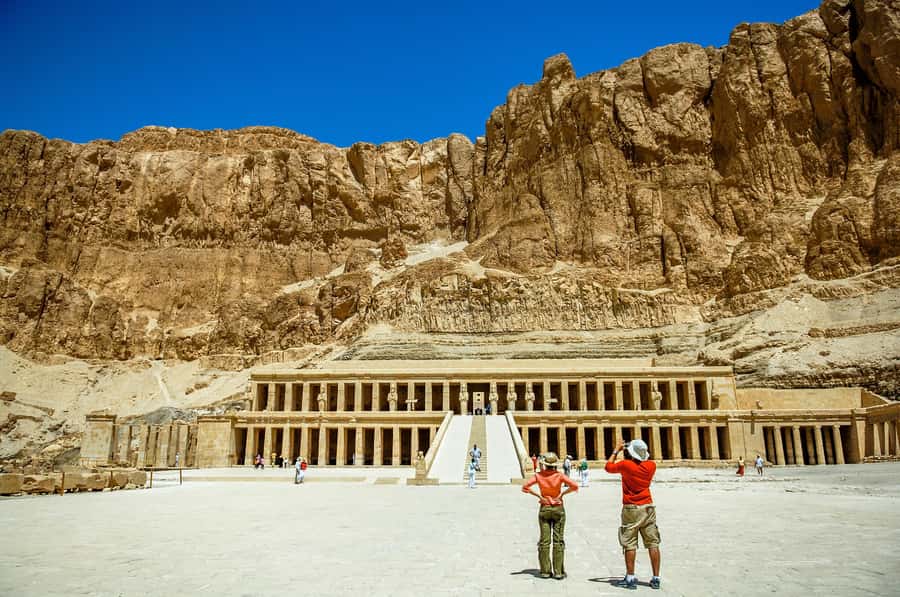
Next comes the Temple of Queen Hatshepsut, visited for about one hour with guided explanation and sightseeing time. Hatshepsut stands out because this temple was built to honor a strong female ruler who reigned for about two decades, bringing more wealth and peace to Egypt.
That matters, because it changes how you read the site. You’re not just looking at an old monument—you’re meeting a political message in stone. With a guide, you’ll get the story tied to the temple rather than treating it like a quick photo stop.
Time-wise, one hour is enough to get the basics and leave without feeling rushed forever. Still, if you’re the type who likes to ask follow-up questions, this is a good place to do it—Hatshepsut’s story has enough hooks that you can keep going if your guide has time.
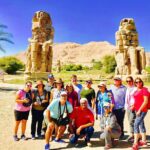
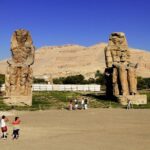
Colossi of Memnon: a quick stop with big presence
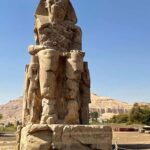
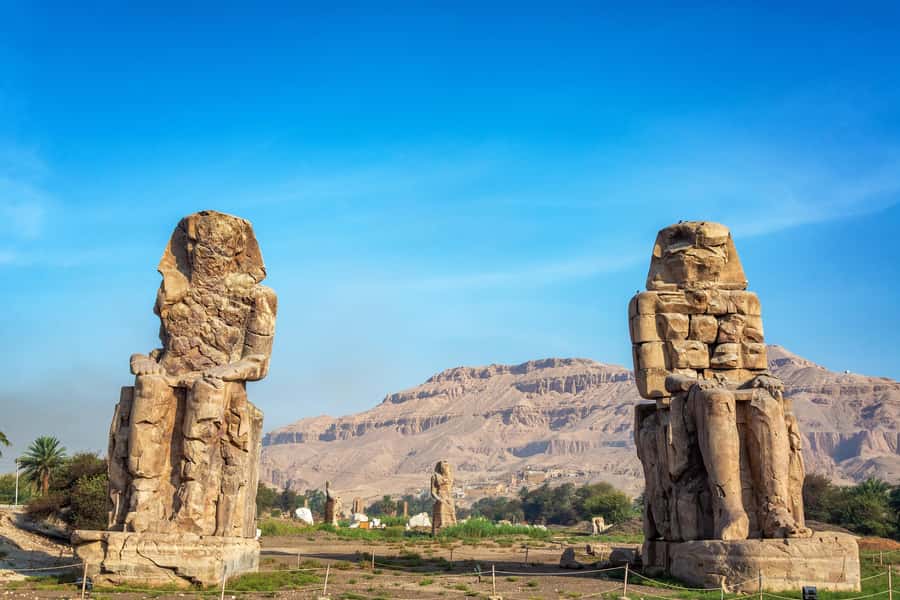
The Colossi of Memnon visit is shorter, about 30 minutes. You’ll also connect it to the mortuary temple of Amenhotep III. Even in a brief window, this stop can land well because the scale of these figures tends to make the mind do its own math: how could something this enormous survive, and why build monuments at this size?
This is the kind of site where the right guide makes it better. Instead of focusing only on how it looks, the guide can explain what it signaled in its original setting—how rulers wanted their presence felt long after their reign.
If you like smoother days, treat this stop as a breather in the schedule. Then you’ll be ready for the biggest East Bank “wow” factor coming up next.
Lunch at a local restaurant: what breaks up the heat best
Between West Bank and East Bank visits, you get a lunch break of about one hour at a local restaurant. Lunch is included, and the tour also provides mineral water during travel. Drinks during lunch are not included, so plan to cover those separately if you want extras.
In Luxor, this break isn’t just food—it’s strategy. After tombs and sun exposure, one hour can reset your legs and your mood. If you eat something steady and drink water, you’ll handle the East Bank walking and temple exploring much better.
I also like having this planned rather than winging lunch on your own. On a day with multiple fixed stops, you want less decision-making and more time spent actually looking.
A few more Luxor tours and experiences worth a look


Karnak Temple: the largest temple stop with a guide’s context
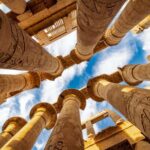
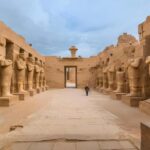
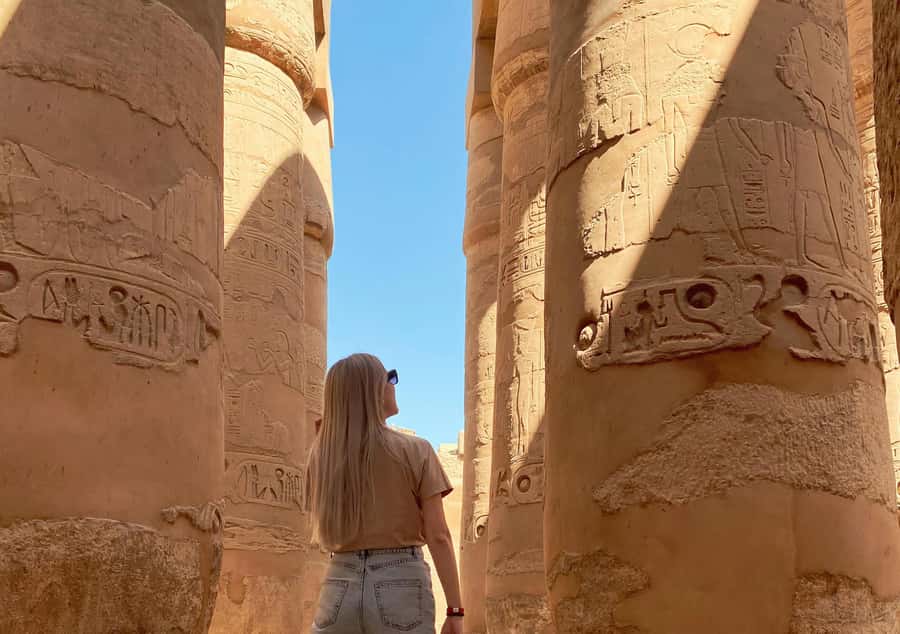
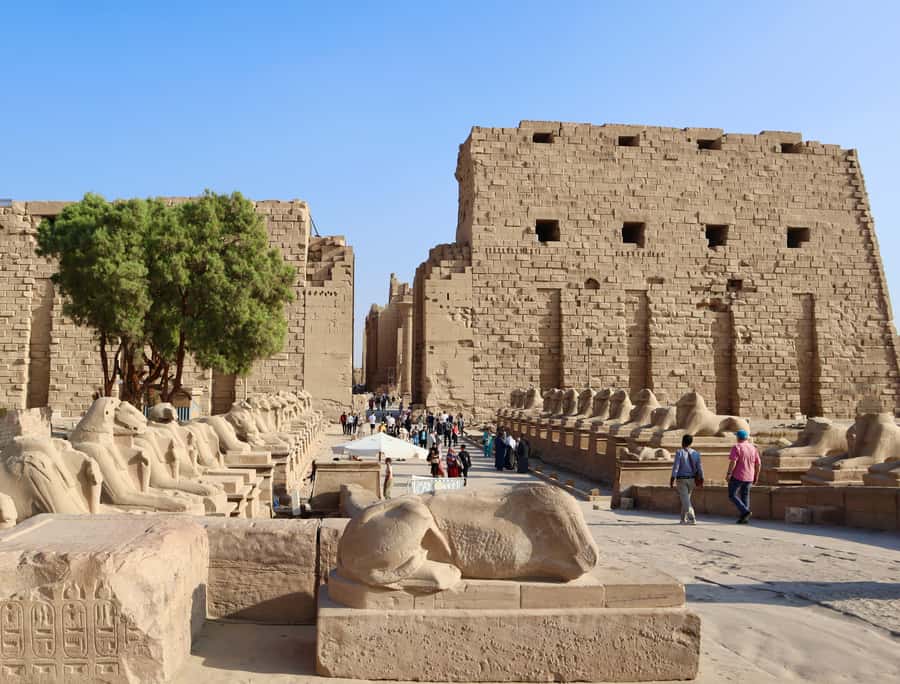
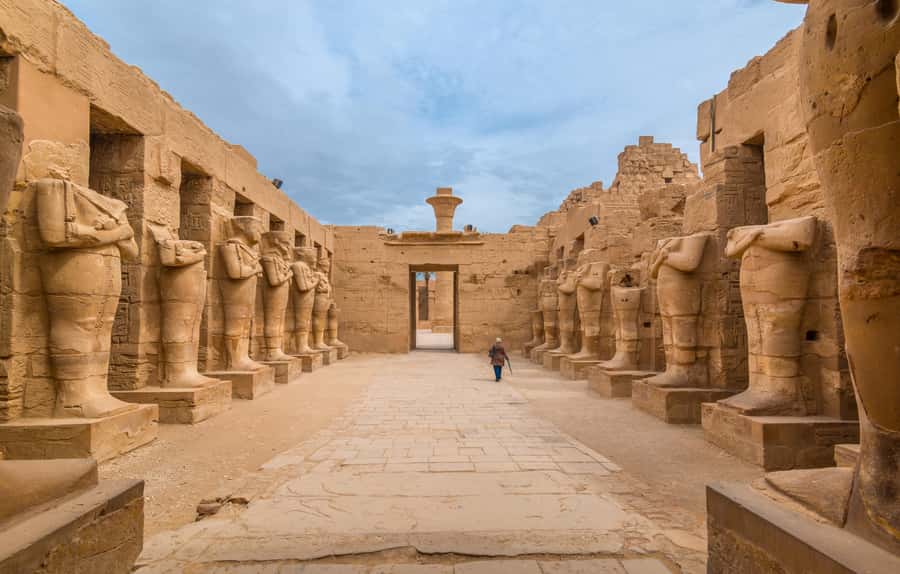
On the East Bank, the schedule centers on Karnak Temple first, then Luxor Temple afterward. Karnak is described as the largest temple in the world, and it’s a must-see when you’re doing the classic highlights route.
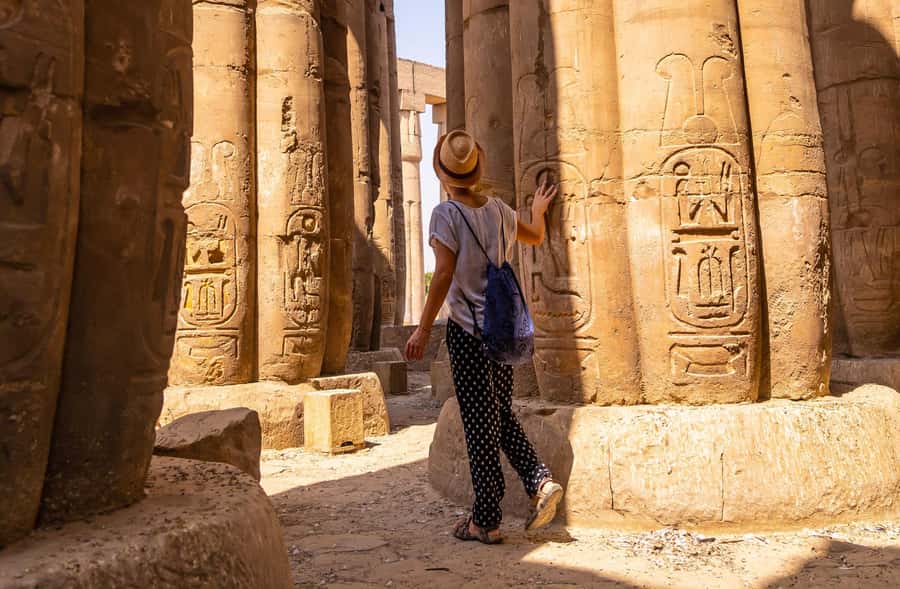
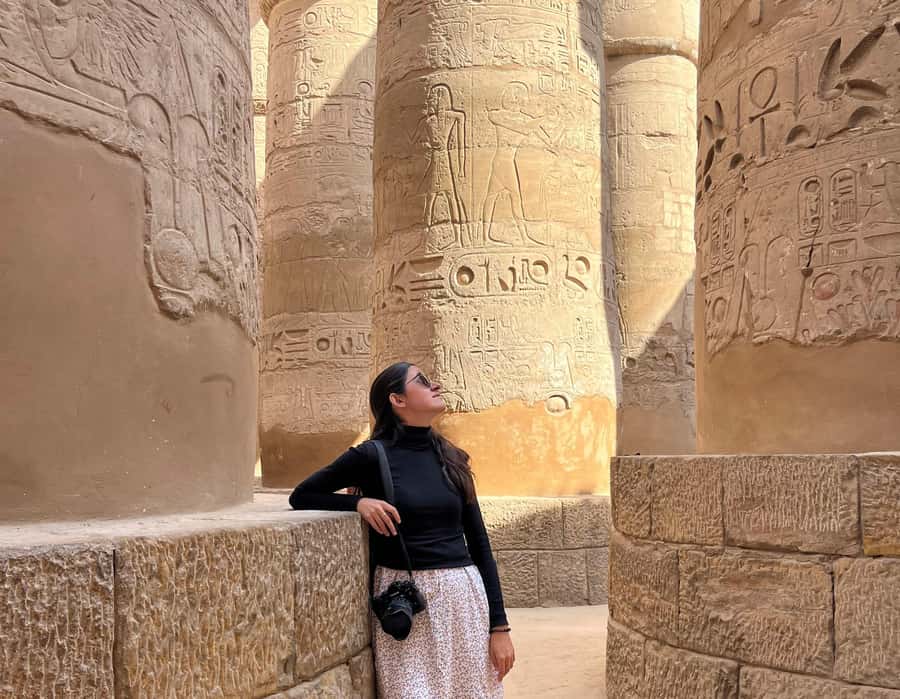
You’ll typically spend about one hour here with a guided visit and sightseeing time. The value of that hour isn’t just ticking off a famous site. It’s that Karnak can feel overwhelming if you walk in cold. With a guide, you get a route through the ideas—what the temple complex meant, how it functioned, and why it’s still a major symbol of Egyptian religious life.
A practical note: you’ll be in the open and moving around, so the same comfort rules apply. Good shoes, hat, sunscreen. And if you’re the type who likes photos, aim to take them quickly and then return your attention to the guide’s explanations—Karnak rewards understanding almost as much as it rewards seeing.
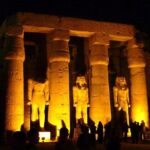
Luxor Temple: a second East Bank anchor, close to the river
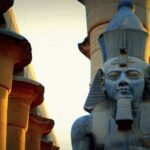
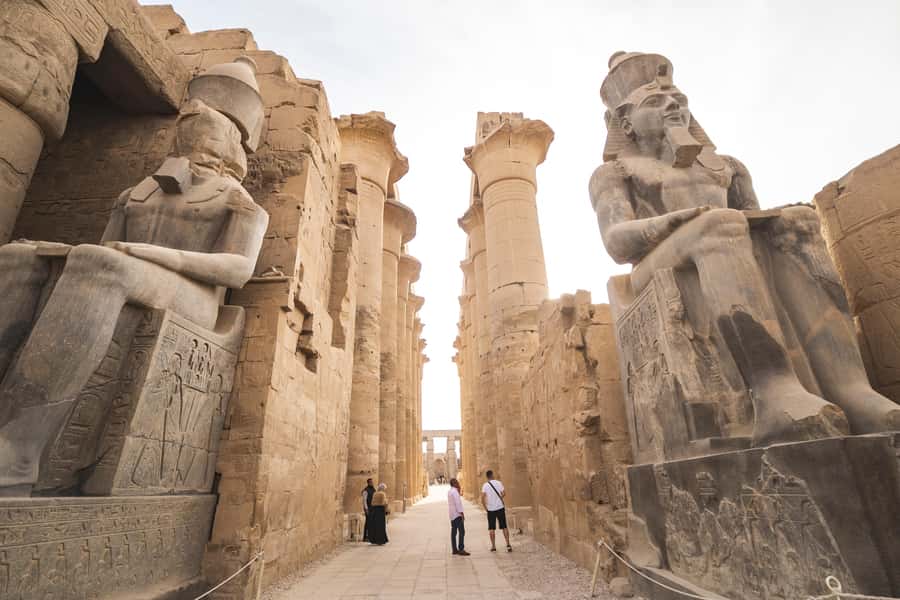
After Karnak, you’ll visit Luxor Temple for about one hour. It’s also described as the largest Ancient Temple of Egypt, which tells you exactly how seriously the tour treats this stop.
Because you’re going from Karnak’s massive reputation to Luxor Temple right after, it can be easier to appreciate the flow if you let the guide connect the dots. A guided stop helps you avoid the common trap of treating each temple as a separate disconnected postcard.
This one-hour window is a good “sweet spot” for most people. Long enough to understand what you’re looking at, short enough that you won’t feel stranded if you’re tired.
The Nile boat cruise: a gentle wrap-up if your schedule includes it
The tour day schedule includes a boat cruise of about one hour, which can be a nice wind-down after temple walking and sun. It also helps break the day into sections: monument-heavy time, then a calmer change of pace.
Because boat inclusion can vary by operator option, I’d treat it as a “likely” day element when the full route is run. If it matters to you, double-check when booking. Either way, consider the cruise a practical tool for recovery—cooler air, less walking, and a chance to see Luxor from the river angle.
Price and value: what $62 includes, and what costs extra
At $62 per person, this tour looks like good value if you want a structured highlights day without doing the planning yourself. Here’s the value math that matters:
Included highlights that you’re not paying for separately:
- Pickup and drop-off from your accommodation on the East Bank
- A professional Egyptologist tour guide
- Entrance tickets for the attractions based on your booked option
- Karnak and Luxor Temple if you choose the East Bank or full-day option
- Valley of the Kings, Hatshepsut Temple, and Colossi of Memnon if you choose the West Bank or full-day option
- Mineral water during travel
- Lunch at a local restaurant
- Service taxes included
What you should expect to pay or arrange yourself:
- Drinks during lunch
- If you’re staying on the West Bank, pickup and drop-off aren’t included from hotels; you meet at El Mesala Hotel
- Feluca ride is an add-on, not part of the base tour
- Airport pickup/drop-off is available only for an additional cost
- A wheelchair isn’t suitable for this experience
In plain terms: you’re paying for a guided, ticketed, transport-and-meal day. That’s where the value comes from. If you’d rather go at your own speed or want a deeper archaeology session at fewer sites, you might feel the pace. But for first-timers chasing the major Luxor anchors, this pricing makes sense.
Guide quality and shopping stops: how to keep the day comfortable
This tour depends heavily on the guide. That’s not a criticism—it’s how Luxor works when you do multiple big sites in one day. If your guide is quick and focused, you’ll get a clean, informative route. If the day gets rushed, you may feel like you’re being moved along instead of guided through.
One guide name you might hear connected with this operator is Mohamed, and his explanations have been praised for clarity and real interest in Egypt. Still, don’t assume every guide will match that rhythm.
Here’s my practical advice for staying in control:
- Ask your guide to keep the focus on the monuments and the stories tied to them, not side errands.
- If you’re not interested in extra shopping stops, say so politely and early.
- If something feels like it’s eating time, ask how long you’ll be there and whether it’s optional.
Also, know that Egypt has add-on “experience” culture—like the felucca ride. The add-on depends on wind conditions, and if there’s no wind, a motor boat may be used instead. That’s normal and not something to stress over. Just keep it in mind if sailing on a felucca is your personal priority.
Who should book this Luxor guided tour with lunch
This tour is a strong fit if:
- You want the classic Luxor highlight list in one day, with guided context
- You like structure: pickup, tickets, and lunch handled
- You’re okay with a pace that moves you between multiple major sites
- You want both banks covered, even if only one side is chosen based on your interests
You may want a different plan if:
- You hate shopping pressure and prefer independent site time
- You want slow, deep dives at one or two sites instead of seeing multiple monuments
- Mobility is an issue, since the tour isn’t suitable for wheelchair users
It’s also worth choosing what matters most to you—West Bank kings and tombs, or East Bank temples. Trying to care about everything equally can make the day feel busy, even when it’s well organized.
Should you book it?
I’d book this tour if you’re doing Luxor for the first time and you want a guided “greatest hits” route with lunch and transport handled. The combination of Valley of the Kings, Hatshepsut, Colossi of Memnon, and the big East Bank anchors (Karnak and Luxor Temple) is exactly what most people come for—and the included lunch makes it feel like a complete day, not a rushed checklist.
I’d think twice if you know you’re sensitive to time pressure or dislike being steered into extra stops. If that’s you, choose your priorities, tell your guide what you want, and treat this as a fast, high-impact day rather than a slow museum experience.
If you want, tell me which option you’re considering (East Bank, West Bank, or full-day) and your interests (tombs, temples, or royal stories). I’ll help you decide which side to prioritize for your best-fit Luxor day.
FAQ
What sites are visited on the West Bank portion?
The West Bank portion includes the Valley of the Kings (including tombs of Ramesses III, Ramesses VI, and Mrenptah), the Temple of Queen Hatshepsut, and the Colossi of Memnon.
What sites are visited on the East Bank portion?
The East Bank portion includes Karnak Temple and Luxor Temple, with a guided visit at each stop.
Is lunch included, and are drinks included too?
Yes, lunch is included at a local restaurant. Drinks during lunch are not included.
Where do I get picked up from?
Pickup and drop-off are included from your accommodation on the East Bank. If your hotel is on the West Bank, you should meet at El Mesala Hotel. Pickup/drop-off from Luxor Airport is available for an additional cost.
Does the tour include entrance tickets and a guide?
Yes. You get a professional Egyptologist tour guide, and entrance tickets to the attractions are included based on the option booked. You can also skip the ticket line.
Is the tour wheelchair accessible?
No. This tour is not suitable for wheelchair users.