REVIEW · LUXOR
Full Day Tour of Luxor West Bank Temples and Tombs (Private)
Book on Viator →Operated by Get Egypt Vacation · Bookable on Viator
One West Bank day can feel endless. This private tour strings together Luxor’s biggest tomb and temple stops with a licensed Egyptologist and A/C hotel pickup for an easy, stress-free route.
What I like most is the pacing: it’s private, so you can actually slow down when something grabs you, instead of getting dragged along. I also love that entrance fees are included, along with a bottle of water, so you’re not constantly doing add-on math while the clock is ticking.
The main thing to consider is simple: it’s a long 9-hour day with multiple major sites. If you’re sensitive to heat or fatigue, start early and plan on taking short breaks when you can (and budget extra tipping since it’s not included).
In This Review
- Key highlights before you go
- A West Bank time machine in one day
- Morning logistics: pickup, comfort, and real private pacing
- Valley of the Kings: where Tutankhamun lives (and why context matters)
- Deir el-Bahari and Hatshepsut: power told through temple lines
- Colossi of Memnon: a short stop that still earns attention
- Lunch break and Medinet Habu: Ramses III in a temple built to last
- Deir el-Medina: meeting the artisans behind the tombs
- Valley of the Queens and the Tombs of the Nobles: afterlife art you can actually understand
- Price, value, and what you’ll still want to budget
- The best way to enjoy it: small, practical tips
- Who this private West Bank tour is perfect for
- Should you book this Luxor West Bank private tour?
- FAQ
- How long is the private West Bank temples and tombs tour?
- Do I get hotel or Nile Cruise pickup and return?
- Is the tour private or shared?
- What major sites are included in the day?
- Are entrance fees included?
- Is water provided during the tour?
- Do I need to pay extra for a Chinese or Italian-speaking guide?
- Is tipping included?
- What’s the cancellation policy?
- What should I budget beyond the tour price?
Key highlights before you go
- Private Egyptologist guidance that keeps the symbolism clear as you move from tomb to temple
- Hotel pickup and A/C vehicle transfers that save you time on the West Bank
- Entrance fees included for every paid stop, including the big tomb areas
- Deir el-Medina added so you see not just kings and queens, but the workers behind the art
- Valley of the Queens and Nobles with Nefertari’s tomb and tomb decoration linked to the afterlife
A West Bank time machine in one day
Luxor’s West Bank has a way of making time feel strange. One minute you’re looking at royal tombs carved into desert cliffs; the next, you’re walking a temple courtyard where kings are shown as gods. This tour is designed to connect those pieces into one readable story.
For me, the value is in the order and the guidance. Seeing the West Bank without someone translating what you’re looking at can still be stunning, but with the right Egyptologist, the same walls and corridors start to make sense fast.
You can also read our reviews of more private tours in Luxor
Morning logistics: pickup, comfort, and real private pacing
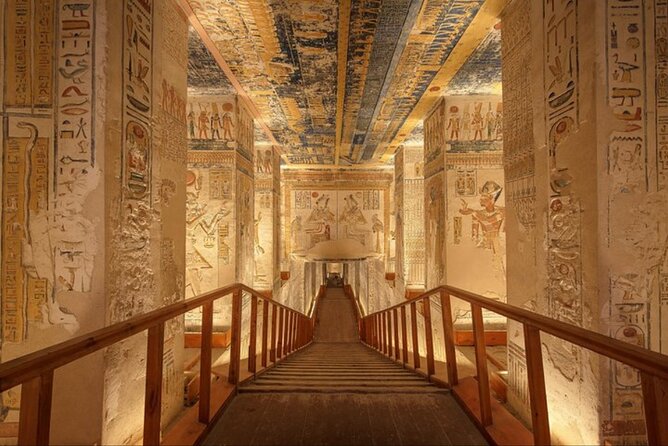
You start with pickup from your hotel or Nile Cruise in Luxor in a modern air-conditioned vehicle. That matters more than it sounds. On the West Bank, sites are spread out, and local driving + bargaining for transport can quietly eat hours you’d rather spend at the monuments.
Because it’s private, you’re not stuck inside the pace of a large group. In practice, that means you can ask more questions, linger a bit longer at a relief or a tomb doorway, and generally avoid the feeling of running between stops.
The small win: you get a mobile ticket and no need to worry about paper. It’s one less step when you’re already dealing with ticket gates, security checks, and the sun.
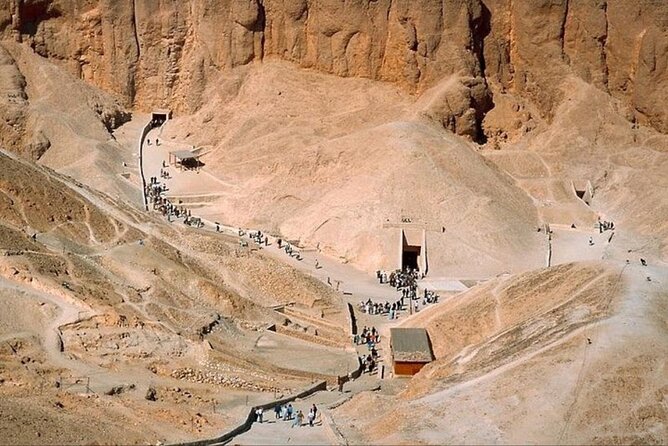
Valley of the Kings: where Tutankhamun lives (and why context matters)
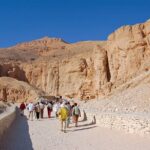
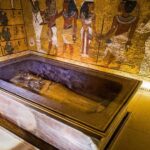
The day begins in the Valley of the Kings, a site famous for royal tombs. The scale here is part of the wow factor: it’s home to 63 tombs, all tied to the mythology of how kings would journey in the afterlife. King Tutankhamun is the best-known name, but the valley is about the system, not just one star attraction.
What you’ll love most in this stop is not only the tombs themselves, but how your guide frames them. When you understand what the Egyptians believed, the walls stop being just decoration. They become instructions for eternity.
A possible drawback is that “3 hours” can feel short if you get hooked. This valley is big, and you may see only a portion of what you’d like. The upside of a private format is that you can focus on what fits your interests—royal history, symbolism, architecture, or simply the atmosphere.
Deir el-Bahari and Hatshepsut: power told through temple lines
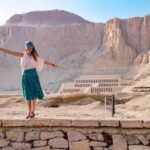
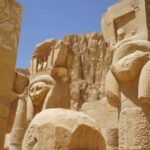
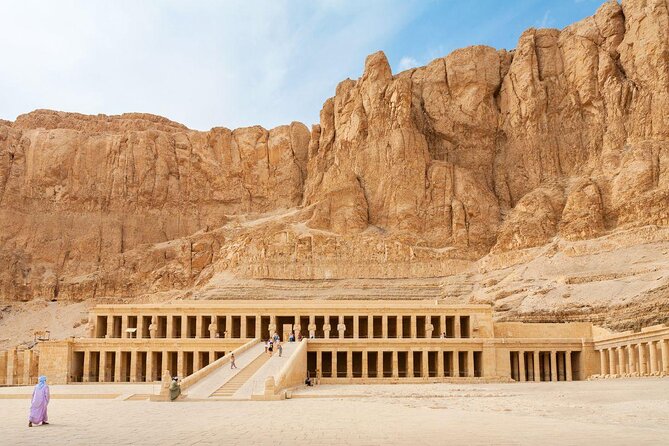
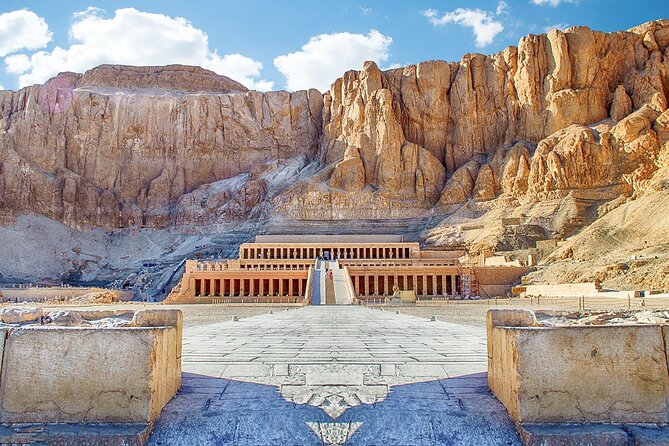
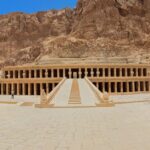
Next comes the Temple of Queen Hatshepsut at Deir el-Bahari. This stop is worth it because it’s both dramatic and meaningful. The name Deir el-Bahari is tied to Hatshepsut’s identity, and she’s remembered as someone credited with initiating the first trading routes—an idea that changes how you see a temple. It’s not only religious; it’s political too.
Your time here is 2 hours, which is enough to walk the key areas without rushing. Hatshepsut’s story also works well for first-time Egypt visitors because it connects to themes you’ll keep seeing later: authority, legacy, and the afterlife mindset that shaped major building projects.
If you’re the type who likes architecture, this is also a good moment to slow down. Temple geometry can feel confusing at first. A licensed Egyptologist helps you link layout to meaning instead of just collecting facts.
Colossi of Memnon: a short stop that still earns attention
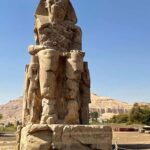
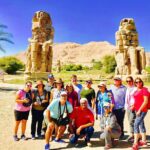
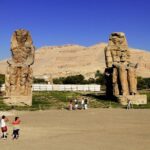
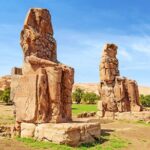
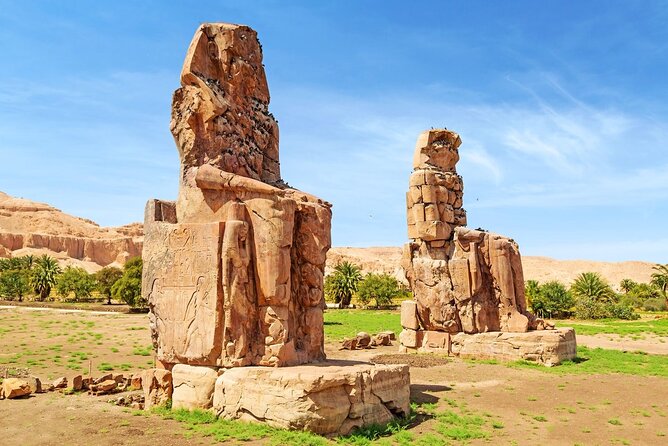
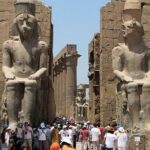
After the larger temple areas, you get the Colossi of Memnon: massive twin statues made from quartzite sandstone. They’re scheduled for about 30 minutes, and yes, it’s shorter than the other stops—but it still works.
Why? Because the statues are big enough to photograph from almost anywhere, and they’re visually strong even without getting lost in details. It’s a nice breather between longer, more text-and-symbol-driven locations.
Also, it’s a free admission stop on this tour. In a day with several paid sites, that’s a small budget relief.
A few more Luxor tours and experiences worth a look

Lunch break and Medinet Habu: Ramses III in a temple built to last
From there, you’ll have a lunch break and then head to Medinet Habu (often spelled Medinat Habu on tour listings). This temple honors King Ramses III, and it was built after his demise based on the instructions attributed to him. That detail matters: you’re not only looking at a temple; you’re looking at how a king intended his memory to be preserved.
You’ll spend about 1 hour 30 minutes here. That’s a good amount of time for a site with lots of carvings and historical references, without turning the day into a nonstop museum marathon.
The practical value of this stop in the overall tour is how it reinforces the theme of continuity. You start with royal tombs; then you see royal legitimacy expressed through temple building; then you’ll shift toward the people who made it all happen.
Deir el-Medina: meeting the artisans behind the tombs
This is one of the best additions on any West Bank day. Deir el-Medina—the Valley of the Artisans and the Workmen’s Village—was home to artists, craftsmen, and workers involved in constructing and adorning the royal tombs in the Valley of the Kings.
You get about 1 hour here, and it’s a smart length. It doesn’t try to overwhelm you with every detail of daily life. Instead, it gives you the missing human layer: the builders.
One of the recurring benefits from guides like Ahmed, Sara, and Amir (their names show up in the strongest guest feedback) is how clearly they explain what you’re seeing in the context of the people who lived there. When that happens, the site stops feeling like a side stop and starts feeling like the emotional center of the day.
Valley of the Queens and the Tombs of the Nobles: afterlife art you can actually understand
The last major block is the Valley of the Queens, plus the Tombs of the Nobles. You’ll spend about 1 hour total on this section, which means you’ll want to pay attention when your guide points out the themes.
This area is especially famous for the tomb of Queen Nefertari. And then there’s the Nobles’ tomb zone—over 400 tombs—decorated with passages linked to the Book of the Dead, intended to guide the deceased through the afterlife.
That’s a lot to pack into one hour, but it’s also why guided interpretation is key. If you walk in cold, afterlife texts can feel like decoration. With the right explanations, you start seeing them as a set of instructions—like a written roadmap for a journey you can’t take in real life.
This final stretch is also when you may notice the difference between kings’ narratives and queens’ narratives. The themes overlap, but the emphasis can shift, and the art does its own kind of storytelling.
Price, value, and what you’ll still want to budget
At $24.65 per person, this is priced like a serious value play—mainly because so many key costs are already handled. Entrance fees are included for every paid stop, and service charges and taxes are included too.
Add hotel pickup, A/C vehicle transfers, a licensed Egyptologist guide, and a water bottle, and the math gets even easier. You’re not juggling multiple separate tickets or worrying that a last-minute cost will pop up halfway through.
Two costs to keep in mind:
- Tipping isn’t included, so you’ll want to plan for it.
- There’s a note about an extra $30 if you want a tour guide in Chinese or Italian (if available).
If you’re comparing options, I’d weigh how much friction the cheaper option might create. On the West Bank, saving a few dollars can cost you time, comfort, or clarity.
The best way to enjoy it: small, practical tips
Start early if the weather is hot. This tour covers multiple outdoor sites, and shade breaks won’t always line up with your schedule. A private guide can’t stop the sun, but good timing helps you avoid the worst stretches.
Wear shoes you trust. You’ll walk in uneven areas and move between tomb and temple spaces. It’s not about “hard hiking,” but it’s about being comfortable for long periods.
Bring a camera, but also plan to look up. A lot of the impact on this route comes from scale—doors, corridors, columns, and carvings that feel different at human height compared to photos.
Finally, use the private format. Ask questions early, not late. If you hit your guide with curiosity on the first sites, you’ll get more out of every stop after.
Who this private West Bank tour is perfect for
This tour is a strong fit if you:
- Want a full West Bank day without self-planning transport
- Appreciate an Egyptologist guide who can connect history to what you’re seeing
- Prefer a private pace over the stop-and-go feel of group tours
- Want more than just tomb chasing—Deir el-Medina gives you the worker’s viewpoint
It’s also ideal for couples and small families who want to stay together and avoid negotiating with drivers block by block.
Should you book this Luxor West Bank private tour?
I’d book this if you want an organized, readable day covering the biggest West Bank highlights, while still getting human context through Deir el-Medina. The price-to-inclusions ratio is strong, especially because entrance fees and transfers are handled and you’re guided by a fully licensed Egyptologist.
I’d think twice if you hate long days or you get overwhelmed in high heat. It’s packed, even though the tour is private. In that case, go in with a calm mindset: pick a few moments that matter most to you, and let the rest be bonus discoveries rather than a checklist.
FAQ
How long is the private West Bank temples and tombs tour?
It’s listed at about 9 hours.
Do I get hotel or Nile Cruise pickup and return?
Yes. Pickup from your hotel or Nile Cruise in Luxor and return transfer are included.
Is the tour private or shared?
It’s private. Only your group participates.
What major sites are included in the day?
You’ll visit the Valley of the Kings, Temple of Hatshepsut at Deir el-Bahari, Colossi of Memnon, Medinet Habu, Deir el-Medina, and the Valley of the Queens and the Tombs of the Nobles.
Are entrance fees included?
Yes. Entrance fees are included for the stops that require them.
Is water provided during the tour?
Yes. A bottle of water is included.
Do I need to pay extra for a Chinese or Italian-speaking guide?
There is an extra $30 for a Chinese or Italian guide if available.
Is tipping included?
No. Tipping is not included.
What’s the cancellation policy?
You can cancel for a full refund up to 24 hours in advance of the experience start time.
What should I budget beyond the tour price?
You’ll mainly want to budget for tipping, and possibly the extra $30 if you need a Chinese or Italian guide (if available).