REVIEW · LUXOR
Full Day Luxor East and West Banks Tour With Lunch
Book on Viator →Operated by Egypt Viajes Tours · Bookable on Viator
Luxor feels like two eras in one day. I love getting an Egyptologist guide who explains what you’re seeing, and I love the hit list of Karnak Temple and the Valley of the Kings. The main consideration: entrance fees are extra and this is a long, packed day.
You’ll cover the East Bank’s big monuments and the West Bank’s royal tombs in one sweep, with air-conditioned transport, mineral water, and lunch included to keep the day realistic. In past coordination, Mohamed has been the kind of contact who helps people line up add-ons like a balloon ride and solve small timing issues when family plans change.
This is a private tour (just your group), so you won’t be stuck in a chaotic meet-and-wait loop. Still, several tomb stops are brief, so you’ll get the highlights rather than a slow stroll through every room.
In This Review
- Key highlights to know before you go
- East Bank opener: Luxor Temple and the Theban Triad
- Valley of the Kings focus: KV11, KV2, and Tomb 8 in one run
- Ramses III (KV11): foreign tributes and the tomb of the harpers
- Ramses IV (KV2): Litany, Book of the Dead, and a rose-granite sarcophagus
- Merneptah (Tomb 8): Howard Carter’s discovery and the tall corridor feeling
- Deir el Bahari: Hatshepsut’s terraces and why her story matters
- Colossi of Memnon and the Avenue of Sphinxes: short stops, big context
- Karnak Temple: Hypostyle Hall, Amun’s temple, and 134 columns
- Optional King Tutankhamun tomb: worth it, if you budget
- Price and logistics: what $92.92 buys you (and what costs extra)
- A real-world pacing note
- Who should book this East-West Luxor day?
- Should you book Egypt Viajes for Luxor East and West Banks?
- FAQ
- What’s included in the $92.92 per person price?
- Are entrance fees included?
- Is King Tutankhamun’s tomb included automatically?
- Where is the meeting point, and is pickup included?
- How long does the tour take?
- Is this a private tour or shared?
- Which main East Bank sites are included?
- Is the hot air balloon ride included, and can I cancel for a refund?
Key highlights to know before you go
- Egyptologist-led context so the symbols and names actually make sense
- Valley of the Kings tomb variety across KV11 (Ramses III), KV2 (Ramses IV), and Tomb 8 (Merneptah)
- Deir el Bahari and Hatshepsut’s story tied directly to the dynasty of King Tut
- Karnak Temple’s scale: the Hypostyle Hall with 134 columns and major obelisks
- Optional King Tutankhamun tomb entry (360 EGP) for a face-to-mummy moment
- Free time-saving win with the Colossi of Memnon stop
East Bank opener: Luxor Temple and the Theban Triad
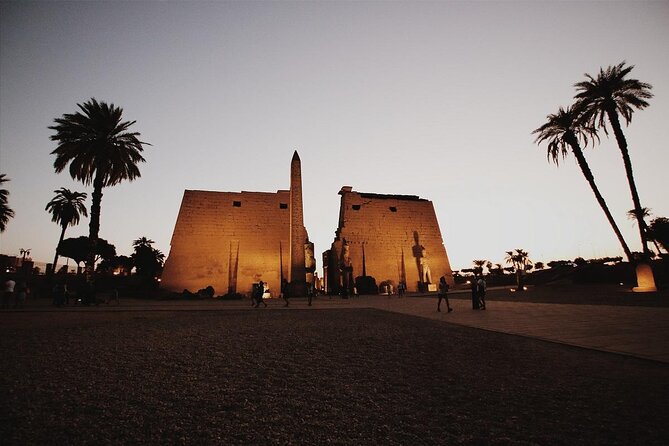
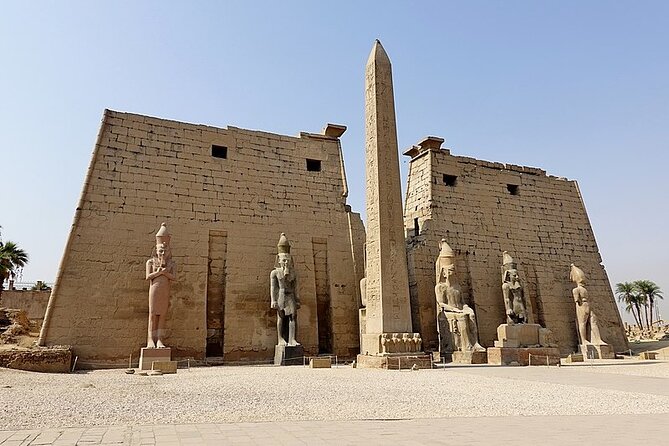
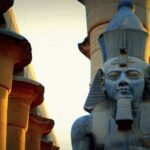
You start at Luxor Temple, and that matters because it sets your mental map for the whole day. This temple is dedicated to the Theban Triad: Amun-Ra, Mut, and Khonsu, and you’ll also see granite statues connected to Ramses the Great.
The stop is about 1 hour, and since entrance tickets aren’t included, you’ll want to keep your budgeting hat on right from the start. I like this opening because it’s a guided “what are we looking at?” lesson before the tombs get intense.
A few more Luxor tours and experiences worth a look

Valley of the Kings focus: KV11, KV2, and Tomb 8 in one run
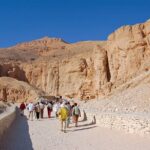
The West Bank block is where this tour gets serious. You spend around 2 hours in the Valley of the Kings area, and you’ll visit multiple royal tombs—at least Ramses III (KV11), Ramses IV (KV2), and Merneptah (Tomb 8)—with one additional royal tomb included in the overall plan.
Each tomb stop is short (about 15 minutes), so your guide’s job is huge: you’re there to see the big scenes, the key symbolism, and the differences between the tombs—not to spend the whole day inside dim corridors.
Ramses III (KV11): foreign tributes and the tomb of the harpers
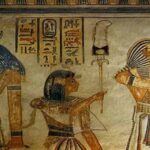
At KV11, Ramses III’s tomb, the decorations include colorful painted sunken reliefs with royal ritual texts like the Litany of Ra and the Book of Gates. You’ll also see Ramses before the gods, but the tomb is especially known for a more secular angle—small side rooms with scenes that feel like world events.
Pay attention to the detail on foreign tributes, including pottery imported from the Aegean, plus items connected with the royal armoury and boats. One of the tomb’s alternate names comes from the “blind harpists” in the entrance area—an odd, memorable detail you won’t forget once you’ve heard it explained.
Ramses IV (KV2): Litany, Book of the Dead, and a rose-granite sarcophagus
KV2, Ramses IV’s tomb, is described as different from many other Valley tombs—and honestly, it makes sense why. The wall scenes include text themes like the Litany of Ra, Book of the Dead, and also groups like the Book of Caverns, Book of the Heavens, Amduat, and the Book of the Night.
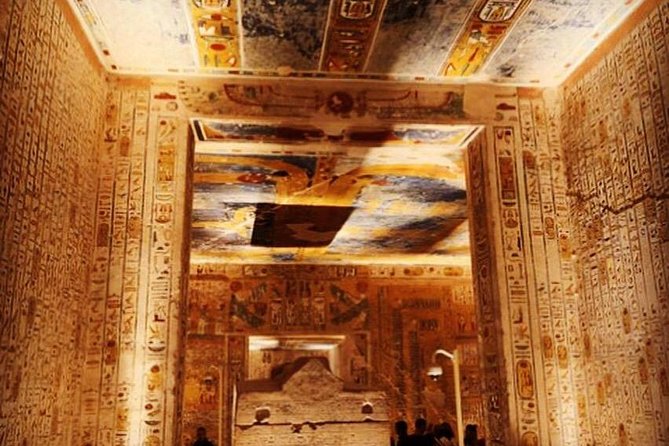
You’ll notice the strong blue and white tones in the burial chamber, plus a rose-colored granite sarcophagus. Look up at the ceiling too: goddess Nut is depicted swallowing the sun and then giving birth to it—an image that ties the tomb’s artwork to the daily cycle you’ll hear about from your guide.
Merneptah (Tomb 8): Howard Carter’s discovery and the tall corridor feeling
At Tomb 8 (Merneptah), the focus shifts to religious protective ideas and how royal burial design evolved. The tomb is tied to concepts connected with Ptah, especially as a demiurge of Memphis and in falcon-form as a deity placed to protect the dead on the journey to the West.
This tomb is also linked to a famous name: it was discovered by Howard Carter in 1903. And the layout details are part of the experience—there’s a decrease in lateral rooms but more height in corridors and chambers, so even a brief visit can feel more dramatic than the “standard” tomb shape.
A few more Luxor tours and experiences worth a look

Deir el Bahari: Hatshepsut’s terraces and why her story matters
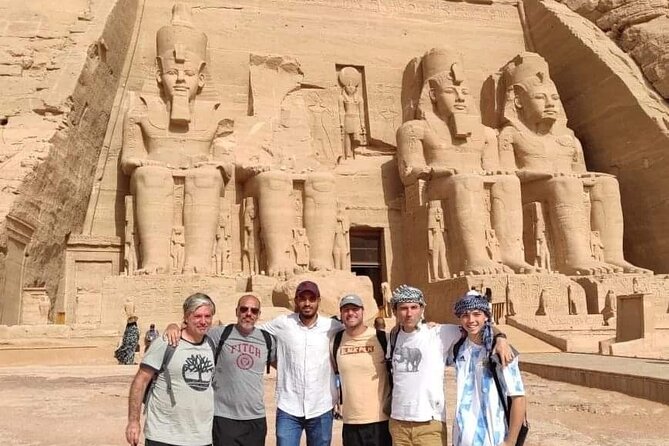
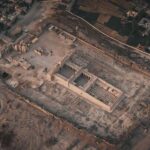
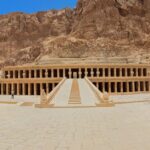
After the tombs, you move to Deir el Bahari and the Temple of Hatshepsut. This is the 1 hour 30 minutes stop that gives your brain a break from Valley tomb darkness and lets you enjoy the temple’s terrace setting and strong sight lines.
Hatshepsut is special because she’s the only woman recorded as ruling Egypt as Pharaoh. Your guide should also connect her to King Tutankhamun: Hatshepsut is described as an ancestor, and she belonged to the same dynasty—so this stop turns into more than sightseeing. It becomes a “how dynasties connect” moment.
Colossi of Memnon and the Avenue of Sphinxes: short stops, big context
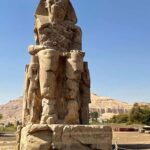
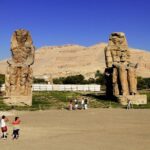
Next up is the Colossi of Memnon, a 20-minute break that still packs meaning. These are the two largest ancient statues in Egypt, dating back to the era of Amenhotep III, and they’re your cue that the West Bank isn’t only tombs—it’s also monuments meant to face the world.
Then you get the quick hit of the Avenue of Sphinxes, stretched today across about 3 km (it used to be much longer, around 6 miles, linking Karnak and Luxor). It’s only a 10-minute stop, but it helps you understand the “processional route” idea—the way temples weren’t isolated pieces, but connected stages.
Karnak Temple: Hypostyle Hall, Amun’s temple, and 134 columns
For many people, Karnak Temple is the East Bank highlight, and this tour gives you a solid chunk of time: about 2 hours. Admission tickets aren’t included here, so factor that into your overall entrance budget.
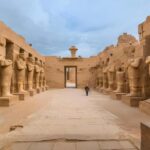
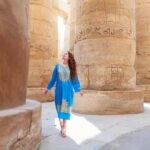
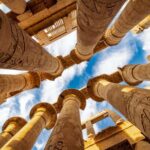
Karnak’s appeal is that it’s not one building from one time period—it’s a complex built across reigns. Your guide should point you to major anchors like the Avenue of Sphinxes, the Hypostyle Hall with 134 gigantic columns, and the obelisks associated with Queen Hatshepsut and Tutmosis I.
You’ll also hear about and look for the Temple of Amon with lotus and papyrus motifs, plus the Granite Scarab of Amenophis III and the Sacred Lake. With a guided route, you don’t just walk in circles—you get a sense of what matters first, where to look for symbolism, and why the site feels like a whole “temple city.”
Optional King Tutankhamun tomb: worth it, if you budget
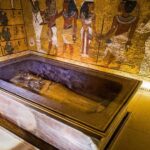
If you want the face-to-face moment everyone comes for, this tour offers Tomb of King Tutankhamun (Tut) as an optional stop. The plan includes about 15 minutes at the tomb, and the entrance ticket is listed as 360 EGP.
What makes this moment work is the human scale. King Tut is described as having ascended the throne at around 10 years old and dying at 19, and the tomb visit is the chance to see his royal mummy inside the Valley of the Kings setting.
Because the ticket is optional and not included, you’ll need to decide ahead of time if you want to spend the money here or put that budget toward other entrance fees during the day. If you’re the type who hates “could have been,” this is usually the stop to prioritize.
Price and logistics: what $92.92 buys you (and what costs extra)
At $92.92 per person, this is priced as a full-day, guided, air-conditioned Luxor route with lunch and mineral water included. For an all-in cultural day—multiple temples plus several tomb interiors—that can be solid value, especially if you like having an Egyptologist keep things coherent instead of you trying to connect symbols alone.
The parts that can surprise you are the extras. Entrance fees aren’t included, and the tour lists total entrance costs as around $40 per person. On top of that, King Tut’s tomb (optional) is 360 EGP, and tipping isn’t included either.
Pickup is partly included, but read the fine print for your situation. Pickup is available in the area of Luxor, but pickup from West Bank hotels or the airport is listed as available for $10 per person, and the meeting/starting point is Luxor Temple in Luxor City. If you’re staying on the West Bank and want a smooth start, that extra pickup fee can be worth it.
A real-world pacing note
Several tomb stops are about 15 minutes, and Karnak is about 2 hours. That means you’ll get the main scenes and big explanations, but you won’t linger in one chamber for long. If you love slow photo time and extended reading, you might prefer separate tomb-focused tours instead.
Who should book this East-West Luxor day?
This works best for you if:
- You want the “big Luxor hits” in one day: Luxor Temple, Karnak, Deir el Bahari, the Valley of the Kings, and the Avenue of Sphinxes
- You appreciate an Egyptologist guide to connect the names, texts, and artwork to what you’re seeing
- You like having lunch handled and don’t want to plan breaks across town
It might not be the best fit if:
- You want hours inside one tomb or want a very slow pace without short stops
- You’re trying to minimize extra spend, because entrance tickets add a meaningful amount on top of the base price
Should you book Egypt Viajes for Luxor East and West Banks?
I’d book it if you want a structured Luxor day that covers both banks with guidance and comfort. The combination is strong: Karnak’s scale plus multiple royal tombs plus Hatshepsut and the Colossi of Memnon creates a day that feels complete, not random.
Just go in with two smart expectations: budget for entrance fees (and consider the optional King Tut ticket), and accept that some tomb time is short. If that pacing sounds fine, this tour is a strong way to see Luxor without losing the day to logistics.
FAQ
What’s included in the $92.92 per person price?
The tour includes an Egyptologist guide, mineral water during travel, lunch, and an air-conditioned vehicle.
Are entrance fees included?
No. Entrance fees are listed as not included, with total entrance fees around $40 per person. The optional King Tutankhamun tomb ticket is 360 EGP.
Is King Tutankhamun’s tomb included automatically?
No, it’s optional. The entrance ticket is listed as 360 EGP, and the tomb visit is about 15 minutes.
Where is the meeting point, and is pickup included?
The ticket redemption/meeting point is Luxor Temple in Luxor City. Pickup from West Bank hotels or the airport is available for $10 per person, but it’s not listed as included in the base package.
How long does the tour take?
The duration is listed as 8 to 9 hours approximately.
Is this a private tour or shared?
It’s listed as private, meaning only your group participates.
Which main East Bank sites are included?
You visit Luxor Temple, Karnak Temple, and you also have a stop at the Avenue of Sphinxes.
Is the hot air balloon ride included, and can I cancel for a refund?
The hot air balloon tour is not included and has an additional cost. Cancellation is listed as free, with a full refund if you cancel up to 24 hours in advance.