REVIEW · CAIRO
Private Day Tour Giza Pyramids, Sphinx, Memphis, and Saqqara
Book on Viator →Operated by Emo Tours Egypt · Bookable on Viator
Pyramids hit different when it’s guided. This private day tour strings together Giza, the Sphinx, Saqqara, and Memphis with a professional archaeological guide and transport that keeps you moving without the usual Cairo friction. Admission is built into the experience so you can spend less time queueing and more time staring up at stone.
I love the hotel pickup and drop-off from Cairo or Giza. I also like that you ride in an air-conditioned private vehicle, so the day stays comfortable even when you’re out in the sun and walking between stops.
One possible drawback: the schedule includes timed detours to souvenir and craft shops (papyrus, perfumes, cotton, carpets). If you want a pure monuments day, you’ll need to set boundaries early and keep an eye on the clock.
In This Review
- Key things to know before you go
- Private pickup in Cairo or Giza, then straight to Giza
- Giza plateau: the pyramids, the Sphinx, and the best-value viewing stops
- Great Pyramid and the Khafre/Menkaure complexes: what to look for in short visits
- The Sphinx: why this stop feels bigger than the photos
- Saqqara: the Step Pyramid and the pyramid “evolution” story
- Memphis: connecting the Old Kingdom sites to later Egypt
- The craft-shop stops: how to keep the day from turning into a sales pitch
- Guide style matters: what the best days have in common
- Price and value: $65 for a full day across four major sites
- Time planning tips so you don’t feel rushed
- Who this tour fits (and who might prefer something else)
- Should you book this Giza–Saqqara–Memphis private tour?
- FAQ
- Is this tour private?
- Where does the pickup happen?
- How long is the tour?
- What is included in the tour price?
- Is lunch included?
- Can I cancel for a refund?
Key things to know before you go
- Hotel pickup in Cairo or Giza keeps your start simple and your end painless
- AC private transport saves energy for the walking and viewpoints
- Giza photo angles with the right guide makes a big difference at the Sphinx and pyramids
- Saqqara pyramid evolution focus takes you beyond the biggest names
- Memphis add-on that connects the timeline with Ramses II and the alabaster Sphinx
- Timed shopping-style stops can cut into monument time if you don’t plan for them
Private pickup in Cairo or Giza, then straight to Giza
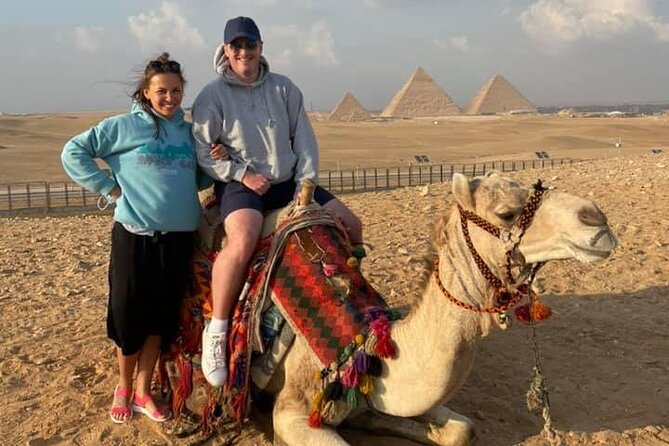
This is built as a true day trip with pickup from your hotel in Cairo or Giza and a return transfer at the end. That matters because Giza traffic can eat hours, and the fastest way to lose a perfect travel day is to start it late.
Once you’re in the car, you’re working with a private route rather than a mass shuffle. You also get bottled water, which sounds small until you’re sweating through a lineup of tourists.
If you care about timing, ask your driver/guide to prioritize monument time. Some groups say their guide was flexible, and that’s your best-case scenario for keeping the day focused.
You can also read our reviews of more private tours in Cairo


Giza plateau: the pyramids, the Sphinx, and the best-value viewing stops
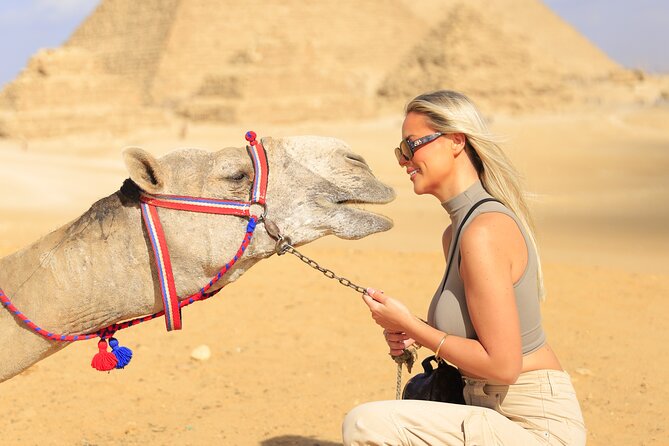
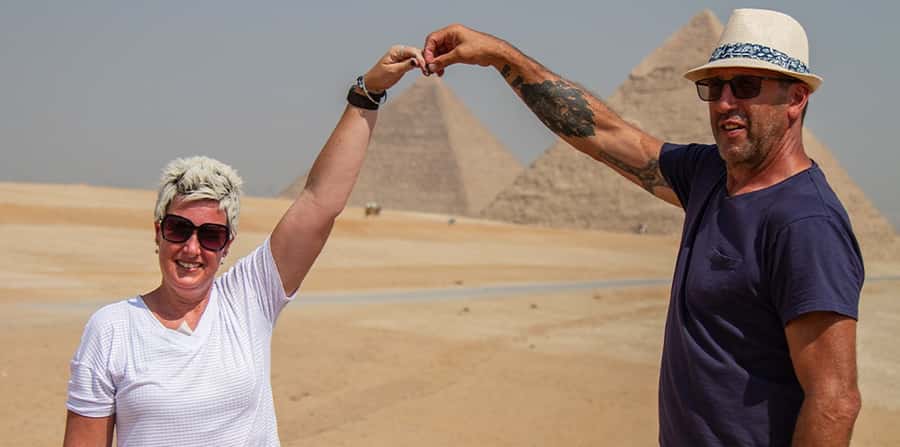
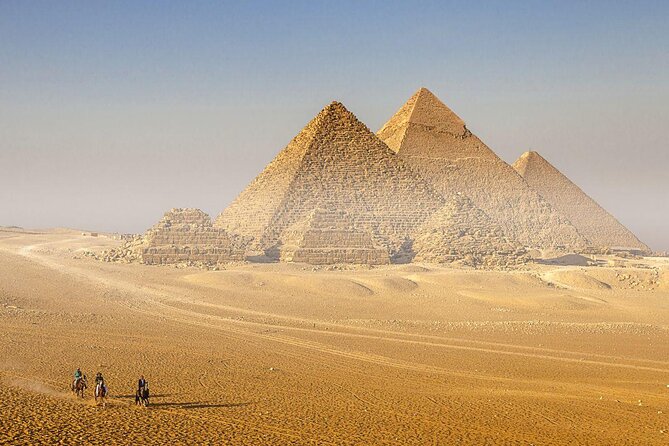
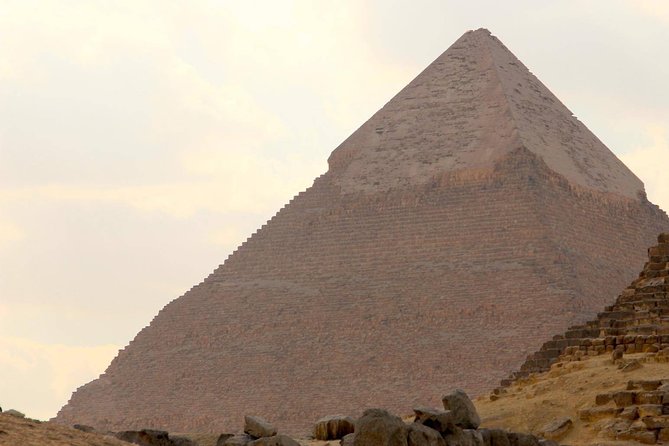
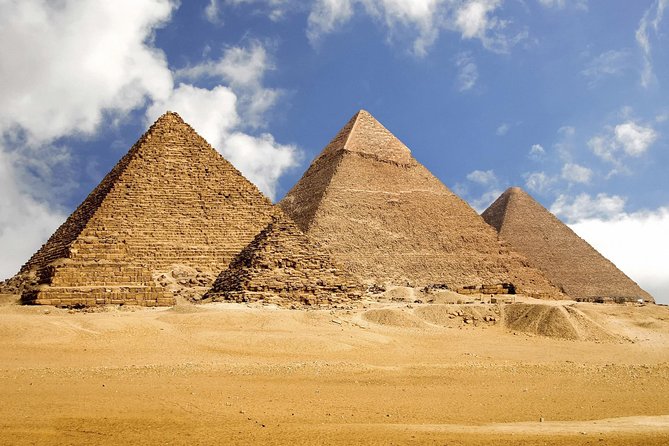
Giza is the big punch in the day. You’ll visit the Giza Necropolis area with views tied to the Fourth Dynasty’s most famous builders, including the Great Pyramid of Giza and pyramids of Khafre and Menkaure.
What I like here is the structure of your viewing. Instead of treating it like one long wander, the day plan splits the experience into chunks: the plateau overview, then quick, targeted looks at major pyramids and the Sphinx. That makes it easier to get real photos (not just phone snapshots) even if you’re not trying to “do everything.”
You’ll spend time at standout highlights like:
- the Great Sphinx with its west-to-east pose
- the Pyramid of Khafre area and the valley temple connections
- the Pyramid of Menkaure complex for a sense of how the layout changes
A key note: the day plan includes admission coverage for many core areas, but some specific pyramid entries are marked as not included. Before you go, double-check what your ticket covers so you’re not surprised at the gate.
Great Pyramid and the Khafre/Menkaure complexes: what to look for in short visits
You’re not promised a full-day museum-style crawl here. Some pyramid complex stops are relatively short, so your job (and your guide’s) is to make those minutes count.
For the Great Pyramid (Khufu) area, you’re mainly seeing the broader complex and connecting structures around it, including mentions of a valley temple connection that’s now buried beneath later development. For most first-timers, that context is helpful because it explains why Giza feels like a designed landscape, not just one monolith.
When you shift to Khafre, pay attention to how the complex is laid out: valley temple, causeway connections, and the Sphinx temple area. Then when you move to Menkaure, you’ll notice a different rhythm to the complex components. Even in a brief visit, it helps you understand that these were engineered sets, not isolated monuments.
The Sphinx: why this stop feels bigger than the photos
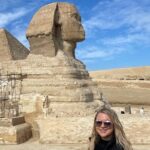
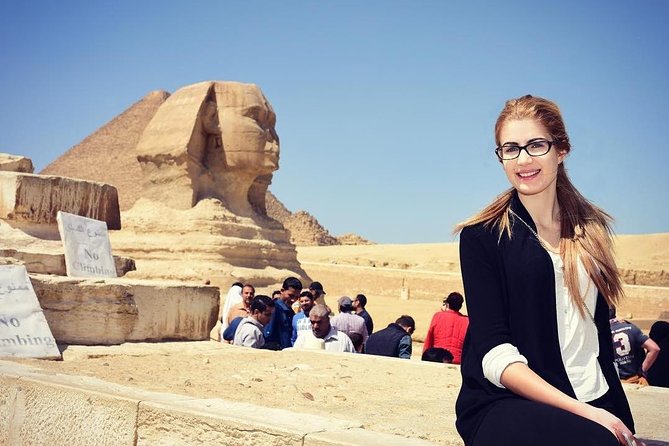
The Great Sphinx stop is where the day often turns from sightseeing into awe. The Sphinx is a monumental limestone statue with a human head and lion body, and it’s widely associated with pharaoh Khafre.
Here’s what makes it special beyond the postcard image: your guide can point out how it was cut from the bedrock and how its current face shape reflects restoration work with added blocks. That kind of detail helps you look longer because you’re no longer staring at a single figure—you’re tracking centuries of change.
Also, this is usually one of the most crowded spots. Having admission handled and moving in with your group helps you dodge some of the worst waiting. You’ll still share the space, but you should feel like you’re getting value for your minutes.
Saqqara: the Step Pyramid and the pyramid “evolution” story
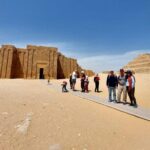
If Giza is the headline, Saqqara is where the story gets interesting. The day plan targets Saqqara (Sakkara), about 27 km southwest of Cairo, and focuses on the idea that pyramid-building evolved step by step.
You’ll see the Step Pyramid of Djoser (Zoser), which is central to that evolution story—moving from earlier mastaba forms toward the famous pyramid shape people expect. Even if you’re tired from Giza, it’s a satisfying shift because you’re seeing the logic of experimentation rather than only finished masterpieces.
Other Saqqara stops in the schedule can include:
- the Pyramid of Unas, notable for the discovery of Pyramid Texts (spells carved into subterranean chambers)
- the Pyramid of Teti
- the Mastaba of Ti, which includes scenes of everyday life and two serdabs
A practical heads-up: some of these smaller monument entries are marked as not included on the day plan. That doesn’t mean you can’t see them—it means you should confirm what’s covered so you can budget time (and any extra admission) if needed.


Memphis: connecting the Old Kingdom sites to later Egypt
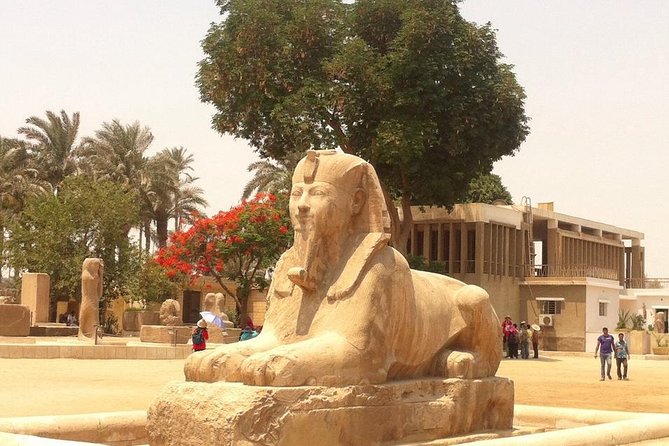
Memphis gives you a break from “pyramid overload” while still staying in ancient Egypt territory. You’ll visit Memphis City, described as dating back to around 3100 BCE, and you’ll also see famous statues tied to later rulers.
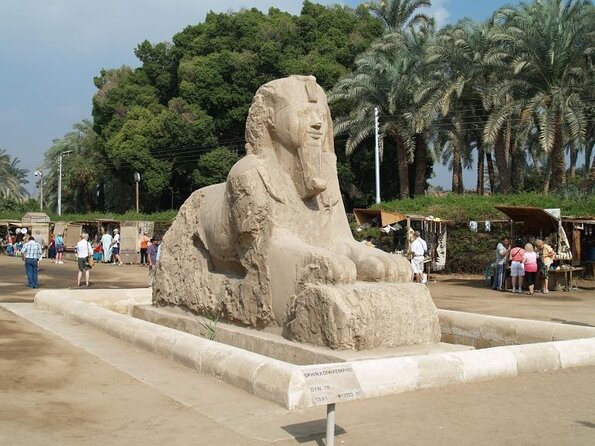
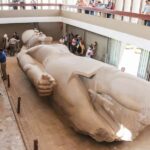
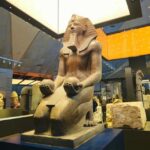
The highlight here is the colossal statue of Ramses II plus the great alabaster Sphinx. That combo is useful because it shows how old sacred landscapes kept getting reused and reinterpreted by later kings.
Memphis can feel a bit more relaxed than Giza and Saqqara. That’s not a complaint—it’s often a relief after long walking and sharp sun at the pyramid sites. It’s a good place to slow down and get your bearings before heading back to your hotel.
The craft-shop stops: how to keep the day from turning into a sales pitch
This tour includes a few scheduled stops that are aimed at souvenirs and artisan crafts. The day plan specifically mentions timed stops (about 20 minutes each) at places like:
- Paradise Perfumes and a flower cotton stop
- Key of Life Papyrus (including papyrus-making and traditional artwork)
- Handmade Carpets (weaving demonstrations)
- plus additional government-stop-style souvenir shopping
Some guides can handle these stops lightly; others can make them feel heavy. You’ll want to think of these as “optional time blocks” even if they’re part of the schedule.
How to protect your monument time:
- tell your guide at the start you’re not interested in shopping, and ask them to minimize detours
- set a simple rule: if a shop stop runs long, you want the guide to rebalance later site time
- decide ahead of time if you want one souvenir stop for photos and crafts, or if you’d rather trade that time for another viewpoint angle
This is the most common criticism people bring up—extra pressure to buy, and too many minutes away from the stones. The best outcome is when your guide respects your preferences, and the schedule stays within reason.
Guide style matters: what the best days have in common
The day is only as good as the guide’s pacing and explanation. In the feedback pattern, the strongest experiences were the ones where the guide was easy to follow, gave clear context, and actively helped with photo timing at the busy spots.
You’ll hear names like Usam, Ihab (or Ehab), Mona, Tonsi, Halawani, Osama, Michael, Hazem, and Farah, with drivers also praised for keeping things smooth (one example mentioned is Youssef). The shared thread: guides who know where to stand for photos and who manage the crowd pressure without turning the day into a hard sell.
One thing I’d watch for is “guide-as-chaperone” energy. Some groups described guides spending more time shepherding them through purchases than guiding their understanding of the monuments. If that’s your fear, be proactive: ask for your priorities, and don’t let the tour drift away from what you actually came to see.
Price and value: $65 for a full day across four major sites
At $65 per person for an approximately 8-hour private tour, the value depends on what you care about most.
If you want:
- hotel pickup and drop-off
- air-conditioned private transport
- a guide to connect what you’re seeing
- admission included for core areas
- bottled water
…then this pricing can feel fair, especially since Cairo-to-site logistics are part of the cost you’d pay anyway with a driver you book yourself.
If you want a “no shopping, no detours” day, you’re taking a risk. Detours and sales pitches can turn a cost-effective tour into a time-expensive one. That’s why your best move is to communicate early. If your guide can cut the pressure and keep you on schedule, you’ll likely feel like you got your money’s worth.
Time planning tips so you don’t feel rushed
Even with private transport, you’re packing a lot into one day: Giza, Sphinx, Saqqara, and Memphis. You’ll want to treat this as a “best-of” day rather than a slow research day.
A few practical ways to keep it enjoyable:
- wear light clothing and comfortable shoes (you’ll be walking more than you expect)
- bring sunglasses and sun protection
- keep your phone charged for the photo-heavy moments
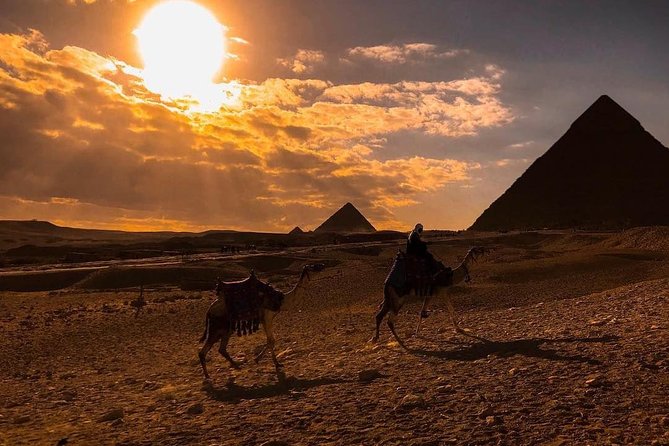
- if you want camel rides or buggy photos, remember these are typically extra and can eat time
Also, many people use this day as their first pyramid experience. If you’re visiting multiple pyramids over multiple days, you might enjoy this more as a “bigger picture” day, not a deep-dive.
Who this tour fits (and who might prefer something else)
This works great for:
- first-timers who want Giza + Sphinx + Saqqara + Memphis in one shot
- travelers who’d rather have a guide handle entry logistics and timing
- people who like learning context, especially around pyramid evolution at Saqqara
It may not fit as well for:
- travelers who hate shopping stops and sales pressure
- anyone who wants to linger for long periods at one monument
- visitors with limited patience for time blocks that aren’t spent directly at the sites
If you fall in the “must minimize sales” category, ask your guide upfront to keep shop stops short and keep the rest of the day strict.
Should you book this Giza–Saqqara–Memphis private tour?
I think it’s a strong booking if you’re clear about what you want and your guide respects that. The core value is solid: private transport, hotel pickup/drop-off, guide-led viewing, bottled water, and admission for major areas.
Book it if you want a smooth, efficient monuments day with a guide who can help with photo spots and explanations. Skip it (or choose a different format) if you’re determined to avoid shopping-style stops and sales pitches at all costs, because that part of the schedule can be the deal-breaker.
If you want, tell me your travel dates and whether you’re staying in Cairo proper or Giza, and I’ll suggest a simple strategy for communicating your priorities before the pickup.
FAQ
Is this tour private?
Yes. It’s described as a private tour/activity, meaning only your group participates.
Where does the pickup happen?
Pickup is offered from your hotel in either Cairo or Giza, and you’ll also be transferred back to your original pickup location at the end.
How long is the tour?
The duration is listed as about 8 hours.
What is included in the tour price?
Included items are entry or admission fee, hotel pickup and drop-off, a tour guide, transport by private air-conditioned vehicle, and bottled water.
Is lunch included?
Lunch at local restaurants (including koshari) is optional, so it’s not included.
Can I cancel for a refund?
Yes. Free cancellation is available up to 24 hours in advance for a full refund.