REVIEW · HURGHADA
Small Group Excursion to Luxor Valley of the Kings from Hurghada
Book on Viator →Operated by Book Tour Egypt · Bookable on Viator
Luxor in one packed day feels unreal. This long road trip pays off with small-group time and a day built around entrance fees for the biggest hits. The only real trade-off: it’s a 15–17 hour day with lots of walking and stairs in Egyptian heat.
I like that you get an air-conditioned bus, hotel pickup is offered, and you’re fed with a lunch break at a restaurant. And yes, the schedule is full—your guide sets the order, so timing can shift depending on the day.
What I’d tell you to expect is a classic West Bank focus: the Valley of the Kings, plus Queen Hatshepsut’s temple, sandwiched with Karnak on the east bank and a quick technical visit to an alabaster factory.
In This Review
- Key things that make this Luxor day work
- Hurghada to Luxor: why this day feels like a time jump
- The 15–17 hour schedule: what you’re really signing up for
- Karnak Temple: when scale hits you in the face
- Colossi of Memnon: a quick stop with big presence
- Valley of the Kings tombs: the best kind of complicated
- Queen Hatshepsut’s mortuary temple: elegance with a purpose
- Alabaster factory visit: the craft behind the statues
- Lunch break: a practical reset
- Shopping pressure and time for free moments in Luxor
- Optional Nile boat ride: not included, but it’s a common add-on
- Price and value: how $20.86 stretches surprisingly far
- The guide makes the day: ask for Laila
- Who should book this Luxor day trip
- Should you book it?
- FAQ
- How long is the Luxor Valley of the Kings trip from Hurghada?
- Do I get hotel pickup in Hurghada?
- Is lunch included?
- Are entrance fees included for the main sites?
- Is a Nile boat trip included?
- Does the tour include a guided visit in English?
- How big is the group?
- Do I get a mobile ticket?
- What if the weather is bad?
Key things that make this Luxor day work
- Max 9 people so you’re not stuck yelling over dozens of voices
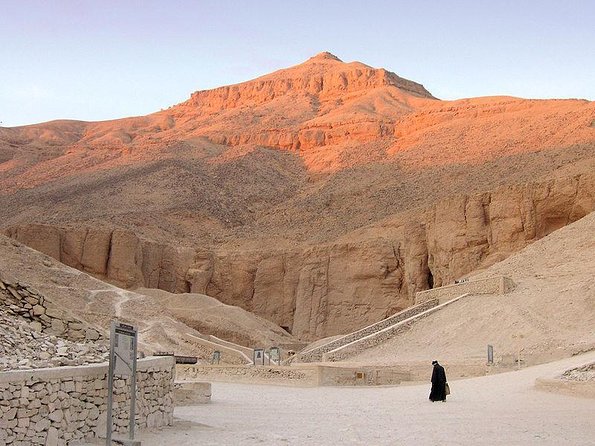
- Guide-led visits at Karnak, the Colossi of Memnon, Valley of the Kings, and Hatshepsut
- Lunch included so you’re not hunting food while the day runs away
- West Bank highlights in one go: tombs, giant statues, and Hatshepsut’s mortuary temple
- Alabaster factory tour adds real context for ancient crafts
- Your guide controls the order, so pace depends on what comes first
Hurghada to Luxor: why this day feels like a time jump
This is the kind of trip where the first thing you notice isn’t the temples—it’s the pace. An air-conditioned bus hauls you from Hurghada to Luxor in roughly 4 hours, then you start stacking iconic sites with guide narration. It’s a lot, but it’s also a smart way to see the “greatest hits” without arranging everything yourself.
For me, the best part is that you’re not just visiting buildings. You’re getting the storyline: gods and dynasties, how tombs fit the landscape, why Hatshepsut’s temple is so carefully designed. When the guide is on point, the stones start making sense fast. And when the guide is great—names like Laila/Leila/Leyla show up often—people find it easy to ask questions and keep up.
The reality check: you’ll be tired. Not “sit-and-stroll tired,” but “carrying water and climbing steps” tired. If you go in planning for effort, you’ll have a much better time.
You can also read our reviews of more tours and experiences in Hurghada.


The 15–17 hour schedule: what you’re really signing up for
The total duration is listed as about 15 to 17 hours, and that’s accurate to how it feels in practice. Even with an efficient bus ride, you’re in the car for most of the day, and you’re also doing real walking once you’re in Luxor.
A helpful detail: expect roughly 4 to 5 hours of driving time each way. One traveler flagged about 5 hours on the mini-bus, so I’d treat that as your range, not the lower number.
Your guide determines the order of stops. That sounds minor, but it can matter. If Karnak ends up toward the end of the day, you might get less time because everyone is hot and worn out. If Karnak is earlier, you’ll likely feel fresher and enjoy the scale more.
Practical tip: bring a light daypack. You’ll want room for water, sunscreen, and whatever cash or small extras you might need on-site (especially for tips).
Karnak Temple: when scale hits you in the face
Karnak Temple is the classic opener for a reason. Even when you think you’ve seen “big temples” before, Karnak has a way of resetting your expectations. You meet your guide at Karnak, then spend about 2 hours exploring with an English-speaking guide.
Here’s what you should love about this stop:
- The guide helps you connect what you’re looking at to who built it and why it mattered.
- Karnak rewards attention. It’s not just photos; it’s patterns, alignments, and repeated themes.
Possible drawback: your schedule order can shift. If Karnak is late, you may feel rushed even though you’re still at one of the best places on earth to take your time. That doesn’t mean the visit is bad—it means you should show up with patience and plan for heat.
What to do: pace yourself. Pick a few “anchor” areas you really want to understand. Then let the rest of the complex be extra credit.
Colossi of Memnon: a quick stop with big presence
After Karnak, the day shifts to the West Bank of the Nile for the Colossi of Memnon—two colossal statues of Amenhotep III. This stop is about 1 hour, and the main value is the contrast.
You’re leaving crowded temple walls and stepping into a more open-feeling setting where the statues can dominate your focus. Even if you’re moving quickly, the scale lands hard: you can see why these monuments were built to impress from far away.
A good strategy here is to spend a few minutes looking before you start marching for the next photo. Once you get the proportions in your head, everything becomes easier to interpret.
Valley of the Kings tombs: the best kind of complicated
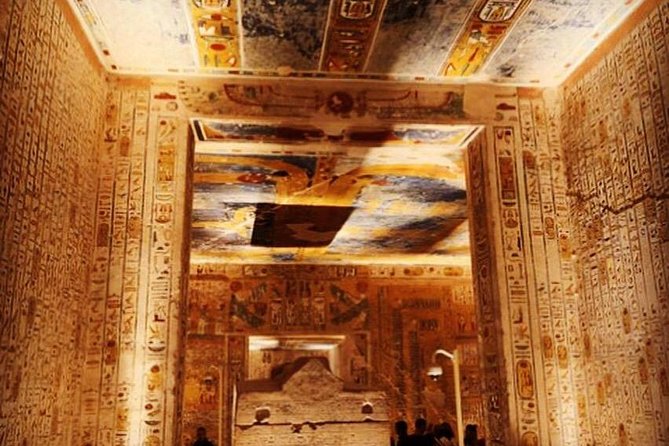
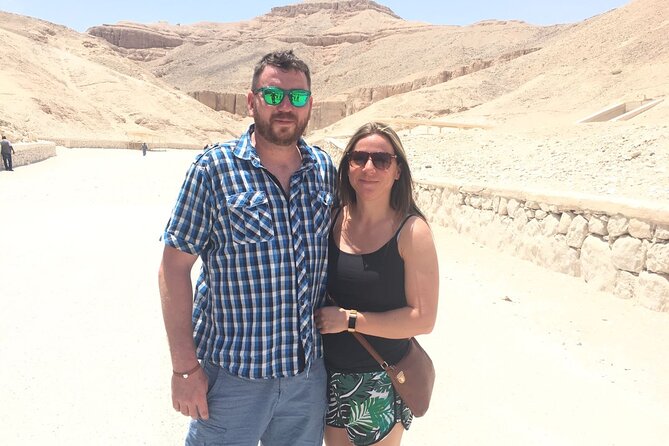
Then comes the Valley of the Kings—about 2 hours in the tomb area with admission included. This is one of those places where the “tourist map” is not the point. The point is the feeling: a dramatic setting, tight interiors, and the sense that these tombs were built for the long run.
Two practical things you should plan for:
- There’s lots of walking and stairs in the tombs.
- Some spots can feel warm because you’re moving between bright outdoor light and enclosed interiors.
If you want maximum enjoyment, wear comfortable shoes you’re willing to climb in. Also, keep your expectations realistic: tomb visits can be physically demanding, and it’s better to move steadily than to try to power through.
The guide experience matters here. When someone explains what each tomb represents—royal ambition, afterlife beliefs, the logic behind the art—you stop seeing tombs as separate “rooms” and start seeing them as a system.





Queen Hatshepsut’s mortuary temple: elegance with a purpose
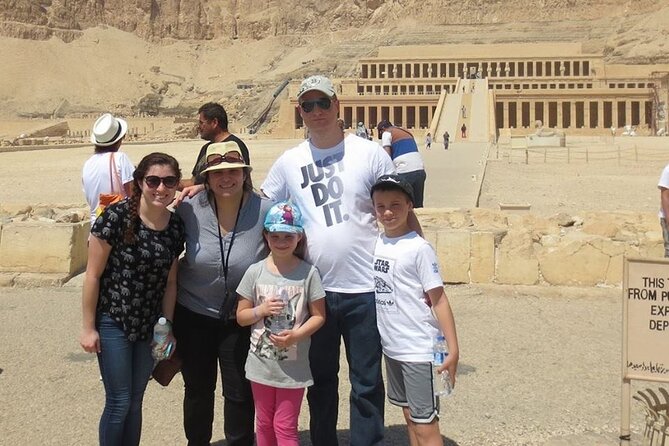
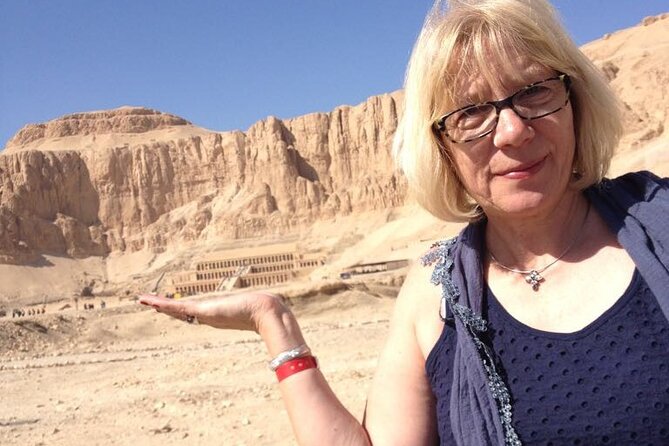
Next up is the Mortuary Temple of Queen Hatshepsut, one of the headliners of the West Bank. You get about 1 hour here, and admission is included. This is a place where the architecture does more than look impressive. It communicates power, legitimacy, and religious intent.
What makes Hatshepsut’s temple special is the way it’s shaped into terraces and thoughtful sightlines. Even with limited time, you can still get a sense of how designed the space is.
Real talk: one hour can feel short. If your day runs long or Karnak was late, you might rush more than you want. But it’s still a must-see stop, and the guide can help you focus on the details that matter most instead of trying to see everything.
If you only remember one thing: watch how different angles change what you notice. Terraces and colonnades can look totally different depending on your position.
Alabaster factory visit: the craft behind the statues
After the major monuments, you’ll stop at an alabaster factory for a characteristic tour. This part is different from the rest of the itinerary. It isn’t about tomb art or temple layout—it’s about how materials get turned into objects.
The purpose is to show you ancient Egyptian techniques for making alabaster statues, and it connects the dots between archaeology and everyday artisan life. For me, this is one of the best “human-scale” moments in the day. You get to see that the ancient world relied on skilled hands, not just grand ideas.
This stop also tends to feel calmer than the temple rush. It’s a good place to cool off mentally before you head back for the final leg.
Lunch break: a practical reset
You’ll have a lunch break, and lunch is included at a restaurant. Drinks are not included, so plan on buying water or other beverages separately if you want them.
This meal matters more than it sounds. The day is long, and if you treat lunch like an afterthought, you’ll feel it later during the tombs and final temple steps.
What I recommend: eat something filling but not heavy. And don’t skip water breaks just because the itinerary keeps moving.
Shopping pressure and time for free moments in Luxor
There’s also some free time in Luxor before you head back toward Hurghada. Exact timing can vary because your guide controls the order of the sights, but you’ll likely get a chance to wander, take photos, or grab a last snack.
In places around Karnak and the West Bank, you may run into persistent vendors. The good news is your guide can help you read the scene quickly and avoid unnecessary stress. A common tip from guides is to ask questions, keep your footing, and don’t get pulled into long negotiations when you’re not ready.
Also, bring small bills. If you tip, or if you decide to add an optional item, it’s easier to handle payments smoothly.
Optional Nile boat ride: not included, but it’s a common add-on
A boat trip on the Nile (about a 40-minute ride, or a Banana Island option) is not included. That means you can’t count on it being part of the day unless you pay extra.
Is it worth asking about? If you enjoy a change of pace and want a scenic break after temples, it usually lands well. Just remember it would extend your day slightly or add a cost on top of the base tour price.
If you’re time-sensitive or physically tired, skip it. You’ll still have plenty to see.
Price and value: how $20.86 stretches surprisingly far
This tour is priced around $20.86 per person, booked on average about 30 days in advance. That’s the kind of price that makes you wonder what’s left out. The answer is: some extras, mainly.
On the plus side, you get:
- air-conditioned vehicle
- pickup is offered (with some area exceptions)
- lunch
- a tour guide
- entrance fees for key stops are included on the standard setup
- taxes and services included
What’s not included:
- drinks with lunch
- the Nile boat trip
- pickup/drop-off add-ons for specific areas outside the basic coverage zone (10 €/person)
- optional language guide upgrades (like Spanish or Italian)
So where’s the catch? Not in the big-ticket sights. The “value catch” is more about effort and time. You’re trading comfort and leisurely pacing for a packed day that’s cheaper than many private alternatives.
If you want a slower, more flexible itinerary, you may prefer a private tour. If you want the sights without complex planning and you can handle a long day, this is strong value.
The guide makes the day: ask for Laila
One of the most consistent highlights is how much a great guide affects the experience. Names like Laila/Leila/Leyla show up for this itinerary, and the pattern is clear: when you get that kind of guide, you get clearer explanations, better timing, and fewer panicky moments.
What you can do: when booking, try to request your guide. If that option isn’t available, at least choose the departure slot and operator channel that gives you the best odds of matching with an English-speaking guide.
Also, be proactive with questions. This tour format works best when you’re willing to ask what you’re looking at and why it matters.
Who should book this Luxor day trip
This experience is best for:
- people who want a full Luxor hit list in one day
- visitors comfortable with walking and steps
- anyone who likes guided storytelling, not just photo stops
- travelers who can handle a long ride and a hot day
It may be less ideal if:
- you want lots of downtime between sites
- you struggle with stairs or enclosed spaces
- you’re traveling with very young children who need frequent breaks
That said, the day can still work for families if everyone plans for the physical reality and keeps expectations flexible.
Should you book it?
If you’re looking for big Luxor highlights on a budget, this is an easy yes. You get Karnak, Valley of the Kings, Colossi of Memnon, and Hatshepsut all in one guided day, plus lunch and an alabaster craft stop that adds real context.
Book it if you’re willing to trade comfort for value. Pass if you need a relaxed pace or you’re worried about stairs and long travel time.
My final advice: pack for effort. Comfortable shoes. Water. Sunscreen. Then show up ready to be taught, not just to look.
FAQ
How long is the Luxor Valley of the Kings trip from Hurghada?
It runs about 15 to 17 hours.
Do I get hotel pickup in Hurghada?
Pickup is offered, but pickup and drop-off in Al-Ahyaa, El Gouna, Sahl Hasheesh, Safaga, Makadi, or Soma Bay is not included and costs 10 €/person.
Is lunch included?
Yes. Lunch is included, but drinks are not included in the restaurant.
Are entrance fees included for the main sites?
Admission fees are included for Karnak Temple, the Colossi of Memnon, the Valley of the Kings, and the Mortuary Temple of Hatshepsut.
Is a Nile boat trip included?
No. The Nile boat trip (about 40 minutes) or a Banana Island option is not included.
Does the tour include a guided visit in English?
Yes, you’ll have an English-speaking tour guide for the visits listed in the day.
How big is the group?
The maximum group size is 9 travelers.
Do I get a mobile ticket?
Yes, a mobile ticket is included.
What if the weather is bad?
The tour requires good weather. If it’s canceled due to poor weather, you’ll be offered a different date or a full refund.