REVIEW · LUXOR
Exotic Nile Cruise tour
Book on Viator →Operated by LuxorPrivateTour · Bookable on Viator
Ancient temples, smooth sailing, easy logistics. This 5-day Nile cruise route is built for you to see Luxor’s big East Bank sights, then West Bank masterpieces, before continuing south to Edfu and Aswan. I like that it’s run with meet-and-assist support and a private Egyptologist guide, so you spend less time figuring things out and more time looking closely.
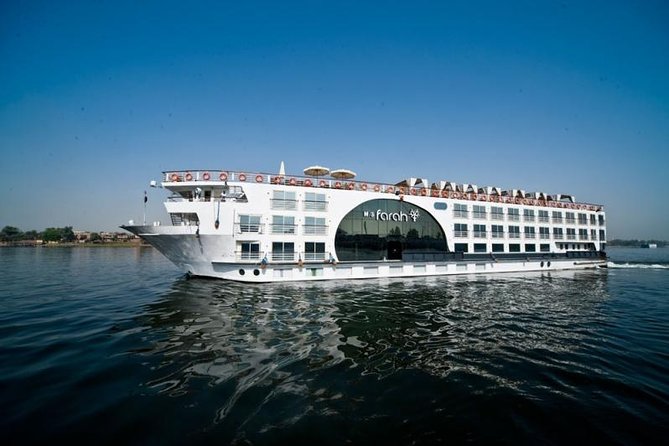
Two things I especially like: the cabin design details are described as high-end and cozy (think handmade Egyptian cotton sheets and dark wood interiors), and the day plan is tightly organized with included admissions and meals. The ship is also sized for a comfortable feel, with 60 deluxe cabins and 2 Royal Suites.
One thing to weigh: you’ll be moving through a lot of famous sites across multiple banks of the river. If you want slow mornings every day, you may feel the schedule is a bit full—plus this kind of cruise can depend on weather.
In This Review
- Key highlights you’ll care about
- First impressions: what this Nile cruise experience feels like
- Price and logistics: what you’re paying for, and what you should check
- Day 1 in Luxor: from airport pickup to Temple of Luxor and Karnak
- Day 2: West Bank highlights with Valley of the Kings and Deir el-Bahari
- Day 3: Horus Temple in Edfu, then Kom Ombo’s Sobek sanctuary
- Day 4: Agilkia Island and Philae Temple in Aswan
- Shipboard comfort: cabins, cleanliness, and the parts of the day you control
- What the itinerary design does well (and what you should be ready for)
- Who this Nile cruise suits best
- Should you book this Exotic Nile Cruise tour?
Key highlights you’ll care about
- Private sightseeing with an Egyptologist guide for the why behind each temple stop
- Included entrance tickets and meals (breakfast, lunch, dinner) so the budget stays clearer
- Clean, well-kept cabins with attention to room tidying (twice daily is mentioned)
- East Bank + West Bank coverage in Luxor, including Karnak and the major West Bank landmarks
- Stops for Edfu and Kom Ombo temples, not just the headline Luxor and Aswan sites
- Agilkia Island and Philae Temple time in Aswan, a strong finish to the journey
First impressions: what this Nile cruise experience feels like
Nile cruises can swing from chaotic to classy. This one is designed to feel more controlled, with pickup support and a guide who’s with you through the major sites. You get the comfort side too: the cruise description emphasizes handmade Egyptian cotton bedding, dark wood furniture, and a hospitality vibe that’s meant to feel personal rather than assembly-line.
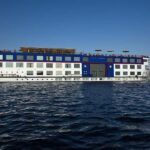
The ship itself is positioned as a mid-to-upscale option. It has 60 deluxe cabins and 2 Royal Suites, so you’re not sleeping in a mega-fleet where every surface feels like a hallway. There’s also a sundeck factor in the way people talk about the boat—so if you like a place to step out with a drink and watch the river slide by, this trip is built for that kind of downtime.
And because this is a private tour/activity, your group is the only one in the mix for the touring component. That matters. Temple visits go smoother when you’re not constantly waiting for strangers to find their shoes.
You can also read our reviews of more boat tours in Luxor
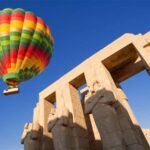
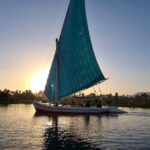
Price and logistics: what you’re paying for, and what you should check
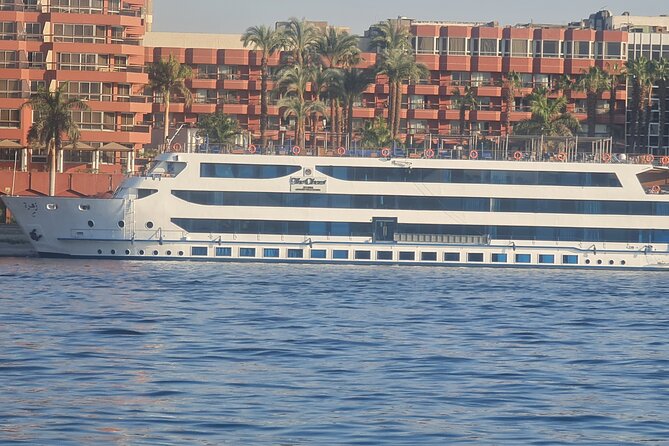
At $1,200 per person for a roughly 5-day experience, the value mostly comes from what’s included rather than the base cruise alone. You’re not just buying “a bed and a boat.” Your package includes:
- Meet-and-assist on arrival and departure
- All transfers by air-conditioned vehicle
- An Egyptologist guide
- Admission tickets for the visited sites
- Meals: 4 breakfasts, 4 lunches, 4 dinners
That’s a big deal in Egypt, where admissions and guide time can add up quickly if you plan it yourself. It also means you can spend your mental energy on the temples, not on ticket lines and last-minute transport math.
Tipping isn’t included. That’s normal, but it’s still a real cost to plan for. If you’re the type who hates surprise expenses, put a small tipping budget aside before you go.
Also note the schedule is weather-dependent. Nile cruising can adjust to conditions, so keep a little flexibility in your flight plans. This isn’t a “stay perfectly still no matter what” kind of trip.
Day 1 in Luxor: from airport pickup to Temple of Luxor and Karnak
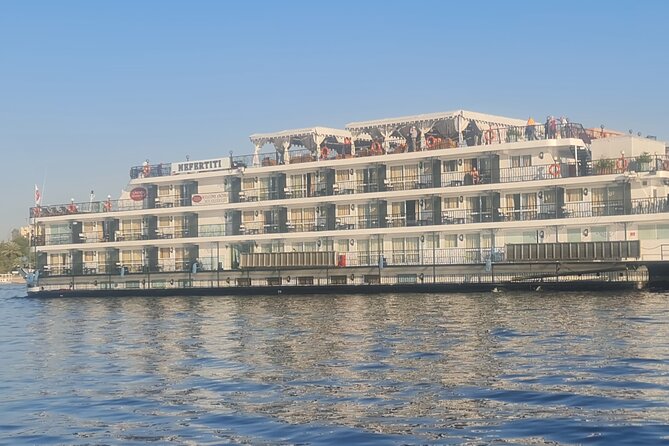
Day 1 starts with real relief: a representative is set to meet you at Luxor International Airport and help you get to your lodge and then onto the cruise. The tour team also checks in on your itinerary so you know what the pickup schedule looks like next.
Once you’re onboard, you have a lunchtime that feels like the right transition into Egypt mode—food, shade, and time to get your bearings. Then you hit the East Bank.
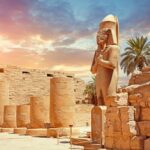
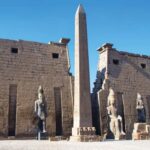
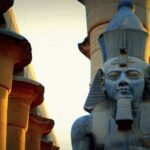
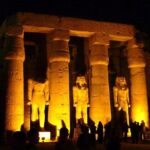
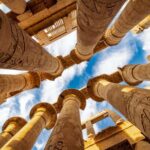
The Temple of Luxor and Karnak Temples are the kind of sights that make you stop mid-walk and just stare. Luxor is often described as more intimate, while Karnak is on the “bigger-than-your-brain-can-process” end. Seeing both in one day is efficient because you get the full East Bank story arc: the grandeur of Karnak’s scale paired with Luxor’s temple atmosphere.
Practical tip: wear shoes that handle uneven stone and long walking. East Bank temples don’t care if you’re tired. Bring water. Your best photos will happen when you’re not rushing.
Day 2: West Bank highlights with Valley of the Kings and Deir el-Bahari
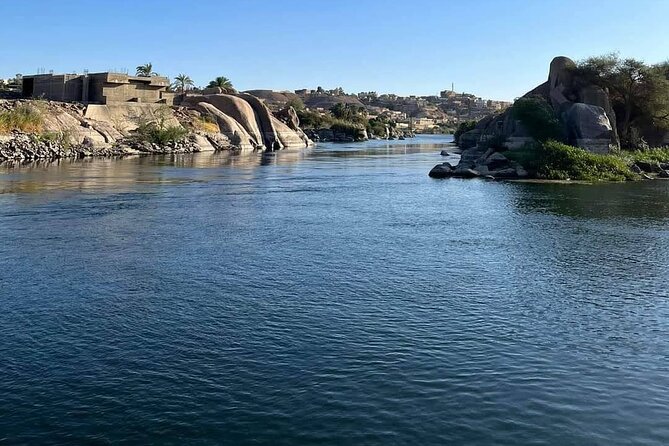
This is the day where Luxor turns serious.
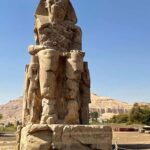
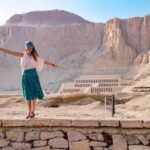
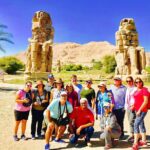
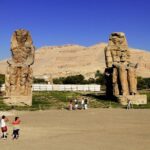
After breakfast onboard, you head to the West Bank of Luxor. The plan includes the Valley of the Kings, the Sanctuary of Queen Hatshepsut at Deir el-Bahari, and the Colossi of Memnon. That combo gives you three different types of impact:
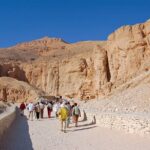
- The Valley of the Kings gives you the tomb setting and the scale of what royal burials meant
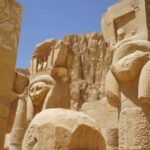
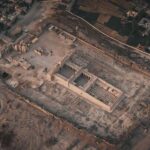
- Deir el-Bahari is a masterpiece of structure and placement, with the temple carved into the cliff shape
- The Colossi of Memnon deliver a striking, almost cinematic sense of “this was important”
Then you return for lunch onboard and you sail toward Esna and on to Edfu. You’re also given time for relaxation after you reach Edfu—exactly what you want after a long day of walking temples.
One consideration: West Bank days can be emotionally intense. You’re surrounded by tomb history and monumental stone. If you tend to get overstimulated, plan to slow down during breaks onboard. Even a 20-minute rest can help you enjoy the next site instead of just surviving it.
Day 3: Horus Temple in Edfu, then Kom Ombo’s Sobek sanctuary
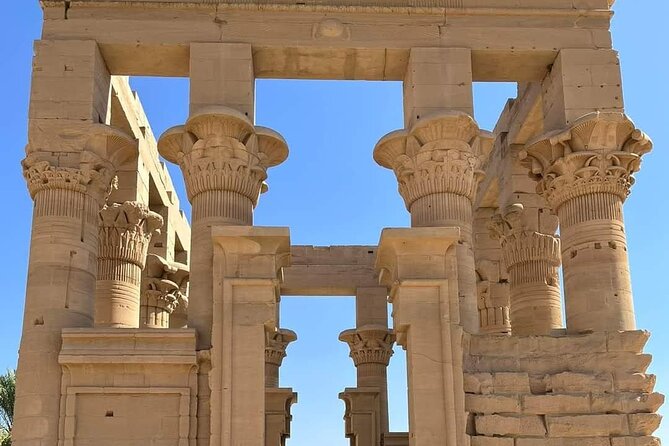
Day 3 is temple-focused, but it’s a smart kind of focus.
You start at Horus Temple in Edfu, described as one of Egypt’s best-maintained temples. The point here isn’t only that it’s visually impressive. It’s that the guide context helps you understand why Edfu matters: it centers on the story of Horus and the mythic battle linked to Osiris and Seth.
After Edfu, you go to Kom Ombo Temple to see the sanctuary of Sobek, the crocodile god. Kom Ombo is different in feel from Edfu. The temple’s identity is tied to the river world, and the Sobek theme brings a different lens to your day.
You’ll have lunch onboard again, then sail to Aswan, with dinner onboard and the night at sea in your ship’s rhythm.
If you’re a photo person: early in the day, the light often behaves better for temple surfaces and carved details. If you want fewer shadows across columns, ask your guide where they expect the best viewing angles, and don’t just follow the crowd.
Day 4: Agilkia Island and Philae Temple in Aswan
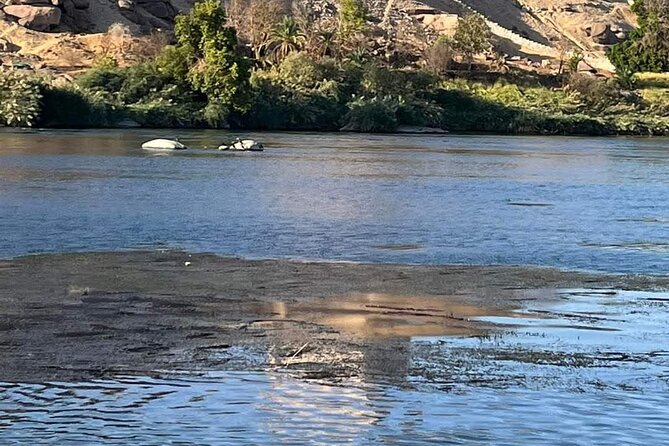
Aswan is where the cruise starts feeling like it’s changing gears—from “temples everywhere” into “temples plus a slower sense of river time.”
After breakfast, you get picked up for Agilkia Island, where the schedule includes lunch and then a trip to Temple of Philae, dedicated to the goddess Isis. The Philae area is described as Greco-Roman era work, which is a nice reminder that ancient Egypt didn’t stop. Over time, different cultures left their mark on the same sacred zones.
The Agilkia-to-Philae plan can be a great payoff day because you’re not just chasing another stop. You’re closing the circle of themes: divine kingship, funerary tradition, and then the mother-goddess symbolism that ties into Horus in the wider myth world.
Practical note: you’ll likely do some walking on island surfaces. Take your time and protect your feet. This is one of those days where comfortable socks matter more than you think.
Shipboard comfort: cabins, cleanliness, and the parts of the day you control
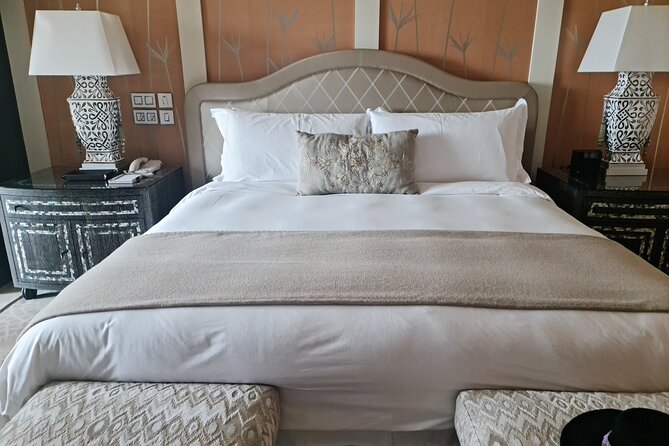
Your cruise experience isn’t only the temples. It’s also the “between” time: taking off dust, sleeping well, and eating in a calm setting while the scenery slides past.
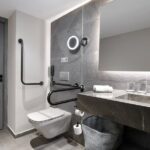
The cabin experience is described with real care: handmade Egyptian cotton sheets and a design feel that includes natural dark wood furniture. That’s not just marketing fluff—comfort matters when you’re doing early starts and long sightseeing days.
Cleanliness is a standout in the way people talk about the ship. One theme that comes up is that cabins are kept very clean, with room tidying mentioned twice a day. That kind of attention makes a difference. After a day on temple stone and dust, you want your room to feel like a reset button.
Food is the other big comfort factor. Meals are included (and the daily plan usually lines up lunch after sightseeing, with dinner onboard). People describe the food as very good, with a solid sense of value. You won’t need to hunt for meals or worry about finding something that fits your schedule.
And don’t ignore the simple pleasures: time on the sundeck. Even if you don’t love sunning, step out for a few minutes. The Nile has a way of making the day feel less rushed, and it helps you process what you just saw.
What the itinerary design does well (and what you should be ready for)
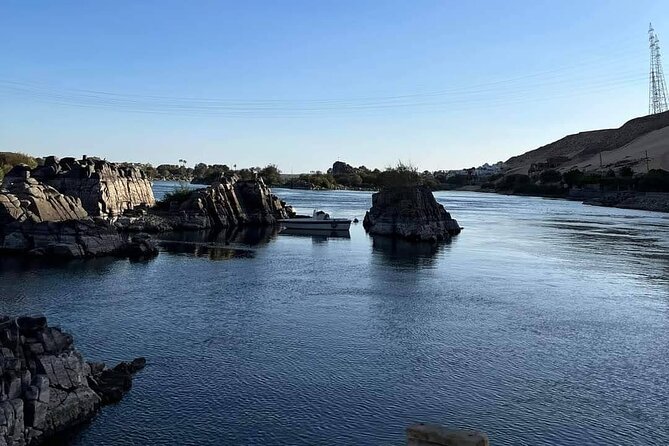
This trip does something many cruise schedules fail at: it clusters the right sites without making you feel constantly “in transit.”
- Luxor day 1 focuses on East Bank icons
- Luxor day 2 does the West Bank heavy lifting
- Day 3 adds two major stops south: Edfu and Kom Ombo
- Day 4 gives you the Aswan finish: Agilkia + Philae
- Day 5 keeps it easy: breakfast, relaxation time, then transfer to Aswan Airport
That structure means you don’t spend all day on the boat. You also aren’t trapped in a nonstop museum loop. There are built-in sailing segments, plus onboard breaks after lunches.
The main consideration is pace. You’ll see a lot in a short time. If you want a holiday that feels more like a slow stroll, you may want to add extra down-time either before or after the cruise.
Who this Nile cruise suits best
This tour is a strong match if you want:
- A private, guided experience with an Egyptologist explaining what you’re seeing
- Included admissions and meals to keep your budget predictable
- A balanced Luxor-to-Aswan route that doesn’t skip Edfu and Kom Ombo
- Comfort and cleanliness onboard, with cabins designed for rest between big days
It’s also a good choice if you don’t want to manage transport and ticket logistics yourself. The meet-and-assist support and air-conditioned transfers reduce the stress factor.
If you travel light and you like to move quickly, you’ll love the flow. If you need lots of quiet time, plan for it onboard—use the sundeck or downtime after sailing days.
Should you book this Exotic Nile Cruise tour?
I’d book it if you want a smooth, guided Nile cruise where the package does the hard work: guide coverage, admissions, meals, and transport. The value is strongest when you compare “what you’d pay separately” for a comparable mix of sites, guide time, and entry tickets.
You might skip it (or add extra rest time) if you’re the type who gets irritated by long temple days. This route is full. Also, remember tipping isn’t included, so budget for that.
If you’re excited by Luxor’s Temple of Luxor and Karnak, you like the West Bank classics, and you want a strong Aswan finale at Philae, this cruise is a very solid way to do it without turning your trip into a logistics puzzle.