REVIEW · CAIRO
11 Days 10 Nights Tour Best of Egypt with Nile Cruise from Cairo
Book on Viator →Operated by Sun Pyramids Tours · Bookable on Viator
One Nile cruise can be too short. This one spreads the magic out. You get a full-value look at Cairo and Giza plus a true 10-night sailing, with smooth private door-to-door transfers and a very hands-on guide team. My favorite part is the pace: eight days on the river without feeling like you’re sprinting through history. I also like that meals and admission are handled, so you spend less time negotiating and more time looking.
The main thing to consider is the fine print: some big-ticket extras aren’t included, like tickets inside the pyramids (and Tut’s tomb), and the Abu Simbel visit is optional rather than automatic. If you want every single site entrance, budget for the add-ons or plan around what’s covered.
In This Review
- Key Takeaways Before You Go
- Arrival in Cairo: Four Seasons Comfort Meets Real Logistics
- Cairo Power Two: Memphis, Sakkara, Giza, and the Sphinx
- Islamic and Christian Cairo in One Long Day
- Fly to Luxor: The Cruise Start That Feels Like a Reset
- Karnak to Luxor Museum: Amun-Ra’s Scale Hits Hard
- Valley of the Kings + Medinet Habu + Dendera: West Bank Variety
- Deir el-Medina, Hatshepsut, and Luxor Temple: New Kingdom Big Names
- Edfu and Horus: The Temple Stop That Feels Maintained
- Aswan High Dam and Philae: Why the Nile’s Modern Story Matters
- Kom Ombo: The Sobek-and-Horus Contrast
- Abu Simbel Optional Day: The One Big Choice You Should Make
- How Much Is Included, and What It Means for Your Budget
- Private Guides and Drivers: The Human Part That Shows Up in Real Life
- The Best Fit: Who This Tour Will Suit
- Should You Book This Nile Cruise + Cairo Combo?
- FAQ
- How long is the Best of Egypt with Nile Cruise tour?
- What cities are included in the trip?
- Are domestic flights included?
- Is Abu Simbel included in the price?
- What’s included in the price besides the cruise?
- Are tickets to go inside the pyramids or Tut’s Tomb included?
- Can I cancel for a full refund?
Key Takeaways Before You Go
- Four Seasons Cairo at First Residence on night one sets a high-comfort tone with airport meet-and-assist.
- Oberoi Zahra Nile Cruise is the centerpiece, with your sailing and most meals included for an unhurried rhythm.
- Cairo is handled in smart blocks: Old Kingdom (Memphis/Sakkara/Giza) plus Islamic and Christian Cairo.
- You’ll get major temples on the river route, including Karnak, Edfu, Kom Ombo, Philae, and more.
- Abu Simbel can be a highlight, but it’s an optional day trip, so decide early.
Arrival in Cairo: Four Seasons Comfort Meets Real Logistics
Landing in Cairo can be a blur. What makes this trip feel easier is how early they think about the practical stuff. After you arrive, a tour manager meets you and handles the handoff, then escorts you by exclusive air-conditioned deluxe vehicle to the Four Seasons Hotel Cairo at First Residence. You’ll check in with help and get a run-through of pick-up times for tours, which matters because Cairo traffic can turn “quick stops” into long waits if you’re not on a schedule.
That first night is more than a luxury flex. It’s a buffer. After a long flight, you’re not trying to find taxis, figure out routes, or guess where you’re supposed to be. You’re just set up for a good start the next morning, and you even get a welcome drink to settle your nerves.
You can also read our reviews of more boat tours in Cairo


Cairo Power Two: Memphis, Sakkara, Giza, and the Sphinx
The next day is pure “Egypt greatest hits,” but it’s organized in a logical flow: Old Kingdom foundation first, then the iconic skyline of Giza.
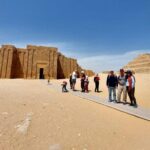
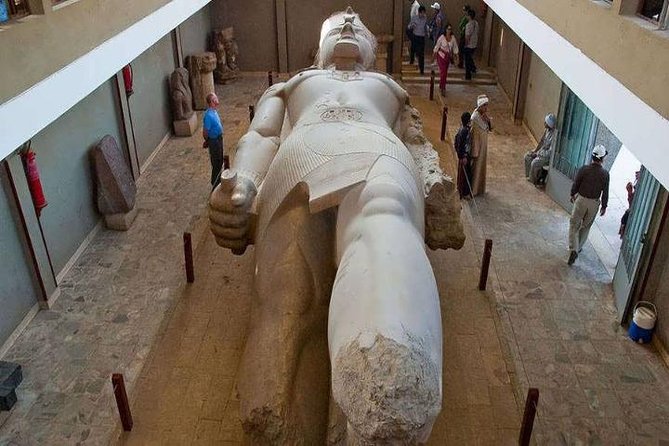
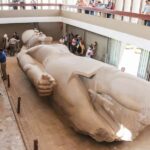
You start at Memphis, described as the ancient capital of Old Egypt. Even if you only get an hour, it helps you understand why later pyramid-building happened here. Then you head to Saqqara to see the Step Pyramid of Djoser. This is one of those stops that reframes everything you’ll see later. The step-style architecture shows the pyramid concept evolving, not appearing fully formed like a magic trick.
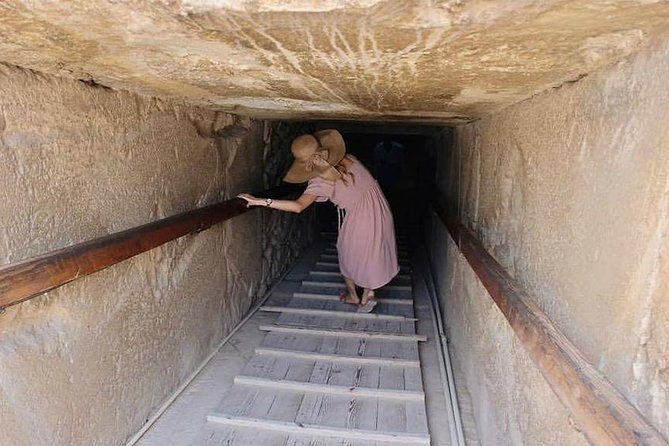
Then comes lunch and the Giza plateau: the pyramids of Cheops, Chefren, and Mykerinus. You also have a couple of hours allocated here, which is a decent amount of time for photos, orientation, and actually taking in the scale. Do note one important detail: you’ll want to confirm what’s covered. The tour includes admission tickets as listed, but tickets to get inside the pyramids are not included. If going inside is a must-do, plan for that extra cost.
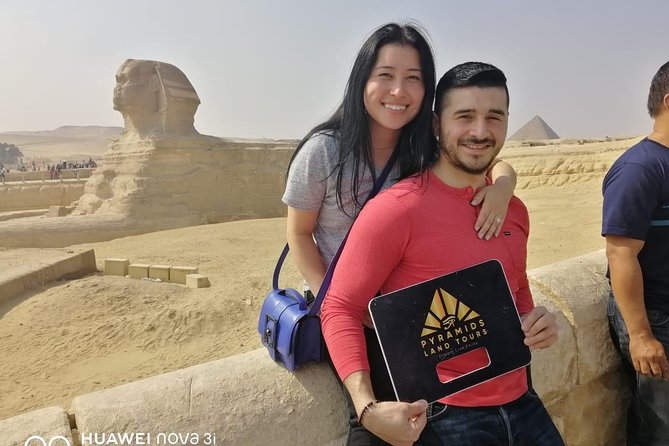
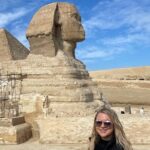
You finish with the Great Sphinx of Giza and a visit to the Valley Temple belonging to the Pyramids of Chefren. If you’ve ever felt overwhelmed by Giza, this block is helpful. You’re not hopping randomly around; you’re moving through a clear sequence that makes the site feel less like chaos.
A practical tip: the desert sun doesn’t care about your itinerary. Wear a hat, use sunscreen, and keep water handy. Your schedule will still feel busy, but it’ll feel manageable.
Islamic and Christian Cairo in One Long Day
On the next Cairo day, the trip broadens beyond ancient Egypt into the city layered over it.
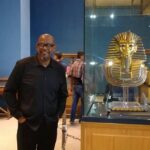
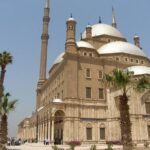
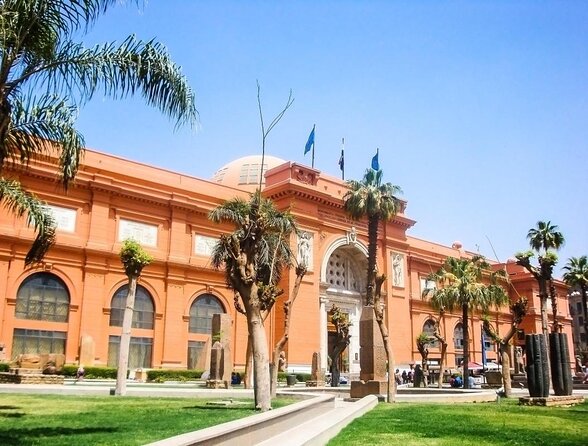
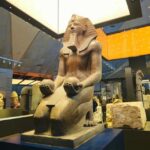
First stop is the Egyptian Museum, with a guide escort and about two hours. The museum is where you connect objects to stories. It’s also where you realize that Egypt’s past isn’t just monuments in the sand. After that, you head to the Saladin Citadel area, including Mohamed Ali Alabaster Mosque. The citadel setting also gives you useful views over the city, which helps you mentally map Cairo as more than just traffic and crowds.
Then you drive to Khan Al-Khalili, Cairo’s old bazaar. You get about an hour here, which is enough to browse, snack, and soak up the energy without turning it into a shopping marathon. After that, the day shifts into Coptic Cairo, including the Hanging Church and the Ben Ezra Synagogue.
This mix is one reason I like this itinerary for first-timers. You’re not only chasing pyramids. You get a day where Cairo’s religious history is part of the story, too.
One drawback to keep in mind: this is a packed day with multiple transfers. If you’re the type who gets tired in museums, you may want to pace your own pace—use bathroom breaks as reset moments, and don’t feel like you need to read every label.
Fly to Luxor: The Cruise Start That Feels Like a Reset
Once Cairo is done, you check out and transfer to the airport for your domestic flight to Luxor. Then your cruise life begins on a 5-star ship: Oberoi Zahra Nile Cruise.
This part is a big value play. A lot of Nile trips are short because they’re squeezed between flights and hotels. Here, you’re given a multi-day sailing plan with guided stops built around it, so you get days on the water without sacrificing major sights.
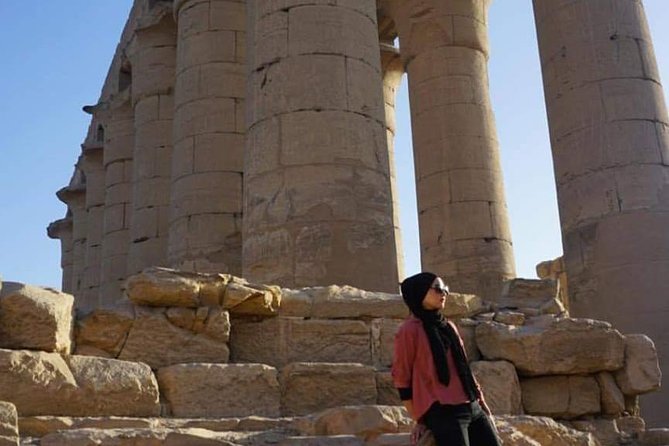
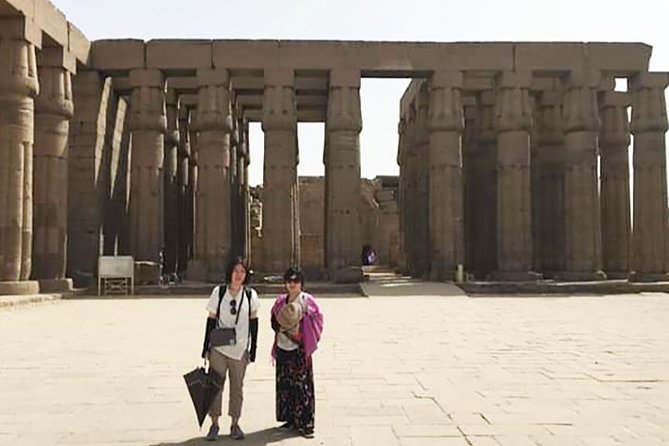
After lunch aboard the ship, you head out to Karnak and the Temple complex of Amon-Ra, including the vast hypostyle hall with 137 columns. Then you visit Luxor Museum. The museum stop is a nice pairing with Karnak because it helps you organize what you saw outside. You end the day moored in Luxor, which means you don’t burn time back-and-forth each evening.
Karnak to Luxor Museum: Amun-Ra’s Scale Hits Hard
Let’s be honest: temples can blur together on travel days. What keeps Karnak memorable is the scale of the space and the way the columns create a “forest” effect. Even if you’re not an architecture super-fan, it’s one of those places that makes you lower your voice and look around.
A smart detail here is that you’re not left alone with a guide who’s trying to cover everything at warp speed. You have real time for the key highlights, and then you follow it with the Luxor Museum so the story sticks.
If you’re sensitive to heat, plan to take small breaks. Temple visits can feel long because there isn’t a lot of shade. It’s not the cruise that’s exhausting here—it’s the sun and walking.

Valley of the Kings + Medinet Habu + Dendera: West Bank Variety
After breakfast, you go to the West Bank for the Valley of the Kings, including mention of Howard Carter and the discovery of Tutankhamen in 1922. The key benefit of this stop isn’t just the tomb name recognition. It’s that you see how Egypt built royal burial grounds into a dramatic landscape.
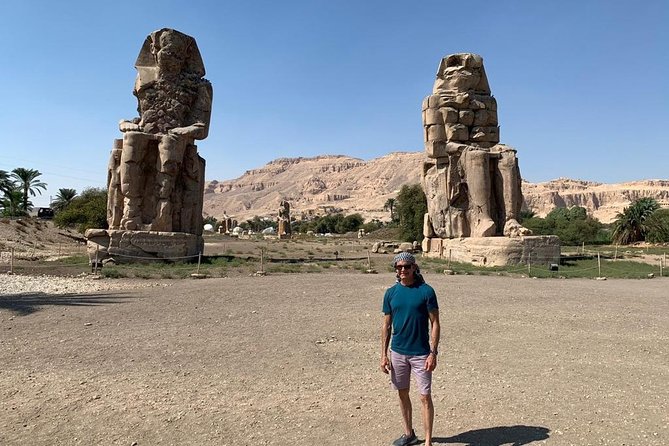
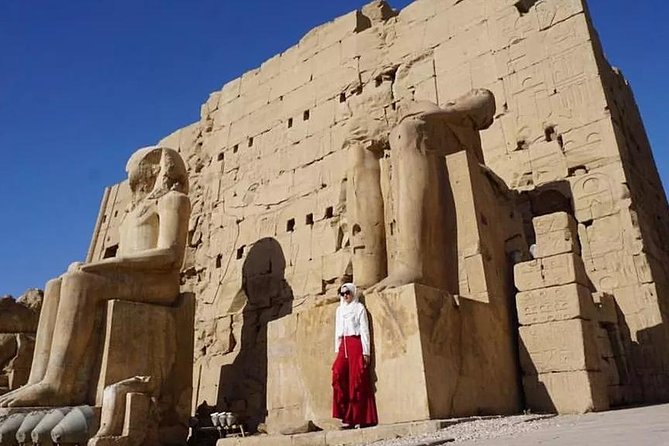
Then you move on to Medinet Habu and the Colossi of Memnon. These are different tones: Medinet Habu feels like a temple complex with weight, while the Colossi are the kind of big, recognizable sculpture that gives you an instant mental postcard.
Here’s what I like about how the day is laid out: you’re not doing only one temple. You’re seeing multiple expressions of power, burial, and worship.
Afterward, you sail toward Qena around noon and visit the Temple of Dendera, dedicated to Hathor. That is a great pairing after the West Bank, because it pulls you toward a different set of religious themes.
Deir el-Medina, Hatshepsut, and Luxor Temple: New Kingdom Big Names
The mid-cruise days are where the river really starts to feel like part of the trip, not just transport between stops. You sail and then jump into the next site block.
You visit Deir el-Medina (also spelled in the program as Dier El Madina). This is tied to the Valley of the Noble’s tombs. What makes a place like this interesting is that it gives you a glimpse into people who weren’t pharaohs, but still worked inside the system that built the monuments. If you want something more than just “royal life,” this is a good stop to anchor that curiosity.
Then you go to the Temple of Hatshepsut, built around the 15th century BC, and you visit Luxor Temple on the East Bank. Hatshepsut is an especially compelling figure to see through stone, because it’s a story of authority in a world where authority is usually shown as male.
The pacing here matters: you have dinner and sleep onboard. That means you’re not losing half your day to hotels and check-in desks.
Edfu and Horus: The Temple Stop That Feels Maintained
Next you visit the Temple of Horus at Edfu, described as a well-preserved Ptolemaic Temple. Even if you don’t know the full background, you can usually tell when a temple is well-kept. Details show up better. Lines feel clearer. And the longer you look, the more the symbolism starts to click.
You’ll have dinner and overnight onboard in Edfu. That is a perk of the cruise model: you get a calm “in-between” moment after the sightseeing, and you’re not trying to solve dinner plans in a new city each night.
Aswan High Dam and Philae: Why the Nile’s Modern Story Matters
Sailing to Aswan brings a shift in mood. The river widens, the pace slows, and the day’s stops are big-ticket, even beyond the ancient sites.
First, you see the Aswan High Dam and the Old Dam, with a completion date for the High Dam in 1971 and the Old Dam in 1902. This is not just infrastructure trivia. It helps explain why some ancient structures had to be treated differently when water levels changed.
Then you visit the Philae Temple, dedicated to Isis, and it’s described as a temple rescued from rising waters of Lake Nasser during the High Dam’s construction. That makes the stop feel urgent and real. This is one of those times when history isn’t only ancient; it’s also modern choices that protected the past.
Kom Ombo: The Sobek-and-Horus Contrast
After breakfast, you sail to Kom Ombo and visit the temple with a unique setup: Sobek the crocodile god and Horus in the same complex. You’ll also have lunch onboard, which helps you avoid the classic travel bottleneck of “eat something questionable” because you’re running late.
Then you continue sailing to Aswan for dinner and overnight onboard again.
Abu Simbel Optional Day: The One Big Choice You Should Make
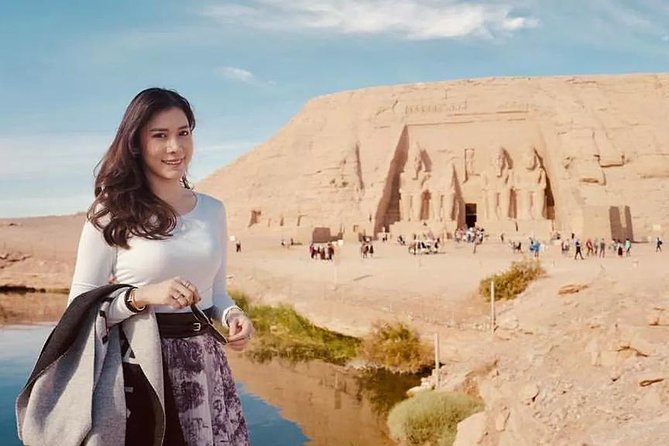
Abu Simbel is singled out in this program as an optional day trip. Your schedule gives you free time in Aswan, and if you choose it, the tour takes you to the temples carved out of mountainside during Ramesses II’s reign, and you’ll see the story tied to Nefertari too.
This is the key decision point for most people. If Abu Simbel matters to you, don’t wait until the last minute. Factor in energy, heat, and your own tolerance for a longer day trip. If Abu Simbel doesn’t move the needle, you can use your Aswan time for slower sightseeing and rest.
Either way, you’ll return for dinner and overnight on the cruise.
How Much Is Included, and What It Means for Your Budget
This trip is priced at $8,262 per person, and it’s worth analyzing what that buys beyond just the name-brand cruise.
Included items you should count as real value:
- Domestic flights: Cairo to Luxor, and Aswan to Cairo
- All airport and ground transfers in private air-conditioned vehicles with free Wi‑Fi
- Oberoi Zahra Nile Cruise accommodation plus meals (breakfast 10, lunch 9, dinner 7 as listed)
- Entrance fees to the sites marked as included
- Private tour guide and guest relations assistance
- Luxor and Aswan sightseeing as mentioned in the plan
- All taxes and service charges
Not included (the parts that can surprise your budget):
- Tipping kitty
- Tickets to get inside the pyramids
- Tickets to get inside Tut’s Tomb
- Beverages
- Gala dinner
- Optional activities
- Entry visa for Egypt
- Any extras not mentioned
My take: if you value a smooth ride, guided access, and not having to plan meals and transfers every day, this price can feel fair. If you’re the kind of traveler who wants to self-manage everything and pick your own entrances, then the “included” value might feel less important, and you’ll want to double-check which specific entrances you care about most.
Private Guides and Drivers: The Human Part That Shows Up in Real Life
One pattern in the experience feedback is simple: people make it work. Past trip comments praise guides like Medhat in Cairo and Hader for Egypt knowledge and helpfulness, and drivers like Samir for comfortable driving and traffic handling. Other names that show up include Muhammed (punctual and friendly for airport transfer), plus guides Mahmoud in Cairo and Mihael in Assuan and Luxor. You also see thanks to coordinators like Nada Abdelazem and Reham, and mention of Mohamed the Italian.
You can’t guarantee who you’ll get, but you can take this as a hint: ask your tour manager early about the day-to-day rhythm, and don’t be shy about clarifying pick-up times in plain terms. A well-run private tour is basically good communication plus timing.
The Best Fit: Who This Tour Will Suit
This is a strong match if:
- You want major ancient sites without the “roll your own itinerary” headache
- You like the idea of a luxury cruise base with organized excursions
- You want a balance of ancient monuments and real city layers in Cairo
It’s not the best fit if:
- You get cranky when days run packed (you’ll have full, active days)
- You only care about one or two sites and would rather spend less on structure
- You strongly want pyramid interiors and Tut’s tomb but hate extra fees (those entrances aren’t included)
Should You Book This Nile Cruise + Cairo Combo?
I’d book this trip if you’re trying to do a first big Egypt sweep with minimal stress. The blend of Cairo blocks (Old Kingdom, then Islamic/Coptic) plus a long river stretch with major temples gives you a lot of sightseeing without constant hotel moves.
I wouldn’t book it blindly if you’re counting on every entrance and special ticket. The program is solid, but the pyramid interior tickets and Tut’s Tomb access are not included, and Abu Simbel is optional. If those are musts, price them in before you commit.
If you want a practical, well-paced way to see Egypt’s biggest moments, this one earns its reputation.
FAQ
How long is the Best of Egypt with Nile Cruise tour?
It runs about 11 days and includes 10 nights, with time in Cairo, a Nile cruise from Luxor to Aswan, and a return flight connection to Cairo.
What cities are included in the trip?
You’ll spend time in Cairo, then travel to Luxor for the cruise, sail to Aswan, and finally transfer to Aswan Airport for flights back to Cairo to connect with your return home.
Are domestic flights included?
Yes. Domestic flights are included for Cairo to Luxor and for Aswan to Cairo.
Is Abu Simbel included in the price?
Abu Simbel is an optional day trip. The program offers it as a recommended option on the day with free time in Aswan.
What’s included in the price besides the cruise?
Included items are meet-and-greet service, private transfers (air-conditioned with free Wi‑Fi), entrance fees to sites listed as indicated, private tour guide services, accommodations as mentioned, and meals (breakfast 10, lunch 9, dinner 7). All taxes and service charges are included too.
Are tickets to go inside the pyramids or Tut’s Tomb included?
No. Tickets to get inside the pyramids are not included, and tickets to get inside Tut’s tomb are not included.
Can I cancel for a full refund?
Yes. You can cancel up to 24 hours in advance for a full refund, and cancellations made less than 24 hours before the start time are not refunded.